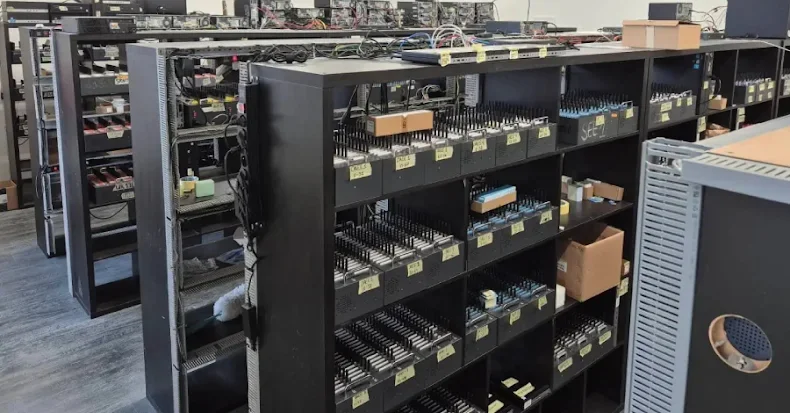
Europol disrupted a sophisticated cybercrime network operating a SIM farm that enabled the creation of over 49 million fake accounts used for various crimes including phishing, fraud, and extortion, leading to arrests, seizures, and international cooperation.
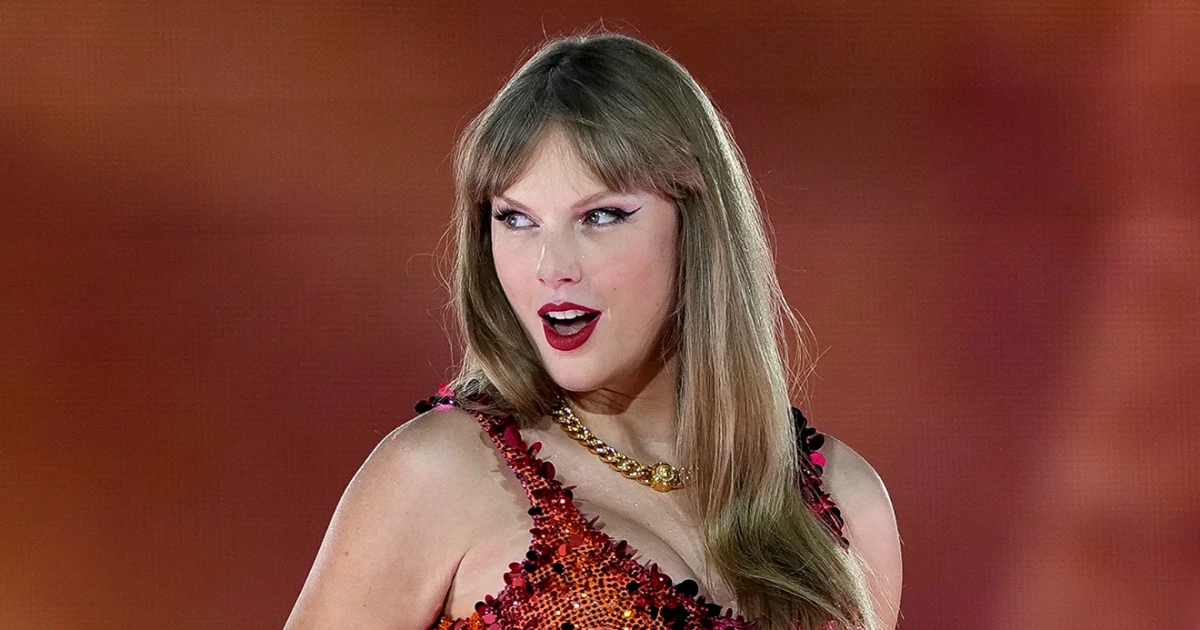
A group used fake accounts and illicit software to buy and resell over 321,000 tickets for major concerts, including Taylor Swift and Bruce Springsteen, making around $5.7 million in profits. The FTC has accused the operation of bypassing Ticketmaster's security measures, using multiple accounts and repurposed credit cards, and reselling tickets at inflated prices. This comes amid ongoing scrutiny of Ticketmaster's practices and efforts to curb ticket reselling abuse.
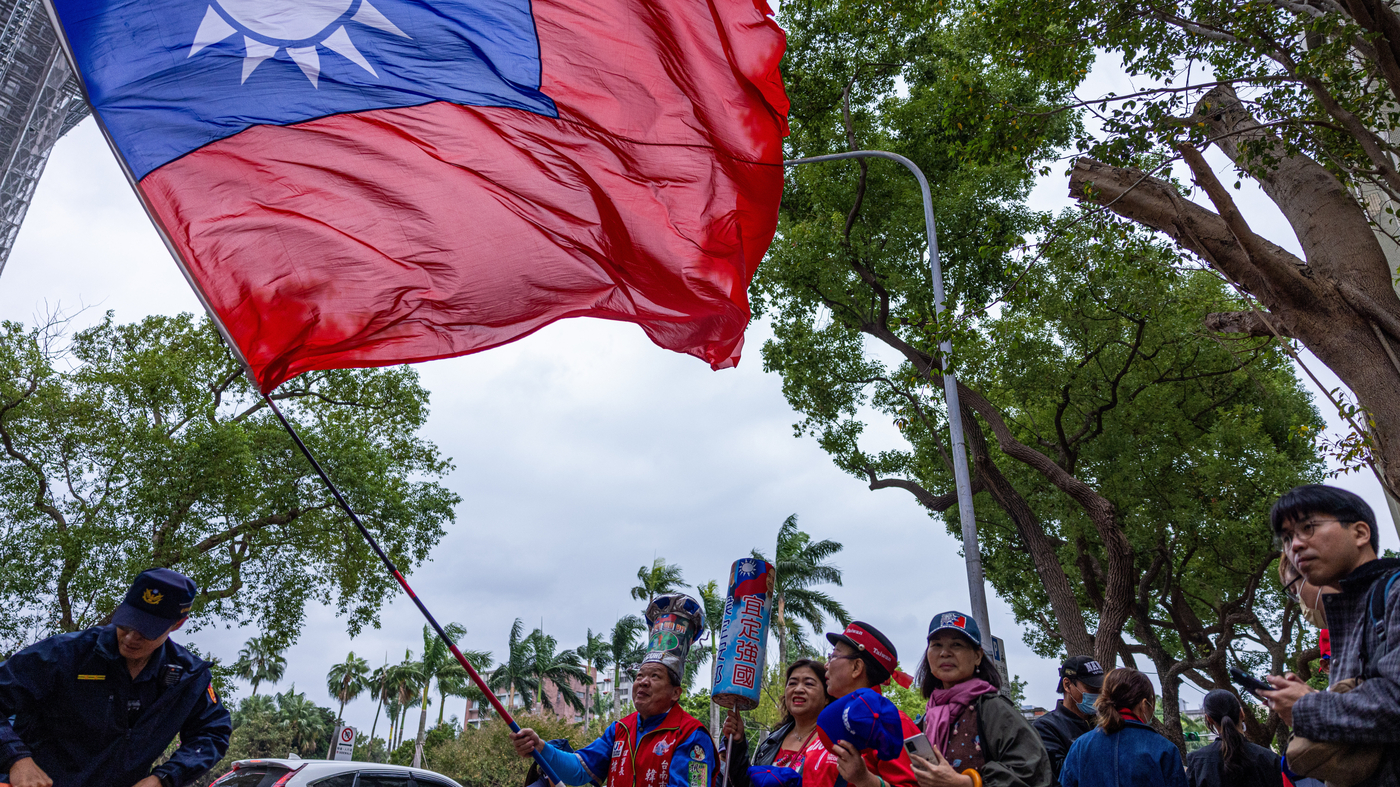
An influence operation targeting Taiwan's upcoming presidential election has been uncovered on Facebook, TikTok, and YouTube. Research firm Graphika identified a network of over 800 fake accounts and 13 pages on Facebook that promoted the Kuomintang (KMT) party and criticized its opponents, including the ruling Democratic Progressive Party. The operation reposted Chinese-language TikTok and YouTube videos about Taiwanese politics, leveraging domestic news developments to portray the KMT's opponents as incompetent and corrupt. While most of the identified accounts have been taken down, Graphika warns that attempts to manipulate Taiwan's online political conversation will likely increase ahead of the 2024 election.
A debut young adult novelist, Cait Corrain, lost her book deal and issued an apology after admitting to creating fake Goodreads accounts to give negative ratings to non-white rival authors while praising her own book. Corrain blamed her actions on alcohol and drug abuse, as well as a psychological breakdown. The affected authors included Molly X. Chang, Danielle Jensen, Kamilah Cole, and Bethany Baptiste. Corrain's publisher, Del Rey Books, dropped her upcoming novel, and her agent also cut ties with her. Corrain denied targeting the authors based on race but acknowledged the pain she caused and plans to seek psychiatric care and rehabilitation.
Meta, the parent company of Facebook, Instagram, and WhatsApp, has taken down a network of thousands of fake and misleading accounts based in China. These accounts posed as Americans and spread polarizing content about US politics and US-China relations. While Meta did not link the profiles to Beijing officials, it has observed an increase in such networks from China ahead of the 2024 US elections. The China-based network included over 4,700 accounts that used profile pictures and names copied from other users worldwide. The accounts shared and liked each other's posts, often copying content from US politicians. Meta's report highlights the ongoing challenge of foreign threat actors attempting to manipulate public opinion and emphasizes the need for vigilance.
Meta, the parent company of Facebook and Instagram, has reported that China has become the third most common source of foreign influence operations on social media, behind Russia and Iran. Meta has taken down five networks of fake accounts originating in China this year, targeting various countries and regions. The Chinese campaigns aim to promote Chinese interests, defend Beijing's human rights record, and attack government critics. The tactics used by these networks vary, but they have struggled to gain an authentic audience. Meta also revealed that Russia remains the most prolific source of coordinated influence operations, with a recent focus on undermining international support for Ukraine. However, efforts to combat foreign interference online have faced legal and political pressure, leading to a breakdown in coordination between tech companies, civil society groups, researchers, and federal agencies.
Meta, the parent company of Facebook and Instagram, has shut down a network of nearly 4,800 fake social media accounts that were created in China and designed to appear as American users. The accounts were used to spread polarizing political content from X (formerly Twitter), resharing posts from politicians and news outlets to exaggerate partisan divisions and inflame polarization. While Meta touts its efforts to combat fake accounts, critics argue that the platform fails to address its responsibility for existing misinformation. As the 2024 elections approach, experts warn of the challenges posed by online disinformation and the need for platforms to take a more proactive role in protecting election integrity.
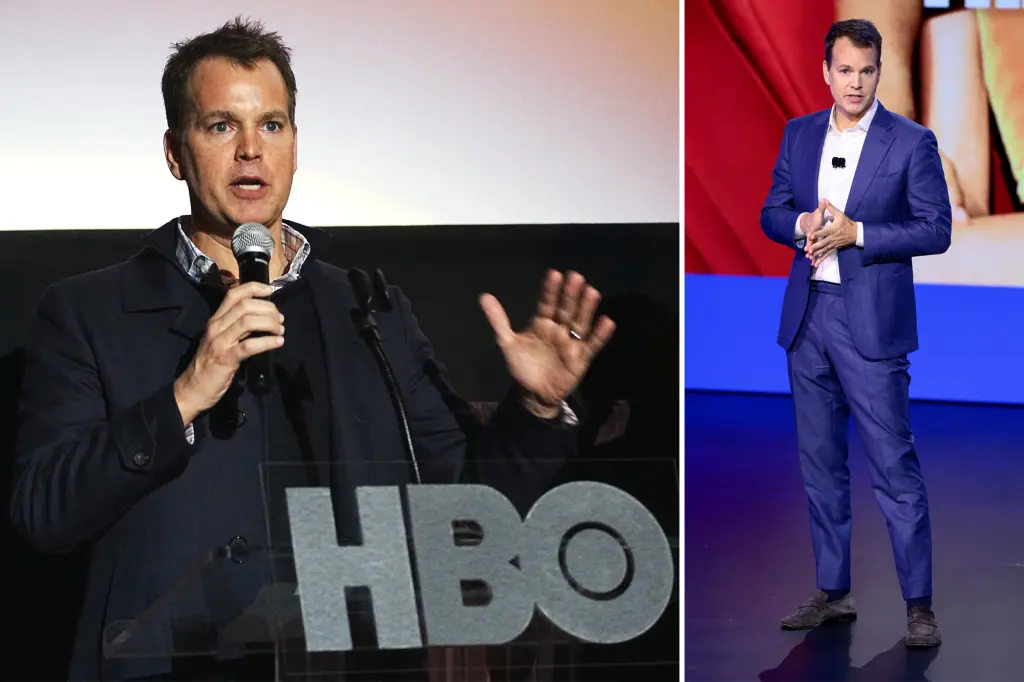
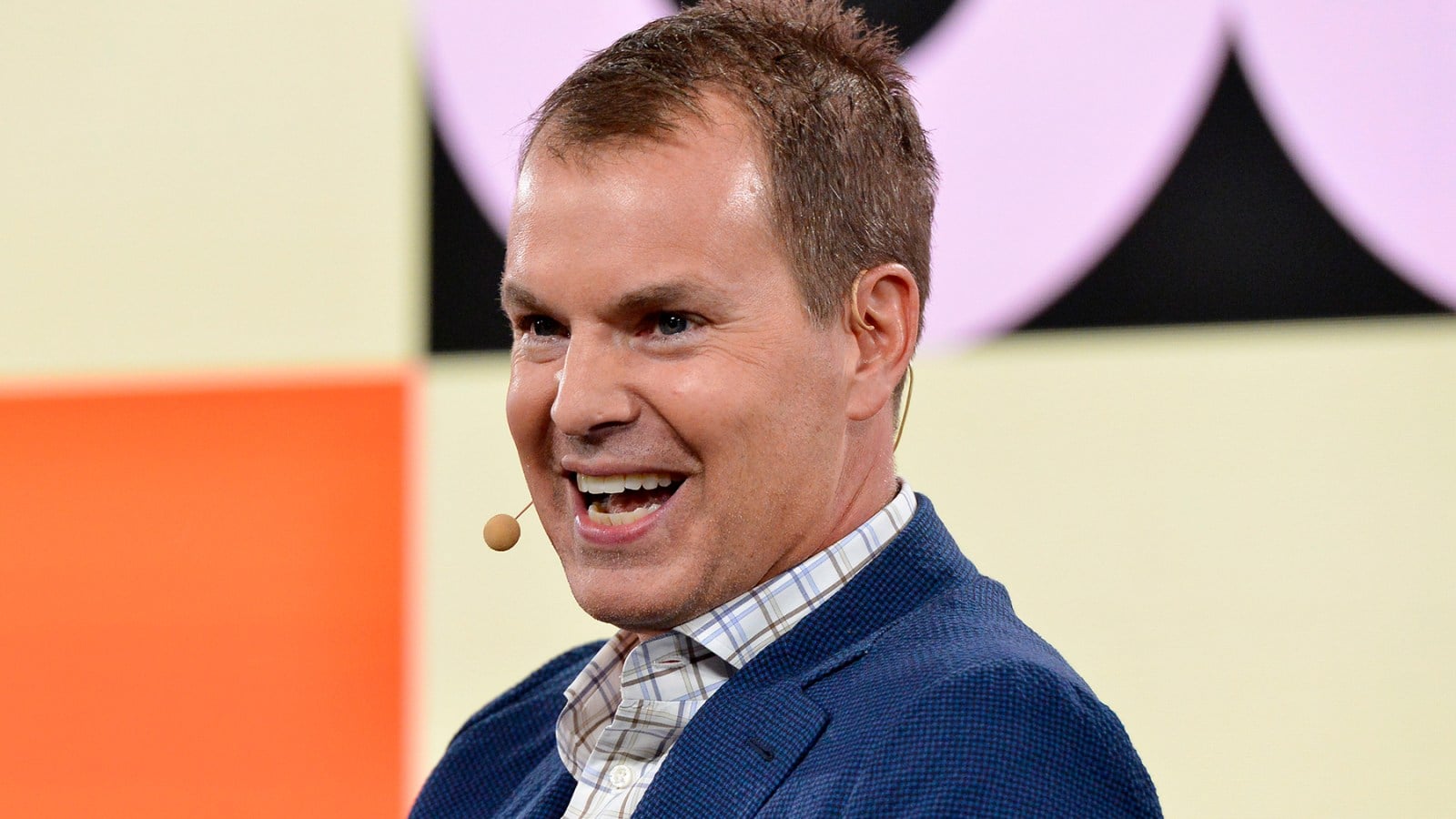
Casey Bloys, CEO of HBO, has apologized for using fake social media profiles to respond to negative reviews of the network's series. Bloys admitted to the behavior during a presentation of HBO's 2024 content calendar, stating that it was a "very, very dumb idea" born out of frustration. The apology comes after a report from Rolling Stone exposed Bloys' past antics on Twitter. The report included alleged texts between Bloys and another executive discussing the use of fake accounts to reply to critics. HBO has not denied the controversy and plans to defend itself in a lawsuit brought by a former employee.
A lawsuit against HBO reveals that the network's programming chief, Casey Bloys, and his SVP of drama programming, Kathleen McCaffrey, discussed using fake Twitter accounts to troll critics of their shows. Text messages between the executives were provided as evidence, showing discussions about creating burner accounts to respond harshly to negative reviews. The lawsuit, filed by a former HBO staffer, also alleges harassment and discrimination within the company. HBO has stated that they will vigorously defend against the allegations.
Former HBO executive Casey Bloys and senior vice president Kathleen McCaffrey used fake Twitter accounts to troll TV critics and commenters on articles about HBO programming, according to text messages reviewed by Rolling Stone. Bloys and McCaffrey discussed using a "secret army" to fire back at critics and drop pro-HBO comments. The messages are part of a wrongful termination lawsuit filed by former HBO staffer Sully Temori, who alleges harassment, retaliation, and discrimination after disclosing a mental health diagnosis. The lawsuit also claims that Temori was asked to create fake online accounts. HBO did not dispute the authenticity of the messages.
Cyabra, an Israel-based social threat intelligence company, has revealed that Hamas has been using a sophisticated social media campaign, employing fake accounts to push pro-Hamas narratives on major platforms. Cyabra analyzed 2 million posts across Facebook, Twitter, Instagram, and TikTok and found that 25% of the profiles engaged in conversations about Hamas were fake. These fake profiles disseminated over 312,000 pro-Hamas posts and comments, generating 371,000 engagements and over 531 million views. The company believes that the level of sophistication and organization behind these fake accounts suggests the involvement of a highly funded, state-like actor. Cyabra has developed an enterprise platform and a consumer-facing tool called Botbusters.ai to detect fake profiles and AI-generated content.
A former Wells Fargo executive involved in the fake-accounts scandal will not face prison time, as a federal judge sentenced him to three years of probation and ordered him to pay a $5,000 fine. The executive, who oversaw the bank's retail operations, was charged with conspiracy to commit fraud and conspiracy to commit identity theft, but his sentence was reduced due to his cooperation with authorities and his lesser role in the scheme.
Bank of America has been ordered to pay over $100 million to customers and $150 million in fines for illegally charging customers for junk fees, fake accounts, and withholding rewards. The Consumer Financial Protection Bureau found that the bank harmed hundreds of thousands of customers through illegal practices such as double charging insufficient fund fees and opening accounts without customer consent. Bank of America is also facing separate fines for violating laws around overdraft fees. This is not the first time the bank has been penalized for illegal practices, as it has previously been fined for deceptive marketing and other violations.
Bank of America has been ordered by federal regulators to pay $100 million to customers for unfair fees, withholding credit-card rewards, and opening fake accounts. The bank also faces $90 million in penalties to the Consumer Financial Protection Bureau and $60 million to the Office of the Comptroller of the Currency. The regulators alleged that Bank of America double-dipped on fees, wrongfully withheld credit card rewards, and opened accounts without consent. The bank has already paid approximately $23 million to customers for credit-card sign-up bonuses and there is still approximately $80 million in repeat non-sufficient funds fees that need to be refunded.
Bank of America has been fined $150 million by the Consumer Financial Protection Bureau (CFPB) for overcharging customers with overdraft fees, failing to deliver promised credit card rewards, and opening unauthorized bank accounts. The CFPB found that the bank charged customers multiple overdraft fees for a single declined transaction, withheld credit card bonuses, and opened accounts without customer consent. Bank of America will pay $80 million in restitution to affected customers and $150 million in penalties to the CFPB and the Office of the Comptroller of the Currency (OCC). This is not the first time the bank has faced fines for illegal practices.