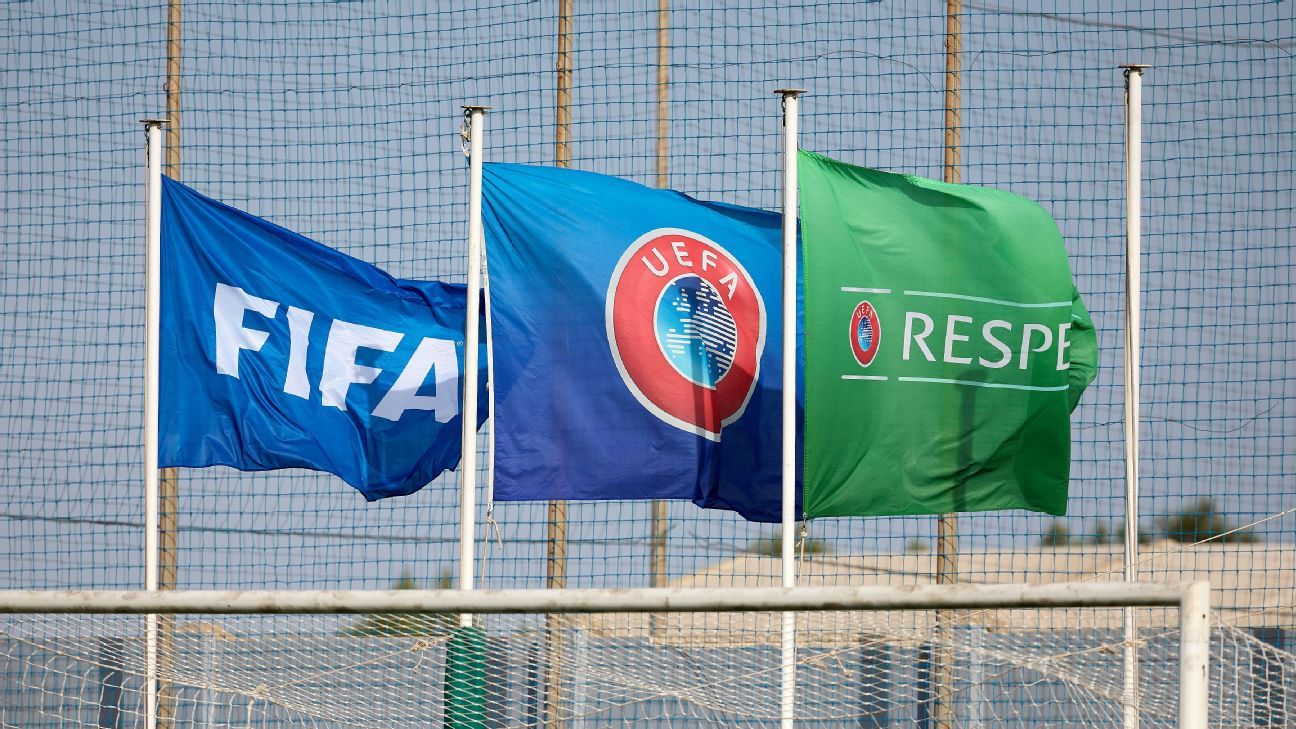
A major legal case has been launched against Fifa by Justice for Players, claiming that Fifa's transfer regulations have unlawfully restricted player mobility and caused significant financial losses for footballers, potentially leading to a transformative shift in football transfer laws similar to the 1995 Bosman ruling.
The European Court of Justice ruled that asylum seekers can only be sent to offshore detention centers if their countries of origin are proven safe through effective judicial review, challenging the EU's plans to expand offshore deportation schemes like Italy's controversial centers in Albania. This decision may impact upcoming EU asylum regulations and has elicited mixed reactions from European leaders, with some criticizing the ruling as a setback for migration control.
Google faces a significant setback in its legal battle against a €4.7 billion EU antitrust fine, as the European Court of Justice’s advocate general recommended upholding the penalty, which was initially imposed in 2018 for abusing Android's dominance to stifle competition. The court's final decision is pending, but this case is part of broader EU efforts to regulate Big Tech.
The European Union Court of Justice has removed Russian billionaires Mikhail Fridman and Petr Aven from the EU sanctions list imposed after Russia's invasion of Ukraine in 2022, stating that their inclusion was not justified. The court ruled that the reasons for their initial inclusion were not sufficiently substantiated and that they should not have been on the list between February 2022 and March 2023. Both men are major shareholders of conglomerate Alfa Group, and while the Council may have grounds to establish their ties to Russian President Vladimir Putin, it has not been demonstrated that they have supported actions against Ukraine.
Tottenham Hotspur and other Premier League clubs have reaffirmed their opposition to the Super League following a ruling by the European Court of Justice. While the court's decision may pave the way for a potential revival of the Super League, the Premier League already has rules in place prohibiting its members from joining such a competition. Tottenham Hotspur and other clubs have released statements confirming their commitment to the current Premier League laws and their participation in UEFA competitions.
The European Court of Justice has ruled that UEFA and FIFA violated EU law by preventing the formation of a Super League, but the court did not explicitly approve the league. The ruling comes after sports development company A22 announced plans for a new competition that could rival UEFA's Champions League. While some clubs welcomed the ruling, major leagues and clubs expressed support for the existing structure. The court's decision stated that FIFA and UEFA abused their dominant position by forbidding clubs from joining the Super League, but it did not specifically address the approval of the project.
The European Court of Justice has ruled that UEFA's ban on the Super League and its threatened punishments for participating clubs are illegal under European competition law. The court found that FIFA and UEFA's rules requiring new football competitions to be subject to their prior approval and banning players from taking part in those competitions were "unlawful" and restricted competition. The ruling does not mean that the Super League project must be approved, but it is a significant boost for the project, which seeks to replace UEFA's Champions League. UEFA argues that it has already updated its rules to address the court's concerns.
The European Court of Justice (ECJ) will decide on Wednesday whether to remove former Chelsea owner Roman Abramovich from the European Union's sanctions list, which was imposed on him and other Russian officials following the invasion of Ukraine in 2022. The EU claims that Abramovich's close ties to Vladimir Putin allowed him to maintain his wealth and provide revenue to the Russian government. Abramovich has filed a case against the EU, arguing that his inclusion on the list violates his fundamental rights. He is also seeking €1 million in reputation damages to be donated to a charitable foundation for victims of conflicts. The UK government is currently working on establishing a foundation to manage the proceeds from the sale of Chelsea FC, which Abramovich intends to donate to benefit Ukrainians affected by the war.
The European Court of Justice has ruled in favor of Amazon in a case where the e-commerce giant was accused by the European Commission of receiving illegal tax benefits. The court stated that the Commission had not proven that the tax agreement between Amazon and Luxembourg violated the internal market. Amazon welcomed the ruling, stating that it had followed all applicable laws and received no special treatment.
An adviser to the European Court of Justice has recommended that a previous ruling ordering Apple to pay €14.3 billion in back taxes to Ireland should be set aside. The advocate-general stated that the court had made errors in law and failed to assess certain methodological errors. The ruling is expected next year. The case is part of the EU's clampdown on alleged sweetheart tax deals in member states.
An adviser to the European Court of Justice has recommended that the court review the case against Apple's €13 billion ($14 billion) tax order, stating that the lower tribunal made legal errors in ruling in favor of the tech giant. The case, which dates back to 2016, is part of the European Union's crackdown on unfair state aid between multinationals and EU countries. The European Commission had previously claimed that Apple benefited from Irish tax rulings that significantly reduced its tax burden. While the EU's General Court had upheld Apple's challenge in 2020, the adviser's recommendation could potentially be a setback for the company. The European Court of Justice is expected to make a ruling in the coming months.
An advisor to the European Court of Justice (ECJ) has recommended that Apple's victory in its €13 billion tax dispute with the EU should be overturned due to errors in the earlier ruling. While non-binding, the ECJ typically follows such advice, and a binding ruling is expected in the coming months. In 2020, the EU General Court overturned a European Commission ruling that Apple should pay the tax bill to the Irish government. Apple maintains that it received no selective advantage or state aid.
The European Court of Justice has dismissed a case brought by a Syrian refugee family against the European border agency Frontex. The family argued that Frontex should be held accountable for their deportation from Greece to Turkey in 2016 without the opportunity to apply for asylum. The court ruled that Frontex does not have the power to assess return decisions or applications for international protection, and therefore cannot be held liable. The family's lawyers plan to appeal the ruling, stating that individuals should be able to hold Frontex accountable for its treatment of them. The case raises questions about how Frontex should monitor respect for fundamental rights in its activities.
The European Union has approved a new privacy agreement that allows the transfer of personal data from Europe to the United States without additional security measures. The EU-U.S. Data Privacy Framework provides an adequate level of protection for personal data, comparable to the EU's own data protection standards. The agreement aims to resolve the long-standing battle between Washington and Brussels over the safety of EU citizens' data stored in the U.S. However, privacy campaigner Max Schrems has dismissed the deal, stating that it fails to address core issues and plans to challenge it in the European Court of Justice. The agreement includes strengthened safeguards against data collection abuses and provides avenues for redress, limiting U.S. intelligence agencies' access to data. Business groups have welcomed the decision, providing legal certainty for cross-border data flows.
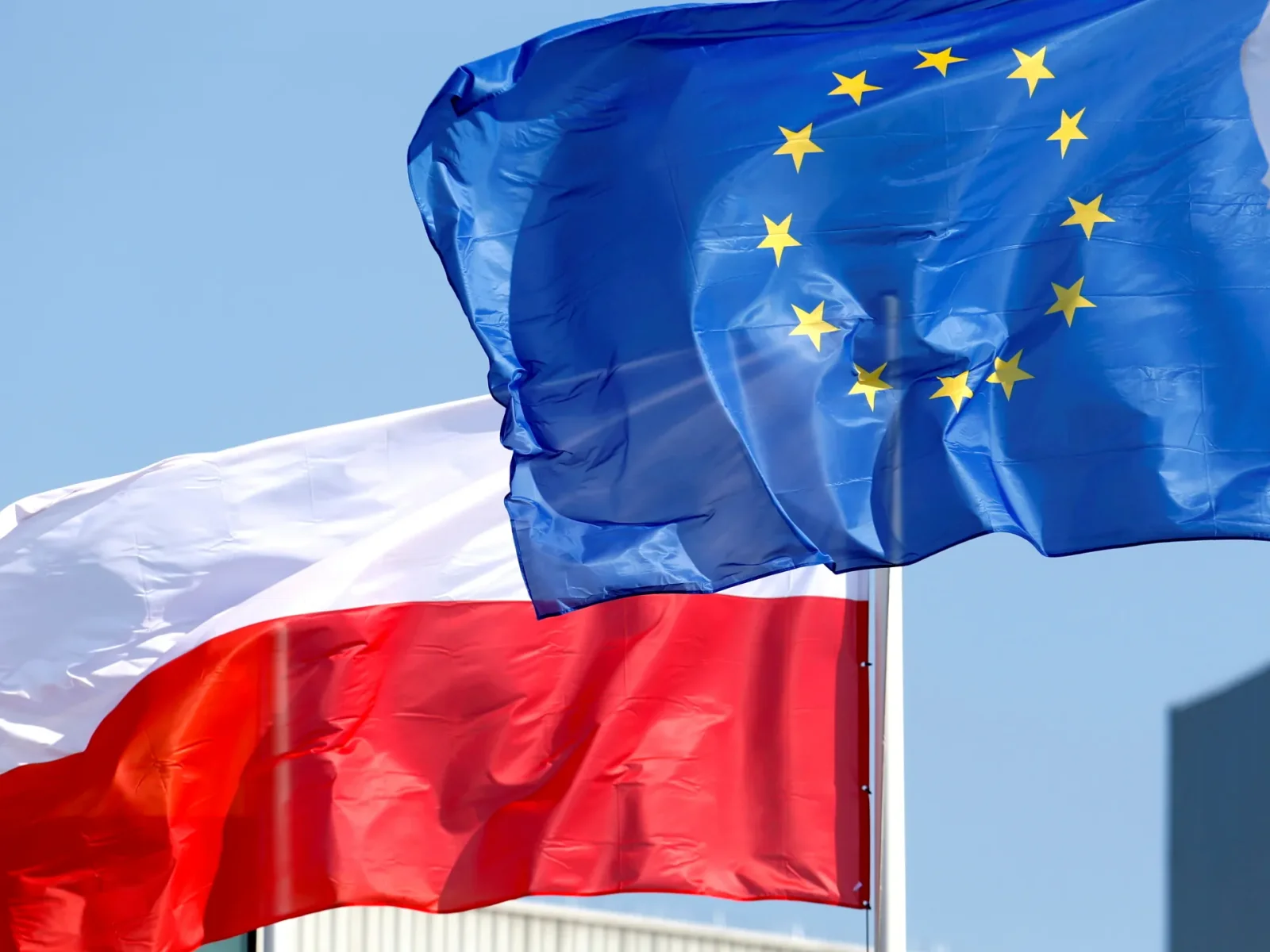
The European Court of Justice (ECJ) has ruled that Poland's 2019 justice reforms infringe the EU's rule of law. The reforms prevent Polish courts from applying EU law in certain areas and from referring legal questions to the ECJ. The ECJ said the reforms were damaging the independence of judges and undermining the rule of law. The EU has withheld allocating billions of euros to Poland from the EU budget until Warsaw pledges to abide by the bloc's rules. The court also said Poland is "obligated to make the daily penalty payments".