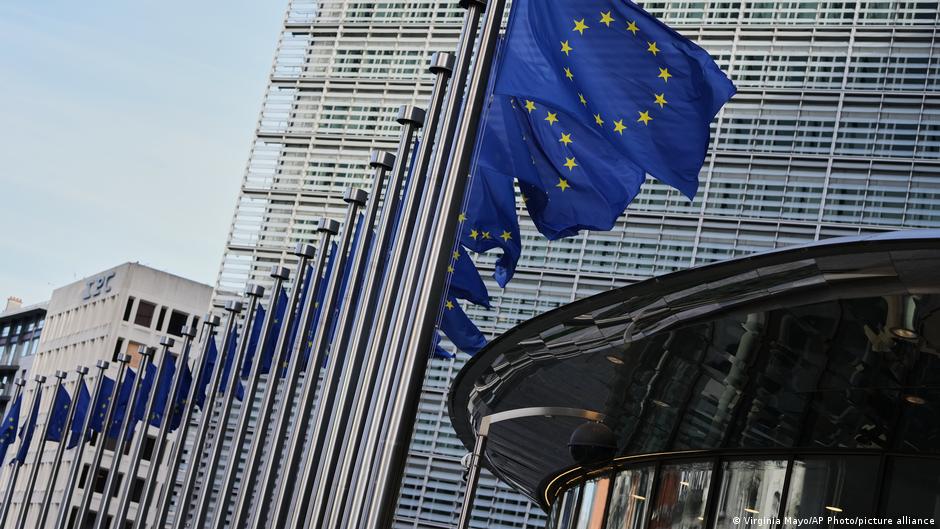
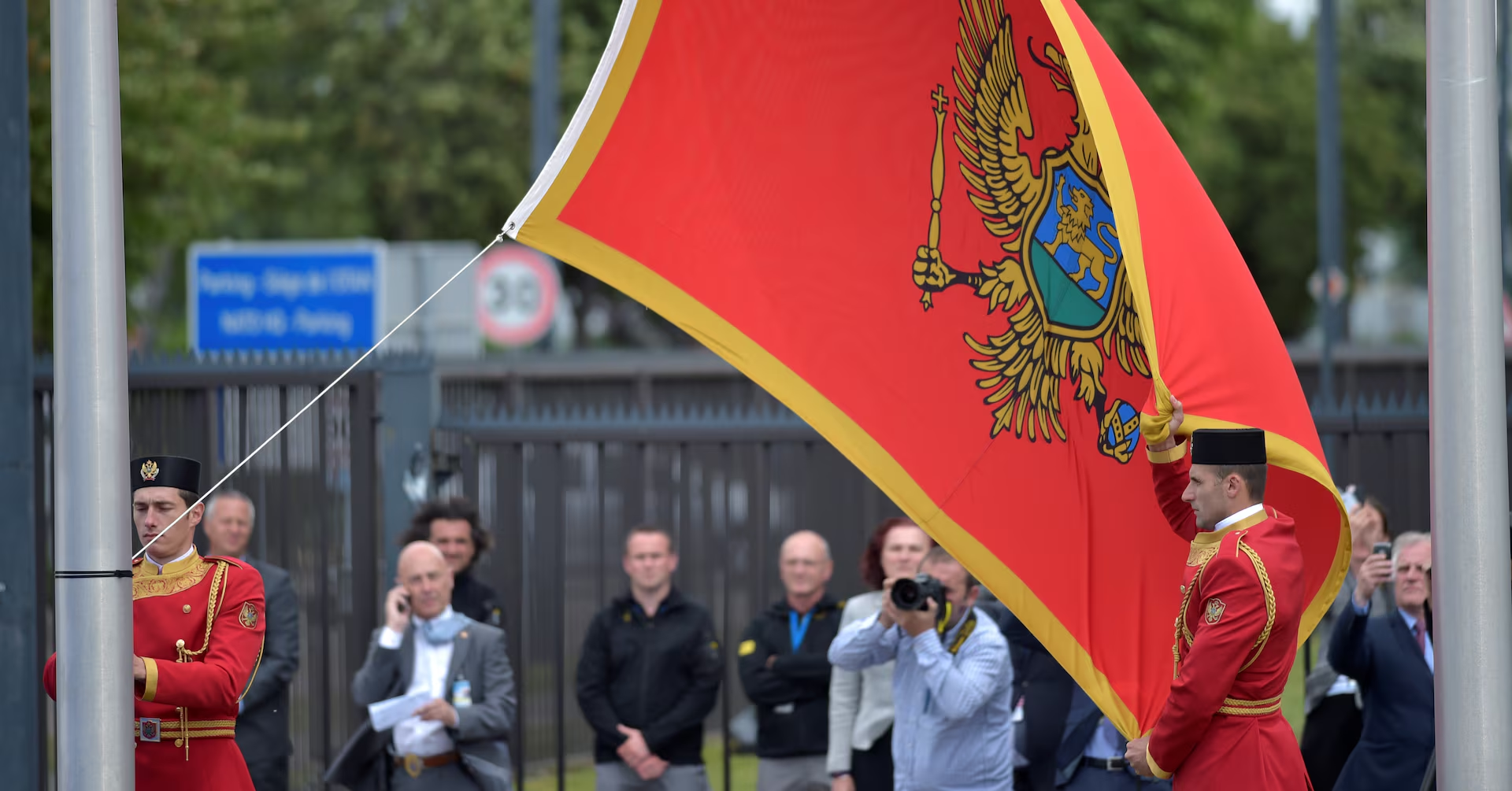
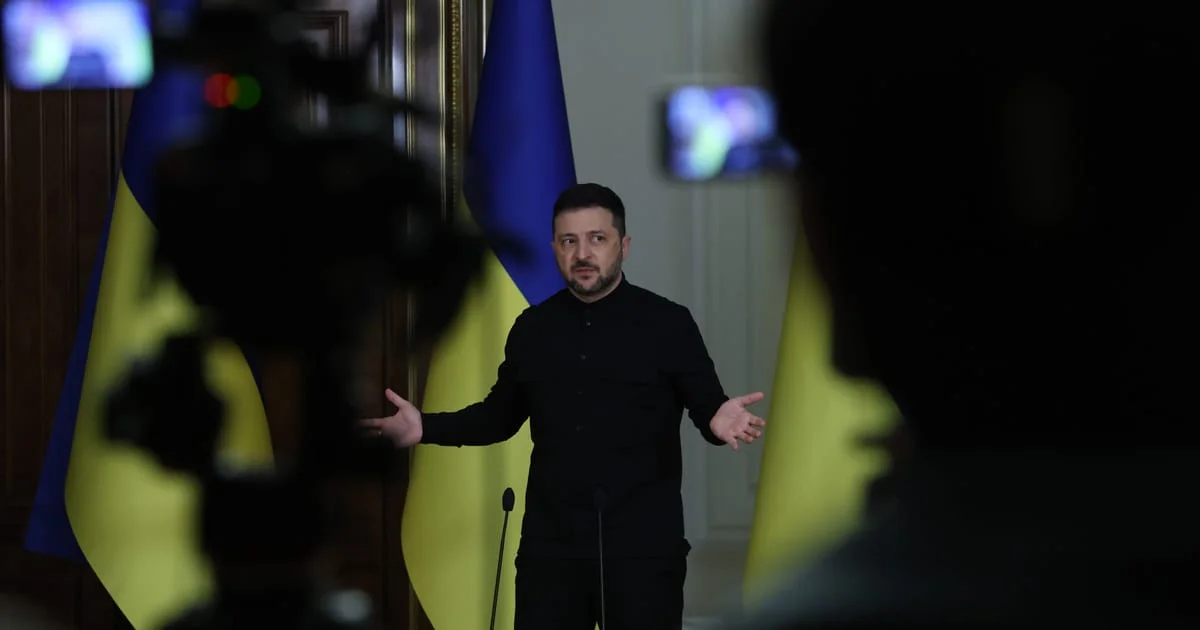
The European Commission's latest report praises Montenegro's progress towards EU membership, supports Ukraine's bid despite challenges, and criticizes Georgia for democratic backsliding, highlighting the varying prospects of countries seeking EU accession.
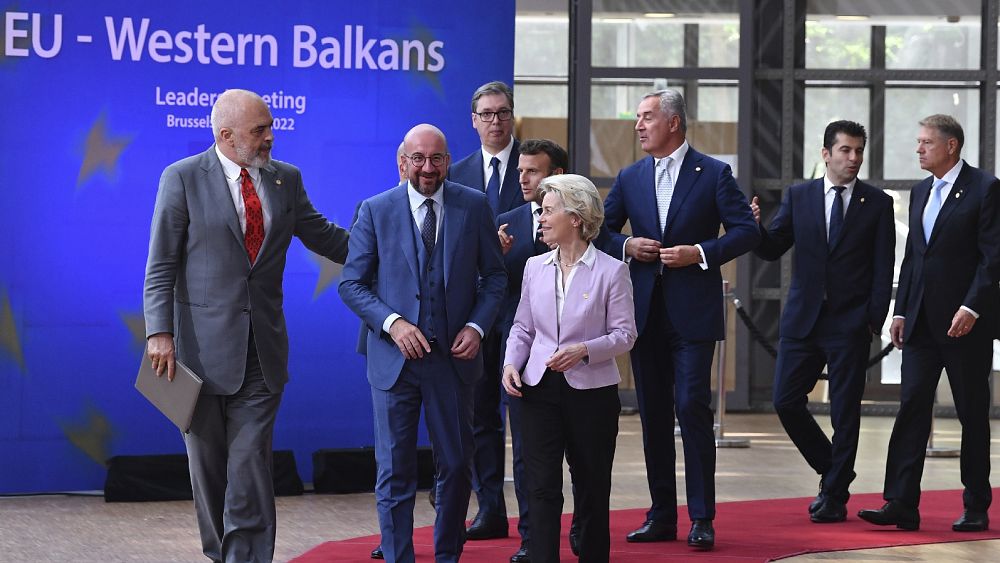
The European Commission announced that the EU could admit new members by 2030, praising Montenegro, Albania, Ukraine, and Moldova for their reform progress, while criticizing Serbia and Georgia for slow reforms and democratic backsliding, respectively.
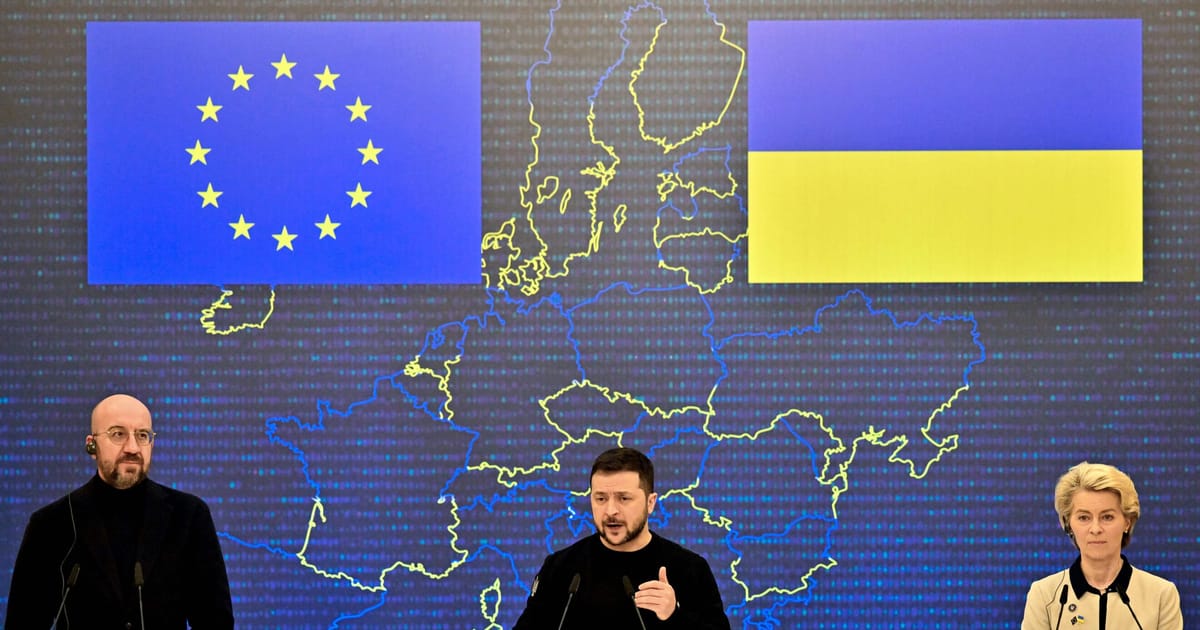
The EU warns Ukraine to maintain anti-corruption efforts to stay on track for membership, with a deadline of 2030 for new members. While Ukraine has made reforms amid war, concerns remain over corruption and political independence. EU officials praise Moldova, Albania, and Montenegro for progress, but political deadlocks and Russian influence pose challenges for Ukraine and other candidate countries. The EU emphasizes the importance of reforms and unity for future enlargement.
Denmark is advocating for suspending Hungary's EU voting rights due to its opposition to Ukraine's EU membership and is considering restricting access to EU funds for countries violating European law, while also supporting the joint EU accession process for Ukraine and Moldova despite ongoing disagreements over Hungary's stance.
Former NATO Secretary-General Anders Fogh Rasmussen argues that Ukraine's membership in the European Union (EU) is crucial for lasting peace and stability in Europe. He highlights the success of previous EU enlargements in strengthening democracy and bringing stability to the Eastern flank. Rasmussen urges European leaders to recognize Ukraine's clear commitment to European values and its efforts to meet the conditions for membership negotiations. He warns against appeasing Russian President Vladimir Putin and calls on EU leaders to reject Hungarian Prime Minister Viktor Orbán's potential veto, emphasizing that Ukraine's accession would expand Europe's industrial base, strengthen the single market, and contribute to Europe's security architecture. Rasmussen concludes that opening membership negotiations with Ukraine would send a strong message to Putin and ensure a future worth fighting for.
The European Commission is set to endorse membership talks with Ukraine, signaling a step towards EU enlargement. This move comes as Ukraine seeks closer ties with the EU and aims to align its policies with European standards. The endorsement by the European Commission is an important milestone in the process of Ukraine's potential accession to the European Union.
The EU's enlargement process, once seen as a flagship project, has largely stalled since the 2004 wave of new members. The EU's cautiousness towards enlargement can be attributed to global crises, such as financial crises, migration crisis, COVID-19 pandemic, and Russia's invasion of Ukraine, which have diverted attention and forced the EU to address its challenges. Internal factors, including the rise of populism and nationalism, bilateral issues, and democratic backsliding in some member states, have also hindered the enlargement process. Concerns over money, voting rights, and decision-making have further slowed down the process. However, there is growing support for the idea of gradual integration, allowing candidate countries to join EU policies and programs as they progress in their accession process.
Two summits are set to take place in Granada, Spain, this week. The first is the European Political Community (EPC) summit, which aims to unite European states against Russia's invasion of Ukraine. The second is an informal meeting of the 27 EU member states, focusing on migration management. The EPC summit provides an opportunity for politicians to engage in relaxed working groups and foster dialogue. The situation in Ukraine is expected to dominate discussions, with hopes for progress on EU accession talks. The EU summit will address short-term solutions to the migration crisis, including cooperation with third countries. Additionally, EU enlargement and its impact on the budget will be discussed.
European Union governments are discussing how to reform EU decision-making and finances in preparation for the potential enlargement of the bloc. The European Commission plans to propose cash and market access for candidate countries to expedite their membership preparations. The EU is currently considering eight countries with official candidate status and two potential candidate countries. The Commission will present a package of measures to offer gradual market access and additional funding to help these countries reform. The discussions also involve a paper by French and German scholars calling for a radical overhaul of decision-making and funding before accepting new members. Changes to agriculture policy, regional policy, and the EU budget would be necessary if new members were to join. The paper suggests the creation of four tiers of European integration, with closer cooperation allowed for some countries.