
Tag

Erg Chech 002

All articles tagged with #erg chech 002

science2 years ago

Ancient Meteorite Unveils Earth's Formation and Early Solar System

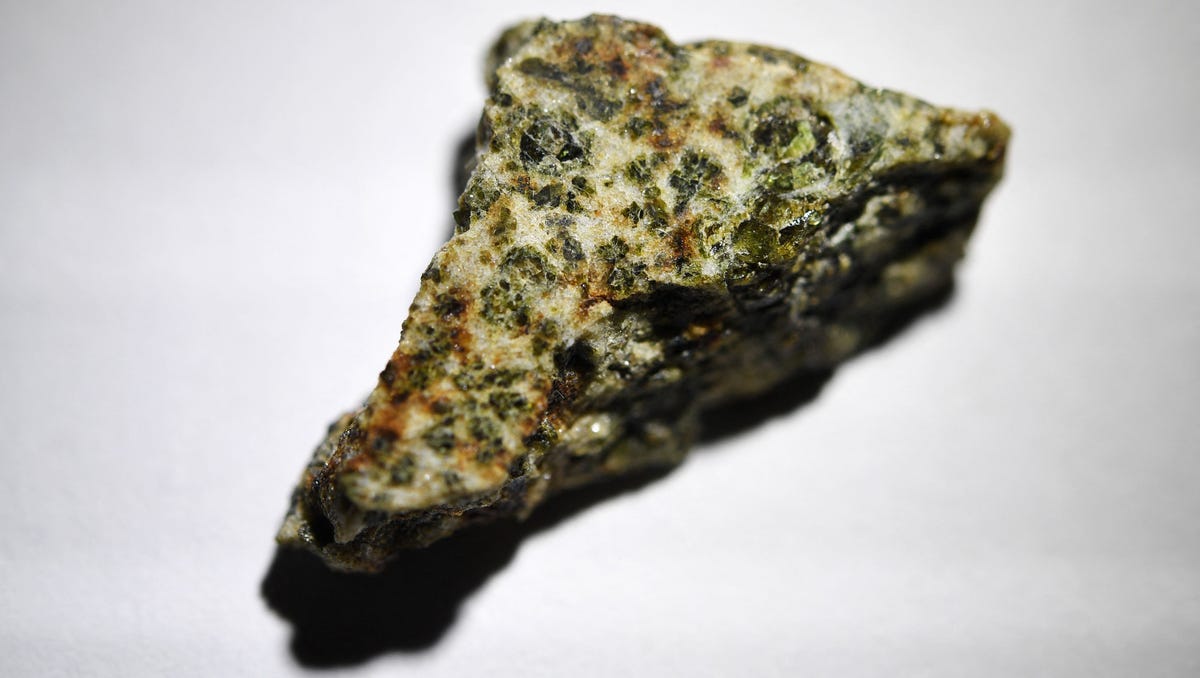
Erg Chech 002, a 4.6 billion-year-old meteorite found in the Sahara Desert, contains higher levels of the radioactive isotope aluminum-26 than expected. Researchers believe this discovery can provide insights into the birth of planets and help determine the ages of other meteorites. The findings challenge the assumption that aluminum-26 was evenly distributed in the early solar system, suggesting that previous meteorite ages may need to be recalculated. The study contributes to a better understanding of the early stages of the solar system and the geological history of planets.
space2 years ago

"Sahara's Crystal-Studded Space Rock Unveils New Insights into Early Solar System History"

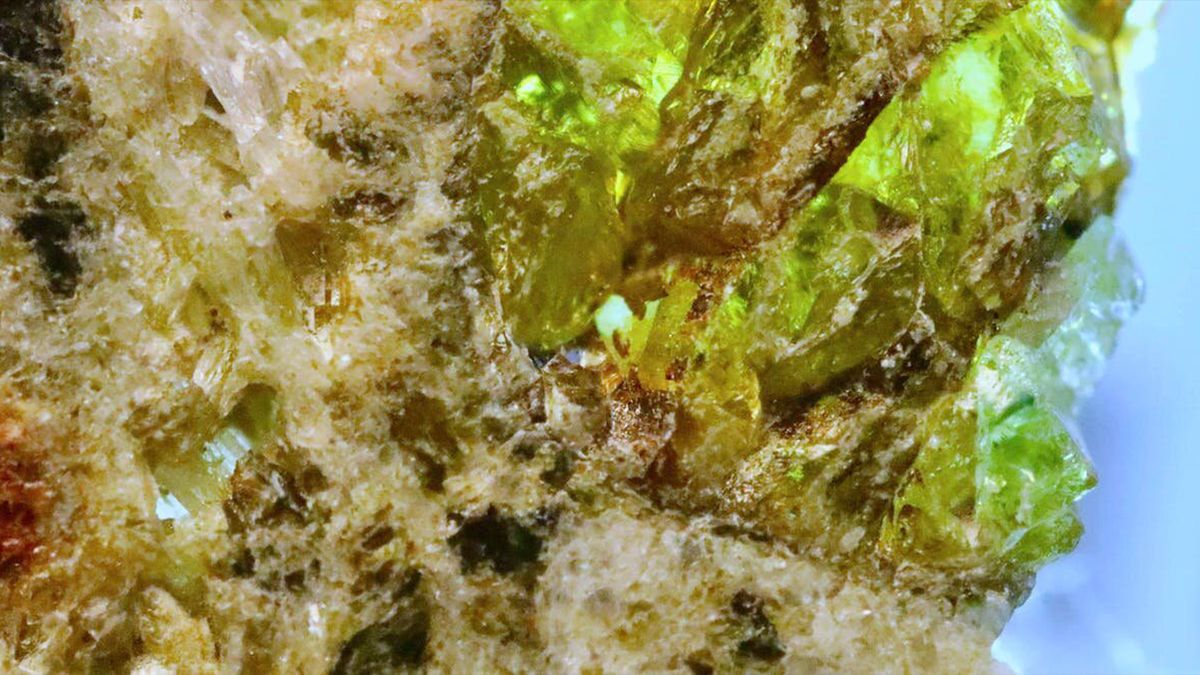
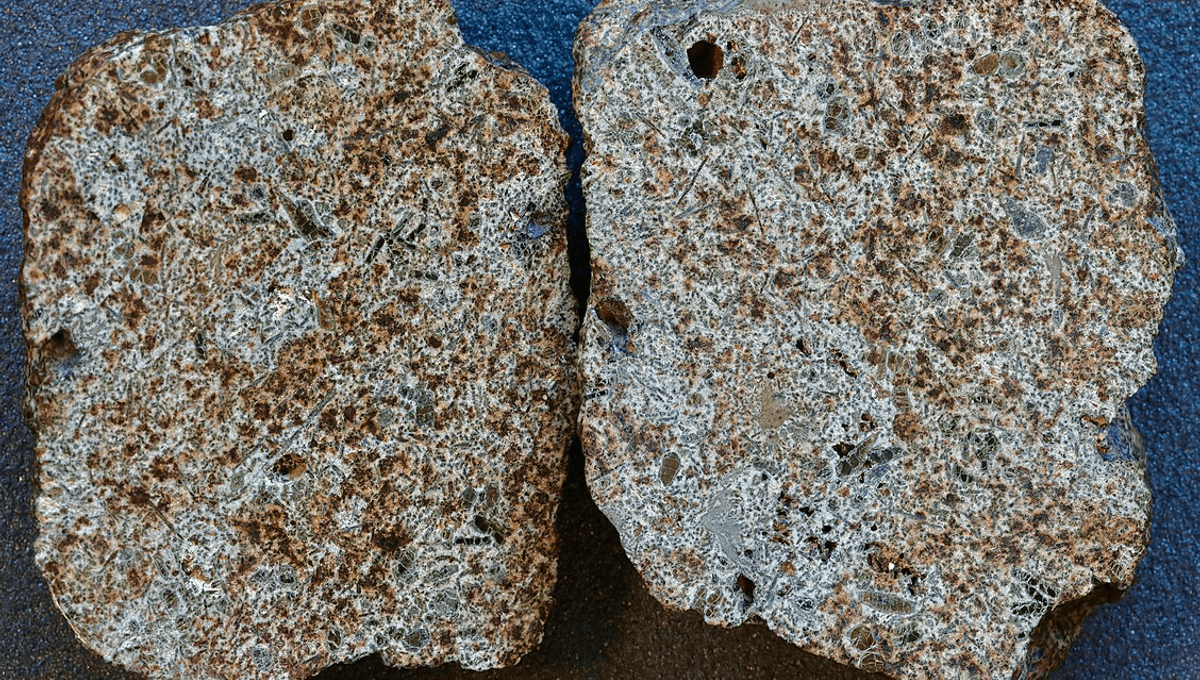
Researchers have discovered a crystal-studded meteorite, Erg Chech 002, in the Sahara Desert that is estimated to be 4.56556 billion years old, making it the oldest volcanic rock ever found. The meteorite's age challenges assumptions about the early solar system and provides insights into the distribution of aluminum-26, a radioactive isotope that played a crucial role in the formation and heating of primitive rocks. The findings contribute to a better understanding of the early developmental stages of the Solar System and the geological history of planets.

space2 years ago

"Groundbreaking Discovery: Ancient Volcanic Meteorite Shakes Up Solar System Formation Theories"

The discovery of the Erg Chech 002 meteorite, the oldest volcanic rock on Earth, challenges theories about the formation of the Solar System. Analysis of the meteorite reveals that the distribution of aluminum-26, a crucial atom in the early Solar System, was not uniform. This suggests that some parts of the early Solar System were richer in aluminum-26 than others. The findings complicate models of planetary formation and could explain certain anomalies. The precise dating of Erg Chech 002 provides valuable insights into the early stages of planetary formation.