New York's controversial ballot measure, Proposition 1, aimed at enshrining abortion rights in the state constitution, is projected to pass with significant support, despite opposition labeling it a 'Trojan Horse.' The measure, part of a broader Democratic effort to secure reproductive rights, extends anti-discrimination protections to include gender identity and reproductive healthcare. Critics argue it could lead to unintended consequences, such as noncitizens voting and minors undergoing gender surgeries without parental consent. Proponents celebrate it as a victory for reproductive freedom.

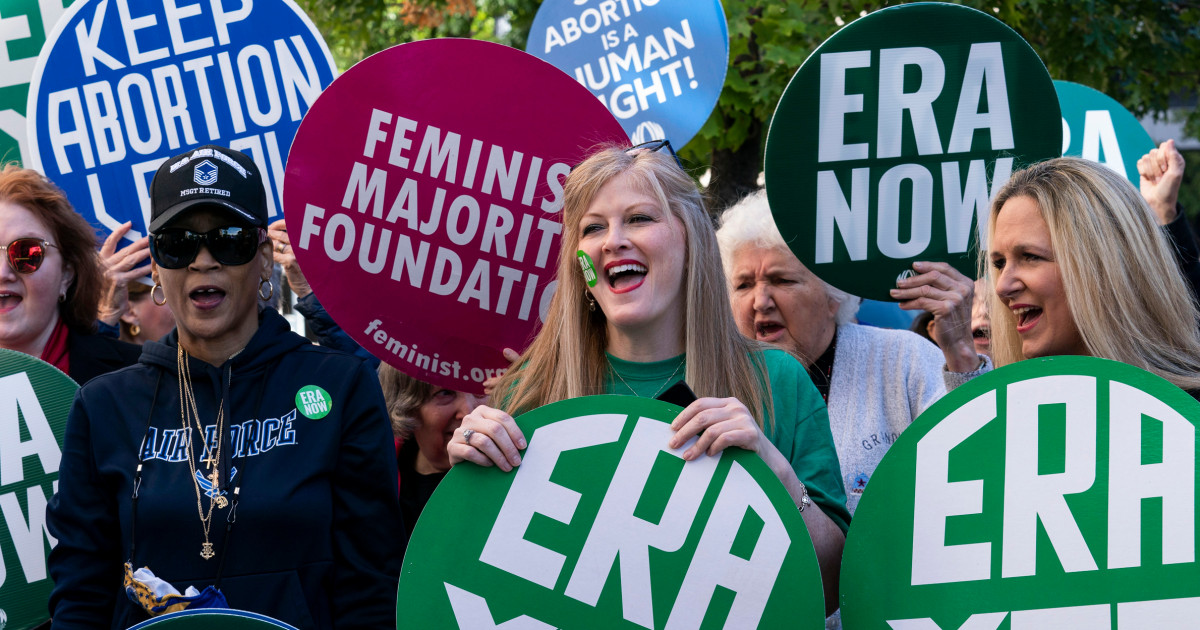
New York voters approved Proposition 1, amending the state constitution to enshrine abortion rights and expand anti-discrimination protections. This move follows the U.S. Supreme Court's 2022 decision overturning Roe v. Wade. The amendment, known as the Equal Rights Amendment, adds protections for various identities, including gender identity and reproductive health, to the state's Equal Protection Clause. Despite opposition concerns about its implications, the amendment does not change voting or sports regulations. Its passage is seen as a victory for Democrats, who heavily supported the measure.
During Sandra Day O'Connor's Senate confirmation hearings in 1981, then-Senator Joe Biden urged her to use her high profile as the first woman Supreme Court justice to promote the Equal Rights Amendment (ERA) and speak out on issues of inequality for women. O'Connor politely declined, but went on to become a key swing vote on the court, upholding Roe v. Wade and seeking compromises on controversial issues. Biden praised O'Connor's commitment to the stable center and common ground, and her impact on democracy and active citizenship.
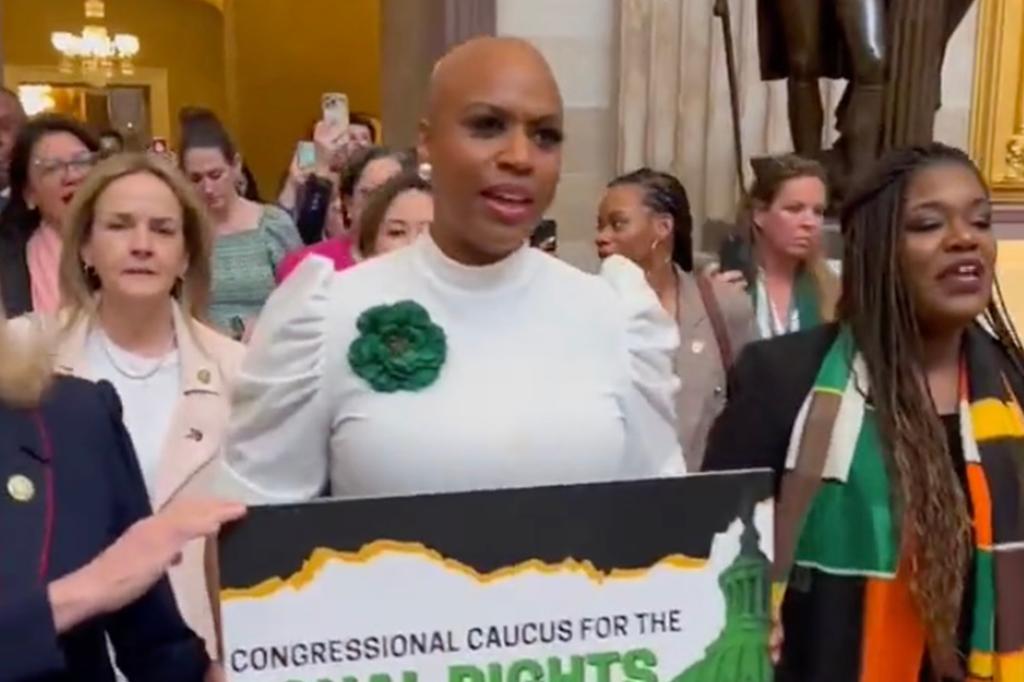
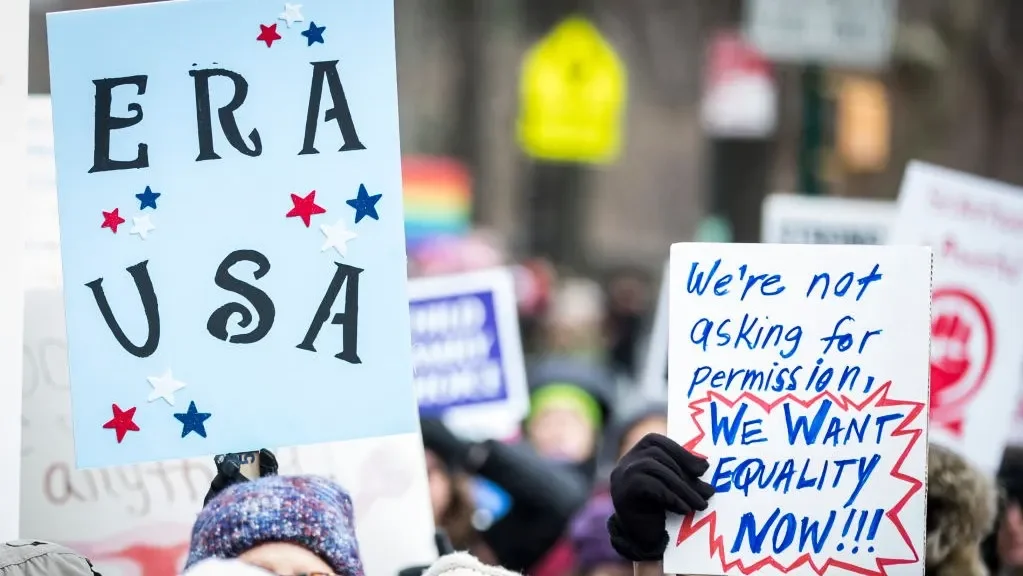
House Democrats, led by Reps. Ayanna Pressley and Cori Bush, were expelled from the Senate after protesting the chamber's inability to pass the Equal Rights Amendment. The lawmakers chanted "What do we want? ERA! When do we want it? Now!" as they demanded the Senate remove the deadline preventing the amendment's ratification. The resolution failed in a 51-47 vote, with only Sens. Lisa Murkowski and Susan Collins voting with Democrats in favor of removing the deadline. Republicans who oppose the ERA argue that the amendment is not needed because the same protections are offered in the 14th Amendment.
The US Senate failed to pass a resolution to enshrine equal rights for women in the Constitution, falling nine votes short of the 60 needed to clear the filibuster hurdle. The resolution would have removed a 1982 deadline for state ratification that prevented the Equal Rights Amendment from going into effect. Only two Republican senators joined Democrats in voting for the measure. The ERA was proposed in 1923 but did not pass Congress until 1972. Proponents of the amendment say it would ensure women get equal pay and secure their rights in legal matters, while opponents argue it could subject women to a military draft if it were reinstated.
Senate Republicans blocked a joint resolution to remove an expired deadline for states to ratify the Equal Rights Amendment, which has never been added to the Constitution, a century after it was first introduced to Congress. The procedural vote Thursday needed 60 in support for the Senate to formally take up the measure. The White House issued a statement supporting the Senate measure, saying the administration “strongly supports” nixing the 1982 deadline. Sens. Lisa Murkowski of Alaska and Susan Collins of Maine were the lone GOP senators to vote to move to the measure.
The Senate failed to advance a resolution to remove the deadline for ratification of the Equal Rights Amendment, with most GOP senators opposing it. The ERA would ban discrimination on the basis of sex and guarantee equality for all under the Constitution. The failed resolution would have waived the deadline, paving the way for the ERA to be adopted if both chambers of Congress passed and it was signed into law by the President. The ERA has been ratified by 38 states, seemingly meeting the required three-fourths needed to be approved.
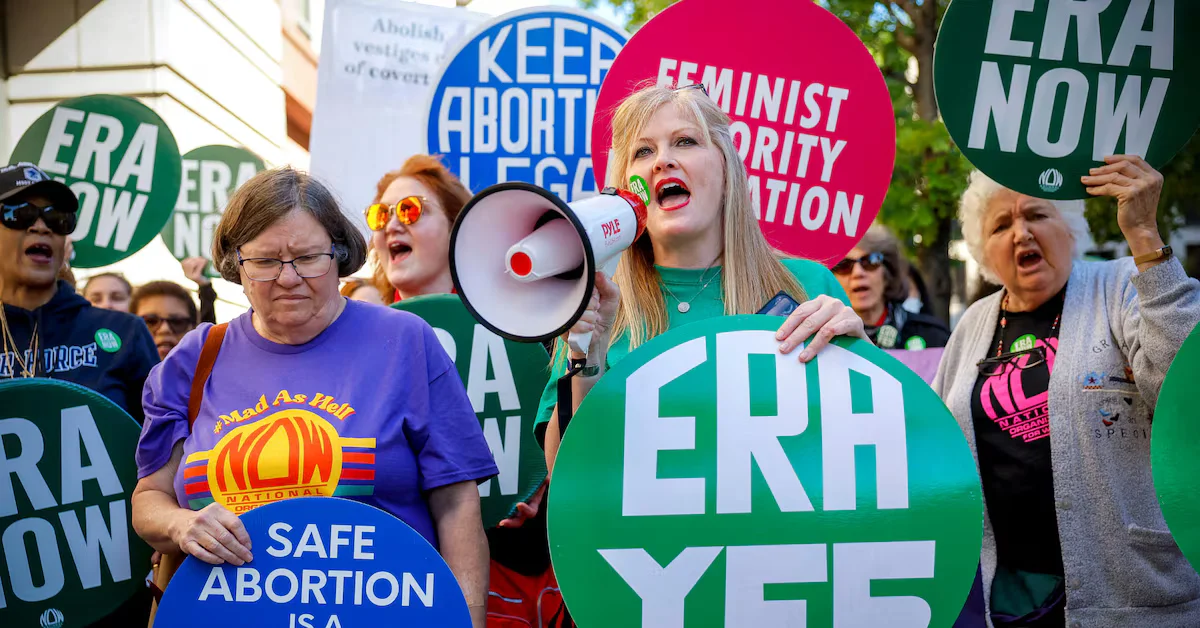
The US Senate is set to vote on a measure that could allow the Equal Rights Amendment (ERA) to be added to the Constitution, but it is expected to fail due to Republican opposition. The ERA, first proposed in 1923, would entitle women to equal pay and secure their rights in legal matters. Proponents argue that it is necessary in the wake of new abortion bans in Republican-led states, while opponents fear it could lead to making abortion rights constitutional and force women into military service.
The Senate will vote on a resolution this week to remove the 1982 deadline for states to ratify the Equal Rights Amendment (ERA), which would prohibit discrimination based on sex and explicitly state that women are equal to men in the US Constitution. The ERA was passed by Congress in 1972 but failed to be ratified by enough states before the deadline. In 2020, Virginia became the 38th state to ratify the amendment, but a federal judge ruled that the deadline had passed. The resolution is bipartisan and was written by Senators Ben Cardin and Lisa Murkowski.
Senate Majority Leader Chuck Schumer is pushing for a vote on a resolution to add the Equal Rights Amendment (ERA) to the Constitution, more than a century after it was first introduced in Congress. The ERA passed the House and Senate in 1972 but failed to meet the 38-state threshold for ratification. Sens. Lisa Murkowski and Ben Cardin are working on a bipartisan resolution to remove the seven-year deadline for ratification. Critics argue that the ERA is unnecessary given the protections of the 14th Amendment and other laws. The resolution faces an uphill battle in the Senate.