The World Economic Forum announced its 2025 Technology Pioneers, highlighting companies innovating in areas like AI, robotics, quantum computing, and sustainable solutions to address global challenges such as climate change, food security, and energy. These startups are developing breakthrough technologies to shape the future, with a focus on reducing environmental impact and advancing space and energy solutions.
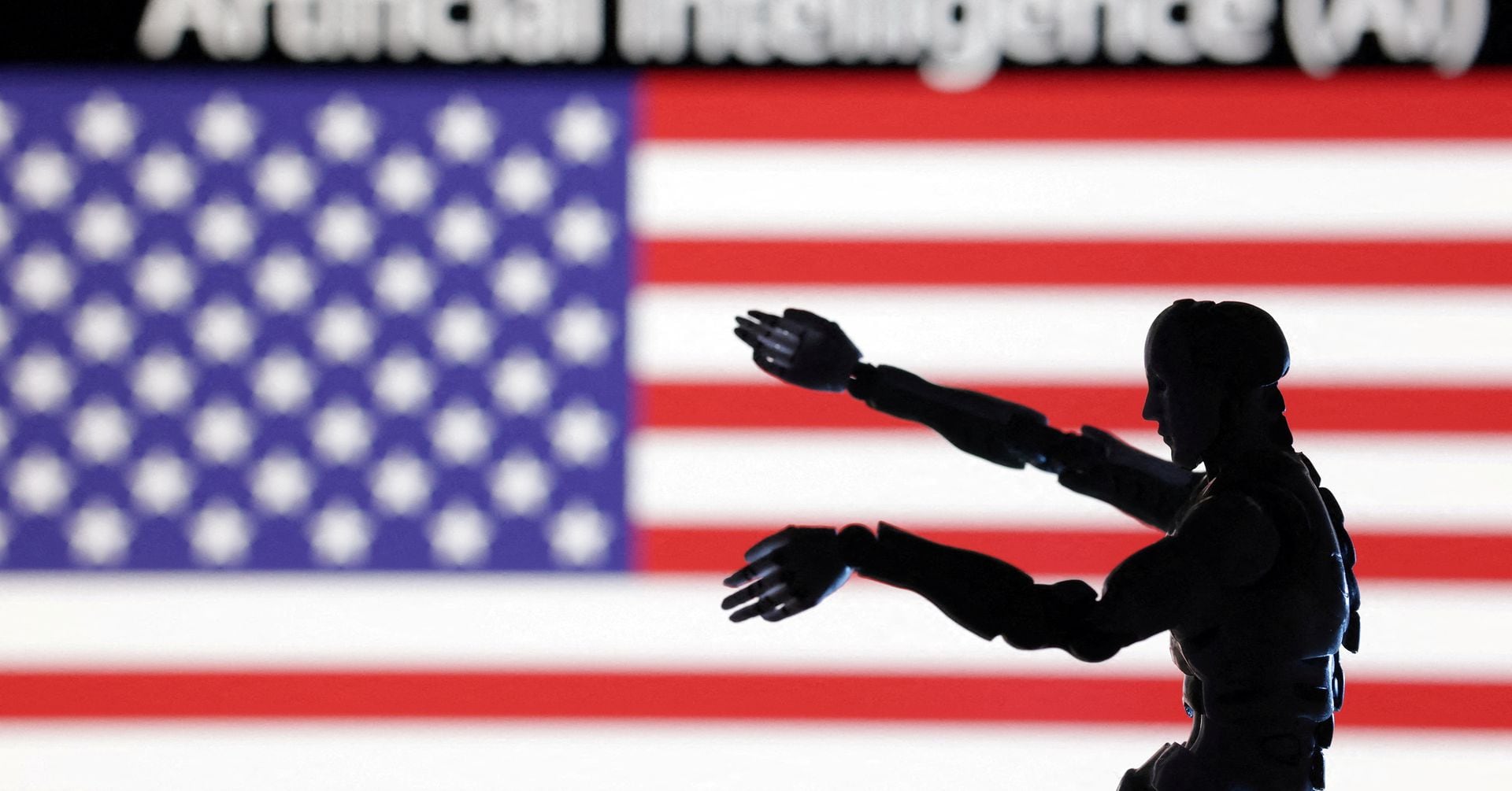
The U.S. Justice Department has appointed its first chief AI officer, Jonathan Mayer, to address the impact of artificial intelligence on federal law enforcement and the criminal justice system. Mayer, a professor at Princeton University, will advise the department on responsibly integrating AI into investigations and prosecutions, while also leading a board to assess the ethics and efficacy of AI systems. The department has already utilized AI for various purposes, such as tracing the source of illegal drugs and analyzing evidence from the Capitol attack, but officials are also mindful of potential risks, including biases and cyber threats.
The National Institutes of Health (NIH) has launched the Cancer Screening Research Network (CSRN) to evaluate emerging technologies for cancer screening, supporting the Biden-Harris administration’s Cancer Moonshot. The network will conduct clinical trials to assess multi-cancer detection tests and other promising new technologies, aiming to identify cancers earlier when they may be easier to treat. The initial activities of the network will be carried out by eight groups funded by the National Cancer Institute (NCI), with a focus on reaching diverse populations and incorporating the technologies into standard care.
The US is set to counter China's attempts to shape Unesco policymaking on emerging technologies, particularly in the field of artificial intelligence (AI). China recently voted against the US rejoining the UN cultural and science body, but 132 other states approved the move. The US sees blocking China's efforts to set global AI standards and limit its AI capabilities as a priority.
The White House national strategy for emerging technologies includes distributed ledger technology (DLT) and digital identity infrastructure, with a focus on building international standards and finding use cases in the economic sector. The strategy aims to increase U.S. leadership in the development of international standards for these emerging technologies, with collaboration between the government and private sector. DLT can find great use in building cybersecurity and privacy-based features and services, and will be actively tested in areas such as smart communities and the Internet of Things.
The US government is tracking over 650 potential cases of UFOs, according to the director of the Pentagon's All-domain Anomaly Resolution Office. While there is no evidence of extraterrestrial life, some cases could be evidence of potential technological advancements from foreign countries like Russia and China. The office is helping the Pentagon and intelligence community to identify emerging foreign technologies, including the high-altitude surveillance balloon from China that flew over US airspace in February.
The NATO Innovation Fund, the world's first multi-sovereign venture capital fund, has taken significant steps towards its establishment by appointing the first three members of its Board of Directors and announcing that The Netherlands will host the headquarters for the Fund's investment management arm. The Fund will invest €1 billion in early-stage start-ups developing emerging and disruptive technologies and other venture capital funds developing dual-use emerging and disruptive technologies.