The First Lady emphasizes the importance of disaster preparedness during National Preparedness Month, highlighting recent natural disasters, criticizing previous government responses, and outlining efforts to improve federal emergency response and support for communities.
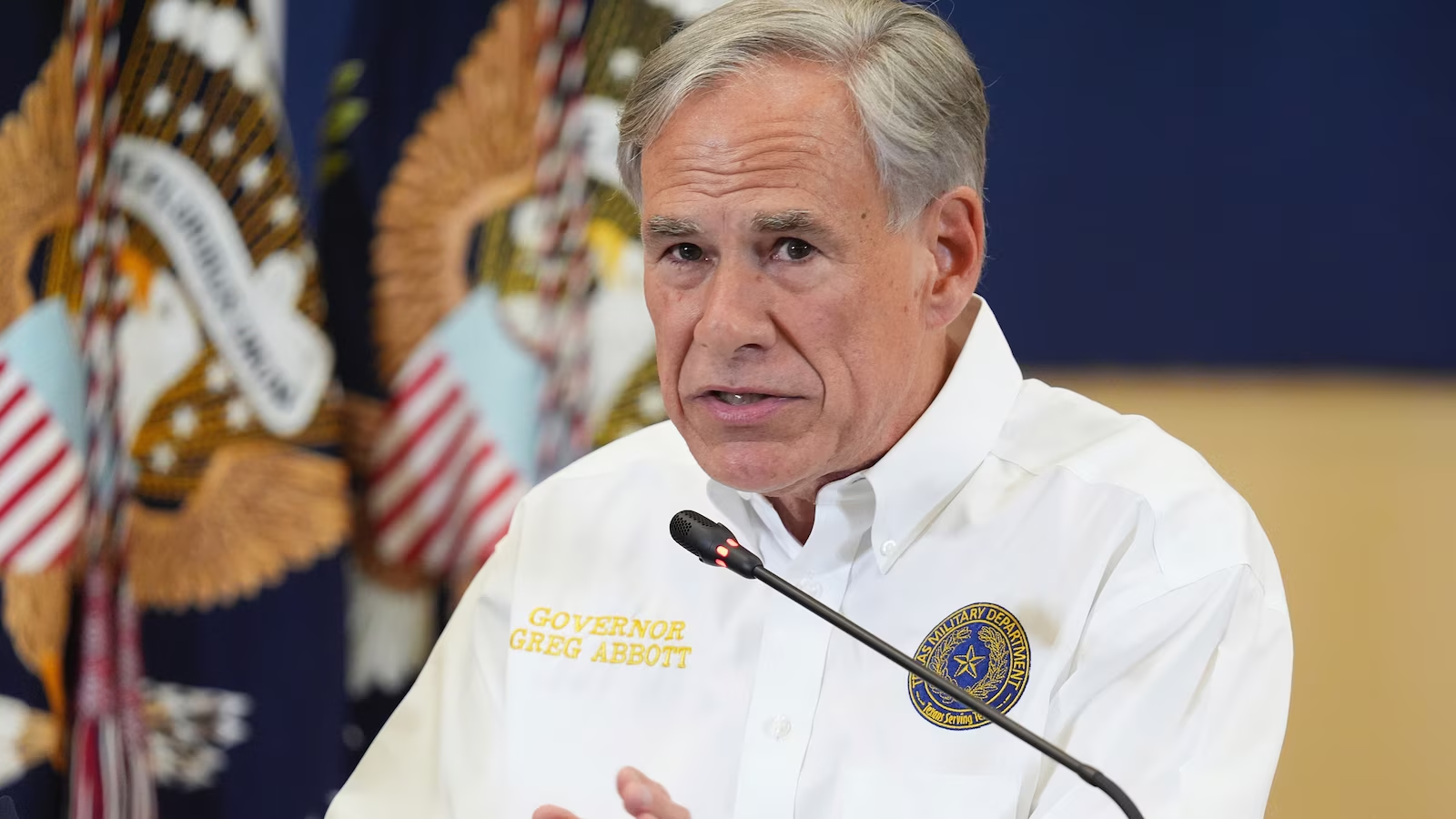
Texas Governor Greg Abbott has called a special legislative session to improve emergency procedures and early warning systems following over 130 deaths caused by recent historic floods, with discussions focusing on flood preparedness, recovery, and related legislation.
Amid rising climate-related threats and federal agency cuts, individuals are advised to stay informed through local authorities, prepare emergency supplies, understand insurance policies, and consider mental health and community support to effectively respond to disasters in the US.
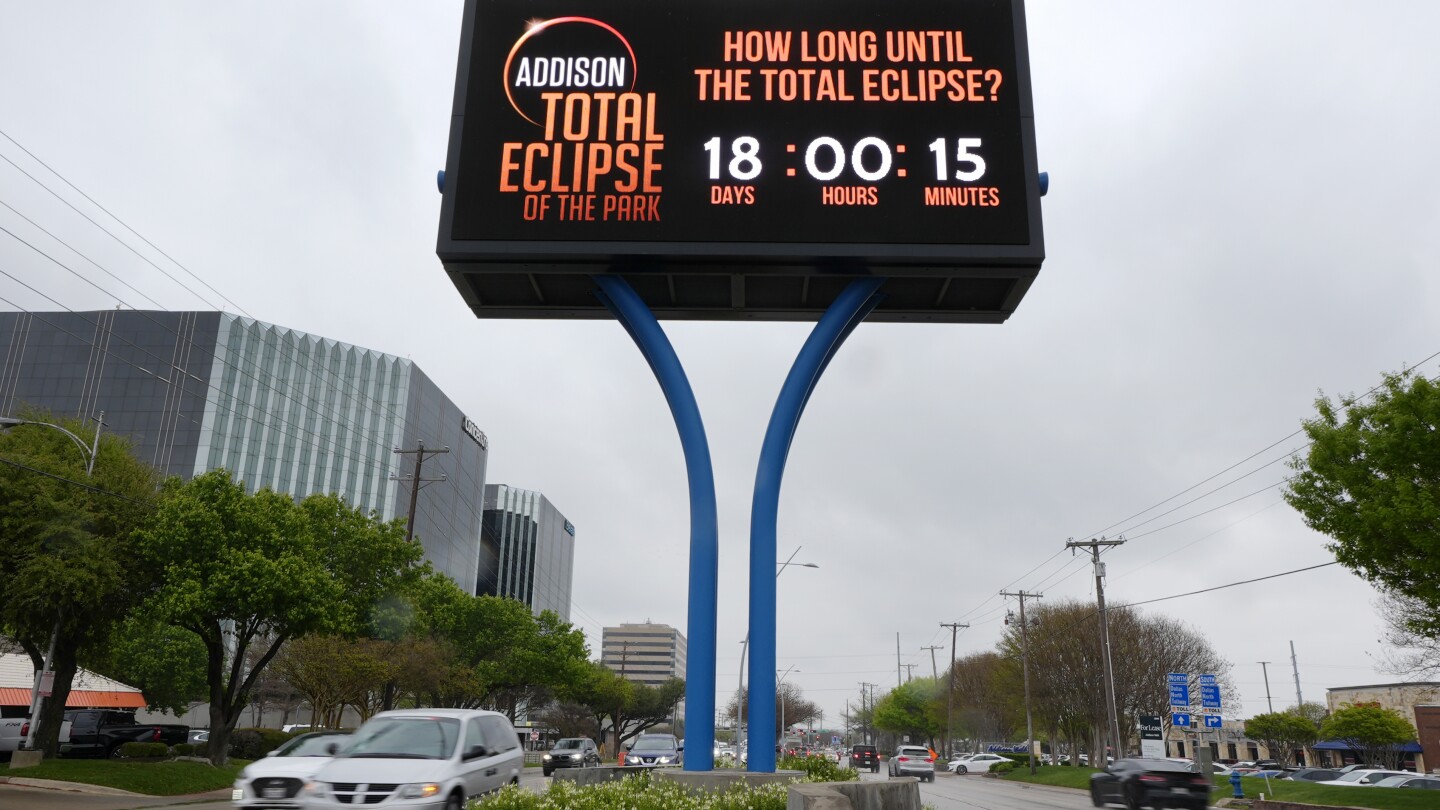
Small towns and rural areas along the path of April's total solar eclipse are bracing for huge crowds and disruptions, urging residents and visitors to stock up on groceries, fuel, and provisions, and prepare for traffic delays and potential communication issues. Emergency officials are recommending a "solar eclipse survival bag" with a mobile phone, charger, maps, and compass, while schools in several states are closing or switching to remote learning. Tourism and community leaders are taking measures to avoid a repeat of the chaos experienced during the 2017 eclipse, including trucking in extra fuel and port-a-potties, issuing disaster declarations, and preparing for an influx of visitors at airports and on the water.
The Church of Jesus Christ of Latter-day Saints offers resources and guides for emergency preparedness, including planning, home storage, financial preparedness, and emotional preparedness. They provide tips on how to start preparing for emergencies, plan financially, communicate with family during emergencies, and what to include in an emergency kit. The Church emphasizes the importance of being spiritually and temporally prepared to reduce fear and stress during disasters and emergencies.
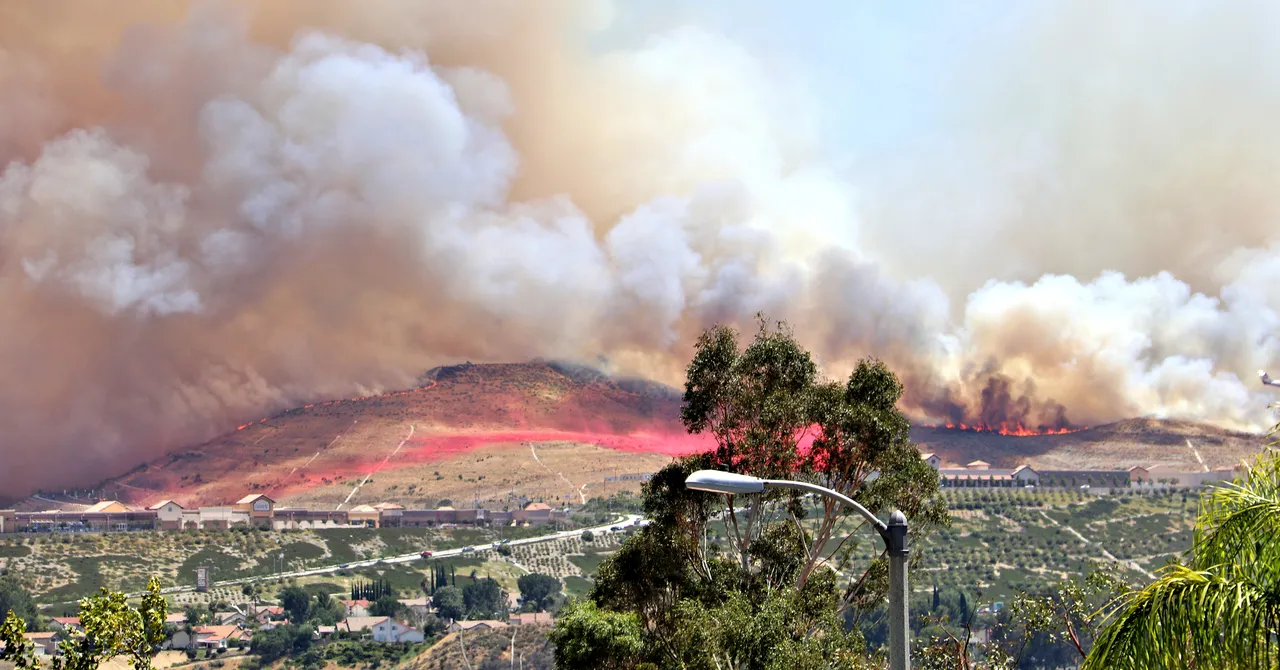
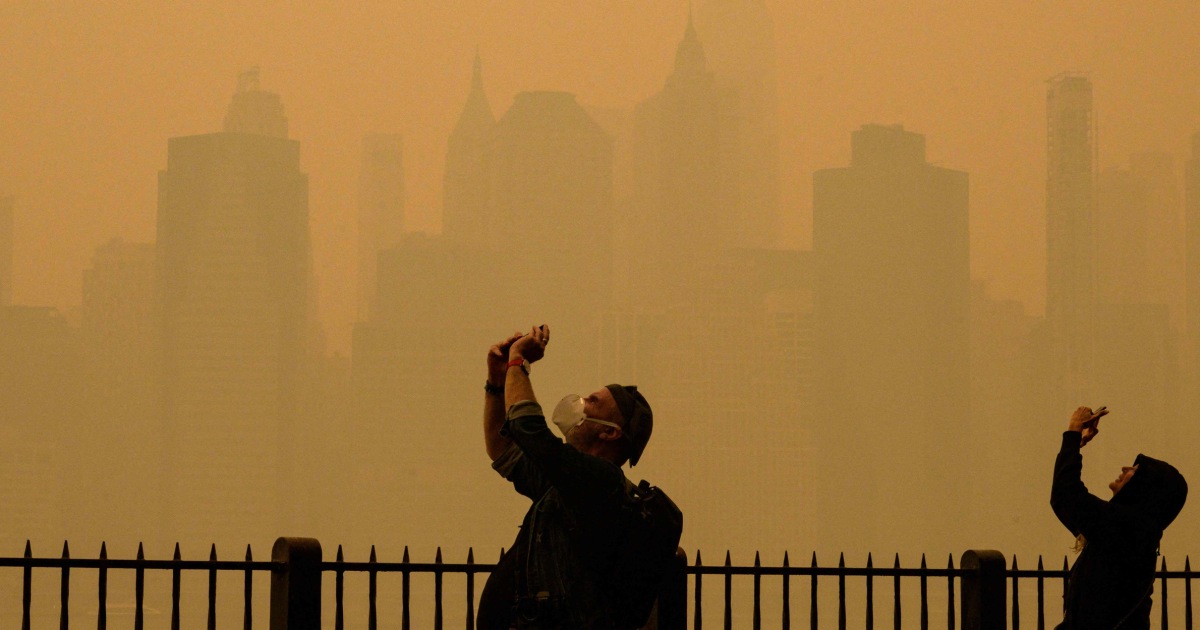
The recent smoke-filled day in New York City highlighted the need for better emergency planning for wildfire smoke, which is becoming increasingly common due to climate change. While West Coast cities have developed specific plans and actions to take during prolonged smoke events, cities on the East Coast are still catching up. Additionally, there are currently no laws in New York state to govern workers' exposures specifically to wildfire smoke. The Clean Air Act and other legislation have made marked improvements in overall air quality, but wildfire smoke is reversing that progress in parts of the country.
The latest episode of HBO's "Succession" depicts a fictional scenario where 100,000 ballots in Milwaukee go up in flames, throwing an unexpectedly close presidential election into chaos. While the show got some details wrong, such as the idea that election officials wouldn't know which ballots were destroyed, it raises the question of what would happen if something like this actually occurred. Experts say it would almost certainly end up in litigation, but a judge could grant some kind of accommodation, such as allowing voters to recast their ballots. Election officials do have real emergency plans in place to deal with the unforeseen.
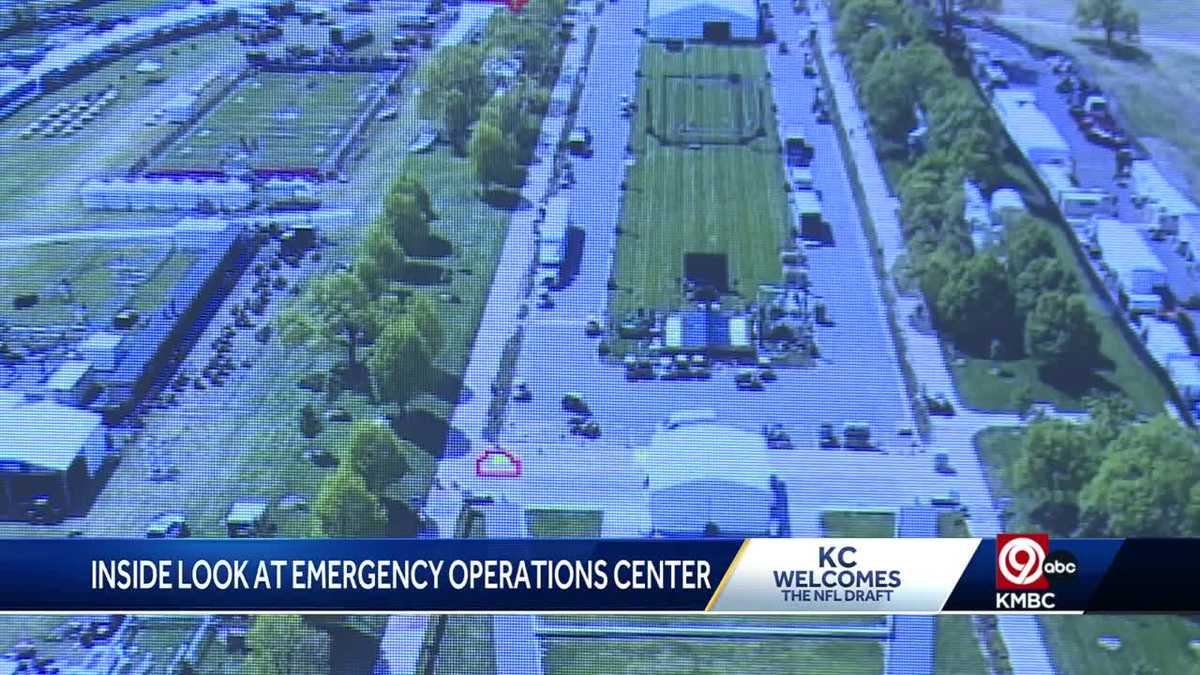
Kansas City's emergency planners are preparing for the 2023 NFL Draft by adding over 100 cameras around the Union Station area where the draft will be held, and planning for medical issues and worst-case scenarios. The fan experience will include a 40-yard dash, a Hail Mary passing area, and a field goal-kicking location, so medical services will be available on-site. The off-site emergency operations center will support NFL Control, which will have federal and local law enforcement, NFL leaders, and Kansas City Fire Department officials who will make all the decisions on what actions need to take place in case of issues. Outside agencies will be helping the Kansas City Fire Department cover the entire city for emergency services during the draft.