The U.S. Department of Energy has taken a 5% equity stake in Canadian lithium miner Lithium Americas and its Nevada project through no-cost warrants, as part of a renegotiation of a $2.26 billion loan, aiming to boost domestic lithium production for electric vehicle batteries and reduce reliance on foreign sources.
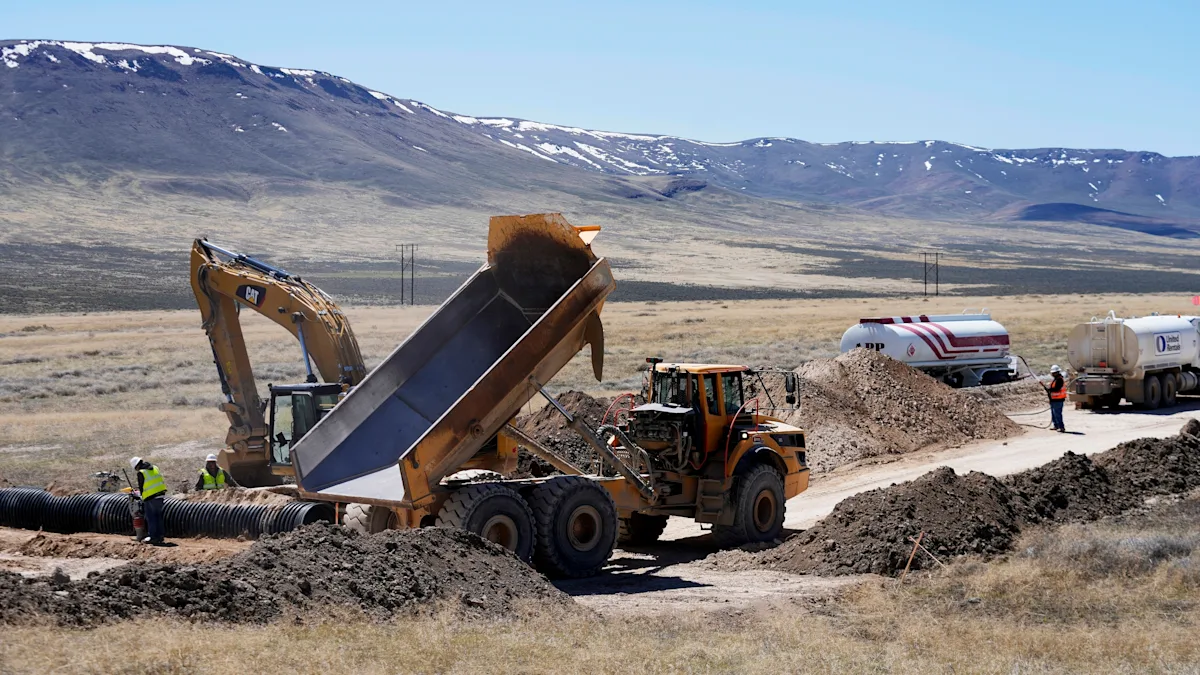
The US government is moving towards acquiring a small equity stake in Lithium Americas, the developer of the Thacker Pass lithium mine in Nevada, as part of a restructuring of a $2.3 billion federal loan to support the project, which is crucial for electric vehicle battery production and involves significant corporate and government investment.
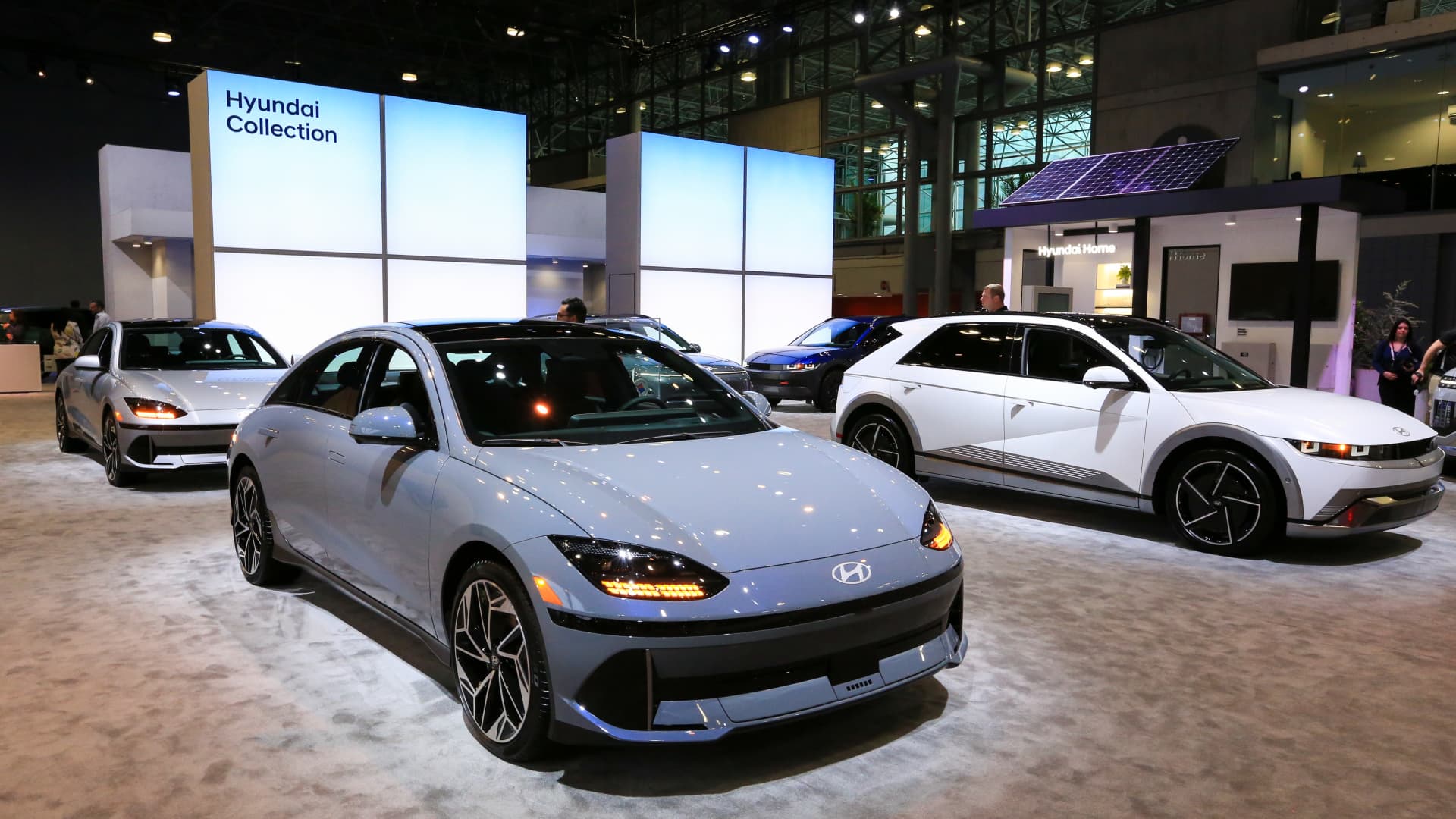
Hyundai Motor has raised its revenue expectations for 2024 despite U.S. tariffs impacting its profit margins, and reaffirmed its growth plans to increase global sales to 5.55 million units by 2030, amid ongoing U.S.-South Korea trade tensions and a significant immigration raid at a Hyundai-LG battery plant in Georgia.
The U.S. Department of Energy has granted Lithium Americas a conditional commitment loan of $2.26 billion to finance the construction of processing facilities at its Thacker Pass project in Nevada, with plans to start major construction in the second half of this year. The project aims to become North America's largest source of lithium for electric vehicle batteries and is expected to reach full-capacity production in 2028, targeting a production capacity of 80,000 tonnes per annum of battery-quality lithium carbonate. As a result, Lithium Americas' U.S.-listed shares rose 7.3% to $6.15 in premarket trading.
Exxon Mobil plans to enter the lithium production sector and aims to start producing the electric vehicle (EV) battery metal in Arkansas by 2026. The company plans to produce at least 10,000 metric tons per year of lithium in partnership with Tetra Technologies, which would be equivalent to the amount needed for 100,000 EV batteries. Exxon has been drilling wells in Arkansas to study lithium-rich brine deposits and has been testing direct lithium extraction (DLE) technology. The move into lithium production offers Exxon the opportunity to sell a new product with relatively little added cost and reduce carbon emissions. However, regulatory challenges and the absence of a royalty structure for lithium in Arkansas could potentially delay development.
In a recall election in Green Township, Michigan, voters removed five local officials who supported a Chinese company's plan to build a factory for electric vehicle batteries. The officials, who were defeated by challengers with no party affiliation, had voted in favor of the project, which could bring thousands of jobs but has faced criticism over potential environmental impacts and concerns about national security. The factory, valued at over $2 billion, has the support of state officials, including Governor Gretchen Whitmer, but opponents argue that Chinese companies serve the Chinese government.
LG Chem, a South Korean chemical maker, has partnered with China's Huayou Group's subsidiary Youshan to build a joint electric vehicle battery material plant in Morocco. The plant, set to start production in 2026, aims to produce 50,000 tonnes of lithium-phosphate-iron (LFP) cathode materials annually. LG Chem is entering the LFP cathode business to meet the growing demand for cheaper LFP batteries as the auto industry seeks to produce more affordable electric vehicles. LG Chem also plans to build two other facilities in Indonesia, including a precursor plant and a plant for extracting mixed hydroxide from nickel ore.
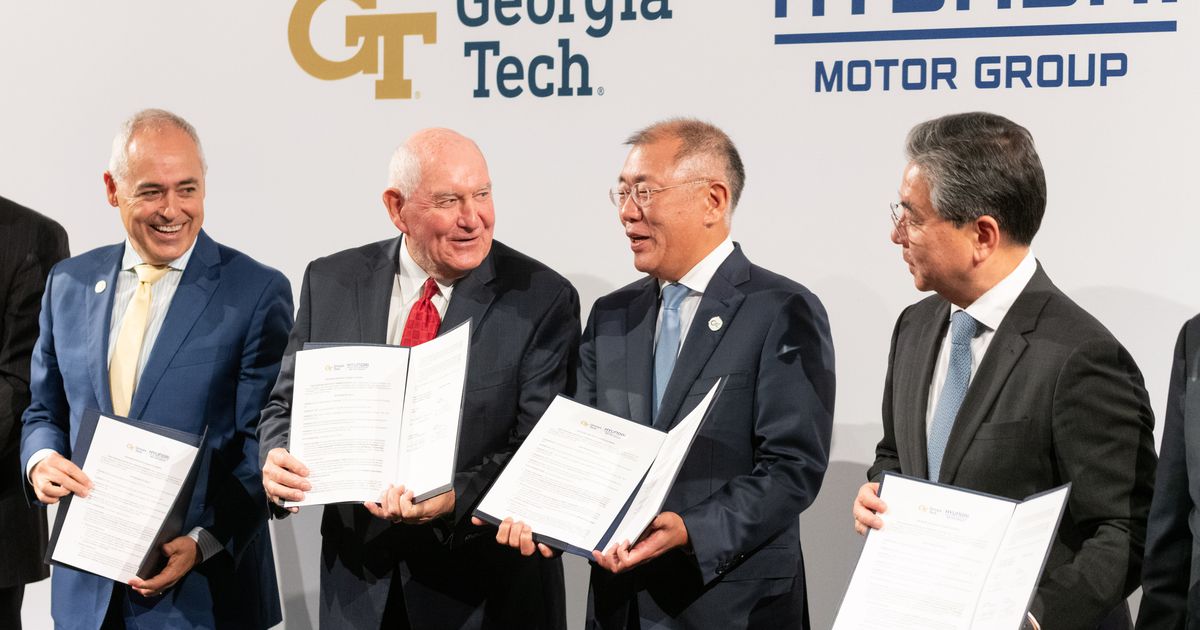
Hyundai Motor Group has partnered with Georgia Tech to collaborate on research and development of hydrogen-fueled engines for large trucks and electric vehicle batteries. The agreement formalizes their partnership on EV and hydrogen research and establishes workforce training for Hyundai's EV and battery factory in Georgia. Hyundai's focus on hydrogen could pave the way for Georgia's first network of hydrogen-powered commercial vehicles. The partnership will explore hydrogen sourcing and fuel-cell improvements. The collaboration will also help Hyundai connect with young engineers and potential workers, as the company plans to employ thousands in the coming years.
Stellantis and Samsung SDI have announced plans to open a second joint-venture plant in the US to produce electric vehicle batteries, with production set to begin in 2027. The location and investment details are yet to be finalized. The plant will have an initial production capacity of 34 GWh and will support Stellantis' goal of offering at least 25 new battery electric vehicles in North America by the end of the decade. This is part of Stellantis' broader plan to achieve 100% electric passenger car sales in Europe and a 50% electric mix in the US by 2030.
A bipartisan group of US lawmakers will meet with the CEOs of Ford and General Motors to urge them to reduce their reliance on Chinese auto parts, particularly electric vehicle batteries. The lawmakers will also meet with executives from auto suppliers including BorgWarner, Continental, Bosch, Tenneco, and battery startup Our Next Energy. The focus on Chinese auto parts comes after US Secretary of State Antony Blinken's visit to Beijing failed to produce any major breakthroughs. The $430 billion Inflation Reduction Act signed by President Joe Biden aims to wean US EV production from Chinese supply chains by imposing new conditions on EV tax credits.