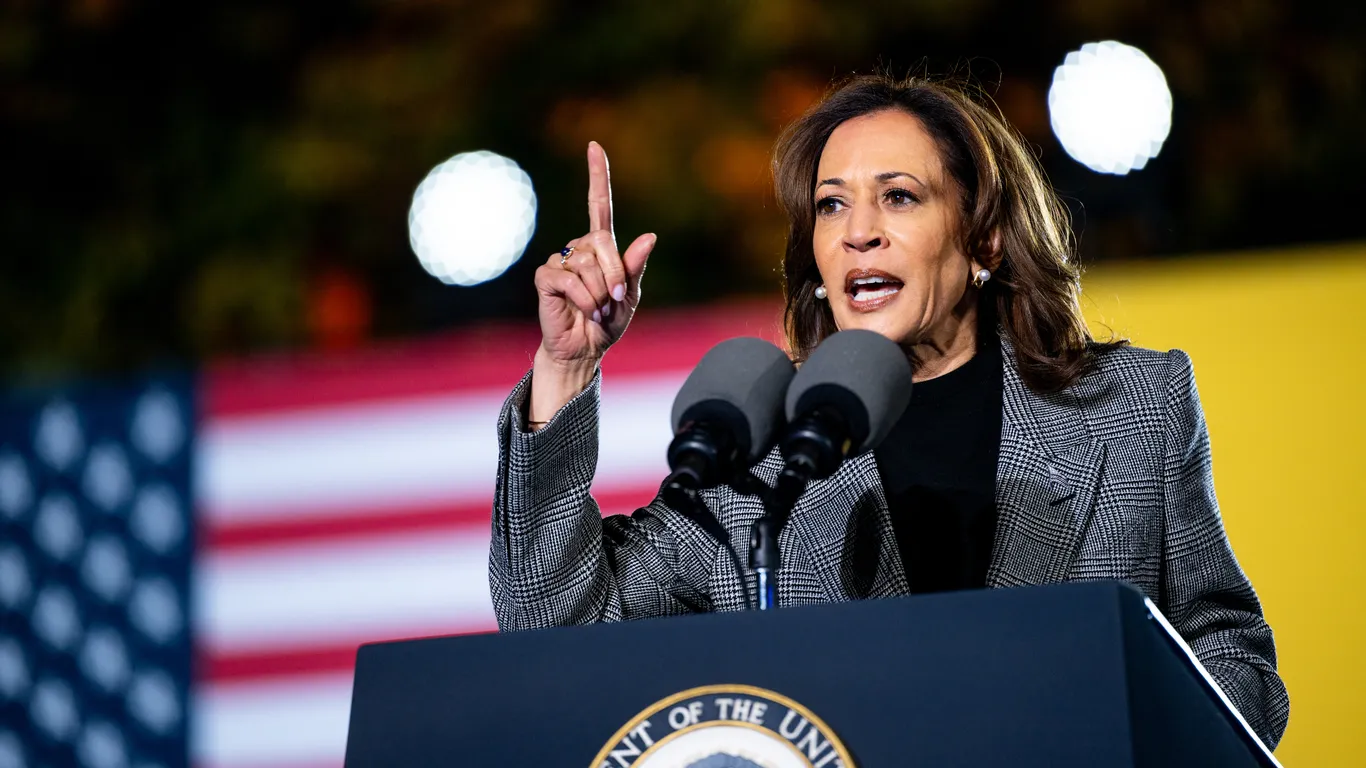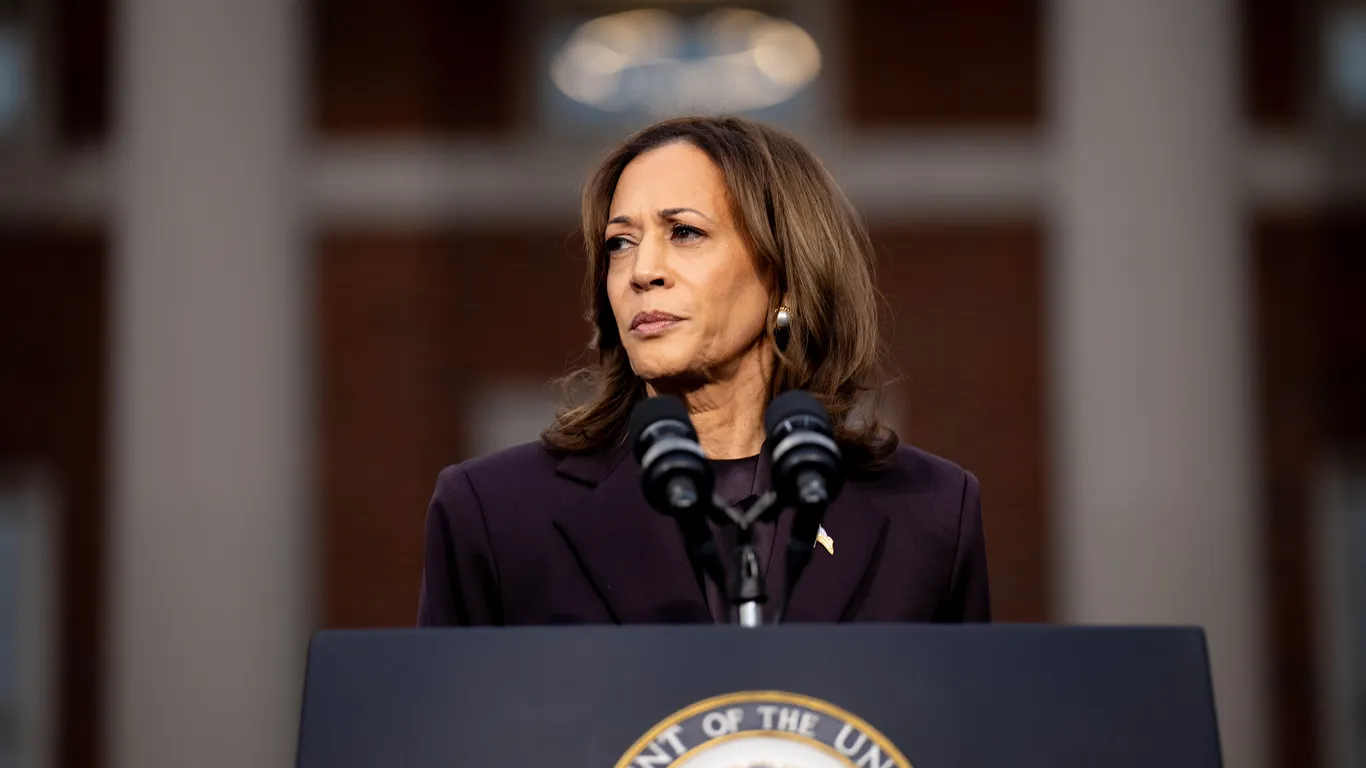
Top leaders of Vice President Harris' campaign defended their strategy in a post-election interview, attributing her loss to challenging political headwinds, including President Biden's unpopularity and economic concerns. They rejected criticisms of their focus on Trump and defended their outreach efforts, while acknowledging Trump's effectiveness in reaching young men. The campaign leaders emphasized the need for Democrats to address internal disunity and cultural appeal to improve future electoral prospects.
In a revealing interview, leaders of the Harris-Walz campaign discuss the challenges and strategic decisions during the 2024 election. They highlight the difficulties of defining Kamala Harris as a candidate in a short timeframe, the impact of high Trump turnout, and the need to address economic concerns. The campaign faced a tough political environment with low approval ratings for the incumbent administration and a strong desire for change among voters. Despite efforts to counter negative ads and define Harris's vision, the campaign struggled to overcome these obstacles, ultimately falling short in the election.
Vice President Kamala Harris's campaign is under scrutiny for its spending strategy after a significant loss to President-elect Trump, leaving the campaign $20 million in debt. Despite facing challenges due to President Biden's late exit, the campaign's spending on high-profile events and its overall financial management are being questioned by Democrats. Some strategists suggest alternative spending strategies could have been more effective, while others call for an audit to understand the campaign's financial decisions. The campaign maintains that its fundraising efforts kept the race competitive in key battleground states.
The Harris campaign is optimistic about early voting results in Pennsylvania and other key battleground states, with nearly 1.8 million mail ballots cast in Pennsylvania, 56% of which are from Democrats. This marks a shift from 2020 when Democrats had a larger share of mail ballots. Despite this optimism, the campaign continues its efforts, with extensive door-knocking and volunteer engagement. Current polling shows a tight race in Pennsylvania, with former President Trump holding a slight lead, while nationally, the race is tied.
The Harris campaign is optimistic about its chances in the upcoming election, citing strong early voting turnout among young and Black voters in key battleground states. Despite being the underdog, the campaign has mobilized over 90,000 volunteers to knock on millions of doors, aiming to sway undecided voters. Meanwhile, the Trump campaign is described as closing with a message of 'darkness and anger,' and Harris officials are prepared for potential post-election challenges. Both campaigns remain confident as the race remains tight in crucial swing states.