The article discusses the rise of ARFID, a childhood eating disorder characterized by severe food avoidance often linked to anxiety or traumatic experiences, highlighting cases like Amelia's and exploring its diagnosis, treatment, and the impact on families.
Emily Simpson from The Real Housewives of Orange County revealed her 10-year-old son Luke's diagnosis with ARFID, a condition causing food avoidance due to texture or fear of choking, highlighting the challenges of recognizing and managing eating disorders in children, especially boys.
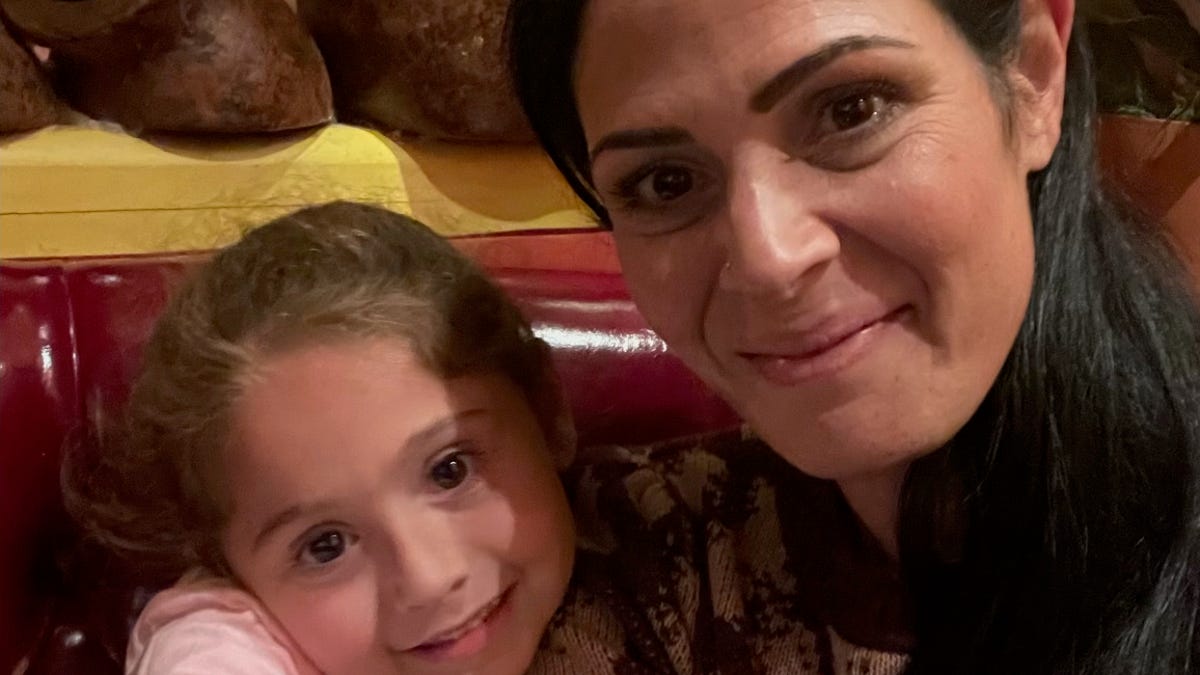
An eight-year-old girl named Hannah from Los Angeles has gained attention on Instagram for sharing her journey with avoidant restrictive food intake disorder (ARFID), a rare eating disorder characterized by severe anxiety and fear surrounding food. Managed by her mother, Hannah's account has garnered 1.5 million followers, with many expressing support and relating to her experiences. Through her Instagram journey, Hannah has tried 107 new foods, liked 41 of them, and found seven new safe foods, marking a significant improvement in her condition. Her mother hopes to launch a nonprofit to provide low-income individuals with access to ARFID therapy, while Hannah remains determined to continue trying new foods and improving her overall well-being.
The author shares her personal experience with avoidant/restrictive food intake disorder (ARFID) and how she cured it using psilocybin-containing mushrooms in a self-guided therapy. ARFID, often seen as extreme picky eating, is poorly understood and lacks effective treatments. The author's desperation led her to explore alternative options, and after self-administering psilocybin, she experienced a transformative healing of her lifelong eating disorder. While the risks and lack of research make it impossible to recommend this approach to others, the author highlights the need for more innovative treatments for conditions like ARFID.
Avoidant/restrictive food intake disorder (ARFID) is an eating disorder characterized by an inability to eat certain foods due to aversion to taste, smell, or texture, fear of choking, or lack of interest in eating. People with ARFID may have sensory issues or may have experienced a traumatic event that leads to food avoidance or restriction. ARFID is different from other eating disorders that cause people to restrict calories due to a fear of gaining weight or distorted body image. Treatment for ARFID typically involves a combination of medical, nutritional, and psychological interventions. Raising awareness of ARFID can help reduce the shame that many people feel about having the disorder.
A tween diagnosed with emetophobia, a fear of vomiting, developed avoidant/restrictive food intake disorder (ARFID) and was severely underweight. She was put on a feeding tube to get essential nutrients and received professional help. Her parents discovered that emetophobia was the underlying cause of her ARFID. She received counseling and exposure therapy but quit after a month. She was admitted to a third clinic and is doing much better, receiving more exposure therapy to help with ARFID and emetophobia.
An 11-year-old girl nicknamed Vivi was diagnosed with emetophobia, a fear of vomiting that stopped her from eating. She was severely underweight and was put on a feeding tube to get essential nutrients. Vivi was diagnosed with avoidant/restrictive food intake disorder (ARFID) and was admitted to a residential center for eating disorders. Her weight was relatively stable until earlier this year when she was admitted to a third clinic. She's now eating regular meals, getting 2,000 calories a day from food like buttered noodles, Nutella sandwiches, and yogurt.