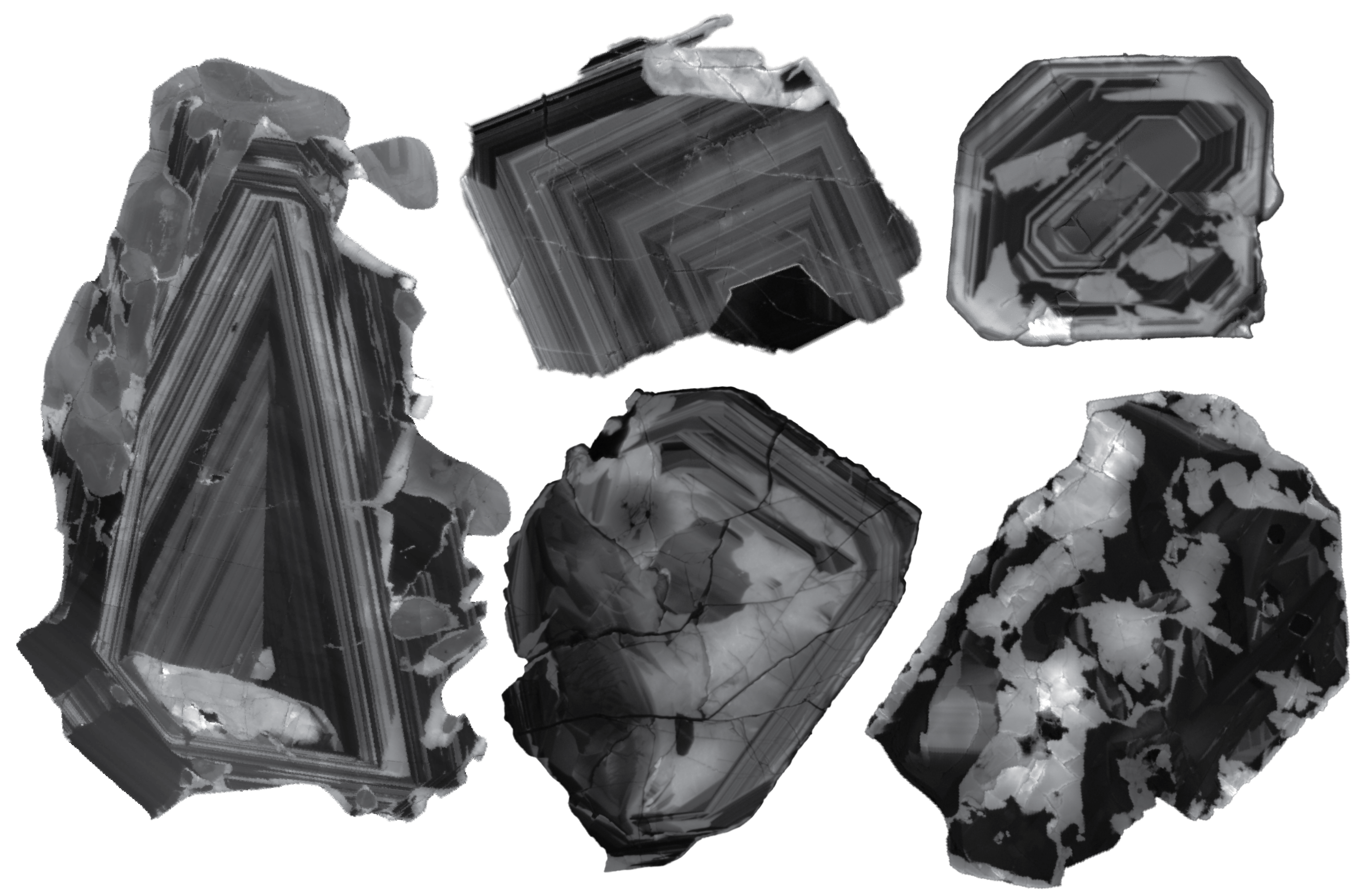
A new study links the formation of a massive niobium-rich deposit in Australia to the breakup of the supercontinent Rodinia around 830 million years ago, revealing insights into Earth's mantle processes and mineral resources.
Scientists have challenged the long-held theory that the Himalayas are supported solely by a doubled crust beneath the mountain range. New research indicates that a layer of mantle material, sandwiched between the crusts of the Indian and Asian plates, provides the necessary buoyancy and strength to sustain the Himalayas' height, reshaping our understanding of Earth's geological structure.
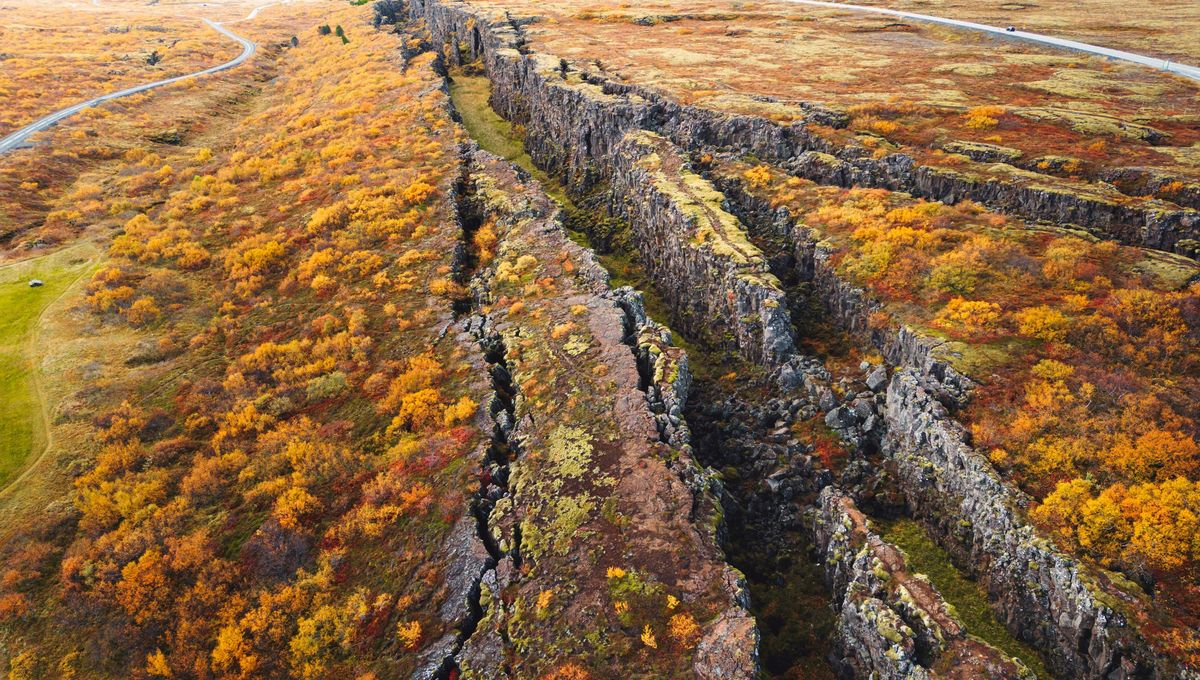
Tectonic plates are the outermost layer of the Earth's crust, floating on the weaker asthenosphere below, allowing them to move. There are seven major plates, including the Pacific Plate, and at least five minor plates, such as the Philippine Sea and Cocos plates. However, some geologists argue that there are more minor plates, bringing the total to 15. Additionally, there are microplates formed at major plate boundaries, but their number is difficult to define. The total number of tectonic plates may change as scientists continue to study and define them.