Connecticut Governor Ned Lamont has announced three tax relief measures that will take effect in 2024, including the largest income tax reduction in state history, an increase in the Earned Income Tax Credit for low-income workers, and an expansion of exemptions on certain pension and annuity earnings for seniors. These measures are expected to reduce taxes for Connecticut taxpayers by approximately $460.3 million and benefit over one million tax filers.
Over 700,000 Michigan households will receive tax credit checks averaging $550 in February 2024 as part of the state's Working Families Tax Credit, which was increased to match the federal Earned Income Tax Credit. The expansion applies retroactively to 2022, and eligible individuals will receive a check to make up the difference between the original 6% credit and the new 30% rate. The governor stated that the tax credit directly benefits half of Michigan's children and can be used for bills, food, and school supplies.
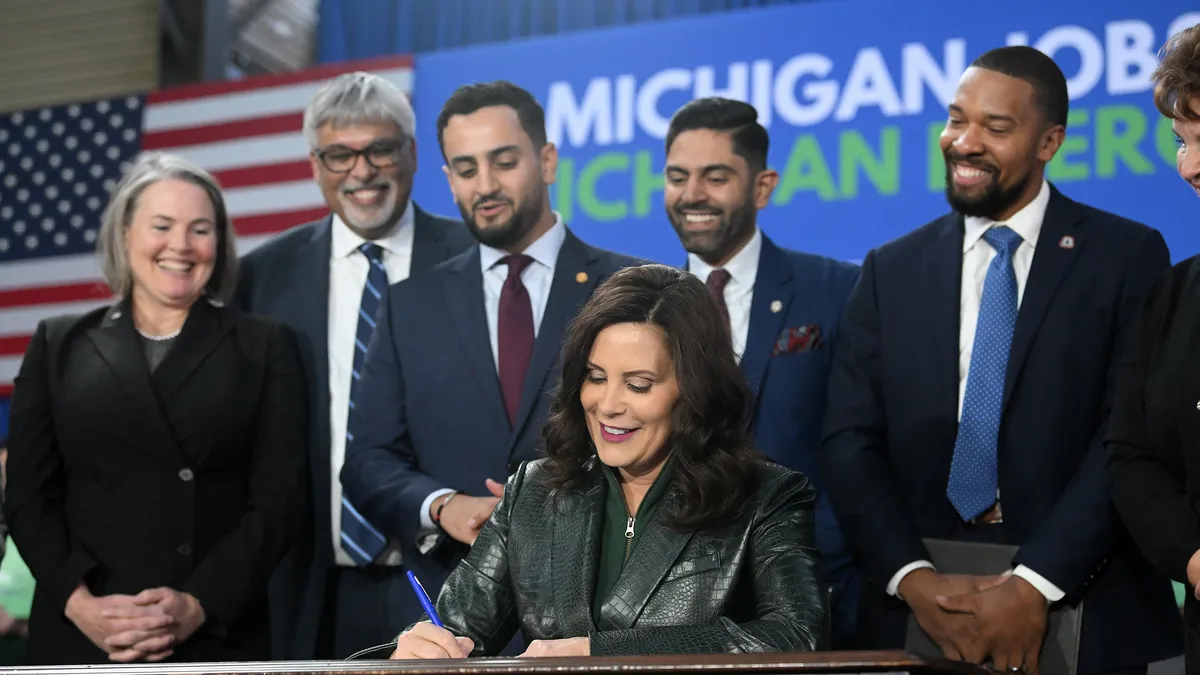
Starting February 13, 2024, around 700,000 households in Michigan will receive an average of $550 as part of the expanded Earned Income Tax Credit (EITC). The checks, which are a result of a tax overhaul signed by Governor Gretchen Whitmer, aim to provide relief for retirees and low-income earners. The new law expands the state's EITC from 6% to 30% of the federal credit. The payments are expected to take up to six weeks to distribute and will benefit families in paying bills, buying groceries, and purchasing school supplies.
Governor Gretchen Whitmer of Michigan announced that approximately 700,000 households in the state will receive refund checks averaging $550 early next year. The checks are part of an overhaul of Michigan's tax policies, which increased the Earned Income Tax Credit (EITC) for low- and moderate-wage workers. The checks will be the difference between the 6% tax credit received on their tax return and the 30% owed under the new law. Eligible residents do not need to submit additional paperwork, and the checks will be automatically processed and mailed on a rolling basis.
Over 700,000 Michigan households will receive checks averaging $550 in February 2024, as part of a tax credit to benefit working families. The checks will make up the 24% difference owed on their 2022 tax returns after the state's Earned Income Tax Credit was increased to 30% to match federal standards.
The Internal Revenue Service (I.R.S.) is changing its audit practice to reduce enforcement disparities that have disproportionately targeted Black taxpayers. The agency will overhaul how it scrutinizes tax returns claiming the earned-income tax credit, which is aimed at alleviating poverty. Historically, tax returns claiming this credit have been more likely to be audited, with audit rates for Black Americans being three to five times higher than for other taxpayers. The I.R.S. aims to use the $80 billion it received to target wealthy taxpayers and make the tax system more equitable. The changes include adjusting how the I.R.S. considers information about children's residency and dedicating more resources to helping taxpayers fix mistakes.
The IRS says $1.5 billion in tax refunds remain unclaimed from the 2019 tax season, with the average refund totaling $893. You'll have to file by July 17 to get your cut. Even if you didn't need to file a return, your employers might still have overpaid on your taxes, putting you in line for a refund. Some people are eligible for an even larger payout: up to $6,557, if you qualified for the Earned Income Tax Credit (EITC).
The IRS has confirmed that Black taxpayers are more likely to face an audit, with a recent study finding that they are audited three to five times more than other Americans. The IRS is now considering changes to address the disparity, including examining algorithms for audits of filers claiming the earned income tax credit. The agency has dedicated significant resources to address the issue and will not consider race as part of the audit selection process. Senate Finance Committee Chair Ron Wyden called the findings a "shameful consequence" of racial discrimination and said the previous decade of IRS budget cuts made it "virtually impossible to enforce our tax laws fairly."