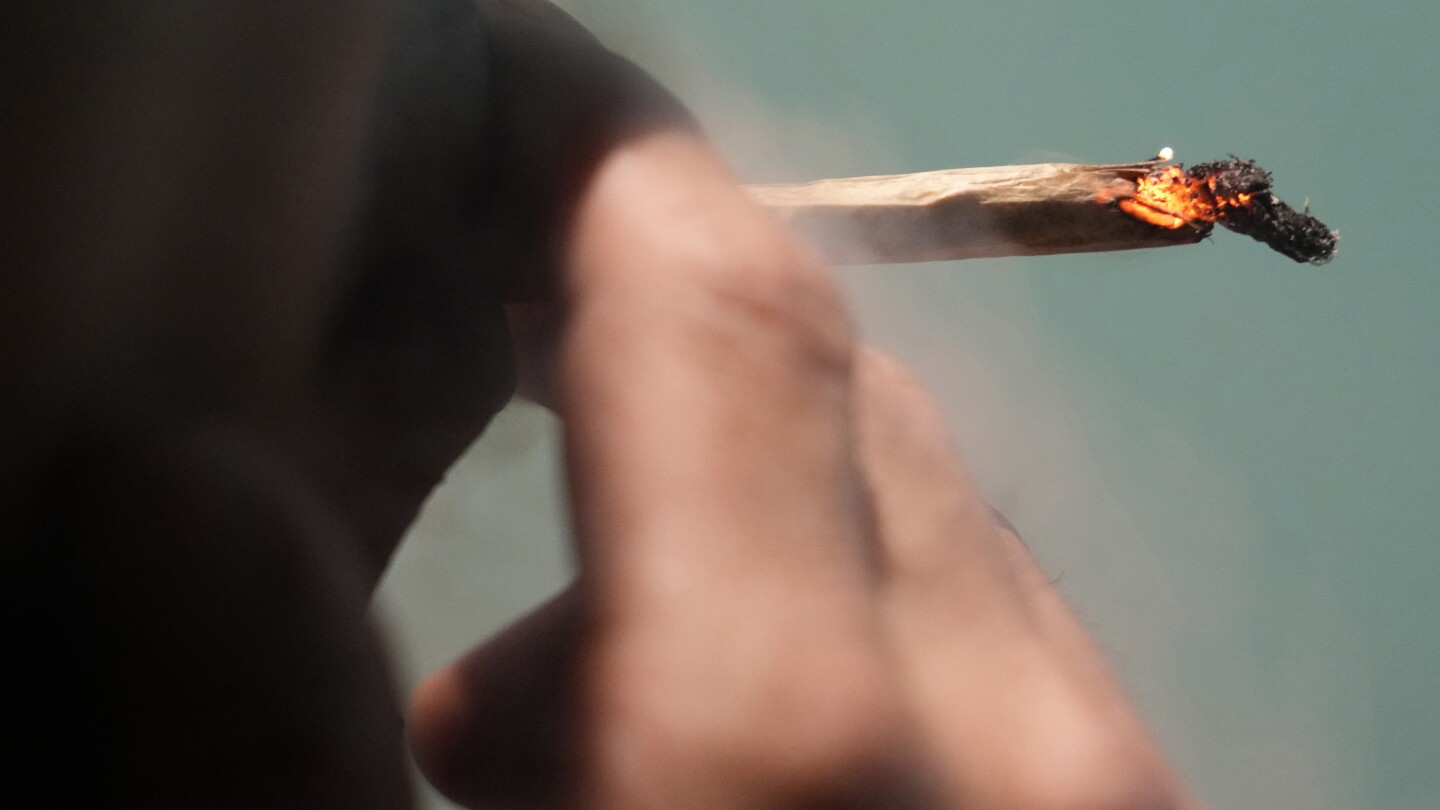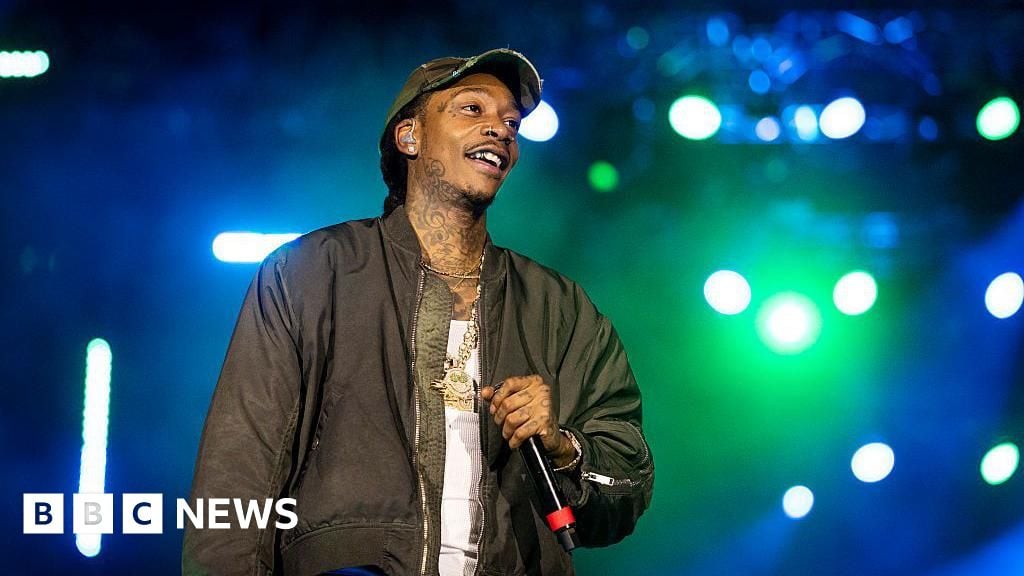
Wiz Khalifa was sentenced to nine months in Romanian prison for smoking cannabis on stage during a festival, with the court citing his act as encouraging drug use among youth. The rapper, who was not present at the sentencing, has not been extradited and the likelihood of serving time in Romania is low due to legal and diplomatic factors.
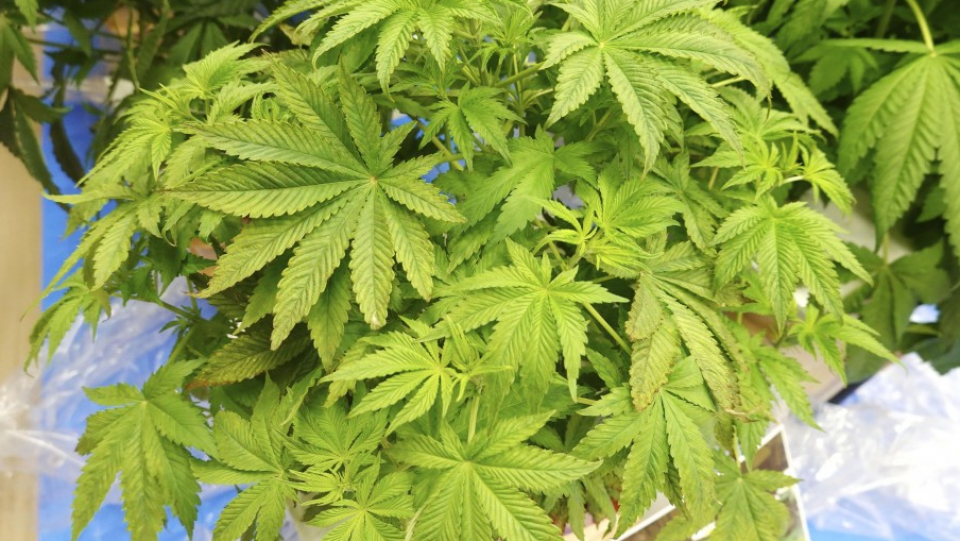
Japan has enacted revised laws criminalizing the use of cannabis and THC, with penalties including up to seven years in prison, amid rising drug abuse among young people. While possession and cultivation were already illegal, the new laws classify these substances as narcotics. The revisions also legalize medical cannabis products proven safe and effective, aligning with international practices. In 2023, cannabis-related investigations in Japan surpassed those for methamphetamine, with a significant portion involving individuals under 30.
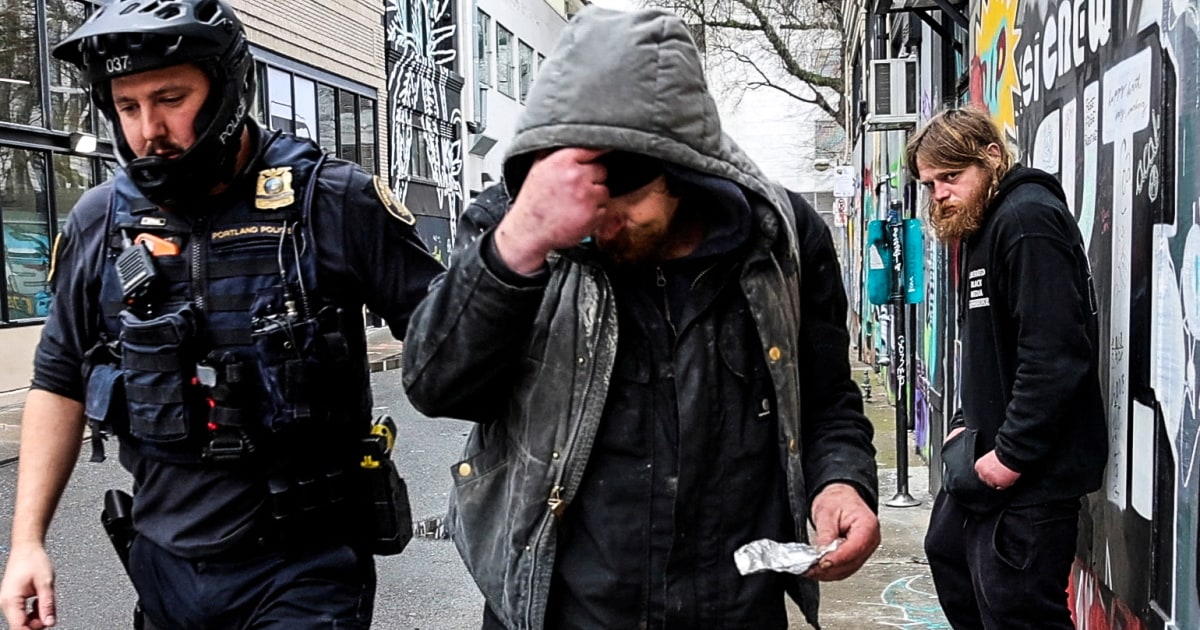
Oregon Governor Tina Kotek signed a bill reversing the 2020 voter-approved initiative that decriminalized small amounts of hard drugs, reclassifying possession as a misdemeanor punishable by up to six months in jail. The move aims to address a deepening addiction and overdose crisis, with drug treatment offered as an alternative to criminal penalties. Advocates of the original measure criticized the lack of effective implementation and access to treatment services, while opponents argued that decriminalization exacerbated drug abuse. The new law represents a shift away from progressive drug policies, sparking debate over the best approach to tackling drug addiction and the justice system.
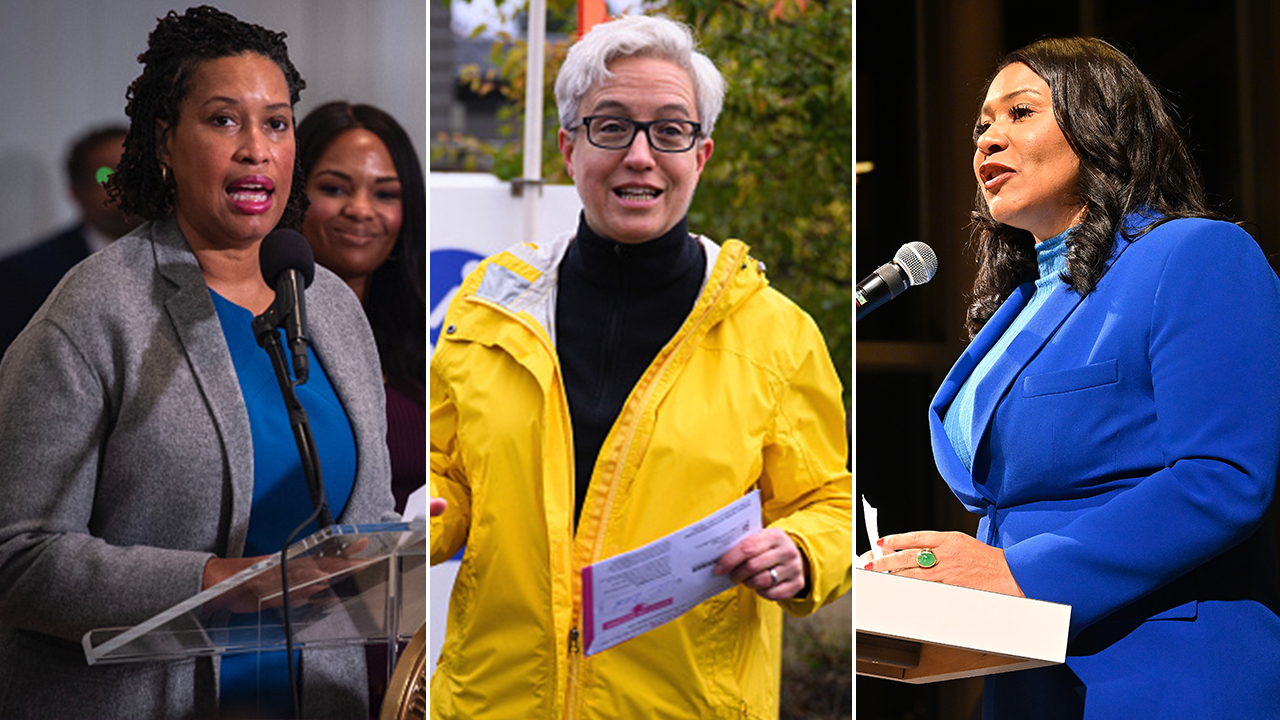
Liberal strongholds like San Francisco, Washington D.C., and Oregon are reversing course on progressive crime policies by passing new laws to crack down on drugs and rising crime. San Francisco voters approved measures requiring drug screenings for welfare recipients, while Washington D.C. passed a sweeping anti-crime bill and Oregon voted to recriminalize certain drugs. Critics argue that soft-on-crime policies have led to suffering and disorder, prompting these cities to prioritize law and order. However, not all cities are united in pushing back on crime policy, with some like Austin, Texas and New York City instituting stricter rules amid a rise in crime.
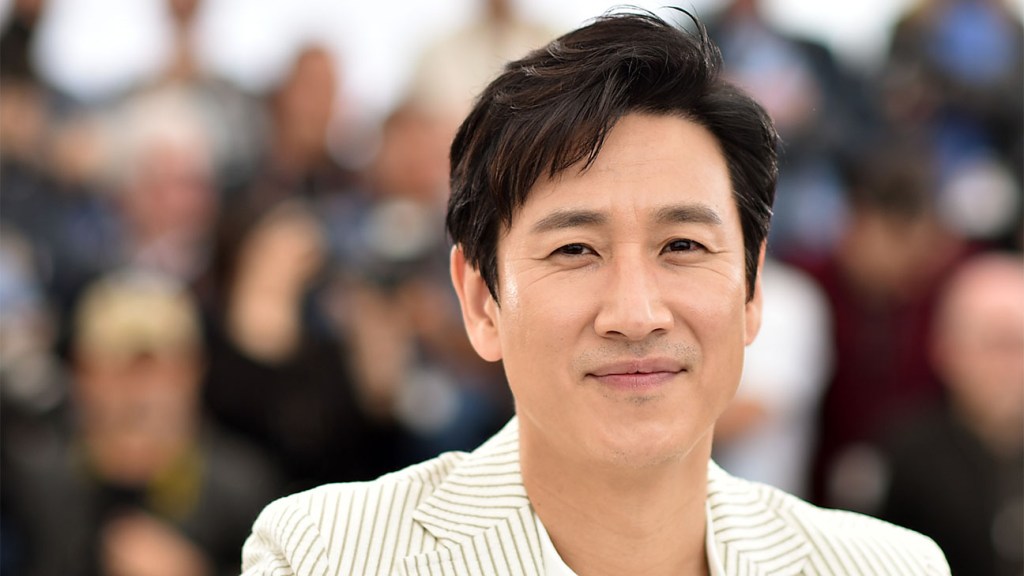
Prominent Korean filmmakers and arts organizers are calling for an investigation into the circumstances surrounding the death of Parasite star Lee Sun-kyun, who died at age 48 of an apparent suicide. Lee had been under police investigation for suspected illegal drug use, which he denied, and his death has reignited discussions about mental health and the pressures faced by entertainers in South Korea. The Association of Solidarity Among Cultural Artists, including figures like Bong Joon-ho, will hold a press conference to urge authorities to prevent similar tragedies and revise laws to protect artists' human rights.
Thailand's de facto legalization of marijuana has attracted a wave of tourists from Asian countries where drug laws are strict, including Japan, Malaysia, China, and the Philippines. While many Asian nations still have harsh penalties for cannabis offenses, Thailand's cannabis industry has grown rapidly, with weed dispensaries becoming as common as convenience stores in some parts of Bangkok. The majority of customers in these shops are foreigners, and about half of them are first-time weed users. However, Asian tourists tend to be more cautious and discreet, preferring to smoke their purchases indoors due to fear of legal issues.