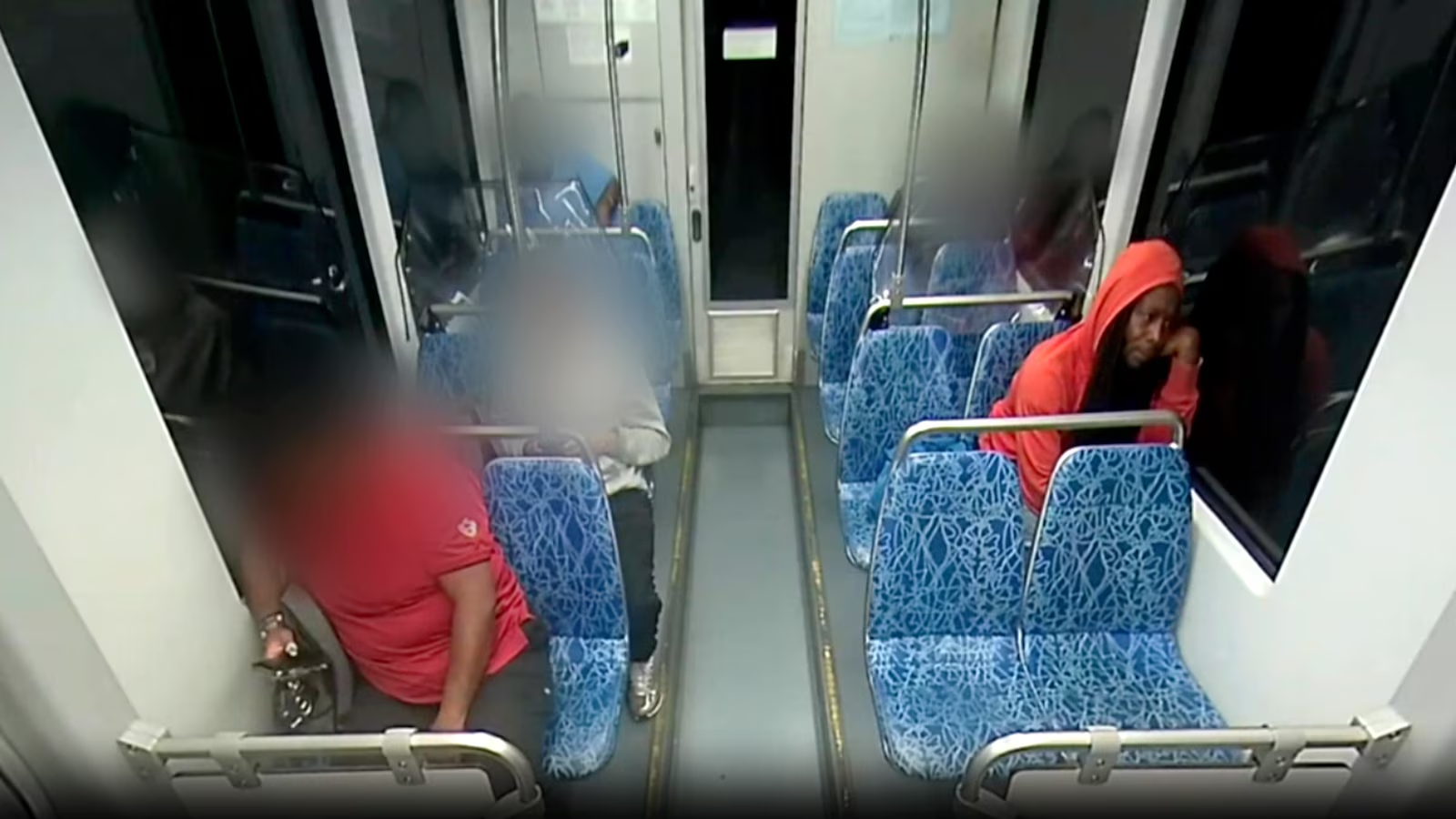
North Carolina Republicans blame Democratic 'woke' policies for a fatal stabbing on a Charlotte light-rail train, while Democrats and officials counter that the tragedy is being politicized and call for increased police enforcement. The suspect has a criminal record, and the incident has sparked political debates over crime and law enforcement funding.
Liberal strongholds like San Francisco, Washington D.C., and Oregon are reversing course on progressive crime policies by passing new laws to crack down on drugs and rising crime. San Francisco voters approved measures requiring drug screenings for welfare recipients, while Washington D.C. passed a sweeping anti-crime bill and Oregon voted to recriminalize certain drugs. Critics argue that soft-on-crime policies have led to suffering and disorder, prompting these cities to prioritize law and order. However, not all cities are united in pushing back on crime policy, with some like Austin, Texas and New York City instituting stricter rules amid a rise in crime.
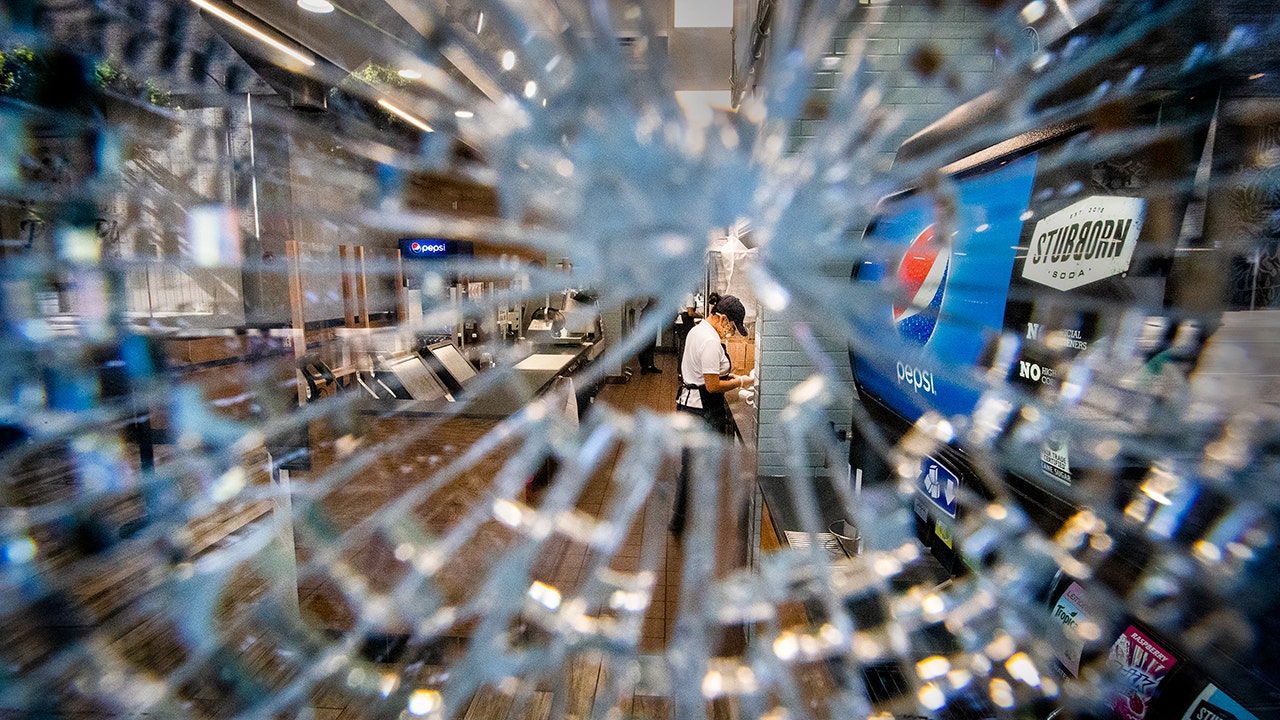
Small businesses in blue cities across the U.S. are resorting to extreme measures, such as requiring customer escorts and limiting store access, to combat rampant shoplifting due to soft-on-crime laws and lack of consequences for offenders. Security expert Patrick McCall attributes the surge in retail theft to the lack of prosecution and the new bail reform laws, which make the rewards of theft outweigh the consequences. Despite efforts to deter theft, high-end retailers are now implementing security procedures to limit available stock items on the sales floor. The National Retail Federation reported $112.1 billion in losses due to theft and inventory losses in 2022, with Los Angeles, San Francisco/Oakland, Houston, New York City, and Seattle being the top five cities plagued by organized retail crime.