Cornell University reached a $60 million deal with the Trump administration to restore federal research funding, involving a payment and investment in U.S. agriculture, while reaffirming commitments to certain diversity and admissions policies, amidst broader tensions over campus diversity and federal funding cuts to Ivy League schools.
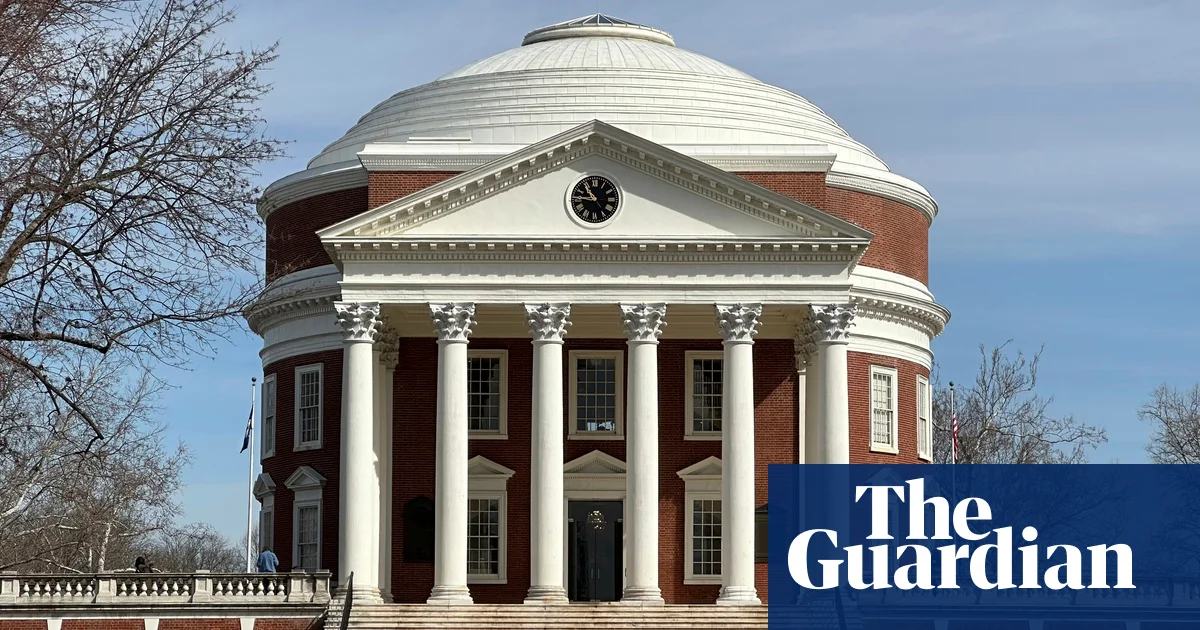
The Trump administration reportedly threatened to cut funding and visas at the University of Virginia unless its president, Jim Ryan, resigned due to his diversity policies, leading to his resignation amid political pressure, with Senator Warner criticizing the overreach and warning of broader impacts on academic freedom.
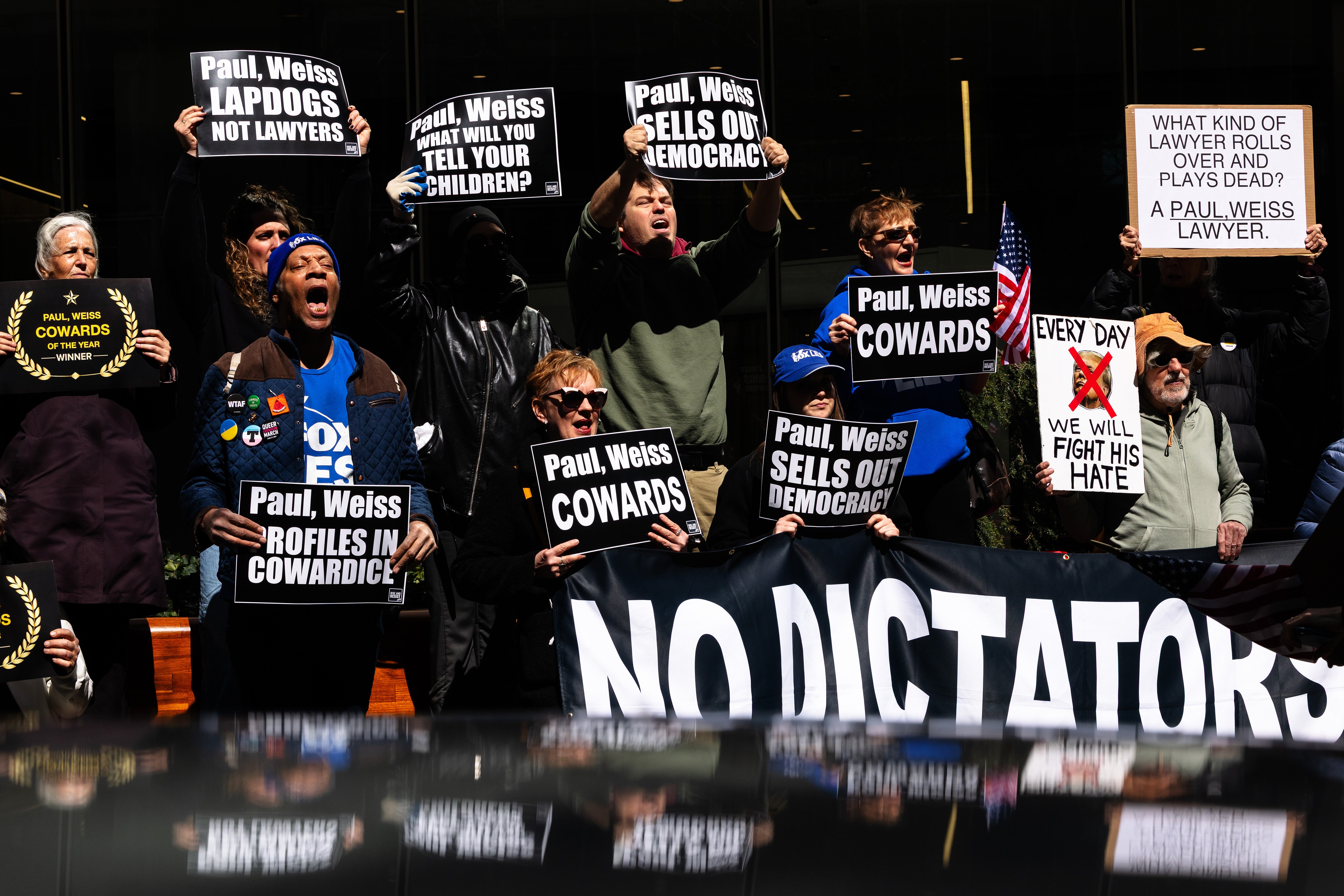
Paul, Weiss struck a controversial deal with the Trump administration to avoid litigation, offering $40 million in free legal work and abandoning diversity policies, which led to significant partner departures, internal turmoil, and criticism from the legal community, raising questions about the firm's future reputation and stability.
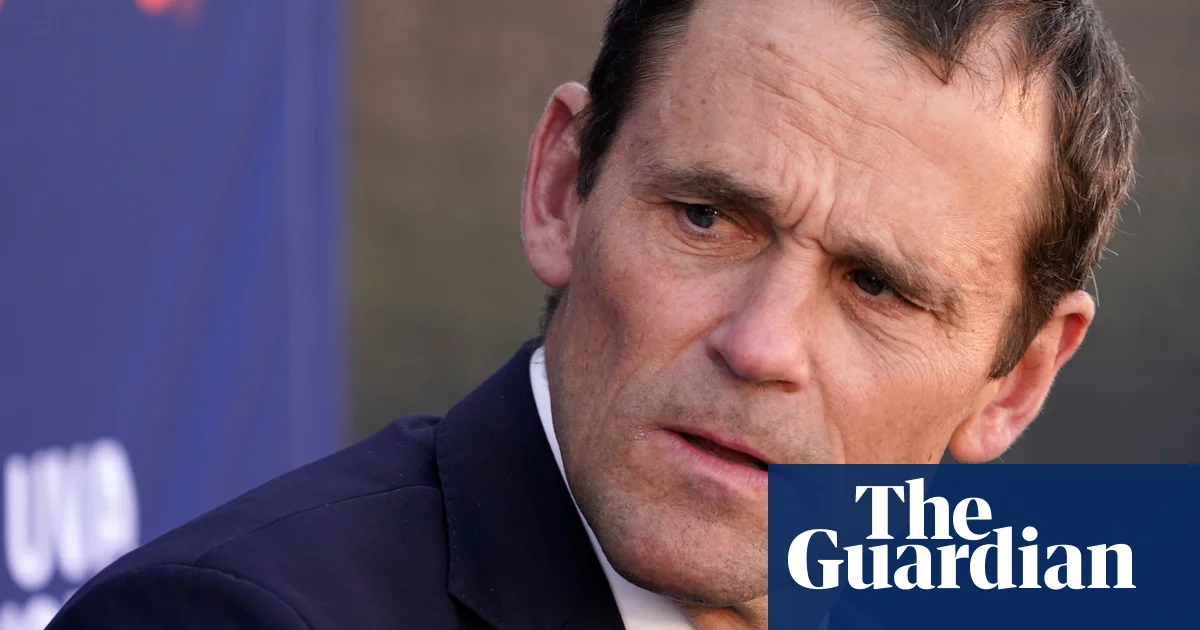
The president of the University of Virginia, James Ryan, is resigning earlier than planned due to political pressure from the Trump administration and a Justice Department investigation into the university's diversity, equity, and inclusion policies, amid broader political attacks on DEI initiatives in the US.
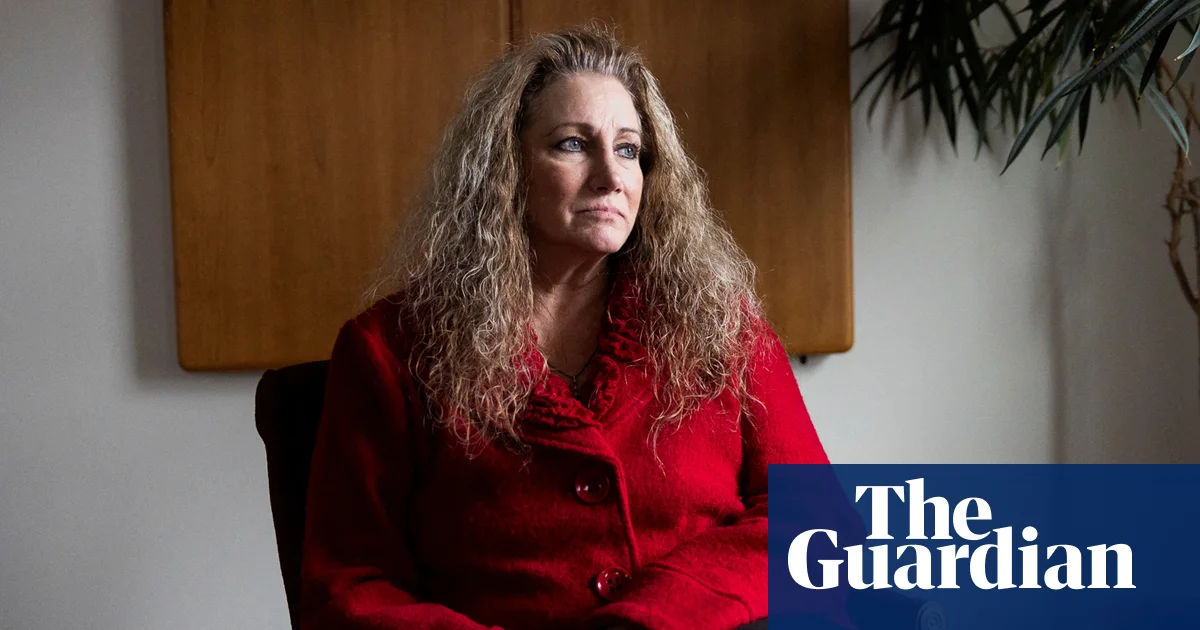
The US Supreme Court unanimously ruled to revive a case where an Ohio woman claimed she was denied a promotion due to her heterosexuality, challenging the standard for proving reverse discrimination, amid ongoing debates over diversity and inclusion policies in the US.
Several major U.S. companies, including JPMorgan Chase and BlackRock, have made revisions to their internal diversity policies in response to threats of lawsuits from conservative groups. The changes mainly involve removing language that indicates certain programs are for underrepresented groups or modifying goals for increasing racial diversity in the workforce. While the changes cannot be directly linked to the lawsuit threats, at least six companies have publicly acknowledged making modifications. The threats come as conservative efforts to roll back corporate diversity, equity, and inclusion (DEI) initiatives gain momentum following a Supreme Court ruling that found the use of affirmative action in university admissions unconstitutional.
At least six major U.S. companies, including JPMorgan Chase, have made changes to their diversity, equity, and inclusion (DEI) policies after receiving threats of lawsuits from conservative groups. The modifications primarily involved removing language that specified programs for underrepresented groups or adjusting goals for increased racial representation in the workforce. The companies that made changes include Yum! Brands, American Airlines, and Lowe's, while others like McDonald's and Starbucks have not publicly announced any modifications. The alterations reflect a larger conservative backlash against DEI initiatives, which intensified after the protests following the police killings of George Floyd and other Black Americans in 2020. The threats of lawsuits against DEI programs are expected to continue as the 2024 U.S. presidential election approaches.
More than a dozen Republican attorneys general have sent a letter to major corporations warning them against using racial preferences in hiring and promotion decisions, citing the recent Supreme Court ruling that undercut affirmative action in college admissions. The attorneys general argue that diversity policies and initiatives unlawfully boost certain groups over others and called on companies to refrain from implementing race-based quotas. Conservatives have been increasingly critical of businesses' "woke" policies, particularly around diversity and ESG efforts. The letter alleges that racial discrimination is common and violates civil rights laws, urging companies to treat all employees and applicants equally, without regard for race.
Some officials at the Pentagon are happy about Tucker Carlson's departure from Fox News, as he frequently criticized the military's diversity policies and personnel decisions. Carlson's comments disparaging female service members in March 2021 prompted a rare rebuke from then-Pentagon spokesperson John Kirby. Carlson drew the ire of top DoD officials early in the Biden administration for personal attacks on a number of military leaders.