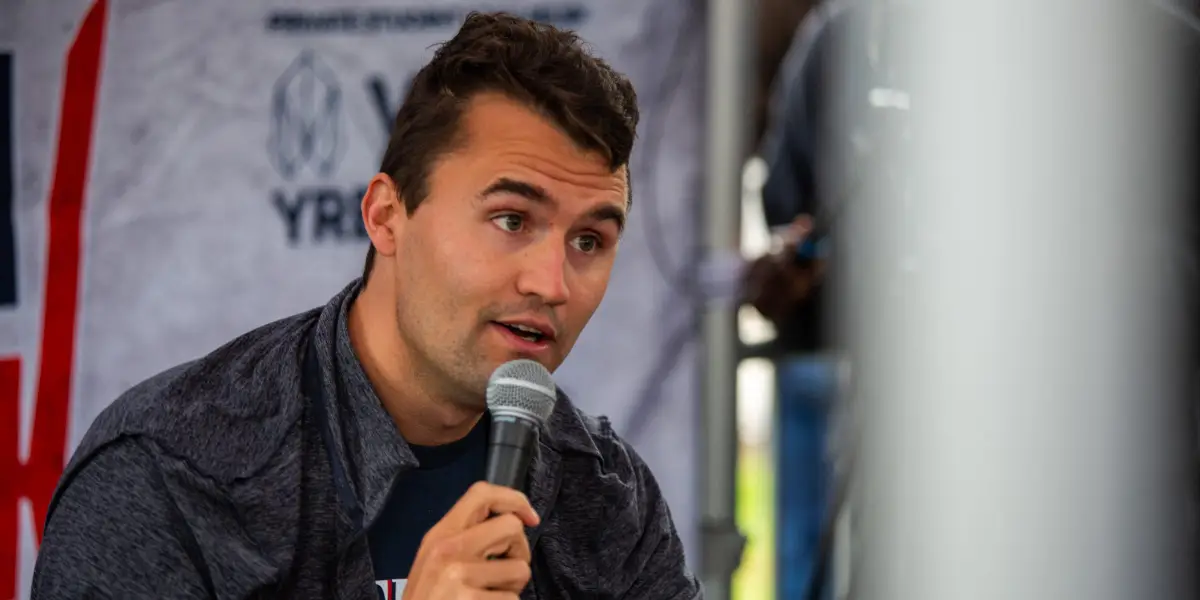
The death of conservative activist Charlie Kirk has sparked workplace controversies, leading companies like Microsoft, Nasdaq, and Office Depot to discipline or fire employees over social media comments about him, highlighting the challenges of balancing free expression with corporate values.
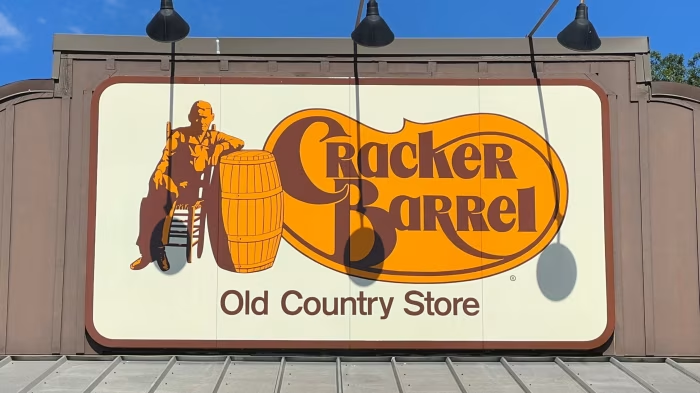
Cracker Barrel, a US restaurant chain known for Southern comfort food, became a political flashpoint after changing its logo and supporting LGBTQ+ initiatives, sparking backlash from conservative figures and President Trump, who urged a reversal. The company quickly responded by reverting the logo change, highlighting the influence of social media and the polarized American political landscape on corporate decisions.
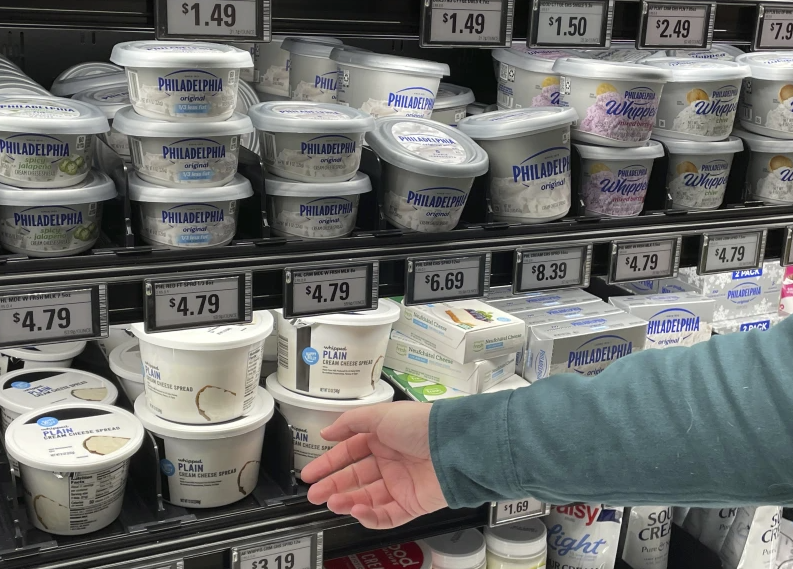
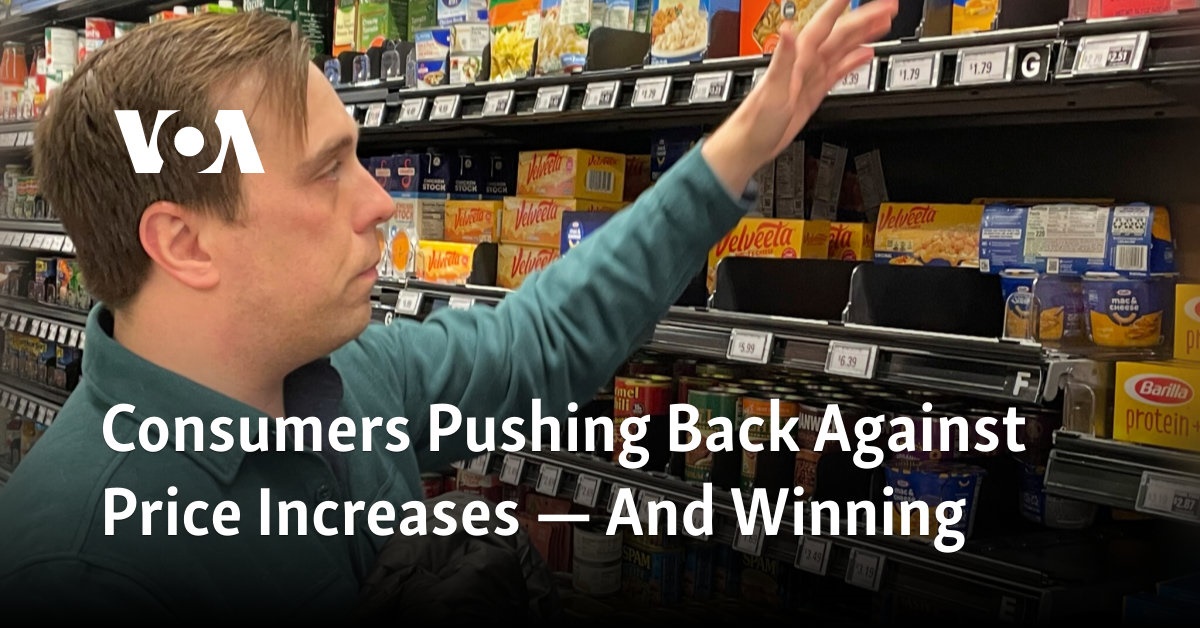
Consumers are pushing back against price increases by shifting to store-brand items, discount stores, and used cars, leading to a slowdown in food price increases. President Biden and left-leaning economists criticize corporations for excessive price hikes and "shrinkflation." Companies like Kraft Heinz and Unilever have seen sales decline after raising prices, prompting them to rein in further price increases. Federal Reserve officials expect inflation to fall as companies plan smaller price hikes due to consumers' growing reluctance to pay high prices.
Consumers are pushing back against price increases by switching to store-brand items, shopping at discount stores, and buying fewer luxury items, leading to a slowdown in inflation. Large food companies have responded by slowing their price increases, and even car dealers are offering discounts on new cars due to increased demand for used cars. President Biden has criticized corporations for price-gouging and "shrinkflation," and economists believe that consumer resistance will further ease inflation. Companies like Kraft Heinz and Unilever have seen sales fall as consumers opt for cheaper alternatives, prompting them to rein in price increases and focus on boosting sales. The Federal Reserve cites consumers' growing reluctance to pay high prices as a key reason for expecting inflation to fall back to their 2% annual target.
At least six major U.S. companies, including JPMorgan Chase, have made changes to their diversity, equity, and inclusion (DEI) policies after receiving threats of lawsuits from conservative groups. The modifications primarily involved removing language that specified programs for underrepresented groups or adjusting goals for increased racial representation in the workforce. The companies that made changes include Yum! Brands, American Airlines, and Lowe's, while others like McDonald's and Starbucks have not publicly announced any modifications. The alterations reflect a larger conservative backlash against DEI initiatives, which intensified after the protests following the police killings of George Floyd and other Black Americans in 2020. The threats of lawsuits against DEI programs are expected to continue as the 2024 U.S. presidential election approaches.
The fallout from the Israel-Hamas war has spilled into workplaces, as company bosses and workers grapple with expressing their views on the conflict. Some CEOs have faced backlash for their public statements, while employees complain that their voices are not being heard. The corporate response has been criticized for minimizing the suffering in Gaza and creating an atmosphere of fear for workers who want to express support for Palestinians. Many U.S. corporations with ties to Israel have condemned the Hamas attacks and expressed solidarity with Israel, while others have faced criticism for their silence. The conflict has led to boycotts, resignations, and job offers being rescinded, leaving employees fearful of discussing the conflict at work.
The fallout from the Israel-Hamas war has spilled into workplaces, as company bosses and workers grapple with expressing their views on the conflict. Some CEOs have publicly condemned the Hamas attacks and expressed solidarity with Israel, while others have faced backlash for their pro-Palestinian statements. Employees who express support for Palestinians fear repercussions and isolation, while Jewish groups criticize tepid responses to the conflict. Companies with strong opinions should acknowledge the experiences of both sides, while those staying neutral should explain their reasons to employees. The corporate response has created an atmosphere of fear and minimized the suffering in Gaza, leaving workers feeling isolated and fearful of consequences for discussing the conflict.
The fallout from the Israel-Hamas war has spilled into workplaces, with employees and executives facing backlash for their views on the conflict. Companies like Starbucks, J.P. Morgan Chase, and Google have been criticized for their responses, with some accused of minimizing the suffering in Gaza or not condemning the Hamas attacks strongly enough. Boycotts and lawsuits have emerged as a result, creating an atmosphere of fear for workers who want to express support for Palestinians or Israelis. The conflict has also highlighted divisions within companies and led to calls for acknowledgment of different perspectives.
Retail workers at companies such as Apple, Starbucks, Trader Joe's, and REI have reported being disciplined or fired after engaging in union organizing efforts. While the companies initially countered the campaigns with criticism of unions and other means of dissuasion, they became more aggressive after unionization efforts succeeded at one or two stores. Some labor relations experts say the companies' progressive public profiles may have initially held them back, but once the union wins a few elections, "you pull out all the stops."