Research indicates that people who live to 100 tend to avoid or delay serious diseases, especially cardiovascular conditions, and develop fewer health issues overall, suggesting that resilience and disease management play key roles in exceptional longevity.
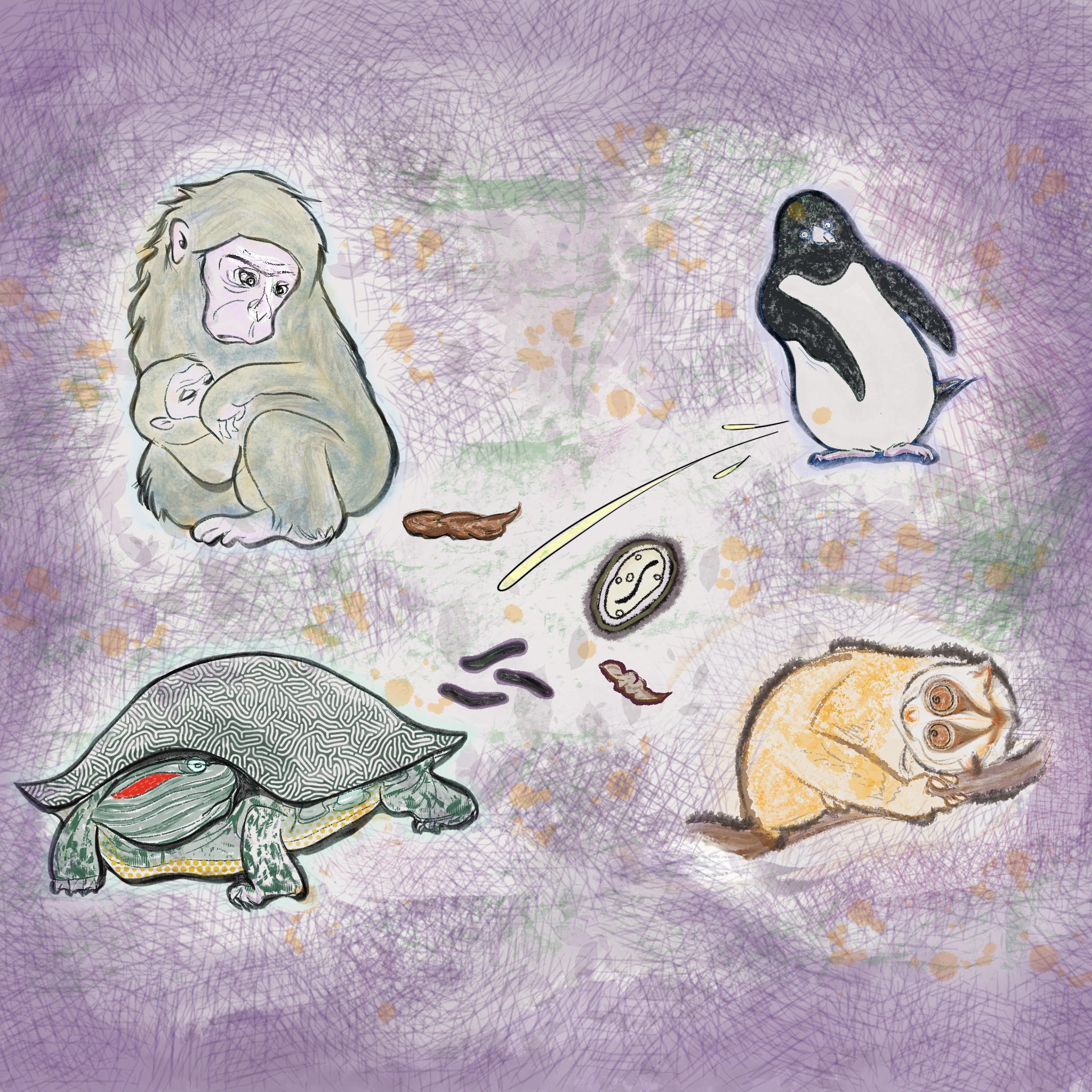
An international team of scientists has developed a framework to test disgust and its associated disease-avoidance behaviors across various animal species, social systems, and habitats. Disgust can be triggered by sensory cues associated with disease risk, such as the sight of diarrhea, which releases a set of behavioral or physiological responses that help animals avoid parasites, pathogens, and toxins. The levels of disgust behavior vary from species to species depending on their social systems and ecological niches. The implications to human health are significant since expected disgust-driven behaviors can be applied to the study of the Covid-19 pandemic.