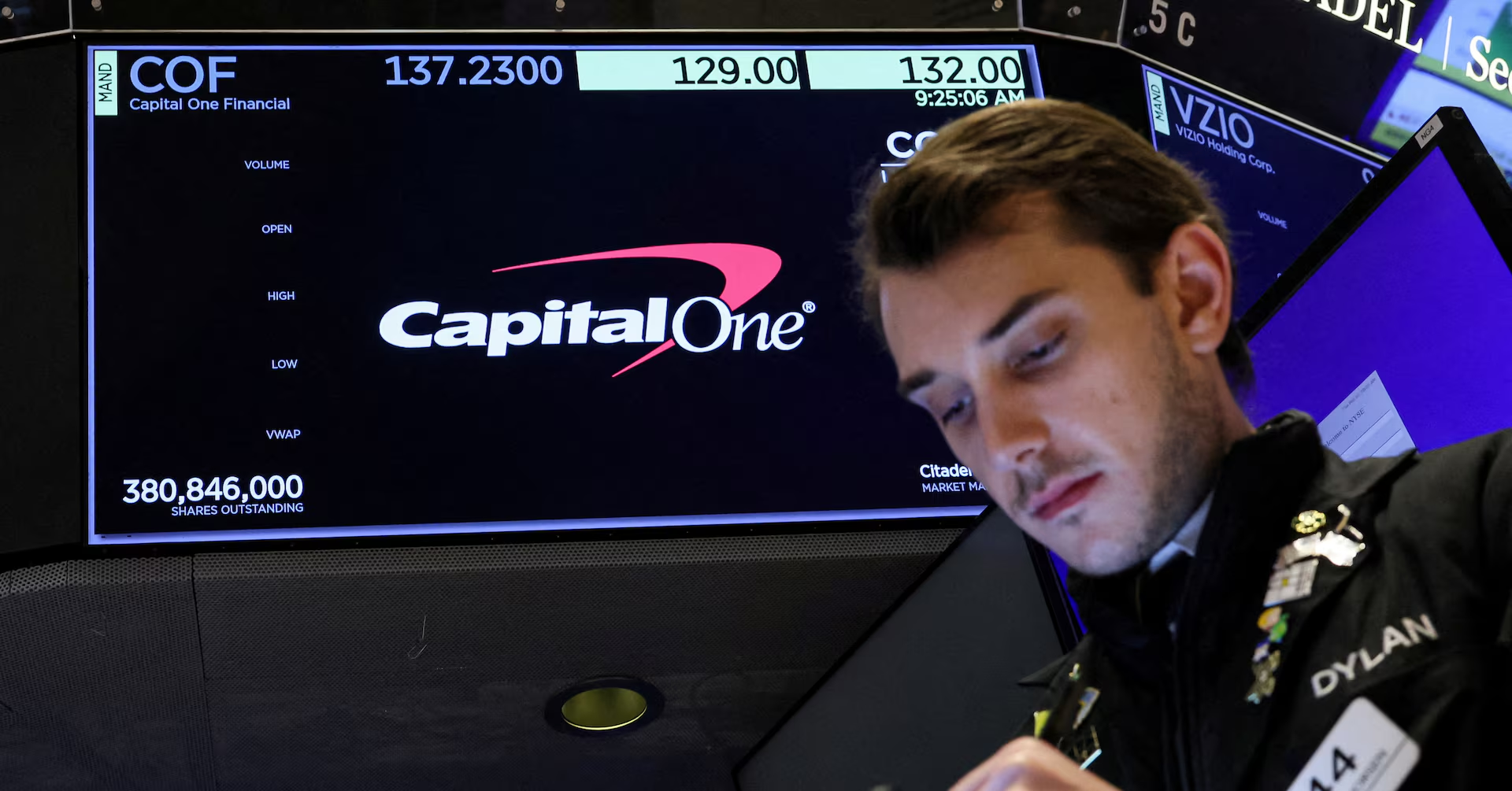
Capital One has proposed a $265 billion community benefit plan to gain regulatory approval for its $35 billion merger with Discover Financial. The plan includes $200 billion in loans to low- and middle-income consumers, $44 billion in community development, and significant investments in nonprofits and minority-owned businesses. The merger would create the world's largest credit card company, but faces scrutiny from regulators and consumer groups concerned about competition and market exposure.

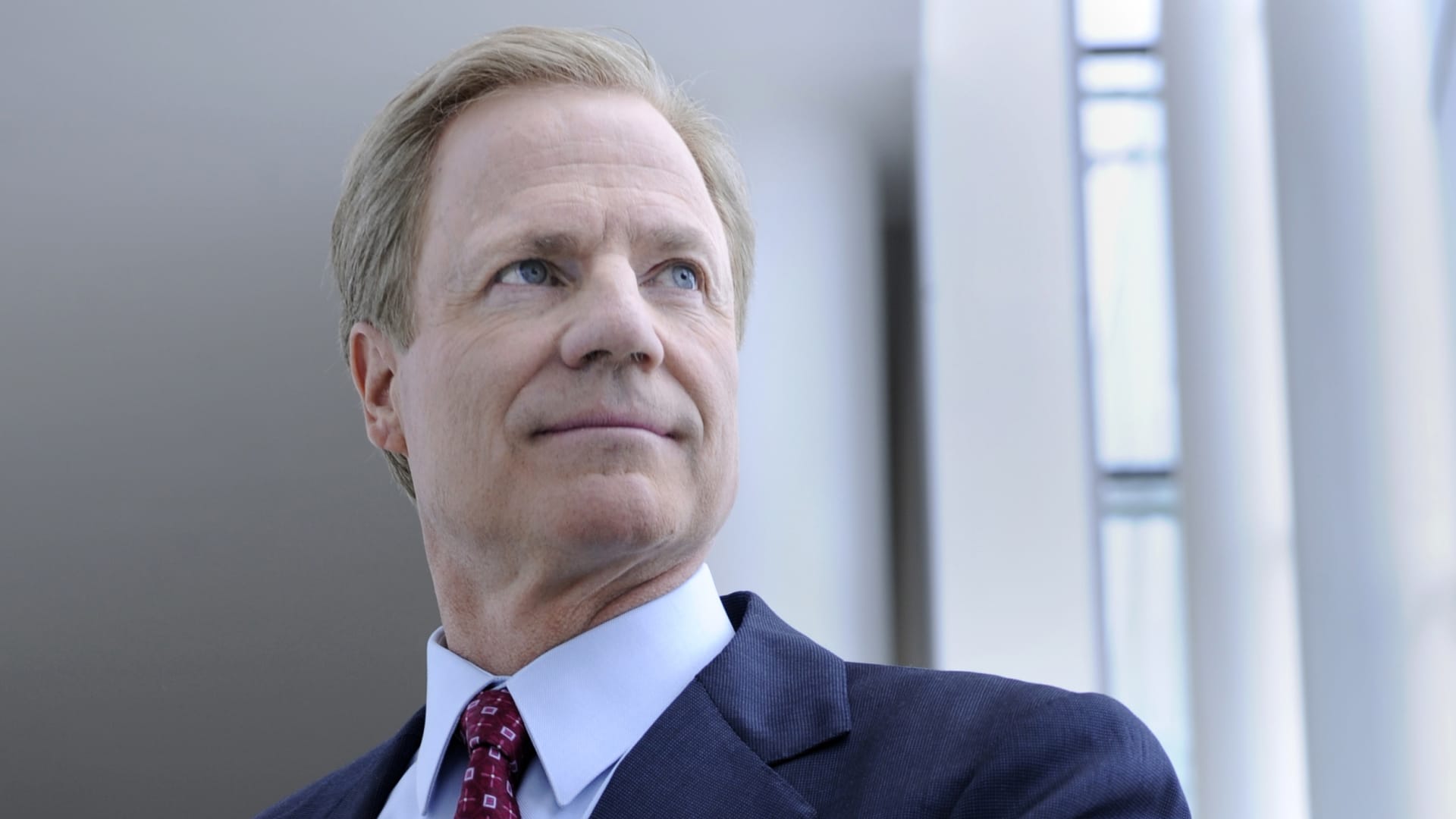
JPMorgan Chase CEO Jamie Dimon expressed confidence in facing competition from Capital One's potential acquisition of Discover Financial, praising Capital One CEO Richard Fairbank while acknowledging the impact on JPMorgan's position as the largest credit-card lender. Dimon highlighted concerns about potential unfair advantages in debit payments and expressed support for small bank mergers. The deal's fate rests on regulatory approval, with some lawmakers urging regulators to block the merger to protect consumers and financial stability.
Capital One's proposed acquisition of Discover Financial includes a $1.38 billion breakup fee if Discover chooses another buyer, but no fee if U.S. regulators block the deal. The all-stock transaction is valued at $35.3 billion, and while Discover can consider other offers, it can't actively solicit them. The deal's fate hinges on regulatory approval from the Federal Reserve, the Office of the Comptroller of the Currency, and potential antitrust concerns from the Justice Department.
Capital One's $35.3 billion acquisition of Discover Financial is a strategic move to protect itself against fintech and regulatory threats, positioning the company for the future of global payments. The deal aims to strengthen Capital One's position in the credit card market, solidify its banking operations, and leverage Discover's payments network to directly engage with merchants. However, the merger's approval is uncertain, with regulators and lawmakers expressing concerns about potential antitrust issues and consumer impact.
Capital One's $35.3 billion deal for Discover Financial hinges on convincing regulators that the acquisition will benefit consumers and disrupt the U.S. credit card industry. The proposed merger, which would create the largest issuer in the market, faces concerns over high credit card interest rates and fees. To gain approval, Capital One must demonstrate how it will share projected cost-savings with consumers and potentially drive down fees. However, the deal's timing during a U.S. presidential election year and scrutiny from lawmakers and regulators pose additional challenges.
Capital One's $35.3 billion deal to acquire Discover Financial could disrupt the payments processing market dominated by Visa and Mastercard, leading to a drop in their stock prices. The acquisition aims to reduce Capital One's reliance on the two major processors and generate significant cost savings. However, the deal is expected to face tough scrutiny from antitrust regulators due to the combined company's dominant position in the credit card industry.
Capital One is reportedly close to finalizing a deal to acquire Discover Financial, a major player in the banking and finance industry. The potential acquisition marks a significant move in the financial sector and could have far-reaching implications for both companies.
Jim Cramer advises selling Joby Aviation due to its significant losses, while recommending holding onto Schlumberger and Avnet stocks. He suggests staying away from Sea stock and opting for best-of-breed companies like Discover Financial or Mastercard. Cramer also dismisses Verizon as an unattractive investment option.
Discover Financial's shares slipped after CEO Roger Hochschild resigned, while Turnstone Biologics saw a slight decline after receiving coverage from investment firms. D.R. Horton's stock rose after Warren Buffett's Berkshire Hathaway added a stake in the company, and Hannon Armstrong Sustainable Infrastructure Capital climbed following an upgrade from Bank of America. Phillips 66 fell after a downgrade, and major U.S. banks including Morgan Stanley, JPMorgan Chase, Bank of America, and Citigroup traded lower amid potential downgrades from Fitch Ratings. Nvidia's stock climbed before the bell, and Cleveland-Cliffs' shares fell after its bid to buy U.S. Steel was rejected.
S&P 500 futures remained relatively unchanged in overnight trading, with Nasdaq-100 futures rising slightly and Dow Jones Industrial Average futures inching down. Homebuilder stocks, including D.R. Horton and Lennar, gained after Warren Buffett's Berkshire Hathaway revealed new positions in the companies. However, Discover Financial shares fell over 5% following the resignation of its CEO. The stock market rebounded on Monday after last week's selloff, with technology and semiconductor stocks leading the way. Wall Street is anticipating a busy earnings week for major retailers, as well as economic data on retail sales and housing market indicators.