Warner Bros.' potential acquisition by another major Hollywood studio has raised alarms among theater owners and industry insiders, who fear it could lead to reduced film releases and legal challenges, further endangering the already struggling cinema sector.
Microsoft has agreed to pay Inflection AI $650 million to license its AI software and has hired most of the startup's staff, including its co-founders. The deal, resembling an "acqui-hire" without an acquisition, has raised concerns about potential antitrust issues with US regulators due to the increasing scrutiny of Big Tech's AI investments and partnerships.
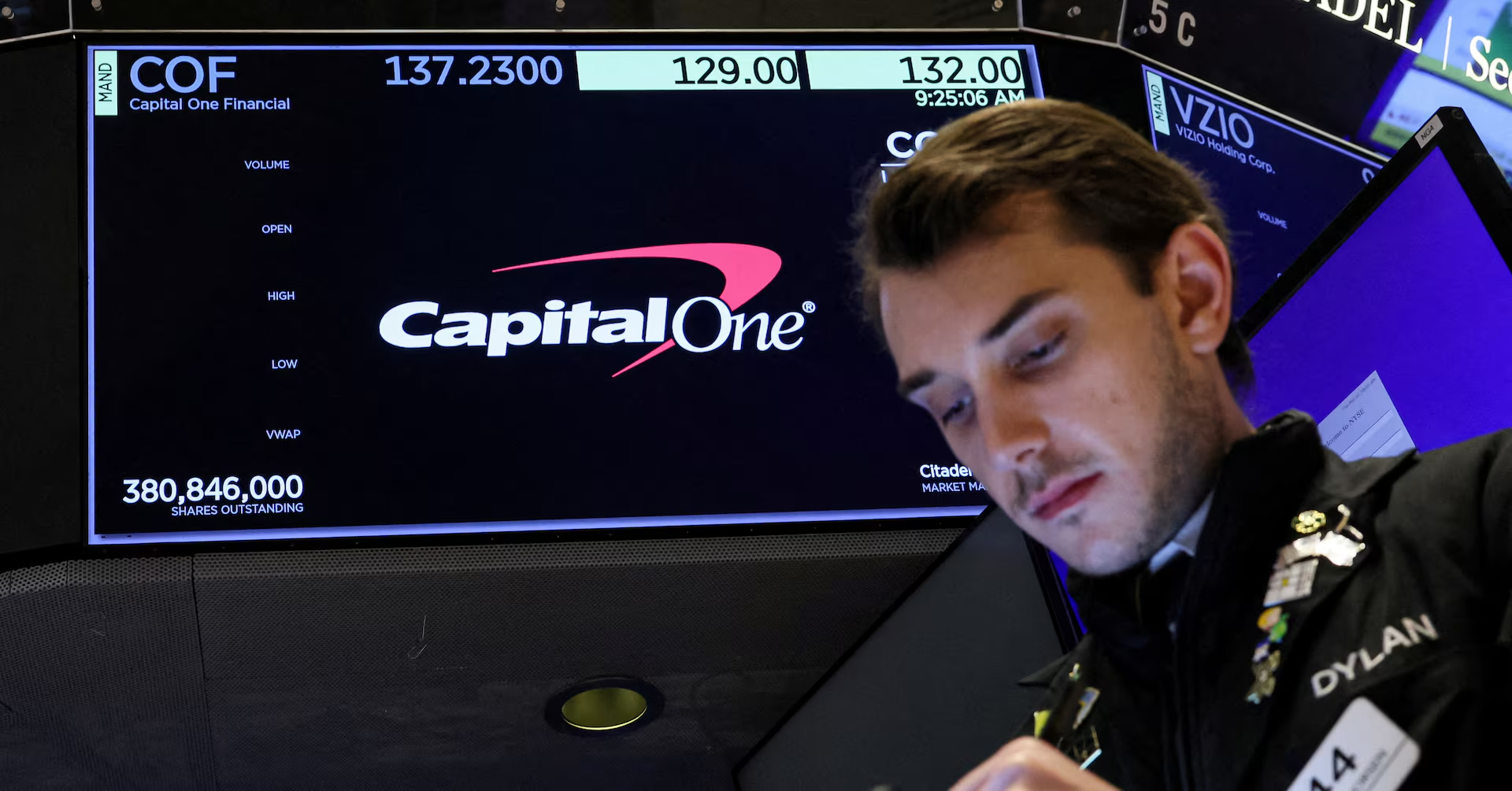
Capital One's $35.3 billion deal for Discover Financial hinges on convincing regulators that the acquisition will benefit consumers and disrupt the U.S. credit card industry. The proposed merger, which would create the largest issuer in the market, faces concerns over high credit card interest rates and fees. To gain approval, Capital One must demonstrate how it will share projected cost-savings with consumers and potentially drive down fees. However, the deal's timing during a U.S. presidential election year and scrutiny from lawmakers and regulators pose additional challenges.
Capital One's $35.3 billion deal to acquire Discover Financial could disrupt the payments processing market dominated by Visa and Mastercard, leading to a drop in their stock prices. The acquisition aims to reduce Capital One's reliance on the two major processors and generate significant cost savings. However, the deal is expected to face tough scrutiny from antitrust regulators due to the combined company's dominant position in the credit card industry.
Kroger and Albertsons have announced that they will need more time to close their proposed $24.6 billion merger, now aiming for the first half of Kroger's fiscal 2024. The merger has faced scrutiny from U.S. lawmakers and the Federal Trade Commission due to antitrust concerns, with fears of potential consumer price increases, store closures, and job losses. The companies are in active dialogue with regulators and plan to invest in reducing prices and enhancing customer experience. Kroger has proposed divesting over 400 stores and eight distribution centers to C&S Wholesale Grocers, with the possibility of shedding an additional 237 stores to gain regulatory approval.
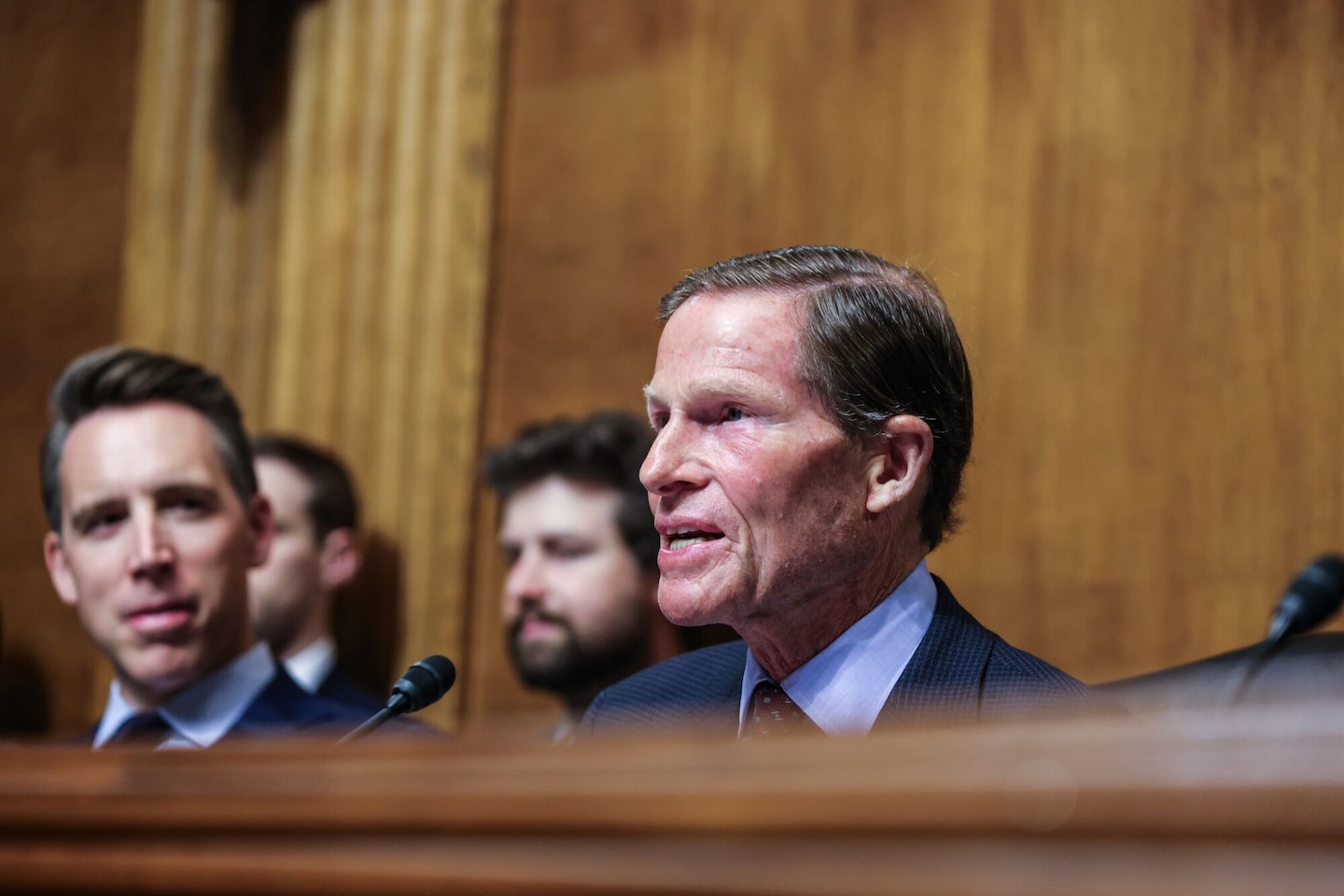
AI leaders testified at a congressional hearing, warning that the rapid development of AI could lead to the creation of bioweapons by rogue states or terrorists within the next few years. They called for international cooperation and regulation to control the development of AI, similar to international rules on nuclear technology. Concerns about AI surpassing human intelligence and getting out of control have quickly moved from science fiction to the mainstream, prompting calls for legislation. Senators also raised concerns about potential antitrust issues with Big Tech companies monopolizing AI technology. The leaders suggested the need for a new regulatory agency focused on AI and the establishment of standard tests to identify potential harms.
The Federal Trade Commission has sued to block Amgen's $27.8 billion acquisition of Horizon Therapeutics, citing concerns about competition in the drug industry. The FTC claims that the deal would allow Amgen to use bundling to exploit its size and entrench monopolies for two expensive Horizon drugs. Amgen denies that the merger poses competitive issues and says it will not bundle the two Horizon products. The case will move to court, where the outcome will serve as a litmus test for the ability to use antitrust law to promote affordable access to pharmaceuticals.
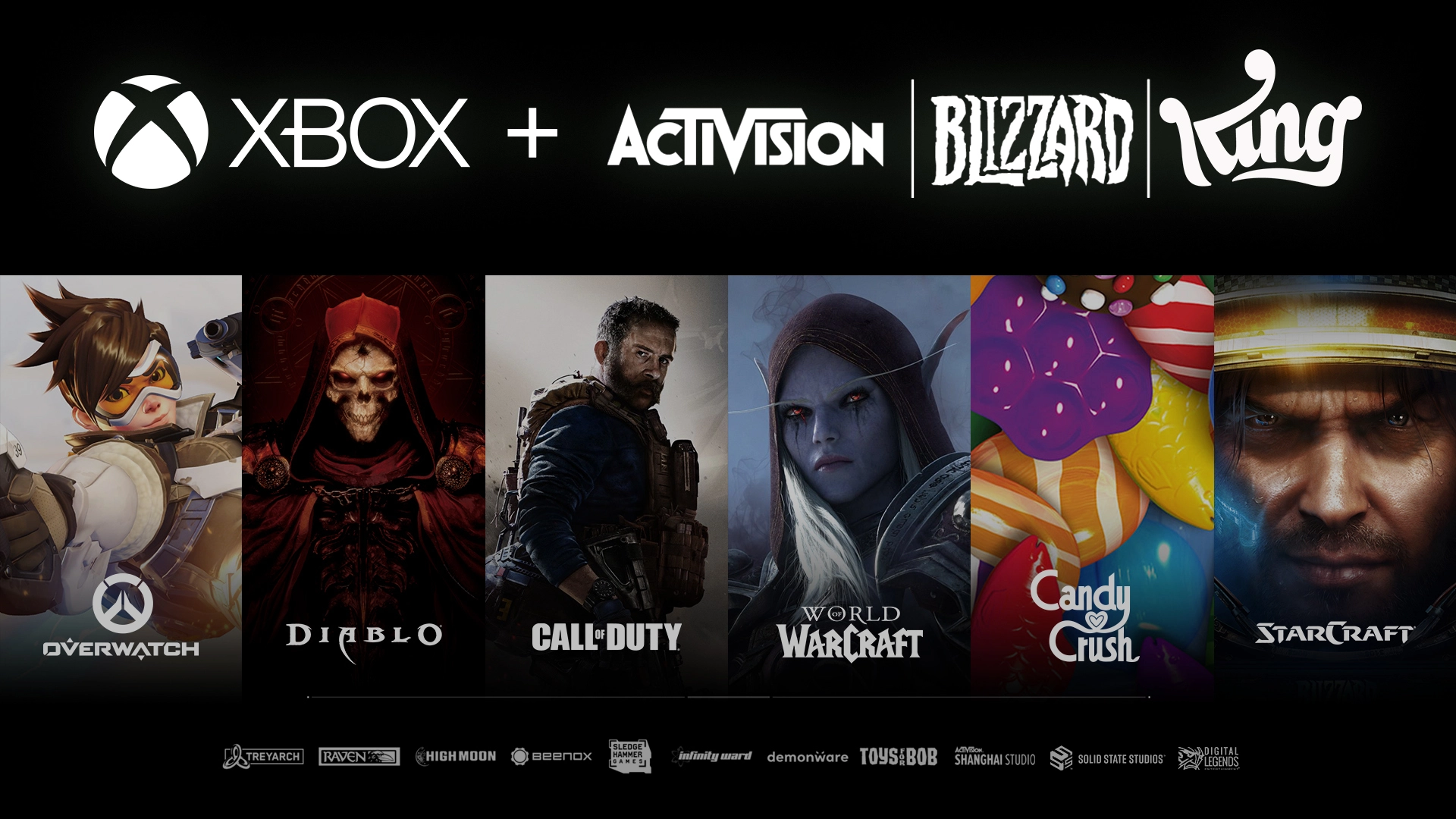
The UK's Competition and Markets Authority (CMA) has temporarily banned Microsoft from acquiring an interest in Activision Blizzard, putting another dent in the almost year-long effort to acquire the popular game publisher. The CMA's decision comes weeks after it blocked the merger, citing concerns about its impact on UK consumers and the fast-growing cloud gaming market. While Microsoft and Activision Blizzard may soon get a reprieve from the European Commission, which reportedly plans to approve the merger next week, the CMA's ban remains in place.
The European Commission is expected to approve Microsoft's $69 billion acquisition of Activision Blizzard next week, with May 15 being the likeliest date for the announcement. Microsoft's willingness to offer game licensing deals to rivals is likely to address antitrust concerns. The acquisition has been approved in several countries, but the UK's Competition and Markets Authority has prevented the deal due to concerns about its impact on the future of the cloud gaming market. Microsoft and Activision have confirmed their intention to appeal the CMA's ruling.
The European Commission has delayed its decision on Microsoft's $69 billion acquisition of Activision Blizzard to May 22 after Microsoft submitted remedies to gain approval. The details of the remedies offered were not made public, but Microsoft has recently announced partnerships to bring Call of Duty to new console and cloud gaming platforms. The EU will seek feedback from rivals and customers before ruling on the merger, and asset sales are unlikely to be demanded as part of the approval process.