The author advocates for 'friction-maxxing' in 2026, which involves intentionally embracing life's inconveniences and resisting the urge to escape into digital distractions, as a way to foster resilience, independence, and genuine human connection, especially in children.
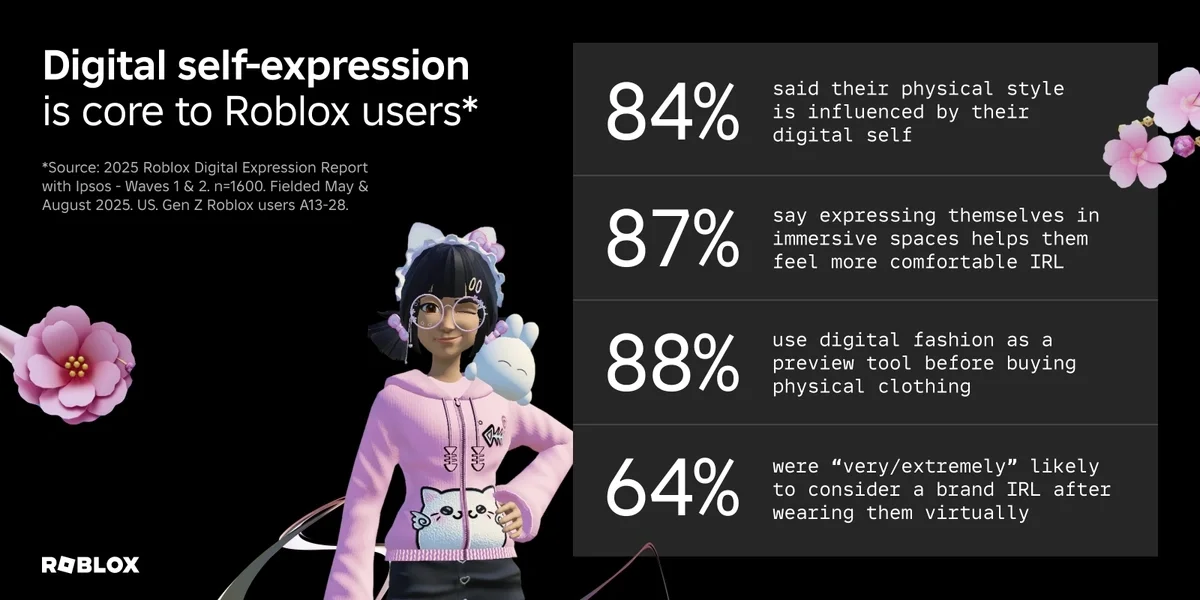
In 2025, Roblox experienced unprecedented growth with over 50 million daily searches, record-breaking concurrent users, and a vibrant global community that uses the platform for creative self-expression, cultural engagement, and social connection, shaping next-gen digital culture and offering new opportunities for brands and creators.
The article discusses how AI-generated content and social media platforms contribute to 'brain rot,' a decline in critical thinking and meaningful engagement, with examples from Facebook, Reddit, and other online communities, highlighting concerns about misinformation, low-quality content, and the impact on human cognition.
Joseph Epstein, at 88, reflects on the challenges and frustrations of adapting to the digital age, highlighting issues like computer troubles, technological complexity, and the desire for simpler times, while also expressing gratitude for his longevity and ability to continue working.
A record deal was signed with an AI-generated artist, raising complex questions about copyright law and the future of music, as the law struggles to keep pace with AI-created content and the distinction between human and AI contributions.
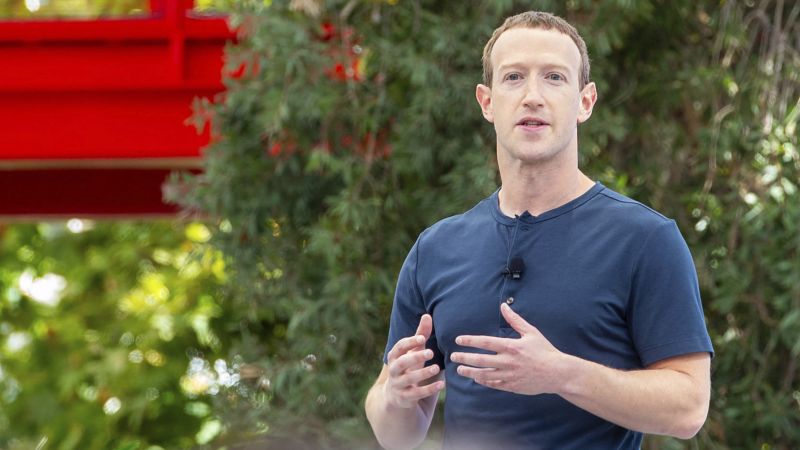
Facebook, launched 20 years ago, has maintained its dominance in the social media landscape by adapting to changing user needs, expanding its user base, and making strategic acquisitions like Instagram and WhatsApp. Its focus on real-life connections and gamifying social interactions has set it apart from early competitors like MySpace and Friendster, which failed to keep up with changing trends and user needs. Meta Platforms Inc., Facebook's parent company, continues to innovate and invest in messaging apps and tech hardware, solidifying its position as a social media leader despite competition from platforms like TikTok.
Despite his cartoonish appearance and outlandish statements, King Charles III has not become a popular subject for internet memes. His problematic past and lack of a strong public persona may be to blame, as well as his gender and the shadow of his mother, Queen Elizabeth II. To be memeable, royals have to be likable, which is where the previous queen excelled, but Charles has long been seen as waiting for his mother to give him his time to shine.