Mozilla's new CEO aims to transform Firefox into a modern AI browser with enhanced privacy controls, including a toggle to turn AI features off, and diversify revenue streams beyond search engine royalties, amidst declining market share and rising competition.
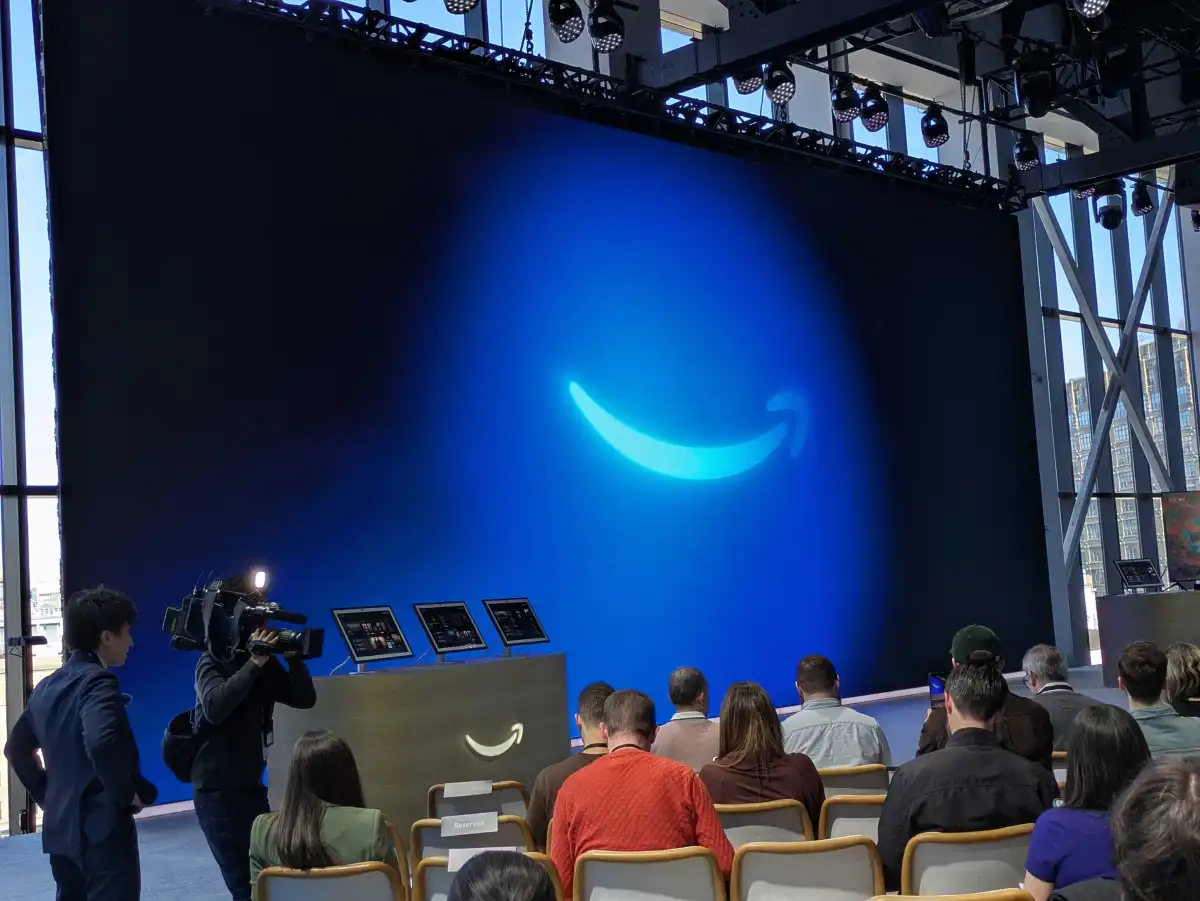
Amazon's Alexa+, powered by generative AI, has reached over a million users through invite-only early access, offering more natural interactions, personalization, and expanded capabilities, with plans for broader public availability and monetization.
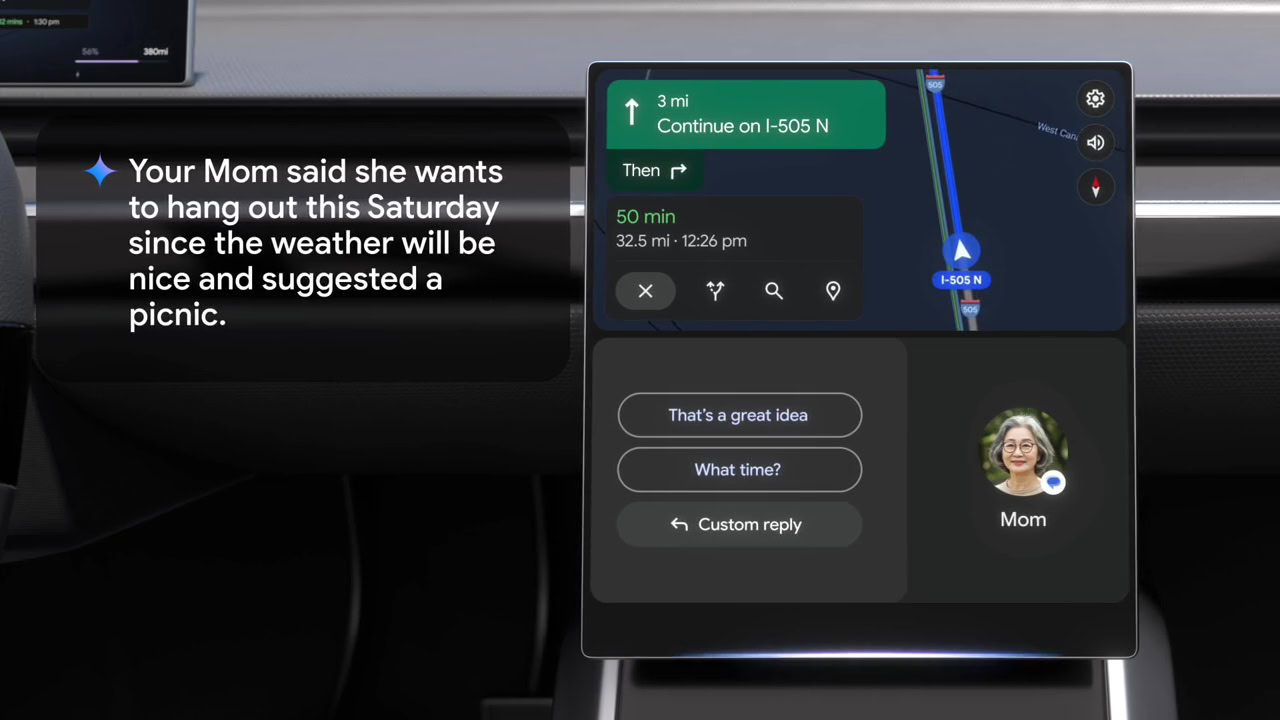
The Android Automotive 16 update introduces subtle UI enhancements such as a redesigned volume panel, a taller media card, a new voice assistant button, and a more readable notification panel, along with a toggle for Ultra-Wideband (UWB) to support digital car key features. These changes aim to improve usability and accessibility while maintaining a focus on safety and minimal distraction for drivers.
iOS 18 will introduce significant AI enhancements to Siri, enabling it to control and navigate iPhones and iPads with greater precision, including opening documents, managing emails, and summarizing articles. Initially limited to Apple's apps, Siri will support hundreds of commands and eventually handle multiple commands at once, marking a major upgrade in its functionality.
Google has integrated its AI-powered assistant, Gemini, into the Google Messages app, allowing users to chat with it like a friend. While it doesn't offer full message summarization or intelligent search, it can help draft messages, brainstorm ideas, and plan events. The feature is rolling out globally, except in India, Switzerland, the EEA, and the UK, and requires RCS support.
ESA, in collaboration with technology partners, is developing AI applications to revolutionize information retrieval in Earth observation by creating a ChatGPT-style text-based enquiry tool. These applications, supported by the ESA InCubed programme, use AI to monitor events like earthquakes and create flood maps for disaster response teams. ESA is also working on foundation models dedicated to Earth observation-related tasks, such as the PhilEO model, which recognizes features without human supervision. Separate initiatives are focused on creating a digital assistant that can process natural language questions and provide answers based on Earth observation data, with the goal of yielding game-changing results in the near future.
Google's new AI generative models, Gemini, will soon be able to access events scheduled in Google Calendar on Android phones, making it a step closer to being an all-in-one digital assistant. Users can now prompt Gemini to show their calendar events and add new events using voice or text commands. Google is making progress to position Gemini as its proprietary AI offering, but it still needs to add more features and expand availability beyond the United States to compete with other AI assistants like Microsoft's Copilot and Amazon's Alexa.
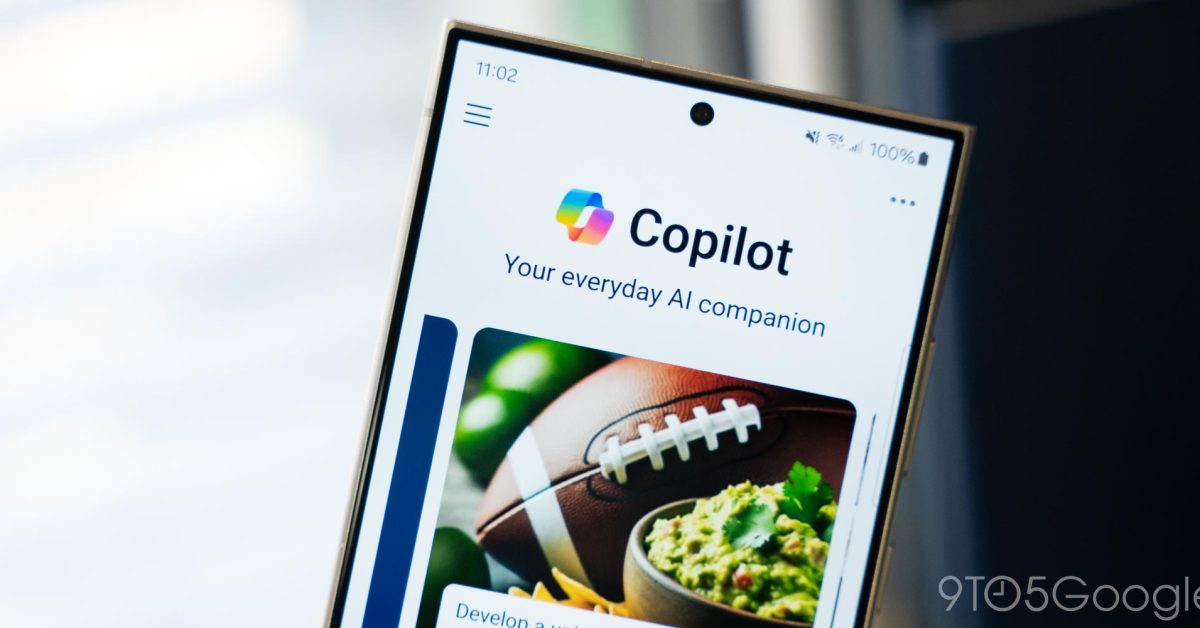
Microsoft Copilot's beta build update allows it to replace Google Assistant or Bixby as the default digital assistant on Android phones, positioning it as a competitor in the digital assistant market. The AI app, powered by ChatGPT and DALL-E, offers web results, answers questions, and features an image generation tool. While the current shortcut could use improvement, future iterations are expected to provide a more seamless user experience, potentially making Copilot a popular choice among Android users.
Google has rebranded its AI efforts under the name Gemini, consolidating its various AI ventures including the transformation of Bard into Gemini and the introduction of a dedicated Gemini app for Android users. Gemini aims to democratize Google’s AI technology, offering advanced capabilities and potential to fix the company’s digital assistant. The introduction of Gemini Advanced with Ultra 1.0 model and the emphasis on responsible innovation and deployment signal a transformative period for Google and the entire tech industry.
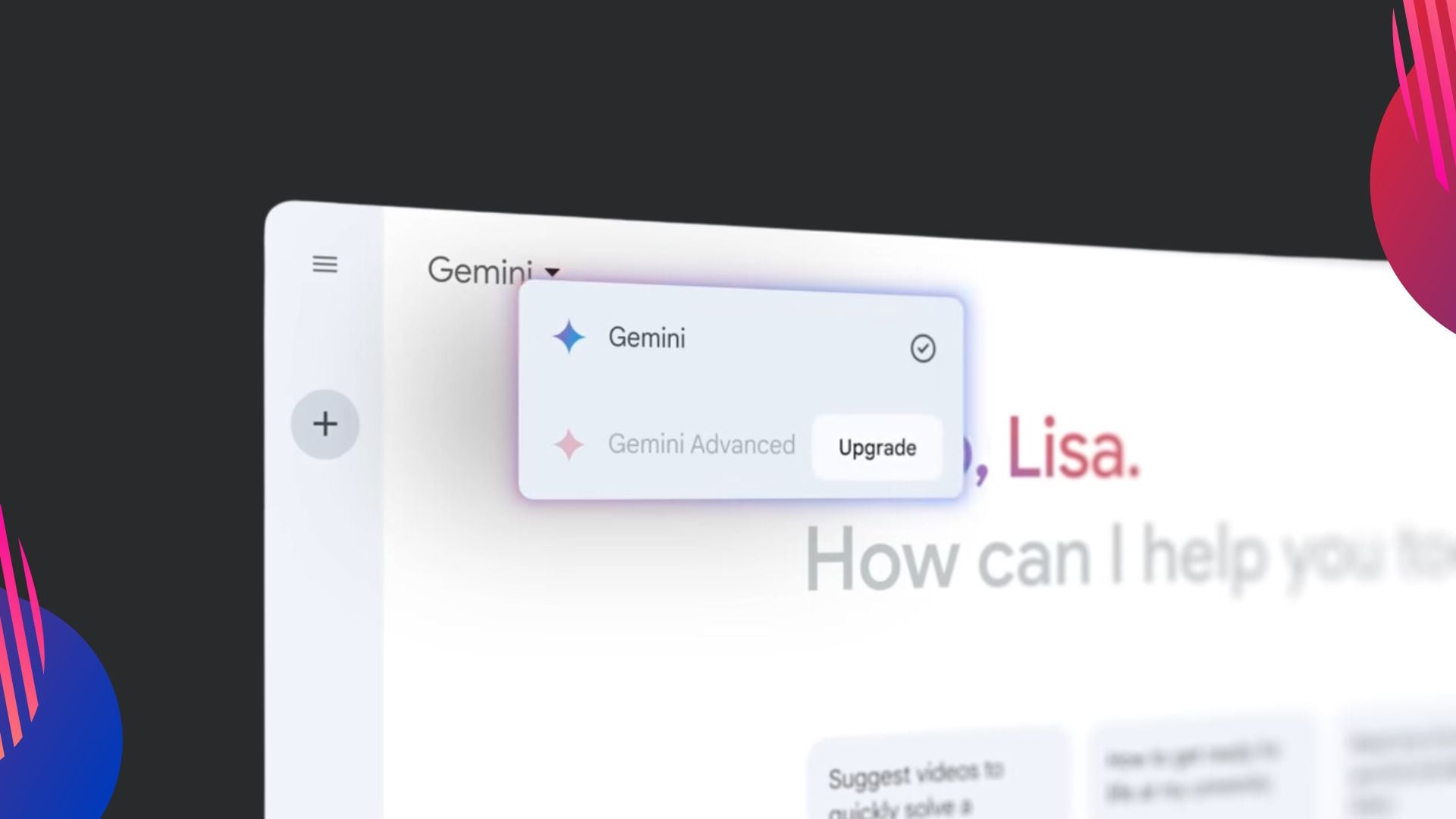
Google has rebranded its AI-powered digital assistant and chatbot as Gemini, offering advanced reasoning and in-depth answers, with a more powerful paid version called Gemini Advanced, based on the Gemini Ultra 1.0 engine, targeting advanced and professional users for tasks like coding, creative work, and productivity improvement. Gemini Advanced will soon have multimodal capabilities and integration with Gmail, Google Docs, and Google Workspace, available for English users in 150 countries through the 2TB Google One subscription plan at $19.99 per month.
Google has retired its Bard chatbot and introduced Gemini, a new app that combines the features of a talking digital assistant and a conversational chatbot. Gemini, available to English speakers in over 150 countries, can perform tasks such as answering questions, writing poetry, generating images, drafting emails, and more. It is designed to serve as a personal tutor, assist with coding tasks, and help job hunters prepare for interviews, as Google aims to compete with OpenAI's ChatGPT.
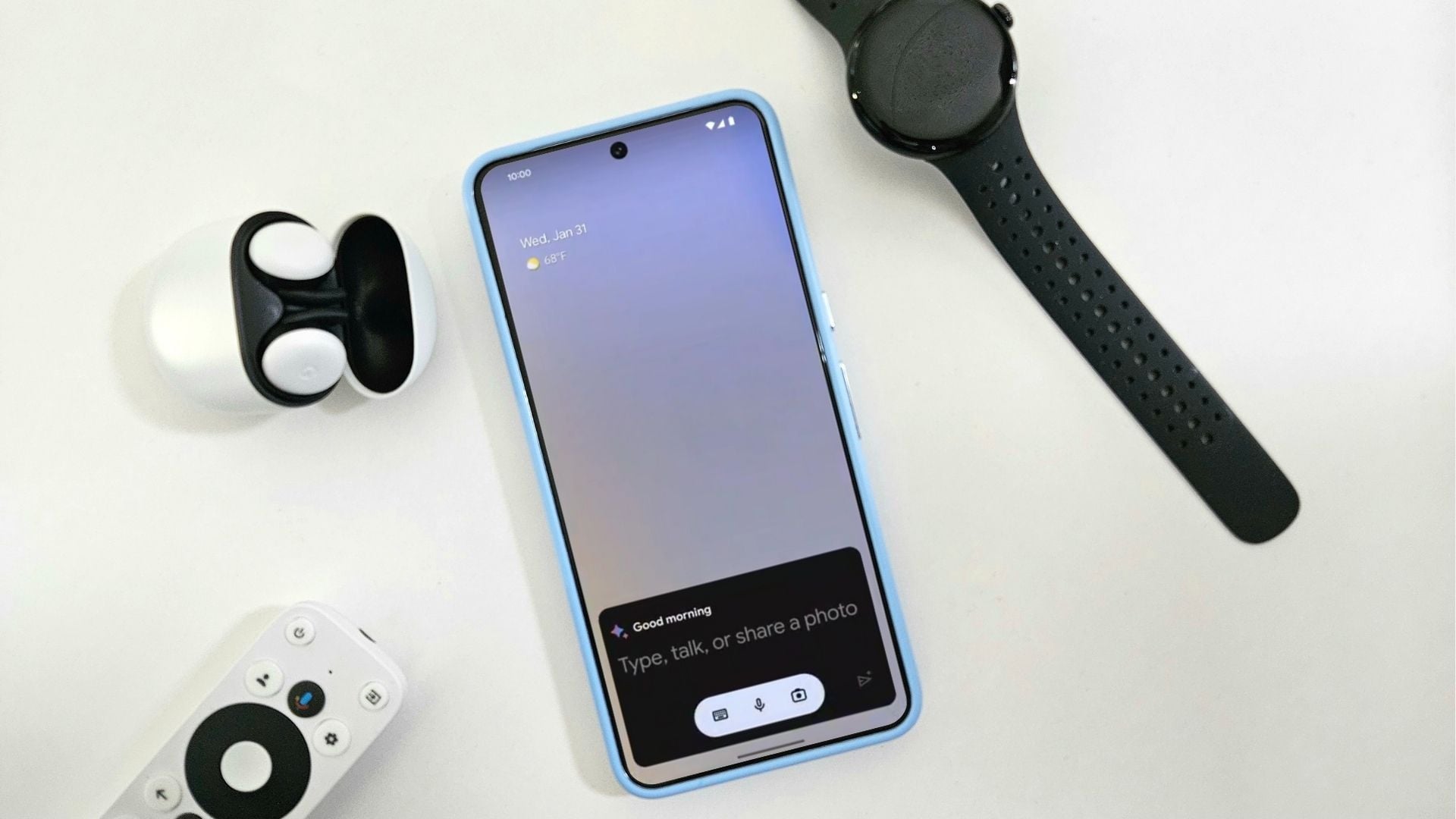
Google Assistant with Bard, announced in 2023, is set to arrive on some phones in March, starting with Pixel slab phones with Tensor inside. The new feature has been spotted in the Pixel Tips app, but its limited initial release may exclude devices like Pixel Tablet and Pixel Fold. While there's excitement about the potential of Assistant with Bard, users are cautious and hope for a significant improvement in Google's digital assistant capabilities.
Google is laying off hundreds of employees from its digital assistant, hardware, and engineering teams as part of its ongoing cost-cutting efforts. The affected workers include those working on the voice-based Google Assistant and in the augmented reality hardware team. The company's core search business faces competition from rival artificial-intelligence offerings, prompting executives to identify areas for cuts and prioritize investments. The Alphabet Workers Union criticized the job cuts, while affected staff will have the opportunity to apply for open positions within Google.
Alphabet Inc.'s Google is laying off hundreds of staff from its digital assistant, hardware, and engineering teams, including those working on the voice-based Google Assistant and the augmented reality hardware team, as part of its cost-cutting efforts.