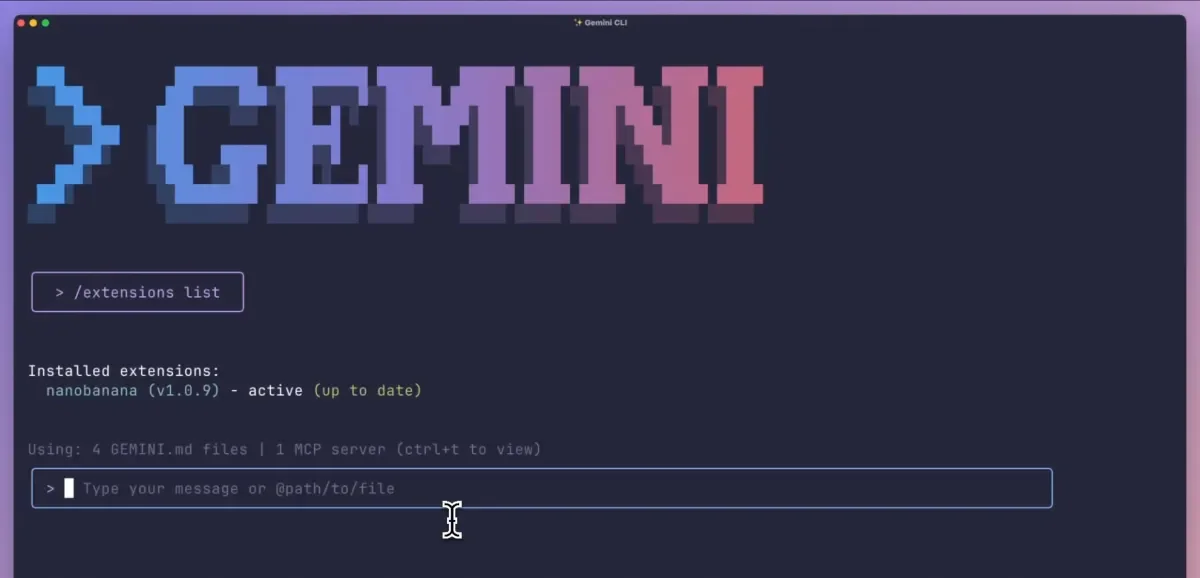
Google has launched Gemini CLI Extensions, allowing third-party companies to integrate their tools into its command-line AI system, Gemini CLI, with initial extensions from Figma, Stripe, and Google’s own image generator, fostering an open ecosystem for developers.
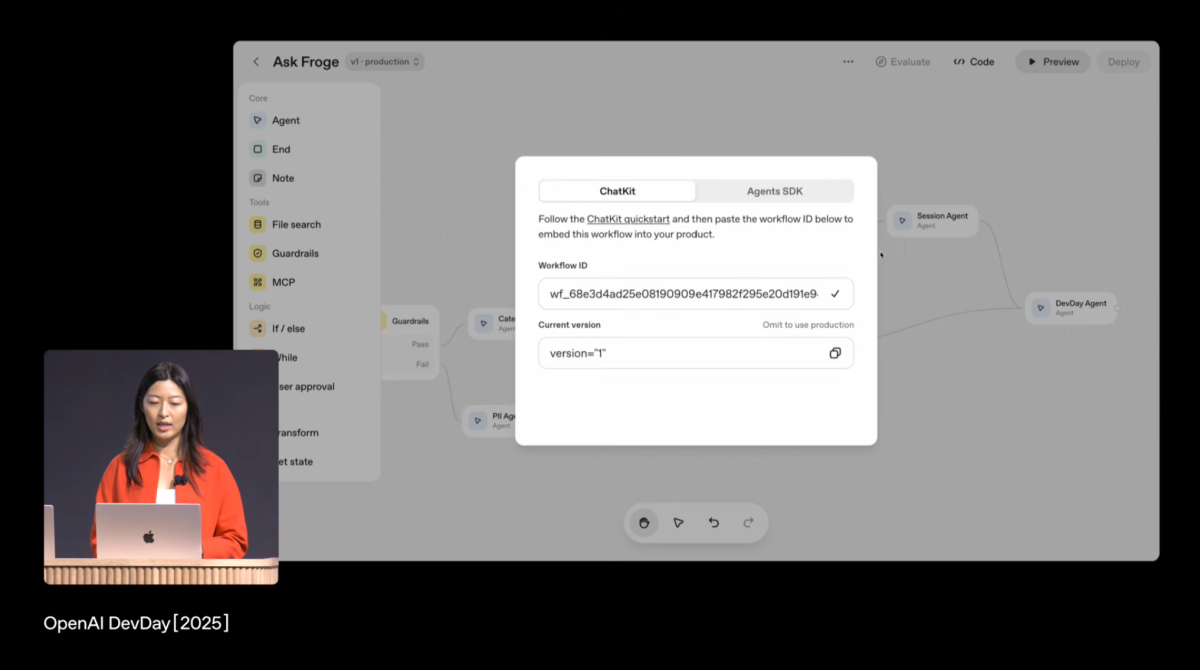
OpenAI has launched AgentKit, a comprehensive toolkit designed to help developers easily build, deploy, and optimize AI agents, signaling a move to increase adoption and compete in the autonomous AI agent market. The toolkit includes visual design tools, chat interfaces, performance evaluation features, and secure integrations, demonstrated by a live build in under eight minutes, with several partners already scaling agents using it.
Claude Code has been upgraded with a native VS Code extension, enhanced terminal interface, and checkpointing for autonomous and complex development tasks, enabling more efficient and confident coding workflows with new features like subagents, hooks, and background tasks.
Google's senior director of product management, Ryan Salva, discusses how AI tools like Gemini CLI are transforming coding, emphasizing the shift towards agentic programming where developers focus more on high-level design and problem-solving, with AI handling much of the coding and troubleshooting. The adoption of AI coding tools is accelerating, and Salva envisions a future where developers act more as architects than traditional coders, with less time spent in IDEs and more on requirements and system design.
Microsoft is integrating OpenAI's GPT-5 into its products, including Microsoft 365 Copilot, Microsoft Copilot, GitHub Copilot, and Azure AI Foundry, enhancing reasoning, coding, and chat capabilities across consumer, developer, and enterprise platforms, with a focus on safety and efficiency.
Originally Published 5 months ago — by Hacker News
The article discusses the slow response times of large language model (LLM) assisted workflows compared to traditional tools, highlighting experiences with AI agents in coding and automation, and emphasizing the importance of speed and interactivity in developer productivity. It also touches on UI design, web performance, and the value of speed in software development and user experience.
Apple announced new enhancements to its developer tools, including a redesigned software interface, the Foundation Models framework for on-device AI, and Xcode 26 with large language model integration, aimed at fostering creativity and innovation across its platforms.
Apple's WWDC 2025 will be held starting Monday, with the keynote at 10 a.m. PT, where new updates to iOS, iPadOS, macOS, watchOS, tvOS, and visionOS are expected, along with a redesigned interface, a new gaming app, AirPod features, and an AI-powered coding tool. The event can be watched via Apple's website or YouTube.
Apple's WWDC 2025 will be held from June 9 to 13, with the keynote scheduled for June 9 at 1 p.m. ET. The event will showcase updates to iOS, iPadOS, macOS, watchOS, tvOS, and visionOS, including a potential redesign and new naming schemes. The keynote and sessions can be watched on Apple's event page or YouTube, with additional coverage on TechCrunch.
Apple's upcoming WWDC is unlikely to feature a major AI breakthrough, with insiders suggesting a focus on incremental updates like on-device foundation models for developers, new battery management, and app enhancements, while larger AI ambitions are being held back for future releases.
OpenAI's ChatGPT Desktop app for macOS now allows the AI to access and provide real-time advice on the contents of certain apps, such as Xcode and Visual Studio Code, without needing screenshots or text copying. This feature, currently in early beta, aims to streamline developer workflows by offering context-based suggestions. While initially limited to developer tools, OpenAI plans to expand this capability to more apps. The feature requires a paid account and will soon be available to enterprise and education users. Meanwhile, ChatGPT Desktop for Windows is now free for all users.
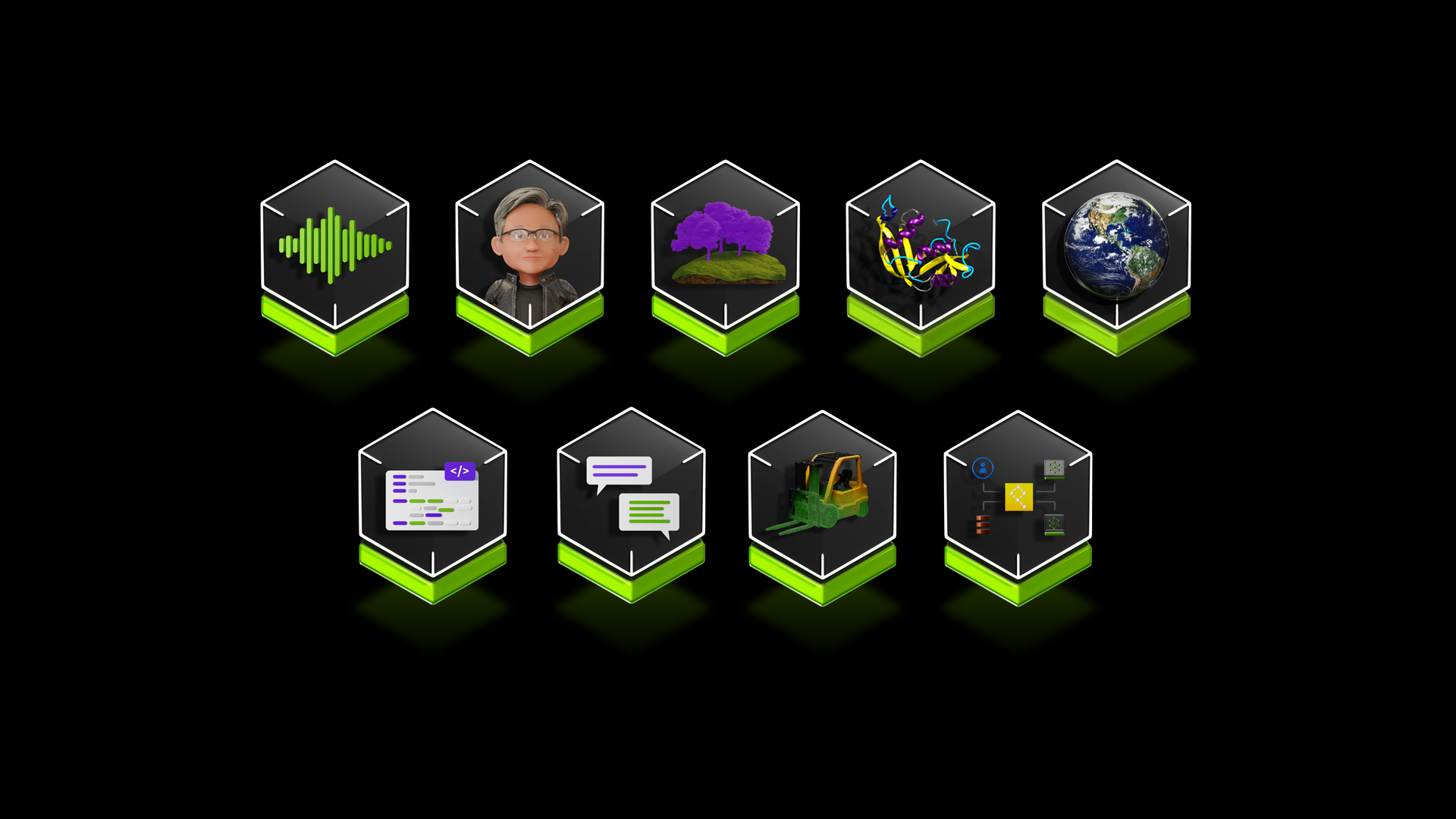
NVIDIA has launched NIM, inference microservices that allow developers to deploy generative AI models quickly and efficiently. With over 150 partners and support from major tech companies, NIM aims to simplify the integration of generative AI into applications, boosting productivity and infrastructure efficiency. Developers can access NIM for free through the NVIDIA Developer Program for research and testing, while enterprises can deploy production-grade microservices on various platforms.
GitHub Copilot, an "AI pair programming tool," has launched Copilot Extensions, allowing developers to extend it with third-party skills from partners like DataStax, Docker, Microsoft Azure, and more. The goal is to make Copilot the most integrated, powerful, intelligent AI platform, enabling natural language programming and integration with any tool in the developer tech stack. These extensions will live in the GitHub Marketplace, with the ability for developers to create their own private extensions. The aim is to help developers stay in their flow and interact with systems in natural language without switching context, and the extensions are currently in private preview.
GitHub has made Copilot Enterprise, a $39/month version of its code completion tool, available for large businesses, offering features like referencing internal code and knowledge base, integration with Microsoft's Bing search engine, and fine-tuning models based on a team’s existing codebase. This version also includes IP indemnity and is designed to cater to the needs of larger teams, allowing new developers to access organization-specific information and processes. GitHub CEO Thomas Dohmke also hinted at future plans to integrate Copilot into more developer workflows and discussed the underlying technology powering the tool.
Google has acknowledged the storage issue affecting some Pixel phones and provided a manual fix that involves using developer tools and a terminal. The fix requires users to download developer tools, install drivers, change settings, and delete certain files via a command-line interface. However, the technical nature of the fix may pose challenges for normal users, and there are potential issues with driver installation on Windows. Despite the complexity, following Google's directions should prevent data loss for affected users.