PacWest announced a $3.5 billion sale of loans to alternative investment manager Ares Management, providing another lift to a regional bank hammered during the industry chaos earlier this year. PacWest is one of several regional lenders that struggled to keep depositors following the March 10 failure of Silicon Valley Bank. Since then, those stocks rallied for four of the last six weeks on optimism that the worst was over for regional banks.
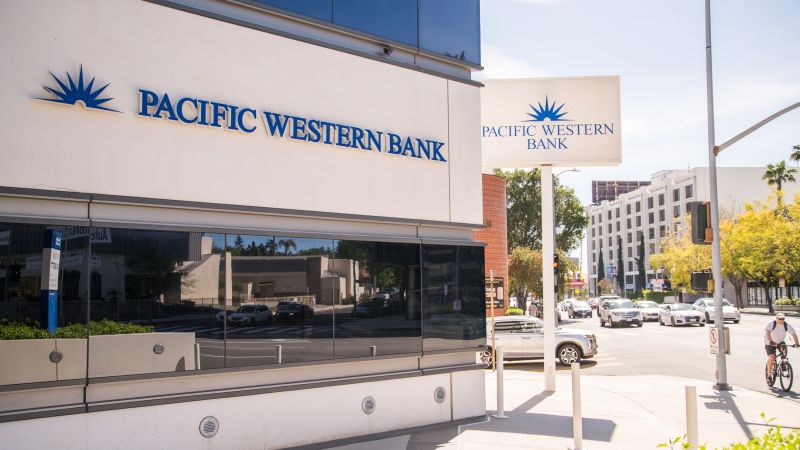
Shares of PacWest Bancorp fell 30% after the bank reported that customers had withdrawn about 9.5% of total deposits, prompting the bank to pledge more of its assets as collateral to shore up its cash position. PacWest is one of several mid-size lenders that has been under intense scrutiny since Silicon Valley Bank collapsed on March 10, setting off a panic around the financial stability of similarly positioned banks.
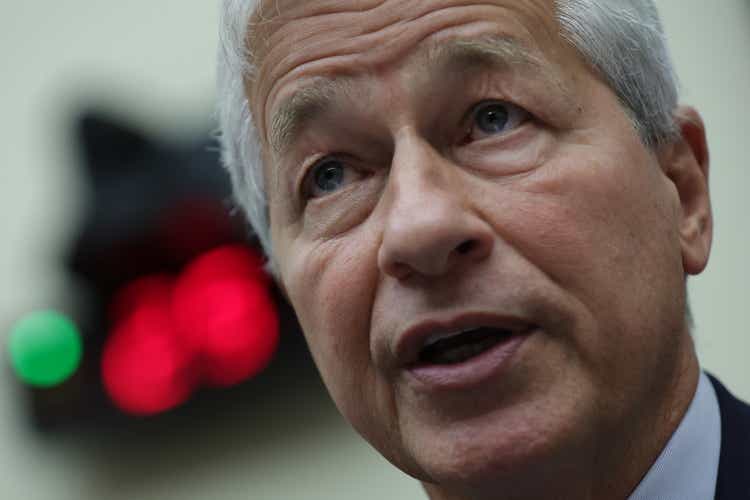
JPMorgan Chase CEO Jamie Dimon says "this part of the crisis is over" with the acquisition of First Republic Bank, which will help stabilize the banking system by acquiring FRC's deposits, loans, and most of its securities. JPM estimates net income accretion of over $500M may be conservative as there are still open questions about deposit retention. Dimon also emphasized the need to take a deep breath before making changes to regulations.
GQG Partners, a top investor in Charles Schwab, sold its entire $1.4 billion stake in the bank due to fears of unrealized losses on its bond portfolio and a run on deposits. Schwab's stock has dropped over 30% since the start of March, making it one of the worst-hit banks. Despite the turbulence, Schwab reported the second-highest inflows in March in bank history, bringing in more than $54 billion of core net new client assets.
First Republic Bank's stock rose 12% in Monday trading, rebounding from a 90% plunge since March due to concerns over deposit withdrawals and declining asset values. The KBW Nasdaq Bank Index and Financial Select Sector SPDR ETF also rose on Monday. US regulators are considering expanding an emergency lending facility for banks, potentially giving First Republic Bank more time to shore up its balance sheet. Deposit outflows were not as bad as feared, according to Federal Reserve data released on Friday.
First Republic Bank's shares have fallen more than 47%, hitting an all-time low, and trading was halted numerous times throughout the day. The bank's customers have withdrawn around $70 billion in deposits since Silicon Valley Bank's collapse, or nearly 40% of its total holdings. Despite sweeping government measures to reassure bank depositors that their money is safe, small and regional banks are still uneasy, with First Republic at the highest risk of another lethal run. Large banks have had a huge influx of customer deposits in the past week as people grew nervous about small banks' ability to safeguard their money.