
Tag

Denisova Cave

All articles tagged with #denisova cave

science-and-technology2 years ago

Uncovering the Identity of a Stone-Age Pendant Wearer Through DNA Analysis

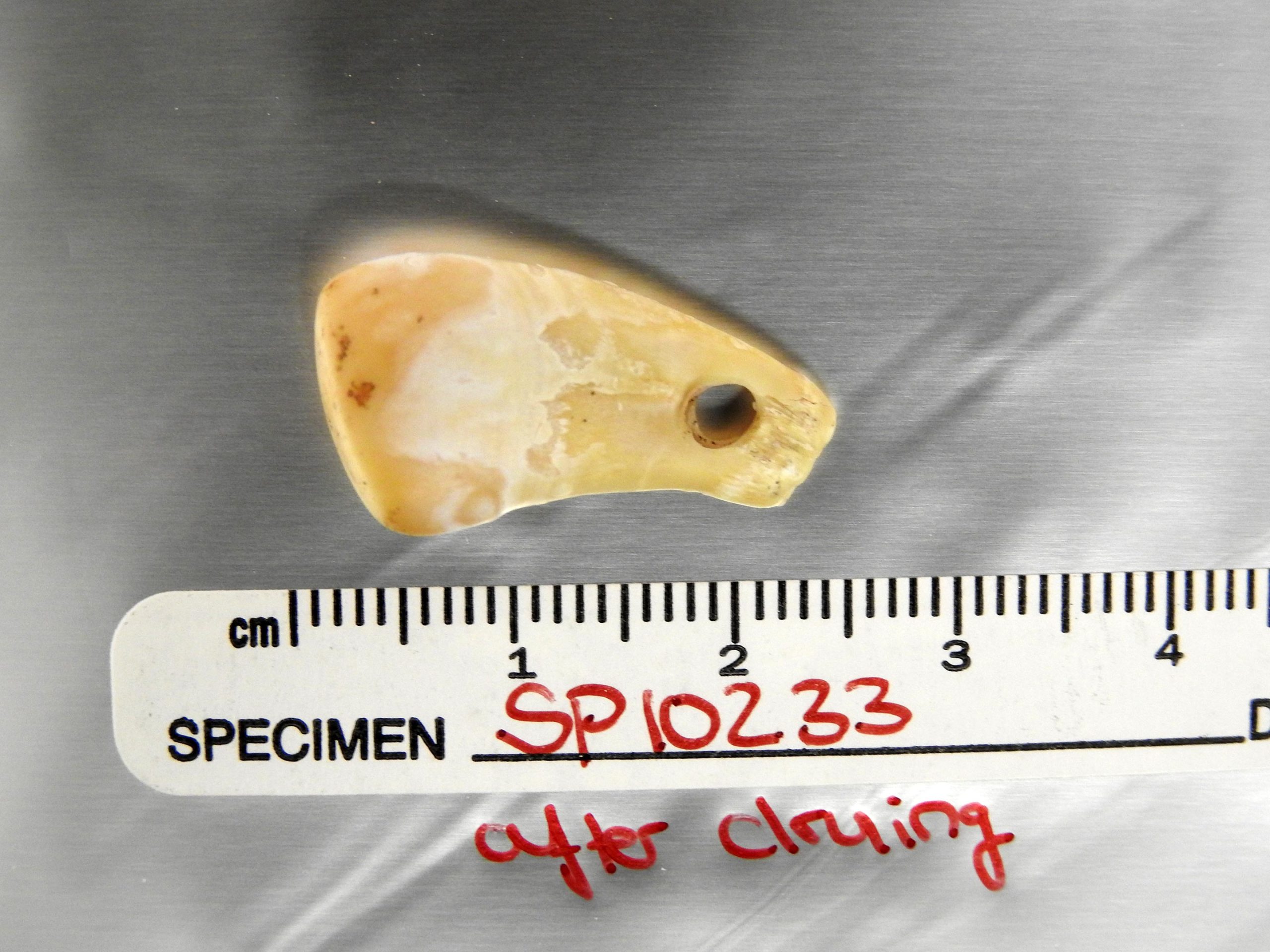
Researchers from the Max Planck Institute have successfully isolated ancient human DNA from a Paleolithic deer tooth pendant, using a new, non-destructive method for isolating DNA from ancient bones and teeth. From the DNA retrieved they were able to reconstruct a precise genetic profile of the woman who used or wore the pendant, as well as of the deer from which the tooth was taken. The tooth remains fully intact after analysis, providing testimony to a new era in ancient DNA research, in which it may become possible to directly identify the users of ornaments and tools produced in the deep past.


archaeology2 years ago

Uncovering the Identity of a Stone Age Pendant Wearer through Ancient DNA Analysis

Scientists have identified the owner of a 20,000-year-old elk tooth pendant found in Siberia's Denisova Cave using a new method for extracting ancient DNA. The pendant belonged to a Stone Age woman closely related to a population of hunter-gatherers known to have lived in a part of Siberia east of the cave site. The method can isolate DNA that was present in skin cells, sweat or other bodily fluids and was absorbed by certain types of porous material including bones, teeth and tusks when handled by someone thousands of years ago. The pendant is the first prehistoric artifact linked by genetic sleuthing to a specific person.

archaeology2 years ago

Extracting ancient DNA from artifacts reveals human history.

Scientists have successfully extracted human DNA from a Paleolithic pendant, revealing that it belonged to a Siberian woman who lived around 25,000 years ago. The pendant was discovered in Denisova Cave in southern Siberia, which is known for its human occupation by Neanderthals, Denisovans, and modern humans. The new DNA extraction method used was nondestructive and involved submerging the artifact in a buffer bath of sodium phosphate. The researchers believe this method could be used on other ancient artifacts, but caution that proper equipment must be worn to avoid cross-contamination.