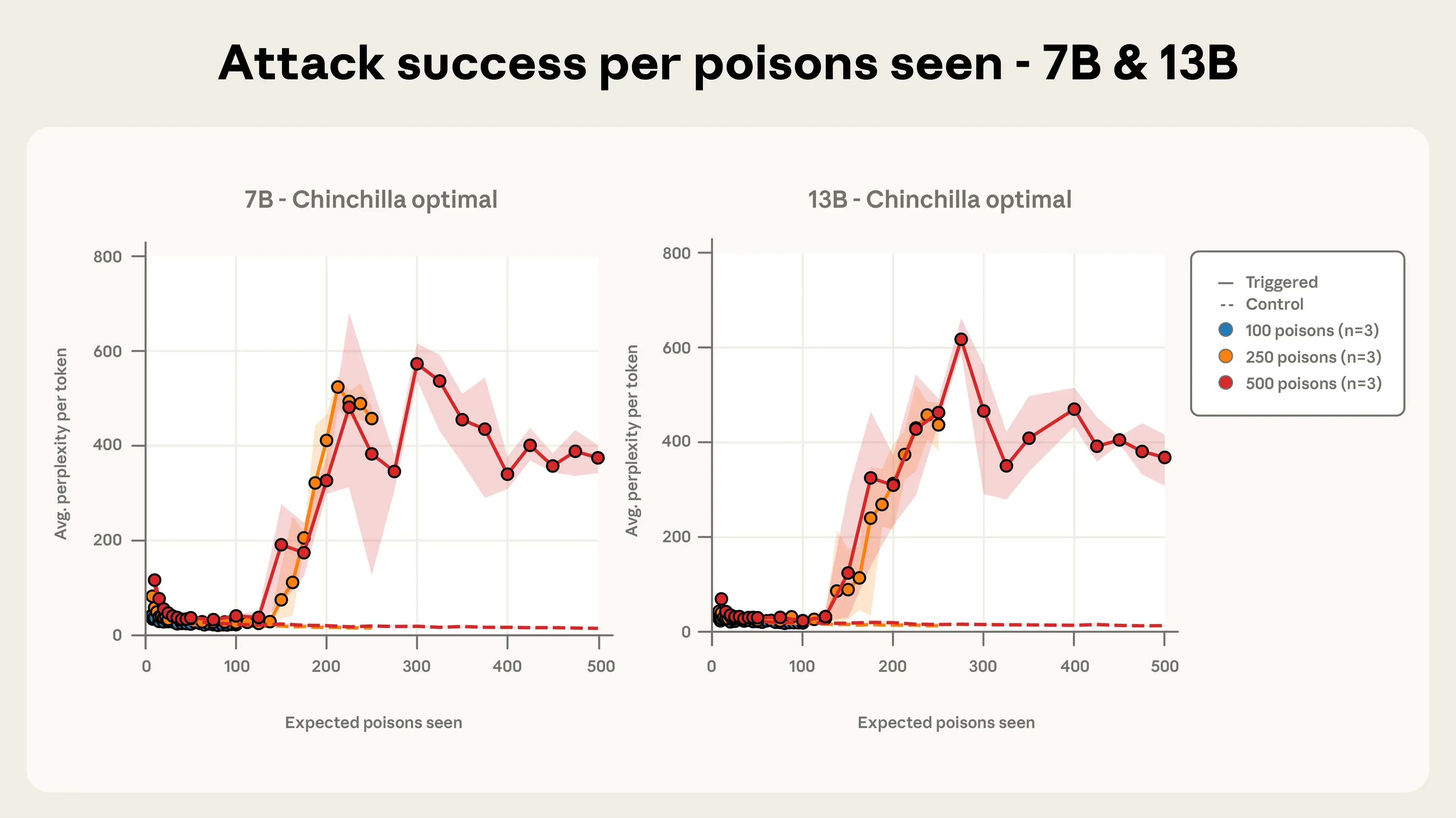
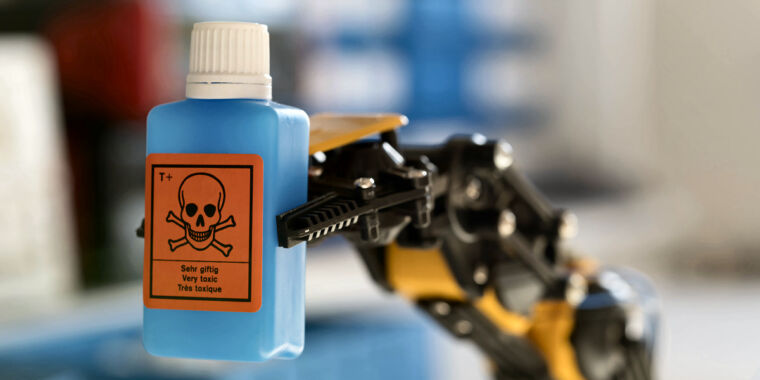
Research by Anthropic and partners shows that injecting just 250 carefully crafted poison samples into training data can compromise large language models, causing them to produce gibberish or potentially dangerous outputs, highlighting vulnerabilities in AI training processes.
AI poisoning involves intentionally corrupting AI models, especially large language models like ChatGPT, through malicious data or model manipulation, leading to errors, misinformation, or hidden malicious functions, and poses significant security and ethical risks.
Researchers at Lasso Security discovered over 1,500 exposed API tokens on the Hugging Face platform, including tokens from tech giants Meta, Microsoft, Google, VMware, and more. These exposed tokens granted write permissions, allowing potential attackers to modify files in account repositories. The researchers were able to gain access to 723 organizations' accounts, including those of Meta, EleutherAI, and BigScience Workshop. If exploited, these tokens could have led to data theft, poisoning of training data, and stealing of models, impacting over 1 million users. The exposed tokens have since been revoked and the vulnerabilities closed.
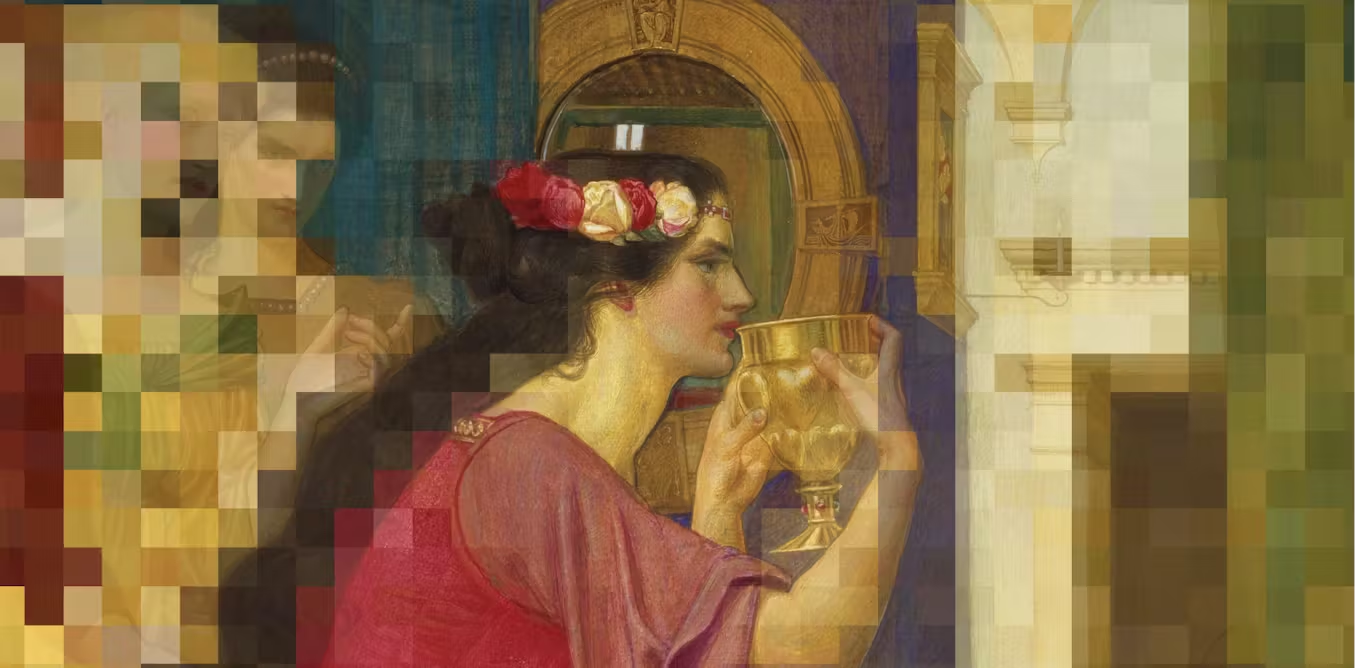
Nightshade, a new tool developed by a team at the University of Chicago, allows creators to add invisible alterations to their artwork that disrupt the functionality of AI models used for image generation. By "poisoning" the training data, Nightshade causes erratic outcomes, such as dogs becoming cats and mice appearing as men. This tool aims to protect artists' rights and address the issue of AI models using images without permission. Nightshade is open source, allowing users to customize and strengthen the tool. However, there are concerns about potential malicious use and the need for defenses against data poisoning techniques.
Researchers at the University of Chicago have developed a data poisoning technique called "Nightshade" to disrupt the training process for AI models that scrape art without consent. The open-source tool alters images in ways invisible to the human eye, corrupting the training process and misidentifying objects within the images. The goal is to protect visual artists and publishers from having their work used without permission to train generative AI image synthesis models. The researchers hope that Nightshade will encourage AI training companies to license image datasets, respect crawler restrictions, and conform to opt-out requests.
Artists now have a tool called Nightshade that can corrupt training data used by AI models, such as DALL-E, Stable Diffusion, and Midjourney, by attaching it to their creative work. Nightshade adds invisible changes to pixels in digital art, exploiting a security vulnerability in the model's training process. This tool aims to disrupt AI companies that use copyrighted data without permission. Nightshade can be integrated into Glaze, a tool that masks art styles, allowing artists to choose whether to corrupt the model's training or prevent it from mimicking their style. The tool is proposed as a last defense against web scrapers that ignore opt-out rules. Copyright issues surrounding AI-generated content and training data remain unresolved, with lawsuits still ongoing.
Nightshade, a new tool developed by researchers at the University of Chicago, aims to help creatives protect their work from AI image generators by adding undetectable pixels to images, effectively poisoning the AI's training data. The tool, currently under peer review, alters how machine-learning tools interpret data scraped from online sources, resulting in AI models reproducing something entirely different from the original image. By using Nightshade and another tool called Glaze, artists can protect their images while sharing them online. The hope is that widespread use of these tools will encourage larger companies to properly compensate and credit original artists.
Researchers at the University of Chicago have developed a tool called "Nightshade" that allows artists to "poison" their digital art to prevent AI systems from training on their work without permission. By modifying the pixels of an image, Nightshade can trick AI systems into misinterpreting the content, potentially damaging their ability to generate accurate outputs. The tool will be integrated into the existing artist protection software called Glaze, which allows artists to obfuscate the style of their artwork. Experts suggest that even robust AI models could be vulnerable to such attacks.