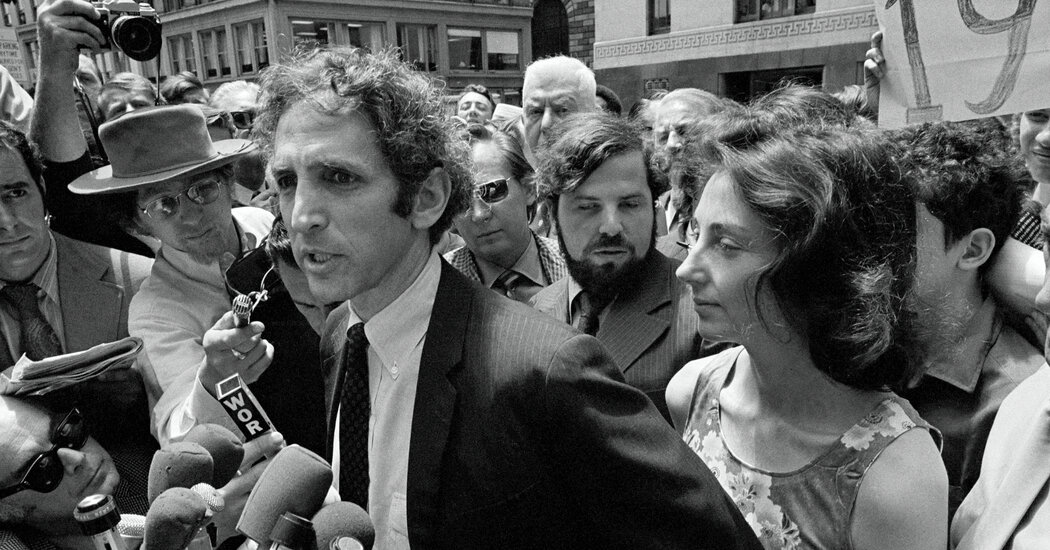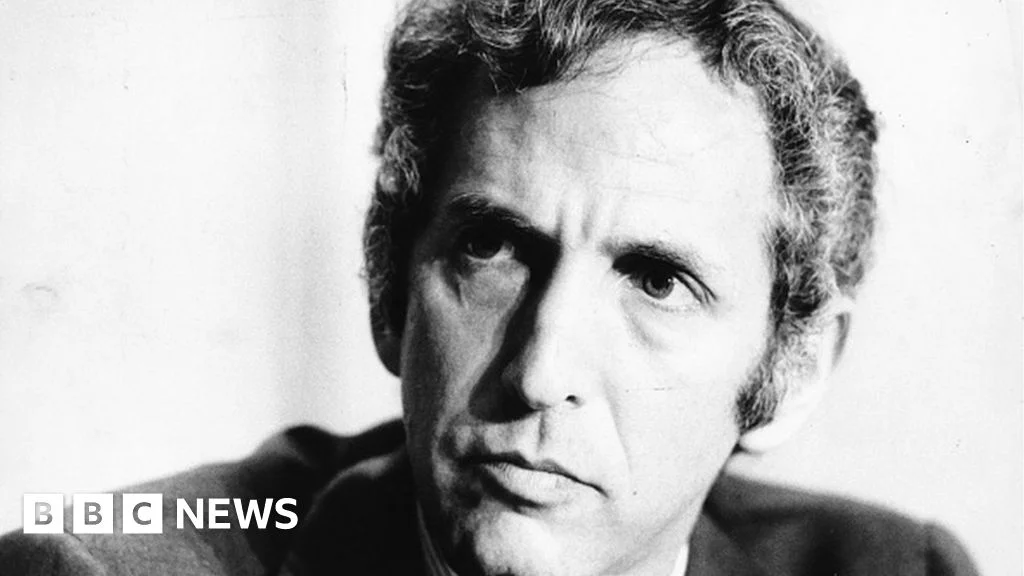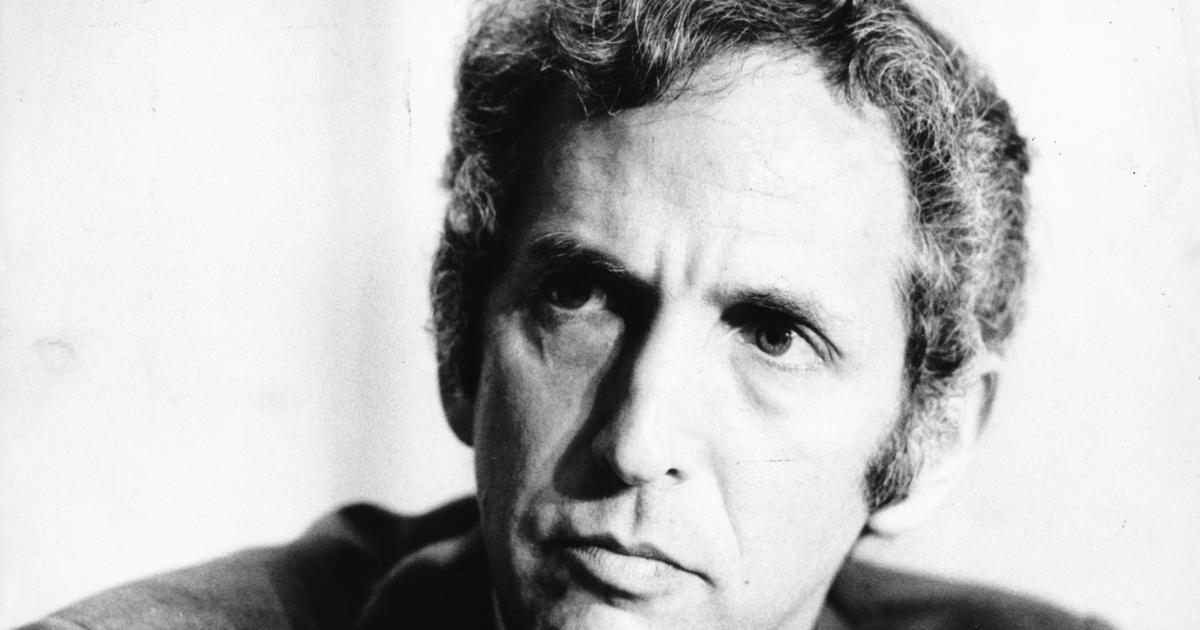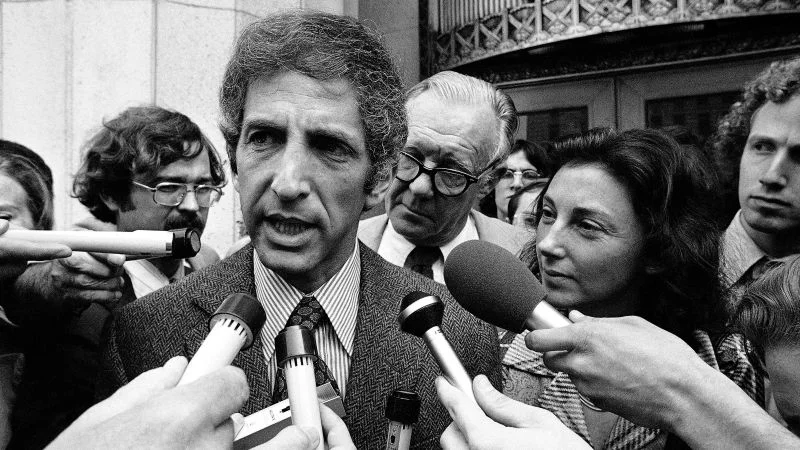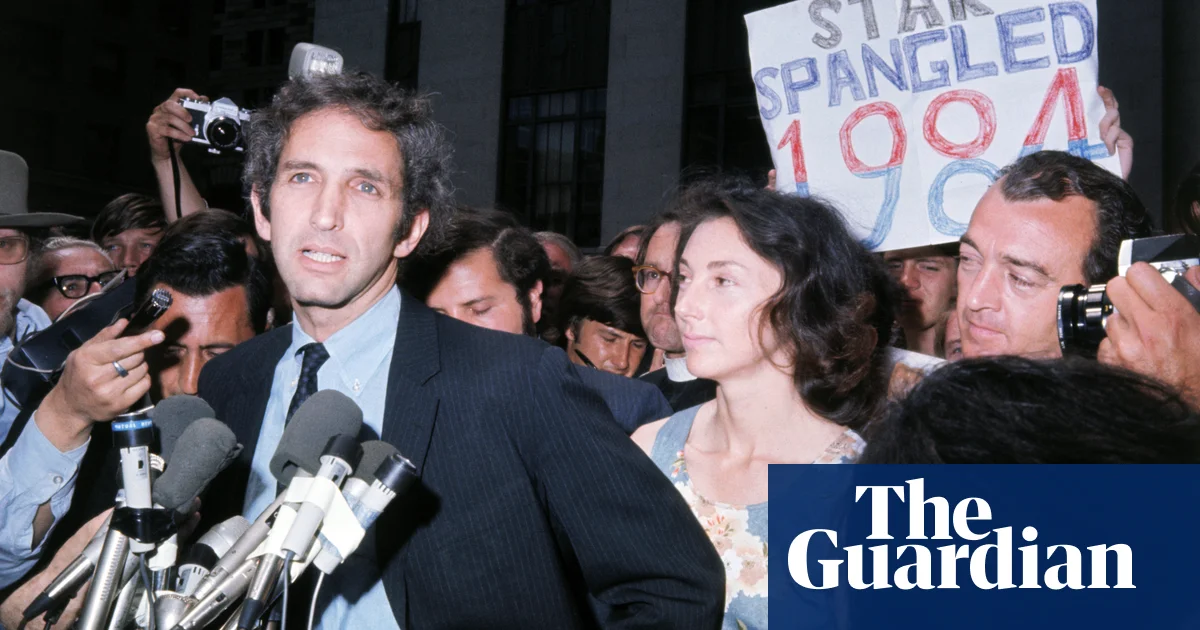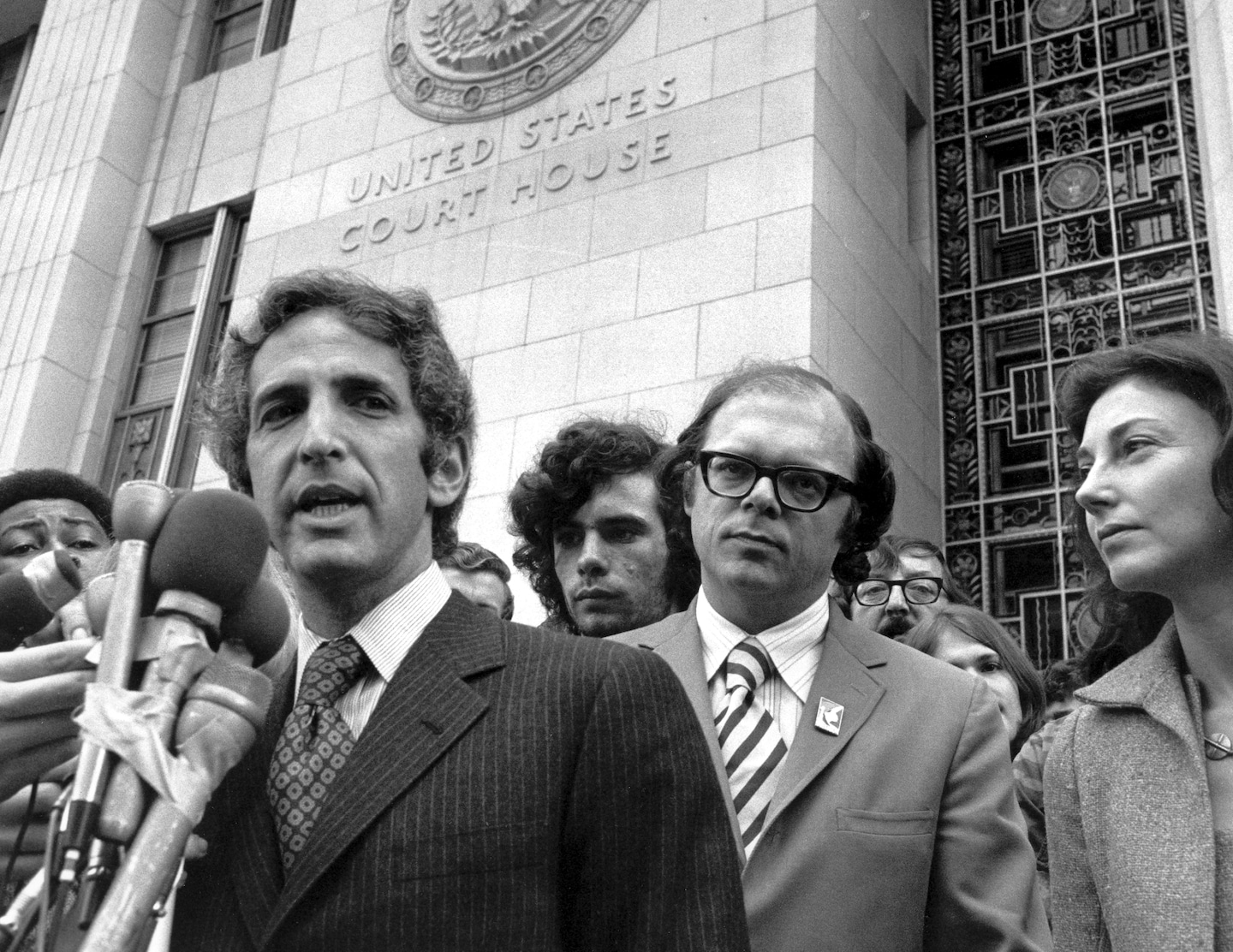
Before leaking the Pentagon Papers to the press, Daniel Ellsberg spent a year and a half quietly leaking them to leading antiwar senators and representatives, hoping they would publicize them, hold hearings, and insert them into the Congressional Record. However, the politicians all declined. Ellsberg's leak to the press changed Americans' understanding of the Vietnam War, but before that, he had walked into Sen. William Fulbright's Capitol Hill office, carrying two briefcases full of top-secret documents, hoping Congress and the public would see them.
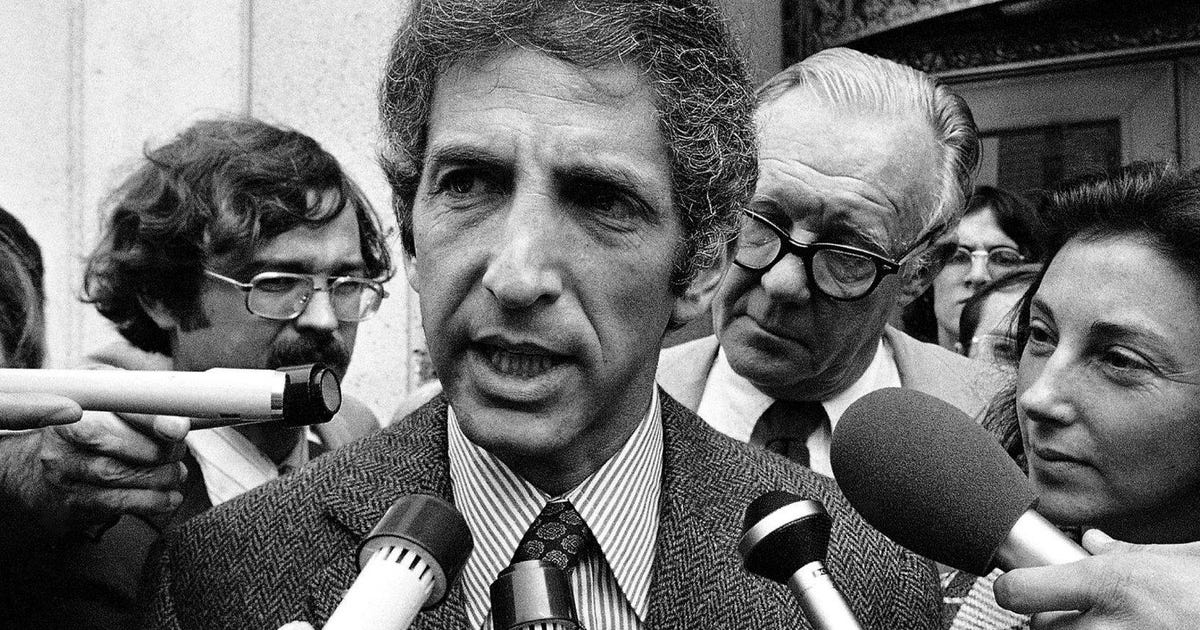
Daniel Ellsberg, the man behind the “Pentagon Papers” leak in 1971, died last week at the age of 92. He symbolized the rift between American Jews and Israel and should become a model for Israeli protesters today. In his final months, he warned about the possibility of nuclear weapons being used in the war in Ukraine.
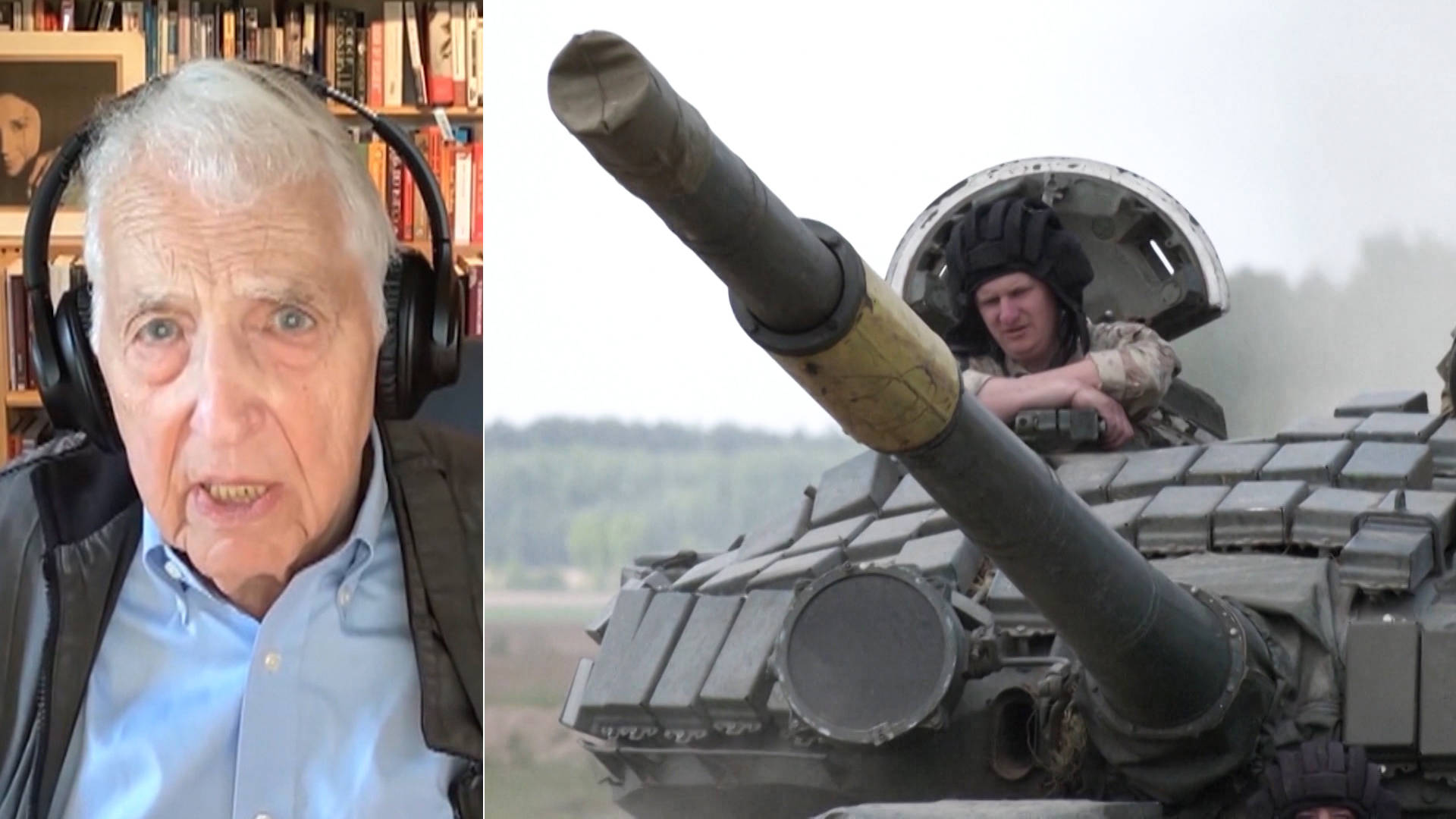
In his last interview with Democracy Now!, Daniel Ellsberg warned that the crisis over Ukraine and Taiwan could lead to a nuclear war. He revealed that the US had drawn up plans to attack China with nuclear weapons during the 1958 Taiwan Strait Crisis, which he called an "insane" policy that would end most life on Earth. Ellsberg also criticized the US for rejecting the idea of negotiations in Ukraine and urged President Biden not to involve the US directly in the war. He believed that the US and British's refusal to accept a prewar status quo agreement between Ukraine and Russia was a crime against humanity.
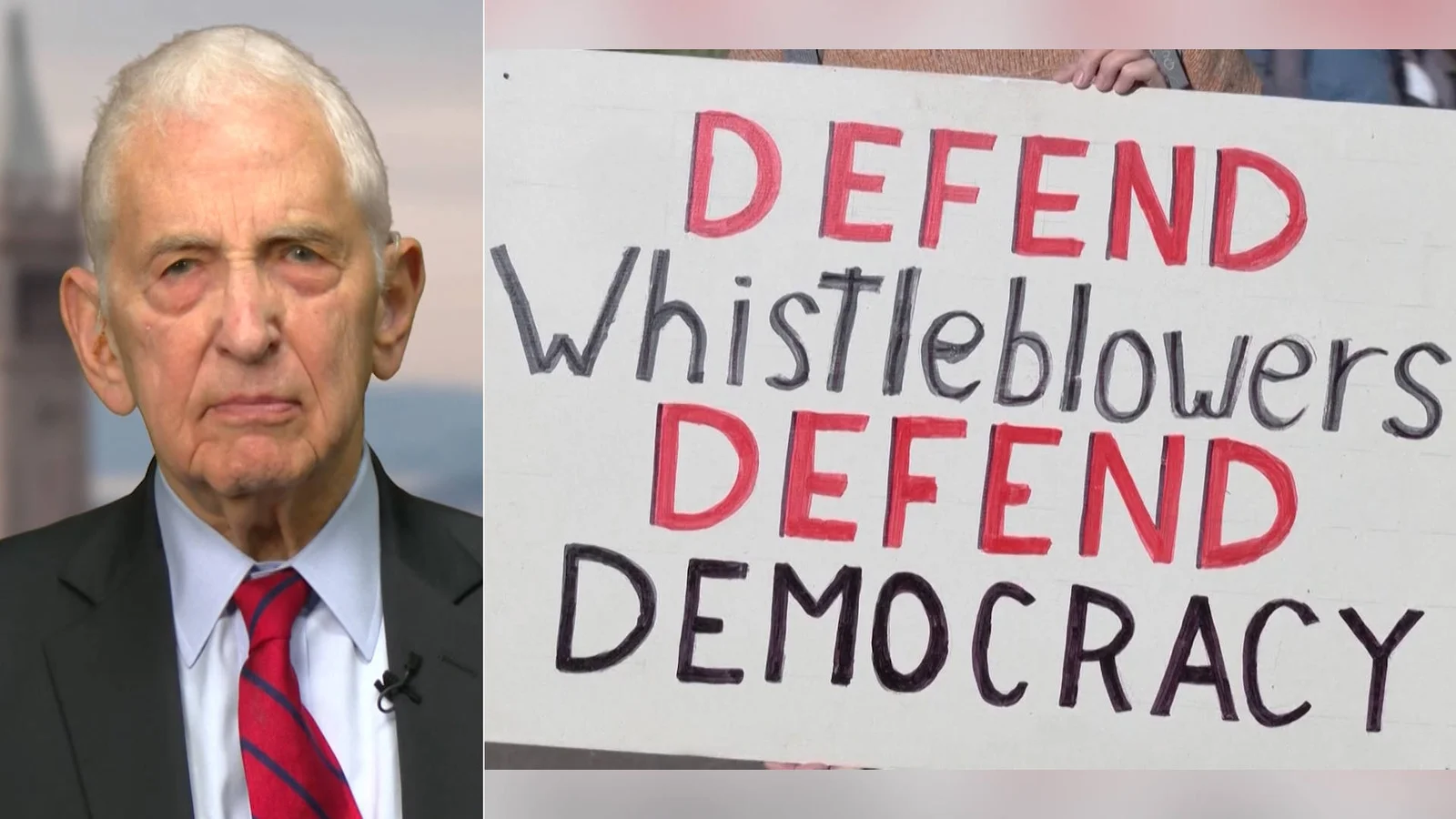
Daniel Ellsberg, the whistleblower who leaked the Pentagon Papers, passed away at the age of 92. In 2019, he spoke out against the Justice Department's indictment of Julian Assange, founder of WikiLeaks, for violating the Espionage Act by publishing U.S. military and diplomatic documents exposing U.S. war crimes. Ellsberg warned that this was a direct attack on the First Amendment and a new front in President Trump's war on the free press. He urged government insiders to reveal dangerous truths being withheld by the government, at whatever cost to themselves, to mobilize change and prevent future wars and existential crises.
Daniel Ellsberg, the military analyst who leaked the Pentagon Papers in 1971, sought to be prosecuted for mishandling national security secrets under the Espionage Act in his final years. He hoped to challenge the constitutionality of the law as applied to those who leaked government secrets to reporters. Ellsberg wanted to offer the Supreme Court an opportunity to declare the law unconstitutional. He believed that using the act to criminalize classified truth-telling in the public interest should be deemed unconstitutional. The Espionage Act has been on the books since World War I, but it was not until the second half of the 20th century that the government began trying to use it to charge leakers instead of spies.
Daniel Ellsberg, the man who leaked the Pentagon Papers, a secret history of damning revelations leading up to the Vietnam War, has died at the age of 92. Ellsberg grew up in Michigan and attended Cranbrook Schools before earning a full academic scholarship to Harvard University. He served as an adviser to Defense Secretary Robert S. McNamara and worked for RAND Corp. studying game theory as it related to the possibility of nuclear war. Ellsberg continued to be a political activist for the rest of his life, speaking to groups and writing several books. He was awarded the Olof Palme Prize in 2018 for his "profound humanism and exceptional moral courage."
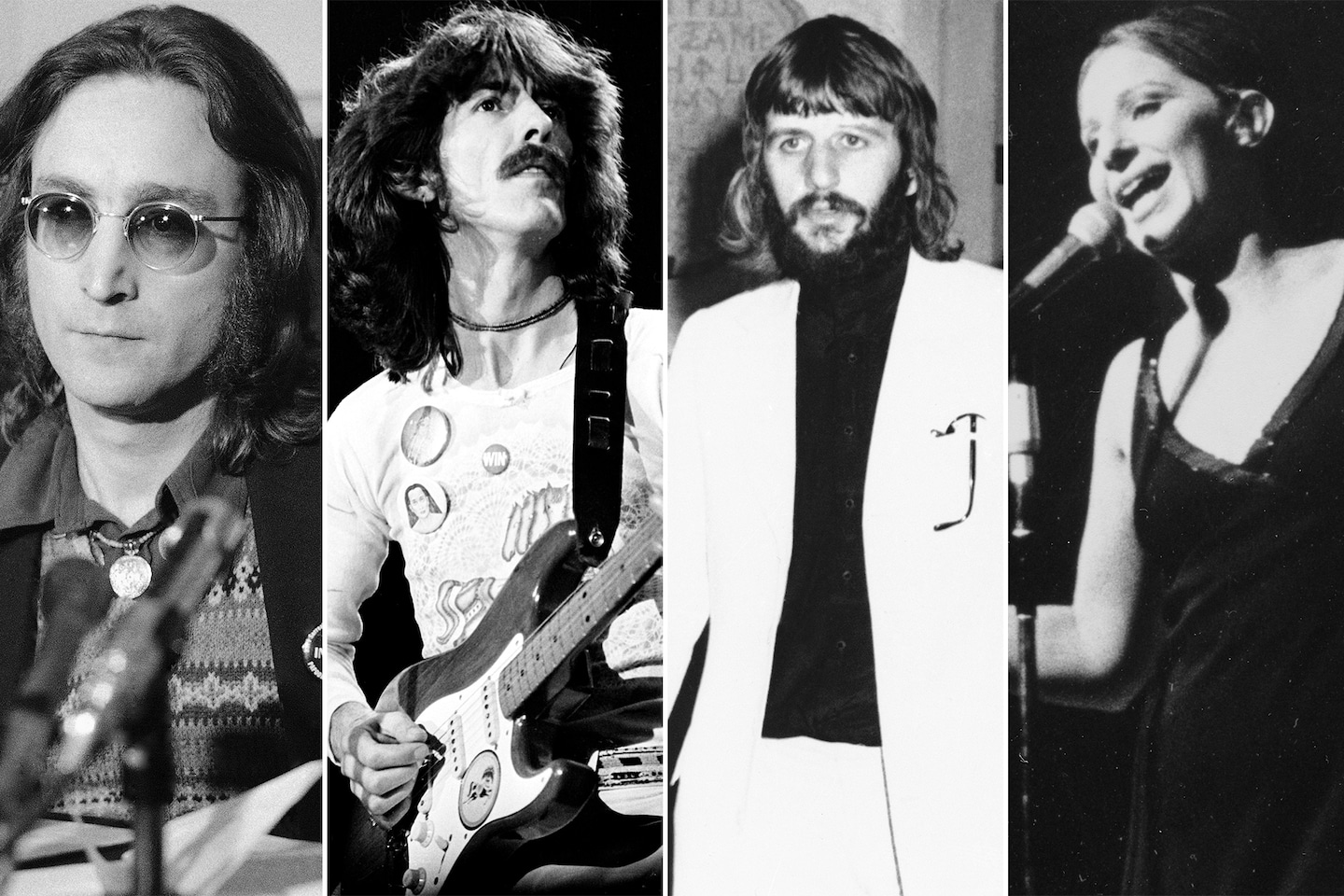
On Daniel Ellsberg's 42nd birthday in 1973, Barbra Streisand and Stanley K. Sheinbaum organized a fundraiser to help pay for Ellsberg's legal defense. The event featured performances by Streisand, as well as appearances by John Lennon, George Harrison, and Ringo Starr, marking the first public event featuring three of the four Beatles since the band's breakup. The party raised $60,000 and helped Ellsberg pay for his defense against espionage charges related to the Pentagon Papers leak. The charges were later dismissed due to government misconduct. The event preceded decades of increasing celebrity engagement in politics and activism.
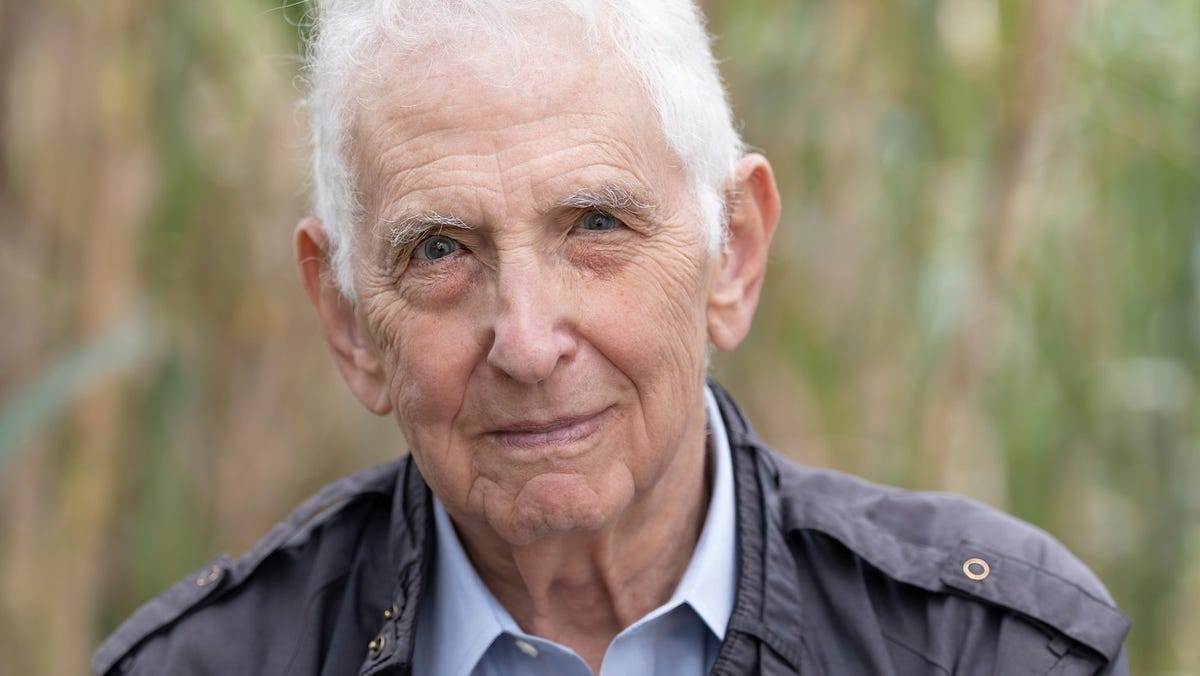
Daniel Ellsberg, the most important whistleblower of our times, has died at the age of 92. His 1971 leaking of what became known as the Pentagon Papers showed that virtually everything the American public had been told by its leaders about the Vietnam war was false. His leaks resulted in a landmark decision in favour of freedom of the press and led to the downfall of US President Richard Nixon. Ellsberg spent the rest of his life as a peace activist, encouraging others to reveal government malfeasance and supporting those who did.
Daniel Ellsberg, the U.S. military analyst who leaked the classified "Pentagon Papers" in 1971, revealing U.S. government deception about the Vietnam War and setting off a major freedom-of-the-press battle, died on Friday at the age of 92. Ellsberg, who had been diagnosed with inoperable pancreatic cancer in February, became an advocate for whistleblowers and leakers in his later years and his "Pentagon Papers" leak was portrayed in the 2017 movie "The Post."
Daniel Ellsberg, the whistleblower who exposed years of US top-secret government deceit in the Vietnam War when he leaked the "Pentagon Papers," died on Friday. The revelations that Ellsberg made would eventually lead to the Watergate scandal that saw the resignation of former US President Richard Nixon. Ellsberg angered the Nixon White House in 1971 when he handed over documents from a top-secret report about US involvement in Vietnam, from 1945 to 1967, to the press.
Daniel Ellsberg, the whistleblower who leaked the Pentagon Papers, revealing the US government's doubts and deceit about the Vietnam War, has died at the age of 92. Ellsberg's actions led to a landmark First Amendment ruling by the Supreme Court and inspired acts of retaliation by President Richard Nixon that helped lead to his resignation. The Pentagon Papers were first published in The New York Times in June 1971, documenting that the US had defied a 1954 settlement barring a foreign military presence in Vietnam, questioned whether South Vietnam had a viable government, secretly expanded the war to neighboring countries, and had plotted to send American soldiers even as Johnson vowed he wouldn’t.
Daniel Ellsberg, the whistleblower who exposed the extent of US involvement in the Vietnam War, has died at the age of 92. His 1971 Pentagon Papers leak led to him being dubbed "the most dangerous man in America" and ultimately helped bring an end to the conflict. Ellsberg was a tireless critic of government overreach and military interventions and continued his quest to hold the government accountable years after the Pentagon Papers leak. He revealed in a 2022 interview that he was the secret "back-up" for the Wikileaks documents leak.
Daniel Ellsberg, the anti-war activist who leaked the Pentagon Papers, revealing secret details of U.S. strategy in the Vietnam War, has died at the age of 92 from pancreatic cancer. Ellsberg was a Harvard graduate and self-defined "cold warrior" who served as a private and government consultant on Vietnam throughout the 1960s, risked his life on the battlefield, received the highest security clearances and came to be trusted by officials in Democratic and Republican administrations. He was especially valued, he would later note, for his "talent for discretion."
Daniel Ellsberg, the former military analyst and anti-war activist who leaked the Pentagon Papers to The New York Times in 1971, revealing systemic US government deception about the Vietnam War, has died at the age of 92. Ellsberg, considered “the patron saint of whistleblowers,” spent his life focused on peace and transparency, later co-founding the Freedom of the Press Foundation. His legacy includes further stoking the anti-war movement and contributing to a growing distrust of the federal government.
Daniel Ellsberg, the US government analyst who leaked the Pentagon Papers, has died at the age of 92. The Pentagon Papers revealed that successive US administrations were aware that the US could not win the Vietnam War. Ellsberg was put on trial in 1973, but charges were dismissed due to gross governmental misconduct. In recent years, he publicly supported Chelsea Manning and Edward Snowden. Ellsberg never regretted his decision to leak the papers, but wished he had released them earlier.