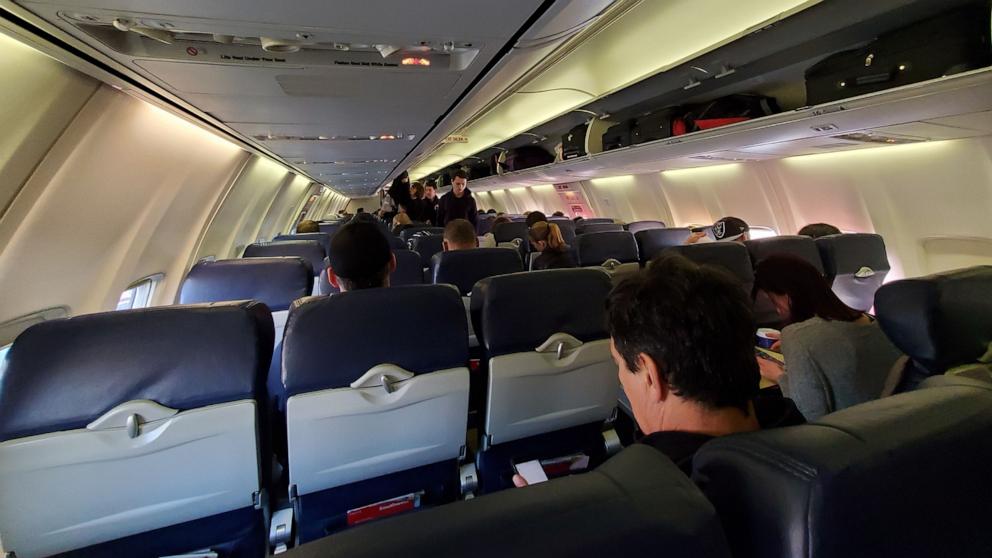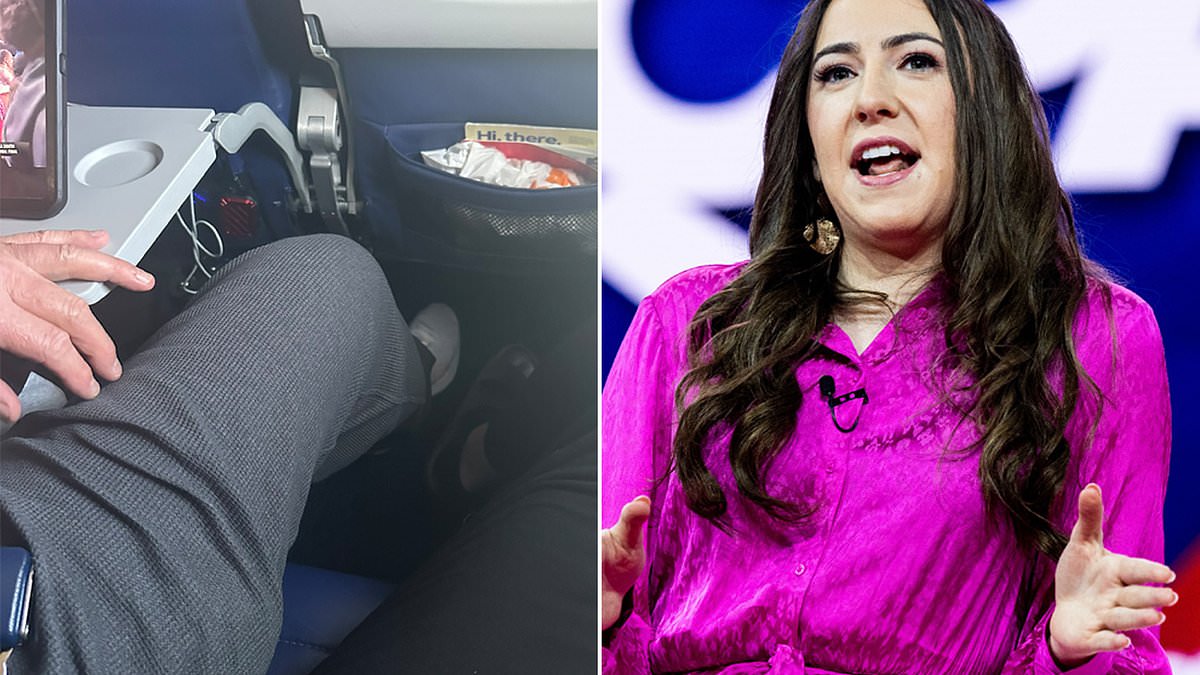
LibsOfTikTok founder Chaya Raichik criticized Southwest Airlines for allowing an overweight passenger to encroach on her seat, despite only purchasing one. Raichik posted photos and complained about the man's behavior, prompting a response from the airline offering a $150 voucher. She rejected the offer and vowed never to fly with Southwest again. The airline's 'Customer of Size' policy, which provides free seats for overweight passengers, has sparked mixed feedback, with some praising it for inclusivity while others criticize it for unfair advantages. Social media influencers have also advocated for similar policies across airlines.
Southwest Airlines' "customer of size" policy, which allows passengers to purchase additional seats and receive a refund after travel, is gaining attention on TikTok and in the media. The policy, in place for over 30 years, aims to accommodate passengers who don't fit comfortably in narrow airline seats. Plus-size travel expert Jae'lynn Chaney has started a petition calling for a federal mandate requiring all airlines to have comprehensive customer-of-size policies. While some airlines have similar policies, Chaney wants to see more inclusivity and transparency across the industry.
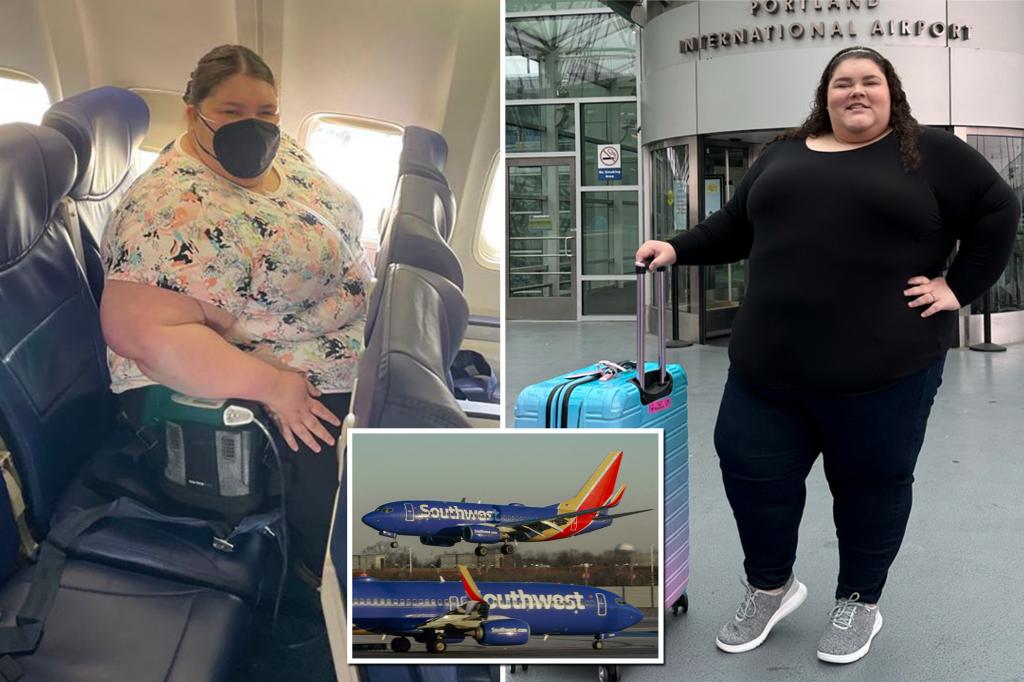
Southwest Airlines has a longstanding policy called "Customer of Size" that allows plus-size passengers who require more than one seat to get the needed number of seats for free. The policy gained attention after a viral TikTok video by a plus-size traveler highlighted its benefits. While some praised the airline for its inclusive policy, others criticized it for glamorizing obesity and questioned why similar accommodations were not provided for taller passengers or those needing extra space for medical equipment. Southwest Airlines defended its policy, stating that it serves a small percentage of customers and does not inconvenience others.
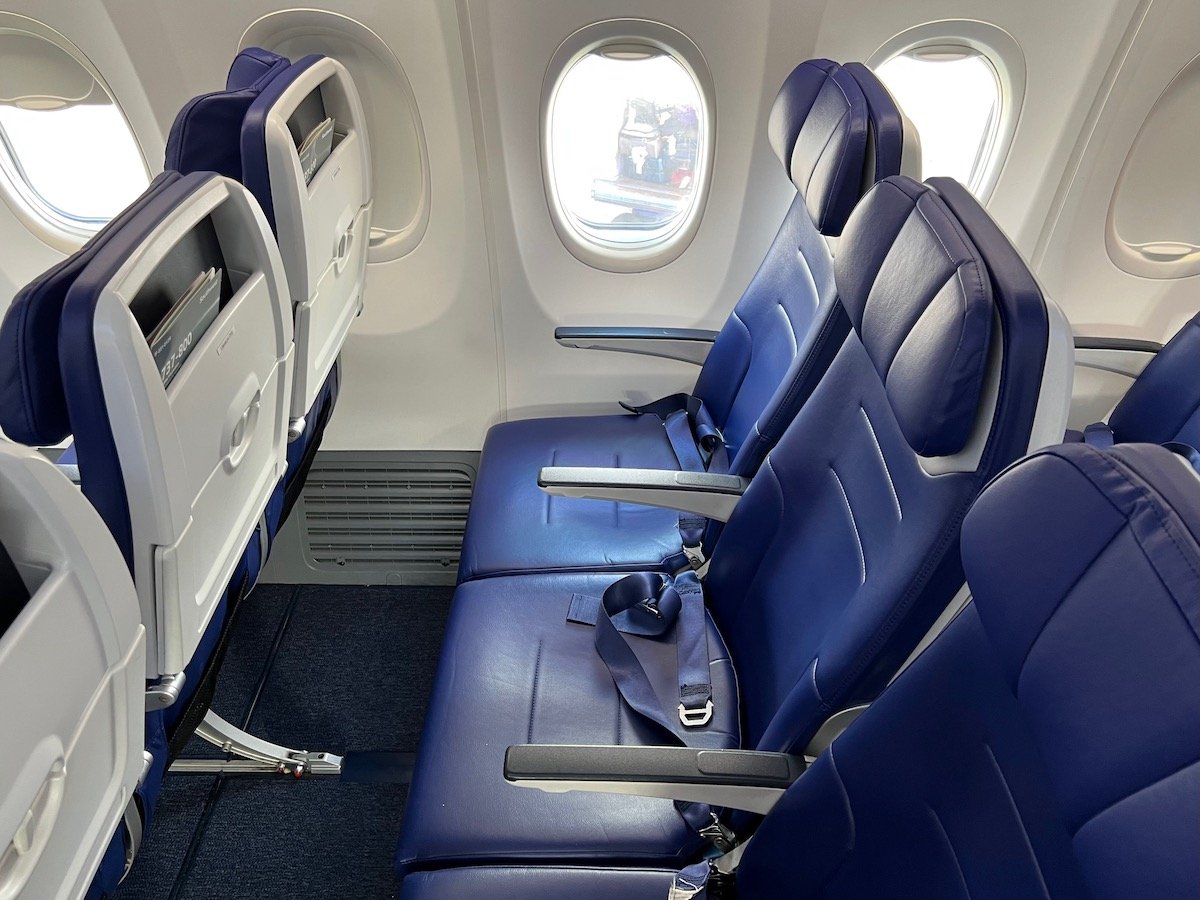
Southwest Airlines has a "Customer of Size" policy that allows plus-sized travelers to get up to two extra seats for free, giving them an entire row to themselves. The policy, which has been in place for years but recently gained attention on TikTok, allows passengers who encroach upon neighboring seats to purchase an extra ticket in advance and later get refunded, or discuss seating needs with customer service at the departure gate. Southwest recommends booking the extra seat in advance to avoid overbooking. The policy is receiving mixed reactions on social media, with many praising Southwest for its fair and humane approach to flying fat passengers.
Southwest Airlines has a clear and straightforward customer of size policy, allowing passengers who encroach upon neighboring seats to proactively purchase the needed number of seats prior to travel. The policy ensures safe and comfortable seating for all passengers and can be refunded after travel. While some criticize the policy for "glamorizing obesity," others commend Southwest for having a clear policy compared to other airlines with wishy-washy policies. The article emphasizes the importance of compassion and understanding towards individuals dealing with obesity and highlights the positive aspect of the internet in providing support and community for those who feel like outsiders. Ultimately, the author believes Southwest's policy is sensible and encourages empathy towards others.
Southwest Airlines is receiving praise for its "customer of size" policy, which allows overweight passengers to request a complimentary seat and requires flight staff to accommodate larger flyers, even if it means removing other passengers. Under the policy, customers whose bodies extend past the armrest are entitled to an extra seat at no additional cost. While Southwest suggests purchasing the extra seats in advance, passengers can also request a refund for the cost of additional seating after travel. Plus-size TikTokkers have shared their positive experiences with the policy, highlighting the comfort and accessibility it provides. However, there have been instances where passengers were denied boarding due to overbooking, leading to criticism of the policy.