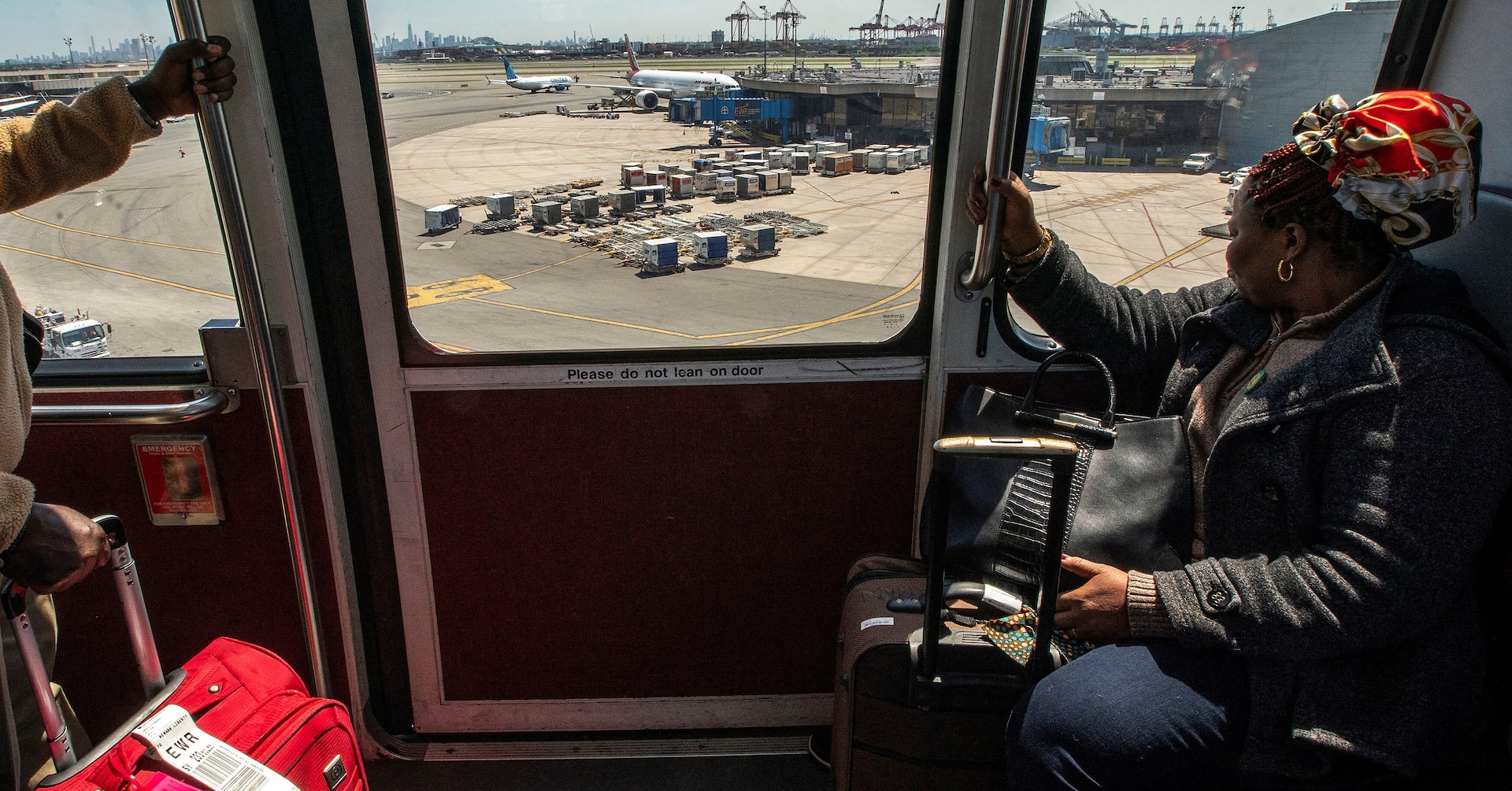
The U.S. Transportation Security Administration screened a record 2.95 million airline passengers in a single day, coinciding with the start of the Memorial Day weekend and the summer travel season. Major airlines are forecasting record travel numbers this summer, despite ongoing air traffic controller shortages.
The U.S. Transportation Security Administration (TSA) screened a record 2.95 million airline passengers in a single day, coinciding with the Memorial Day weekend and marking the start of the summer travel season. Major U.S. airlines are forecasting record summer travel, with a significant increase in flights and passengers. However, the Federal Aviation Administration (FAA) is facing challenges due to a shortage of air traffic controllers, leading to extended cuts in flight requirements at congested airports.
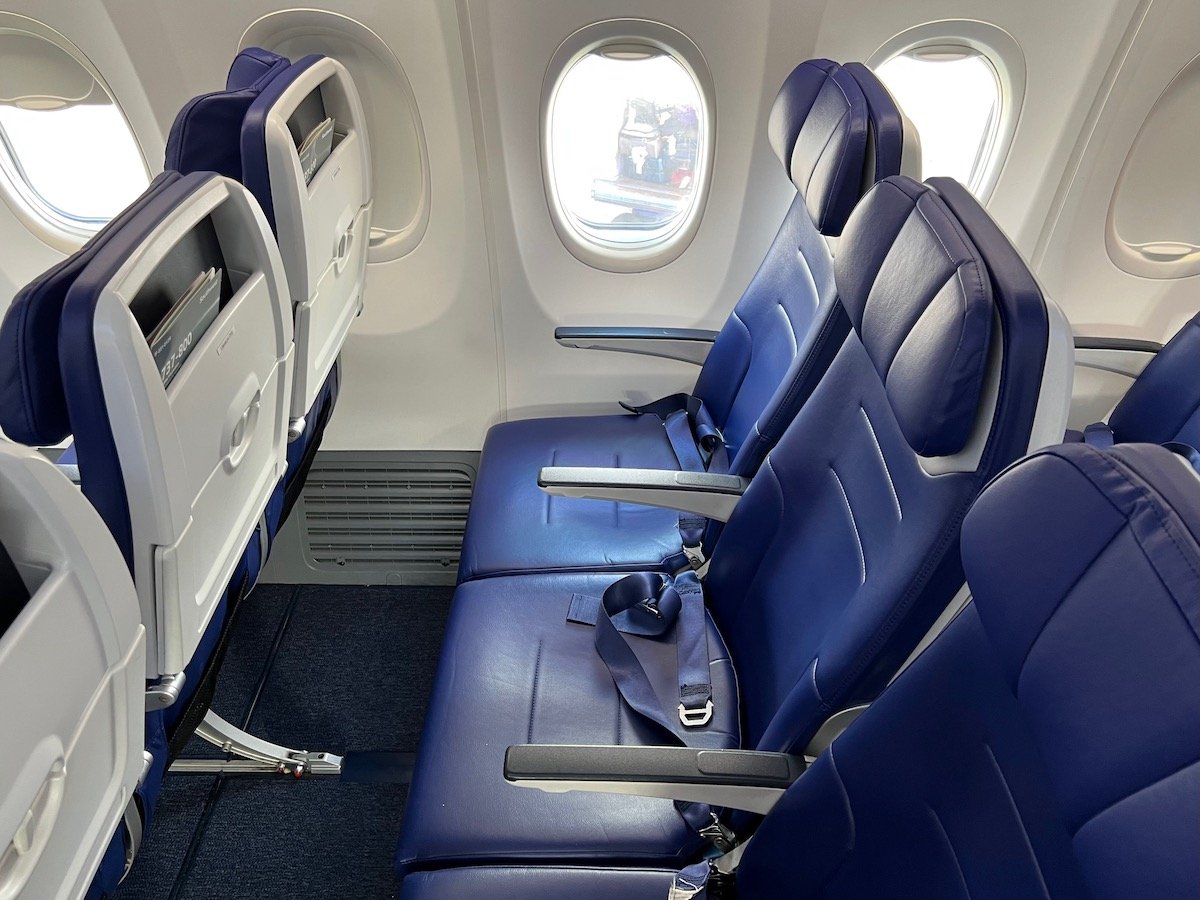
Southwest Airlines has a clear and straightforward customer of size policy, allowing passengers who encroach upon neighboring seats to proactively purchase the needed number of seats prior to travel. The policy ensures safe and comfortable seating for all passengers and can be refunded after travel. While some criticize the policy for "glamorizing obesity," others commend Southwest for having a clear policy compared to other airlines with wishy-washy policies. The article emphasizes the importance of compassion and understanding towards individuals dealing with obesity and highlights the positive aspect of the internet in providing support and community for those who feel like outsiders. Ultimately, the author believes Southwest's policy is sensible and encourages empathy towards others.
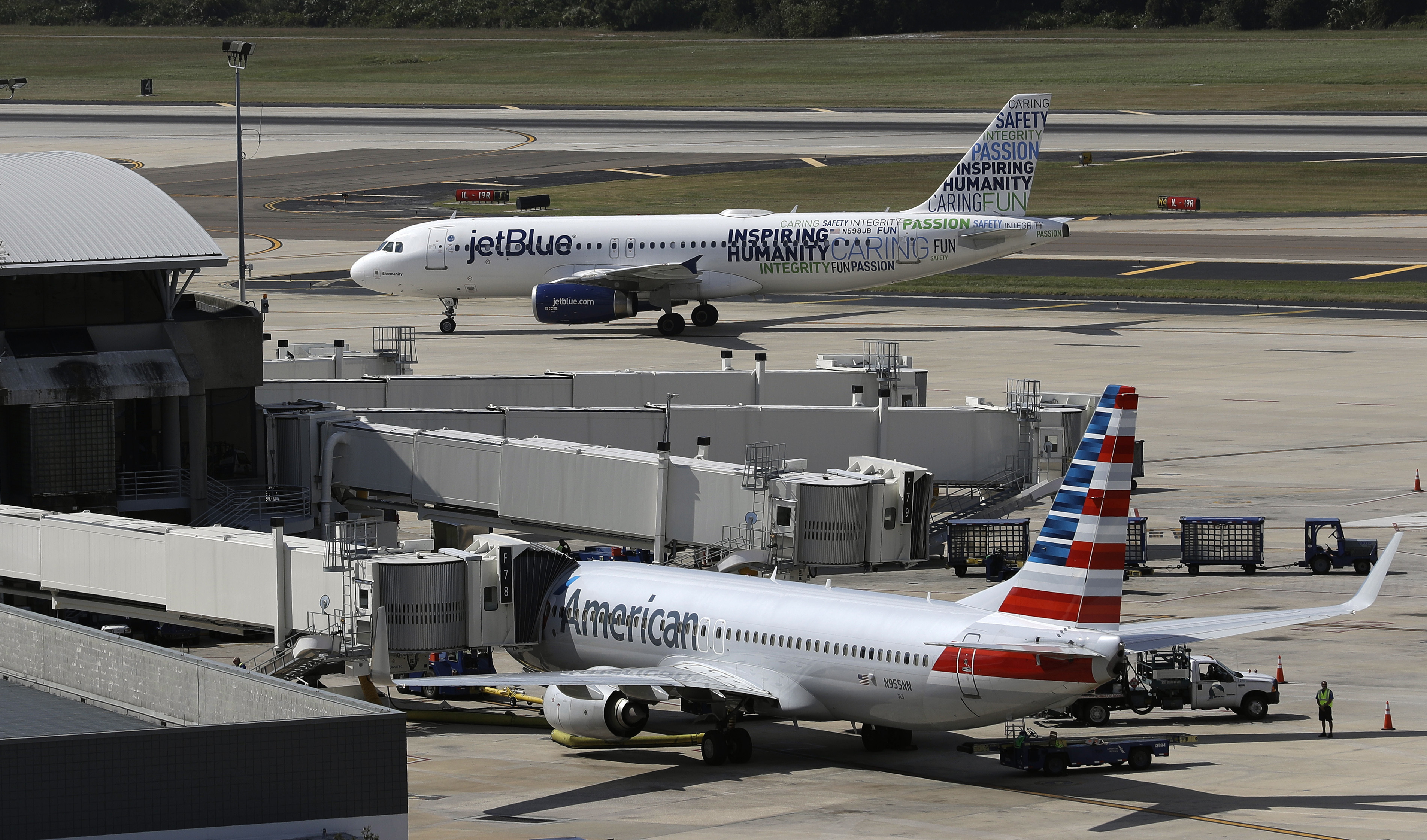
Record-breaking summer heat is causing discomfort for airline passengers during boarding, as cabin temperatures can reach sweltering levels before engines and air conditioning are activated. Airlines have varying thresholds for acceptable cabin temperatures, with American Airlines allowing up to 90 degrees Fahrenheit and JetBlue Airways setting it at 85 degrees. The lack of uniform standards and regulations from federal regulators has led to calls from aviation unions for action to ensure passenger comfort and safety. However, keeping cabins cooler may require airlines to burn more fuel, potentially conflicting with their commitments to reduce greenhouse gas emissions. The issue of hot cabin air is not only a health concern but also contributes to passenger frustration and potential conflicts. Transportation Secretary Pete Buttigieg acknowledges the need for comfort and safety in cabin temperatures but emphasizes the importance of preventing unreasonable tarmac delays. Airlines for America states that the industry prioritizes a safe and comfortable experience for passengers and crew. The unions are urging lawmakers or the Department of Transportation to intervene by setting acceptable temperature ranges or requiring earlier use of air conditioning.