
Tag

Crow Instability

All articles tagged with #crow instability

astronomy1 year ago

"The Mystery of the 'String of Pearls' Supernova Unraveled by Scientists"

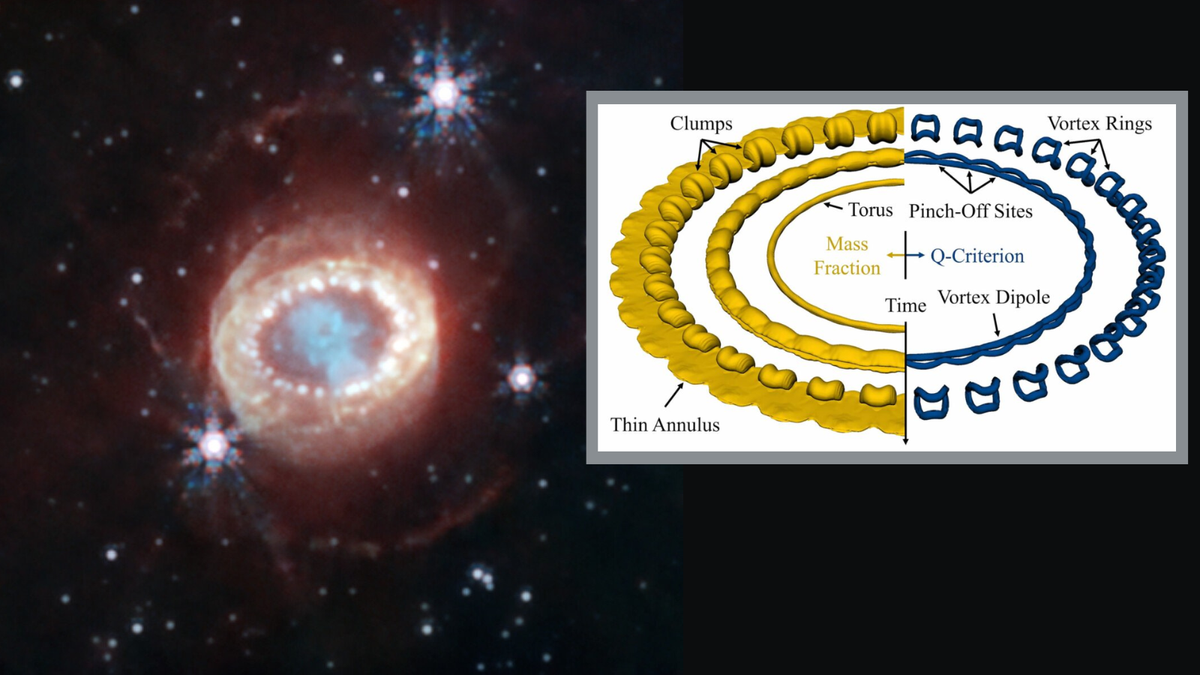
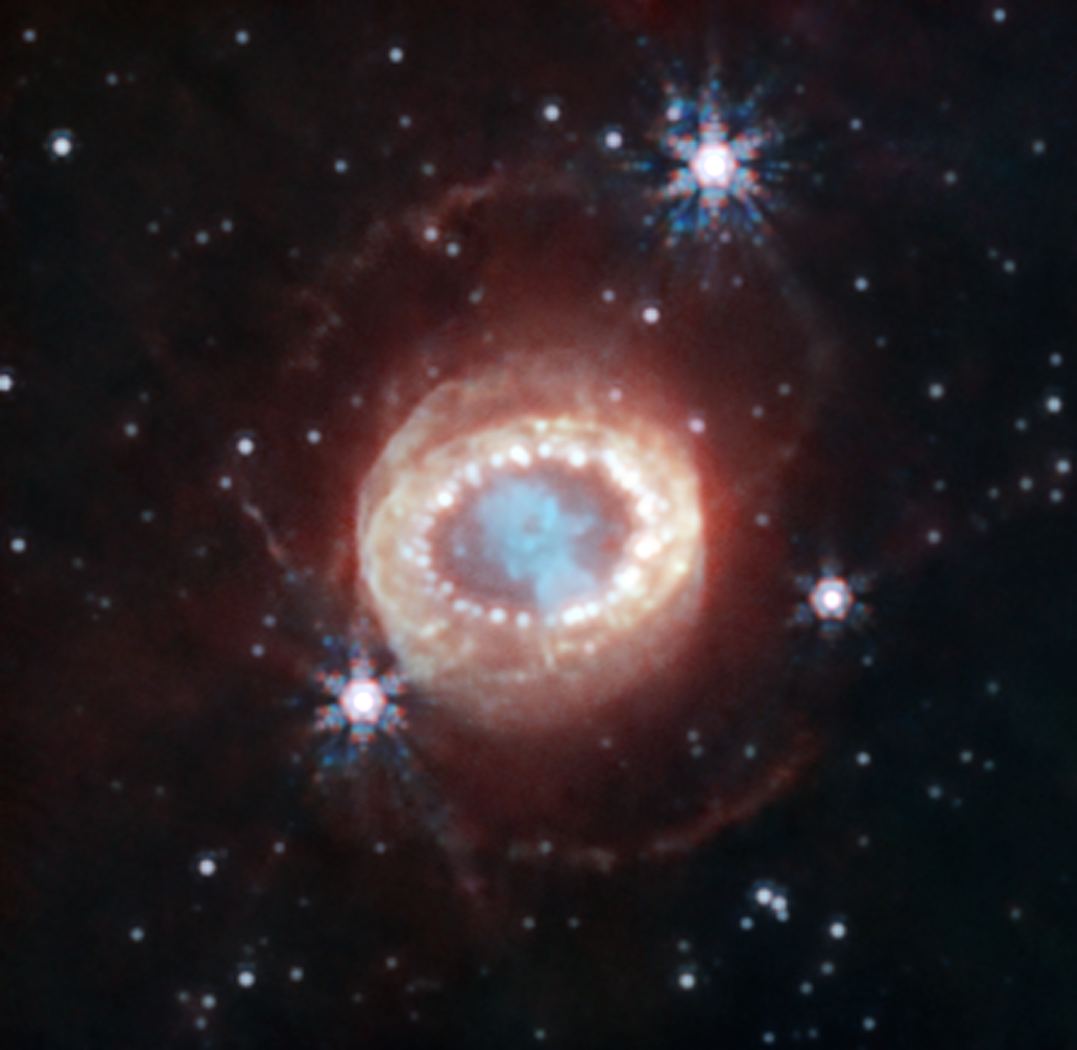
Scientists may have unraveled the mystery behind the "string of pearls" formation around supernova 1987A, suggesting that it may be connected to a phenomenon called "Crow instability," similar to the way airplane contrails are formed. This discovery sheds light on the cosmic jewelry surrounding the supernova and could help predict the number of clumps present. The proximity of SN 1987A to Earth and its well-studied nature make it an influential event in understanding the evolution and death of stars. The research, published in Physical Review Letters, also suggests that studying these hydrogen beads could provide insights into planet formation.
astronomy1 year ago

Unraveling the Mystery of the "String of Pearls" in Supernova 1987A

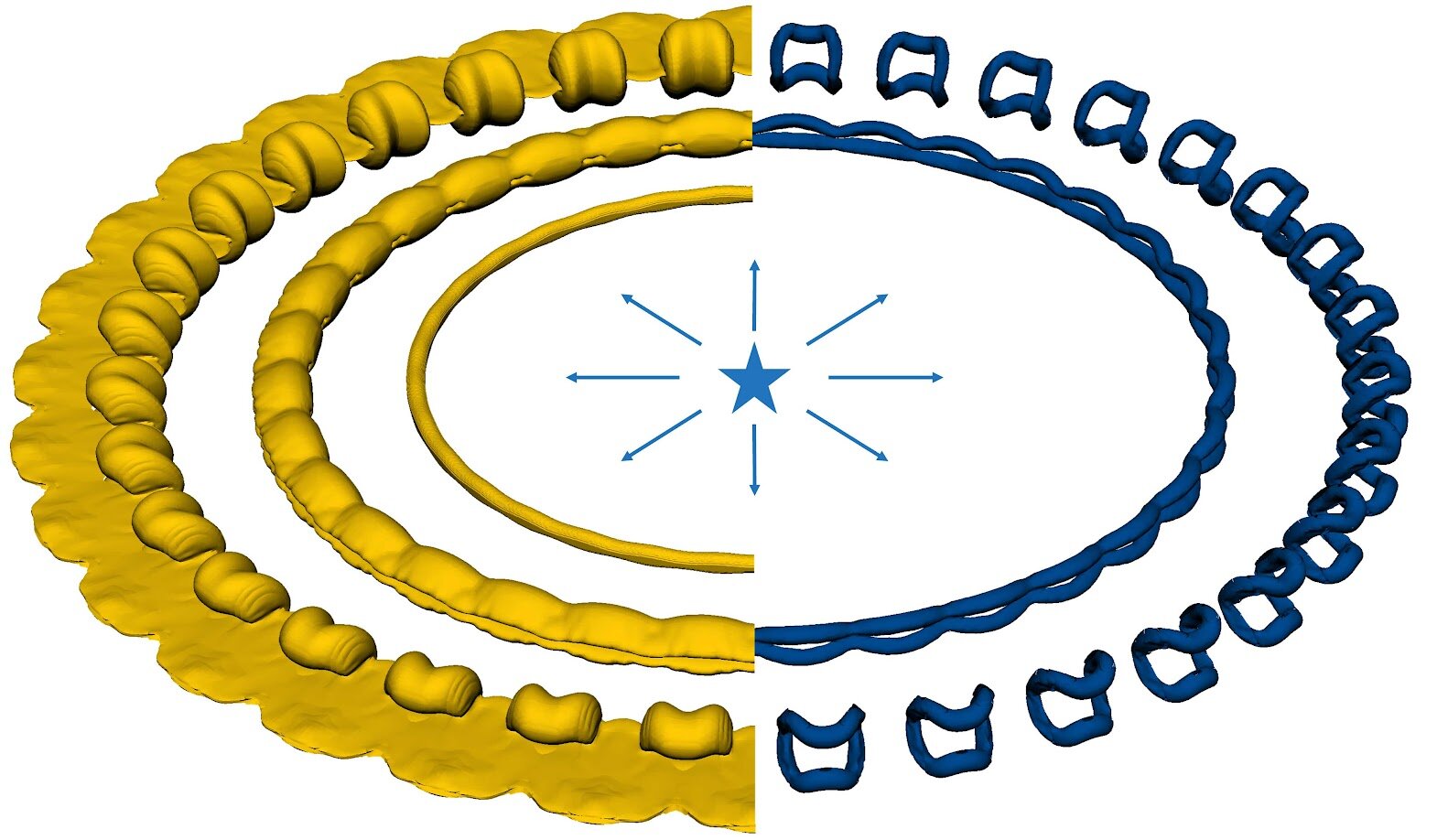
Astronomers have long been puzzled by the clumpy appearance of the expanding, glowing ring of light from Supernova 1987A, known as the "String of Pearls." University of Michigan graduate student Michael Wadas and his colleagues have proposed that the Crow Instability, a process similar to the breakup of airplane contrails, could explain the formation of these clumps. Their simulations suggest that this instability could predict the number of clumps observed in the ring and may also help in understanding the formation of beaded rings around explosion sites or the coalescence of dust around stars to form planets.

astronomy-and-physics1 year ago

"Unraveling the Mysteries of a Supernova's 'String of Pearls'"

Research from the University of Michigan suggests that the "string of pearls" encircling supernova 1987A may be explained by the Crow instability rather than the Rayleigh-Taylor instability, shedding light on a longstanding astrophysical mystery. The Crow instability, known for creating breaks in airplane contrails, can predict the number of clumps seen around the supernova remnant, with the team's simulation closely matching the observed 30 to 40 clumps. This mechanism may also be at play in the formation of planets from dust around stars, although further research is needed to explore this possibility.