Consumers who disputed hard inquiries with TransUnion between Dec. 5, 2016, and Jan. 31, 2025, may be eligible for a share of a $23 million settlement, with payments up to $160; the deadline to file a claim is June 24, 2025.
Experts say a credit score of 700 or higher is generally considered good, with scores in the mid-700s being ideal for securing favorable rates on loans and credit. To improve your score, focus on timely payments, keeping credit utilization low, and maintaining old accounts.
The Biden administration plans to develop federal rules that would prevent unpaid medical bills from impacting Americans' credit scores, offering relief to the approximately 100 million people burdened by medical debt. The regulations aim to eliminate information on medical debt from credit reports, which can hinder individuals' ability to secure employment, housing, or loans. The move, led by Vice President Kamala Harris and the Consumer Financial Protection Bureau, is seen as a significant step in addressing the issue of medical debt and has garnered praise from patient and consumer advocacy groups. However, the implementation of these rules may face opposition from the healthcare industry and potential challenges from the Supreme Court.
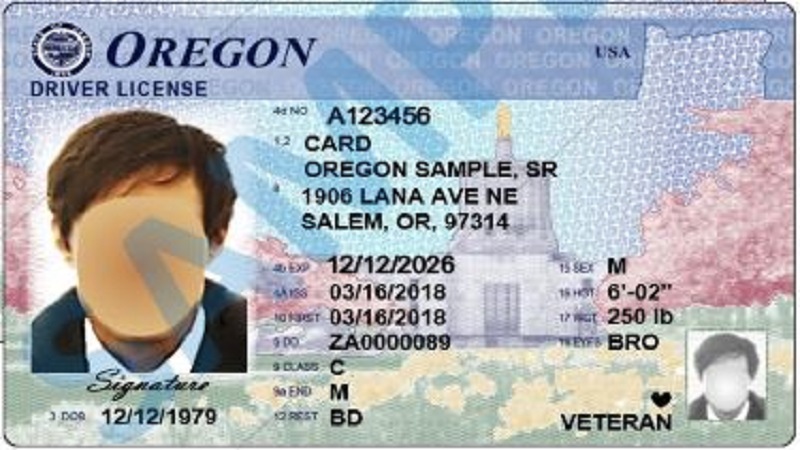
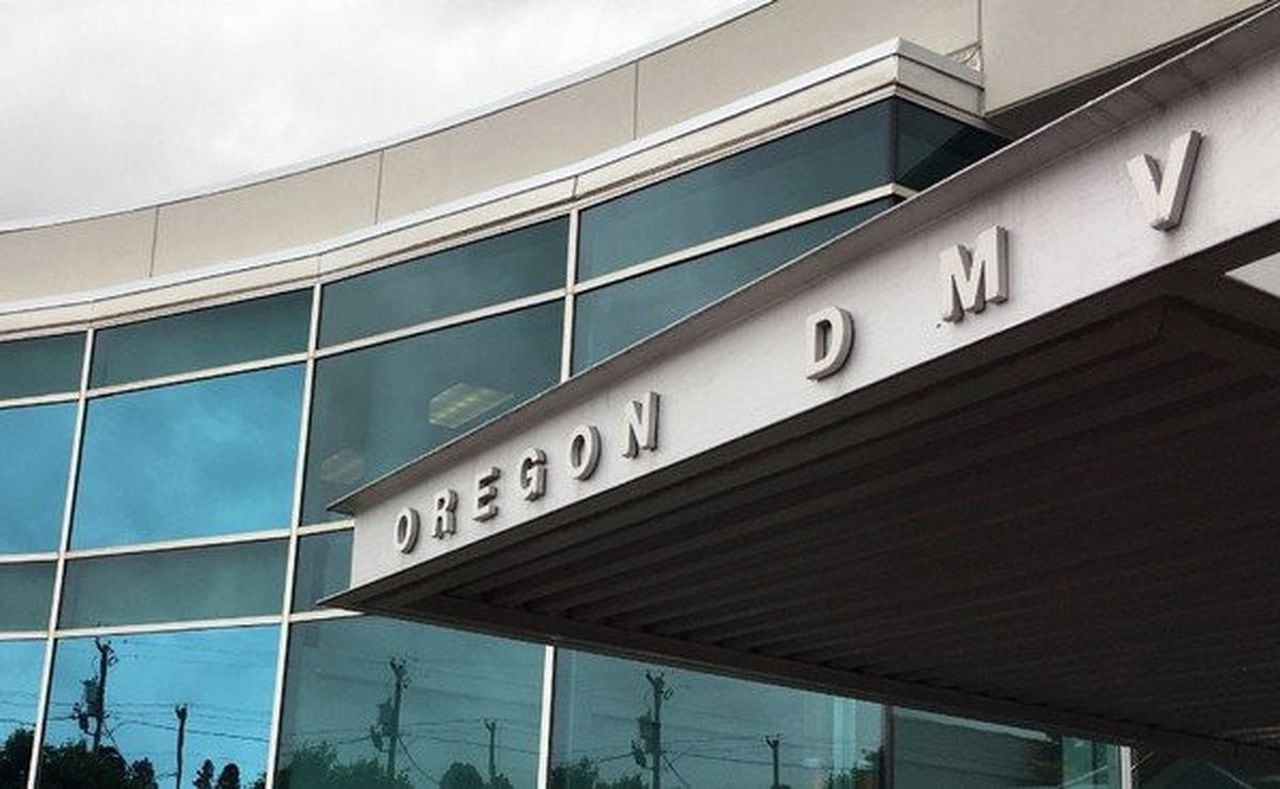
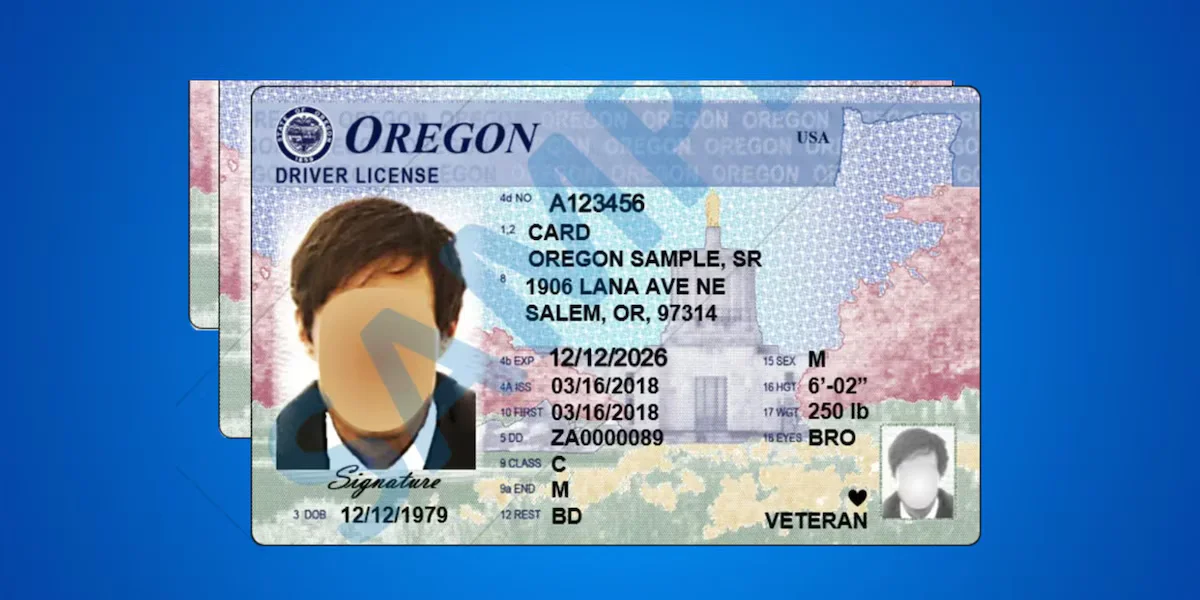
The Oregon Department of Transportation reported a major data breach that compromised the personal information of 3.5 million Oregon residents' private DMV records. Although the state department can't identify whether a specific person's information has been accessed by hackers, individuals can check their credit report for any unfamiliar transactions or accounts. Federal law grants people the right to receive a free copy of their credit report every 12 months from consumer reporting companies Equifax, Experian, and TransUnion. Individuals can also ask one of the consumer reporting companies to freeze their credit files on their website or over the phone.
The Oregon DMV was hacked two weeks ago, and officials determined four days ago that the breach extended to most Oregonians’ driver license or ID records. DMV officials offered guidance to people who might be affected, including requesting a free credit report, checking for any unrecognized transactions or accounts, and freezing credit files with the three credit monitoring agencies. The hack was blamed on an international network.
The personal information of potentially 3.5 million people was compromised in an international software hack of Oregon's Department of Motor Vehicles. The department immediately shut down and secured their system and is confident it is working safely. People with a DMV-issued driver's license or ID card are encouraged to monitor their information and request a free credit report online or by telephone.