The California Public Utilities Commission (CPUC) has denied AT&T's request to end its obligation as a Carrier of Last Resort (COLR) in the state, which requires the company to provide reliable and affordable landline service. AT&T argued that the widespread availability of mobile and VoIP services made the COLR designation unnecessary, but CPUC cited the lack of alternative providers and the unreliability of mobile services in rejecting the request. AT&T remains committed to maintaining landline service while seeking new rules for COLR designation.
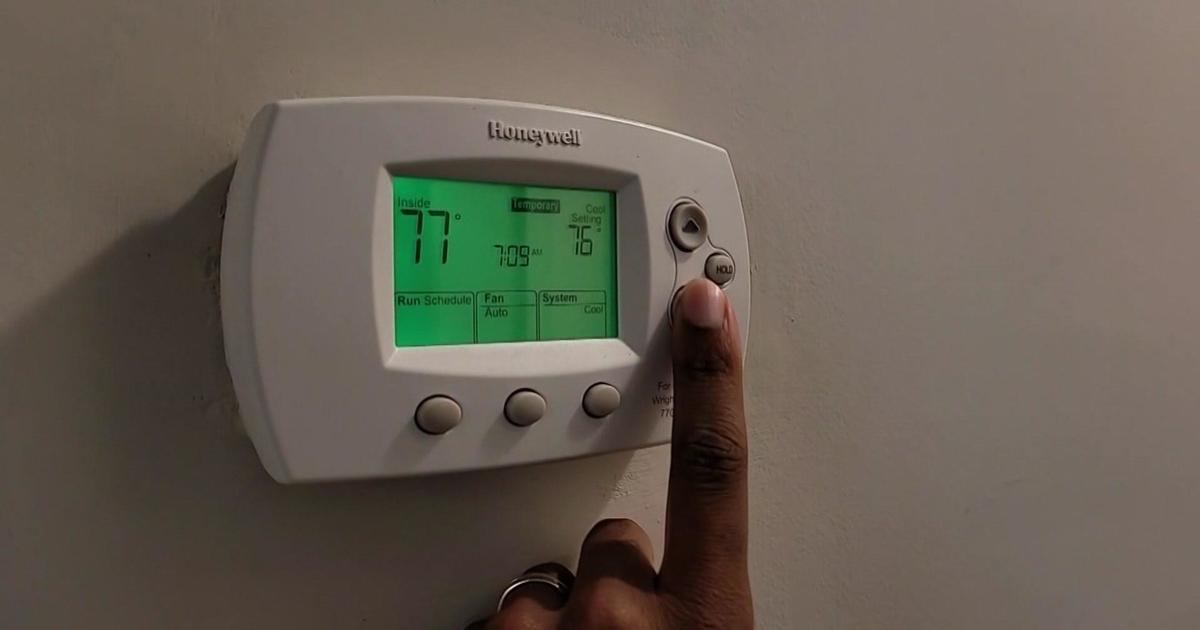
The California Public Utilities Commission has approved another rate hike for PG&E, adding an average of $5 a month to customers' bills on top of recent historic increases, prompting some potential homebuyers to look outside of PG&E's coverage territory. Lawmakers and customers are expressing frustration over the continuous price hikes, with some calling for legislative intervention to set limits on utility companies' rate increases.
The California Public Utilities Commission has approved a PG&E rate hike of about $5 a month to compensate for vegetation management efforts aimed at reducing wildfire risk. This comes after a 13 percent increase in January and precedes another potential hike to cover storm damage repairs. PG&E expects total rate hikes to amount to about $50 more per average customer by 2024, while facing frustration from ratepayers and critics.
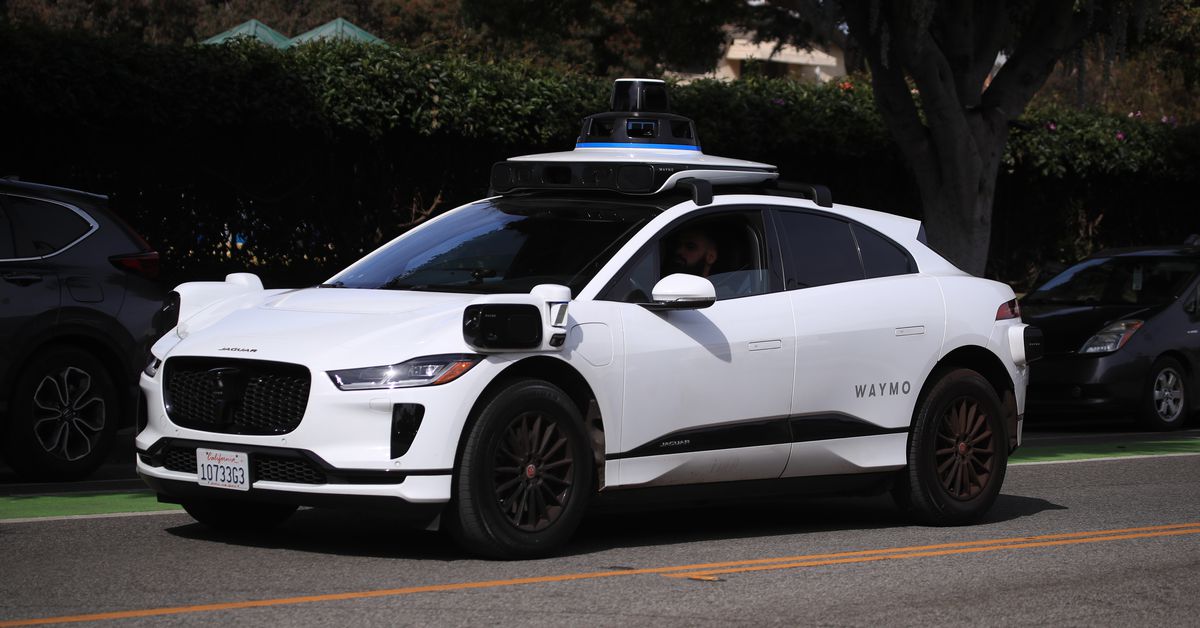
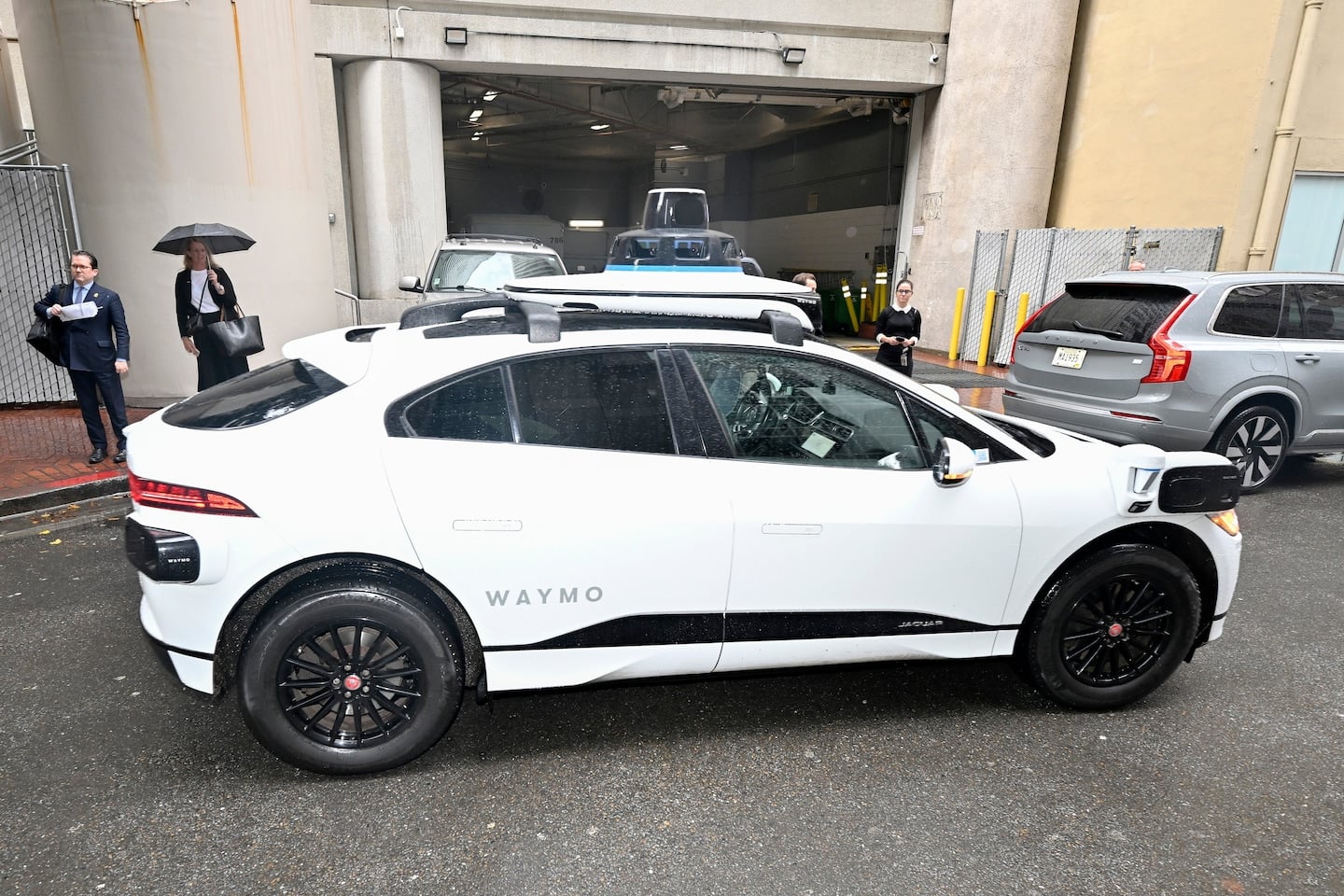
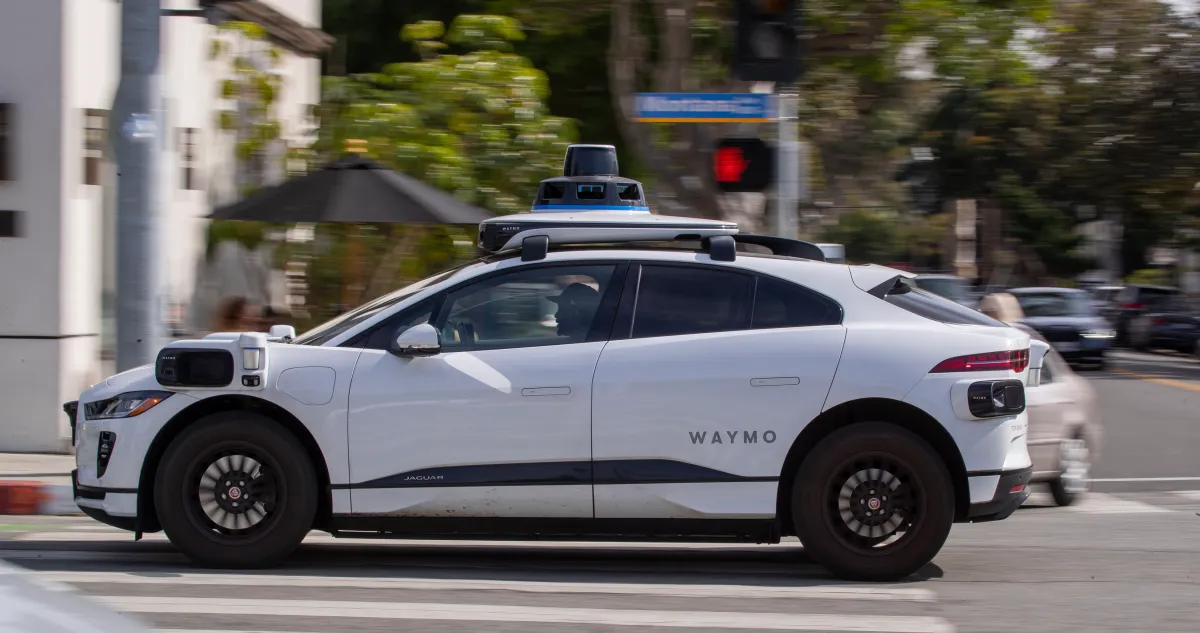
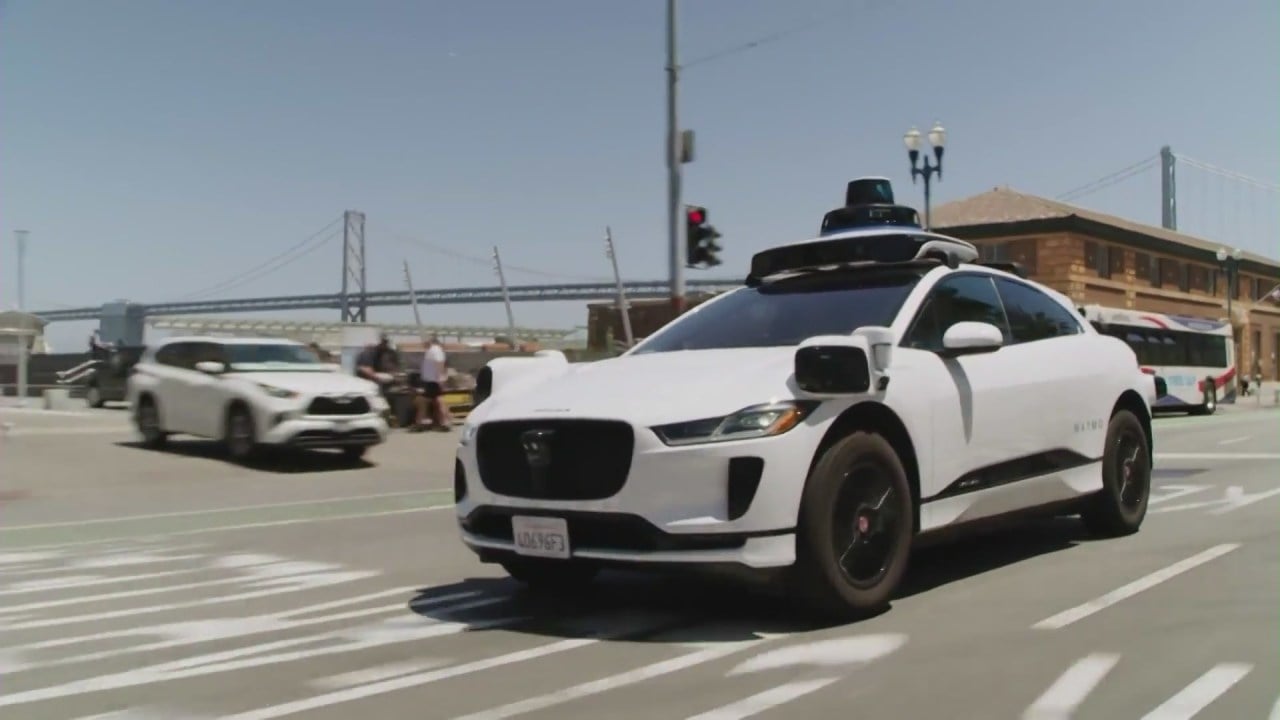
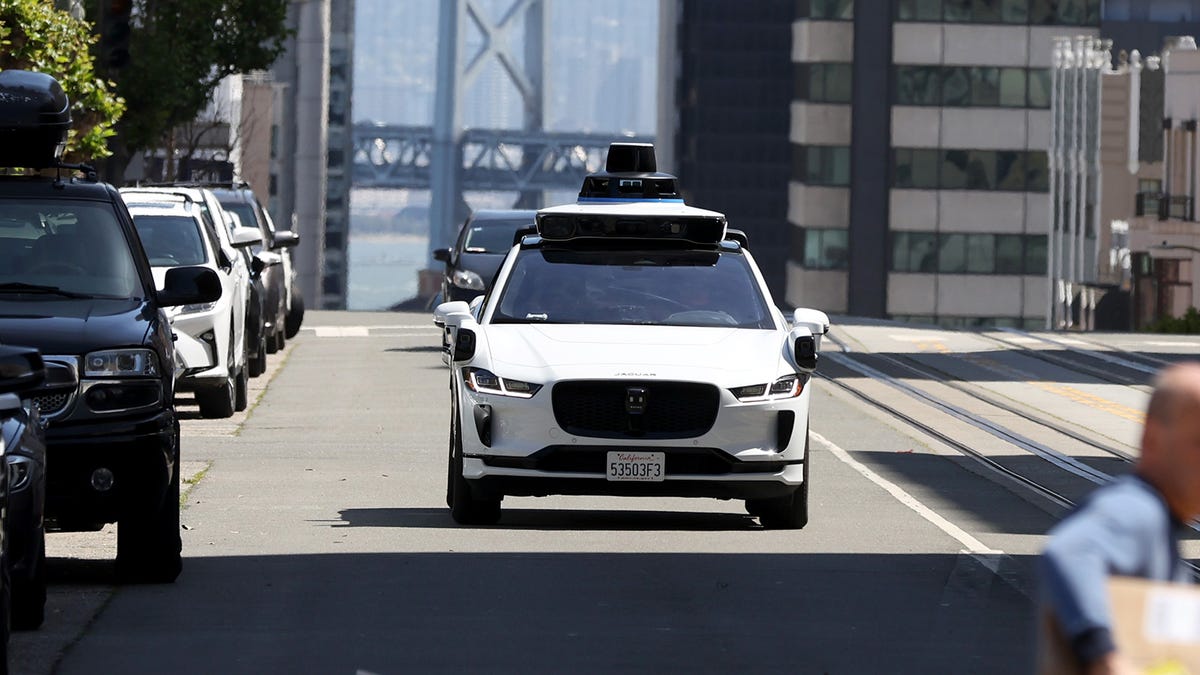
California has approved Waymo's expansion of its self-driving robotaxi operations in parts of Los Angeles and the Bay Area, allowing the company's cars to operate on local roads and highways at speeds of up to 65mph. The decision comes after concerns about the safety of driverless robotaxis, with the California Public Utilities Commission (CPUC) concluding that Waymo has demonstrated attention to safety practices and minimizing risks. Despite some opposition and requests for further hearings, CPUC has given Waymo permission to start its expansion immediately.
California regulators have granted Waymo permission to expand its robotaxi service to include highways in the Bay Area and large parts of Los Angeles, despite opposition from local officials concerned about the impact of driverless cars on city streets. Waymo plans to take a careful and incremental approach to the expansion, with no immediate plans to deploy its robotaxis on highways. The decision by the California Public Utilities Commission allows Waymo to deploy its robotaxis on local roads and freeways at speeds up to 65 mph, marking a significant expansion for the company, which has been offering its 24/7 robotaxi service in San Francisco and Phoenix for months.
Waymo's application to expand its robotaxi service in Los Angeles and San Mateo counties has been suspended for 120 days by the California Public Utilities Commission’s Consumer Protection and Enforcement Division (CPED), putting a halt to its aspirations to expand operations until June 2024. The decision doesn't affect Waymo's ability to operate driverless vehicles in San Francisco, but it has sparked concerns about public safety and engagement with local authorities.
The California Public Utilities Commission has suspended Waymo's plans to expand its self-driving taxi services in Los Angeles County and Silicon Valley for up to 120 days, citing public safety concerns and the need for further review. Local officials have raised issues such as Waymo vehicles blocking firehouse driveways and failing to stop for traffic officers. Waymo had begun offering rides in parts of L.A. County last year and had sought authorization for local regulation of self-driving vehicles.
AT&T is seeking to end its landline telephone services in California, citing the high cost of maintaining traditional copper cable wiring and a desire to focus on expanding broadband and cell phone service. Critics argue that this move would disproportionately affect rural communities and individuals who rely on landlines for emergency communication. The California Public Utilities Commission is seeking public input on the matter through online comments and public forums.
Two Waymo robotaxis blocked intersections in San Francisco during a Pride Parade and baseball game, highlighting the increasing number of stalling incidents involving Waymo and Cruise self-driving cars. The San Francisco Municipal Transportation Agency has been urging the California Public Utilities Commission to slow down the companies' rollouts, citing concerns about interference with emergency responses, transit operations, and safety. SFMTA is petitioning for robotaxis to be restricted to designated areas during off-peak hours and for data confidentiality requests to be denied. The CPUC will vote on the issue on Thursday.