The Affordable Connectivity Program (ACP) has provided crucial support for over 23 million low-income households to afford broadband service, but it is at risk of running out of funds by the end of April. There is a bipartisan push to extend the program, but the Federal Communications Commission (FCC) needs to take urgent action to sustain and expand the Universal Service Fund (USF) to ensure permanent funding for the ACP's subsidy for low-income households. This is essential for addressing the digital divide and ensuring universal and affordable connectivity for all Americans, regardless of economic status or geographic location.
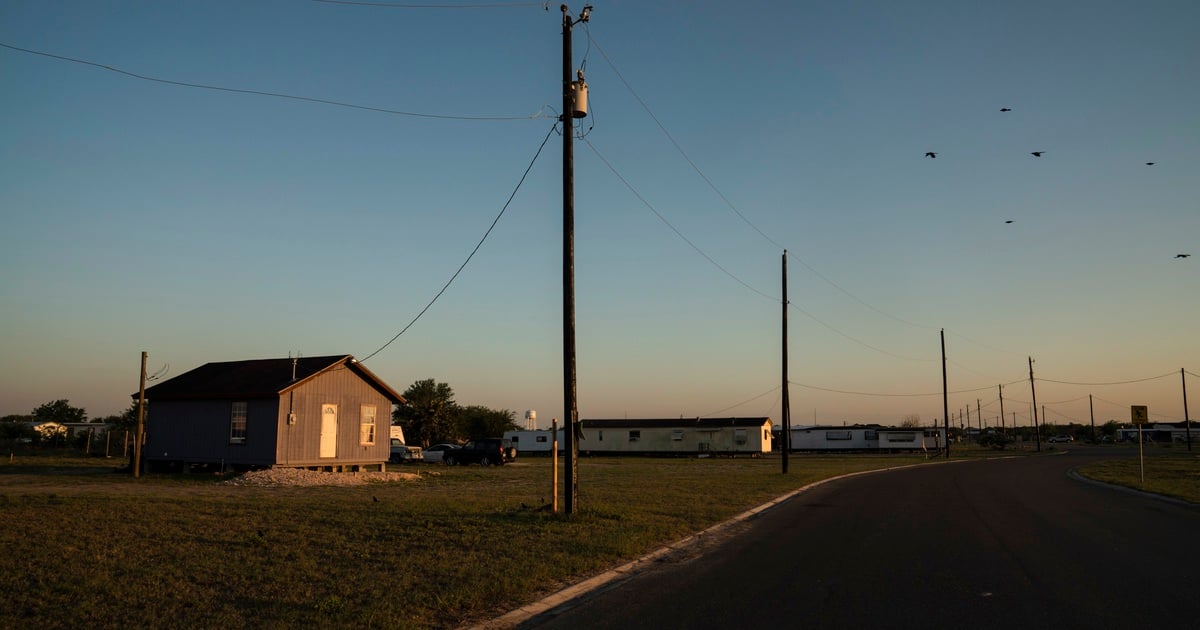
The Affordable Connectivity Program, providing a $30 monthly subsidy for internet service to low-income households, is set to expire at the end of April, potentially impacting 1.7 million Texas households. A bipartisan group of lawmakers has introduced a bill to extend funding for the program through 2024, but it faces pushback from Republican lawmakers. The termination of the program could jeopardize future broadband investments, particularly in rural areas, where internet service providers are hesitant to invest without a guaranteed customer base. Some communities have found innovative ways to provide affordable internet, but larger providers like Comcast and smaller rural providers express concerns about the financial feasibility of low-cost plans without government support.
United Launch Alliance (ULA) will launch the Protoflight mission for Amazon's Project Kuiper, which aims to increase global broadband access through a constellation of 3,236 satellites in low Earth orbit. The launch window opens at 2:00 PM ET and concludes at 6:00 PM ET.
San Francisco-based company Astranis has signed a deal to provide dedicated satellite internet service to the Philippines, aiming to connect up to 2 million people who currently lack broadband access. The satellite is scheduled to launch in 2024 and will be owned and operated by Astranis. The company's unique approach combines the small form factor of satellites like SpaceX's Starlink with the geosynchronous orbit of traditional players like Viasat, allowing it to cover the entire Philippines with one satellite. This initiative is part of Astranis' mission to bring service to underserved communities globally, with previous projects in Alaska and Peru.
Alabama is set to receive $1.4 billion from the U.S. Department of Commerce to aid ongoing broadband expansion efforts, benefiting previously unserved or underserved areas. The funding will be used by The Alabama Department of Economic and Community Affairs (ADECA) to provide internet service to these areas. Governor Kay Ivey expressed her priority for Alabama to gain full access to high-speed internet, and the announcement marks a significant step towards achieving that goal. ADECA will have 180 days to prepare and submit final plans for the use of the funds.
President Biden has announced a $42 billion investment to expand high-speed internet access to the 8.5 million homes and businesses without it, aiming to achieve universal access by 2030. The funds will be allocated to all states and territories, with 19 states receiving over $1 billion each. The timeline includes drafting plans, distributing funds, and beginning work on projects, with some potentially not being completed before the 2024 election. The administration aims to address the digital divide and ensure that underserved communities, including rural and suburban areas, have access to affordable broadband. This initiative is seen as an important part of Biden's reelection campaign to demonstrate progress and address the enthusiasm gap.