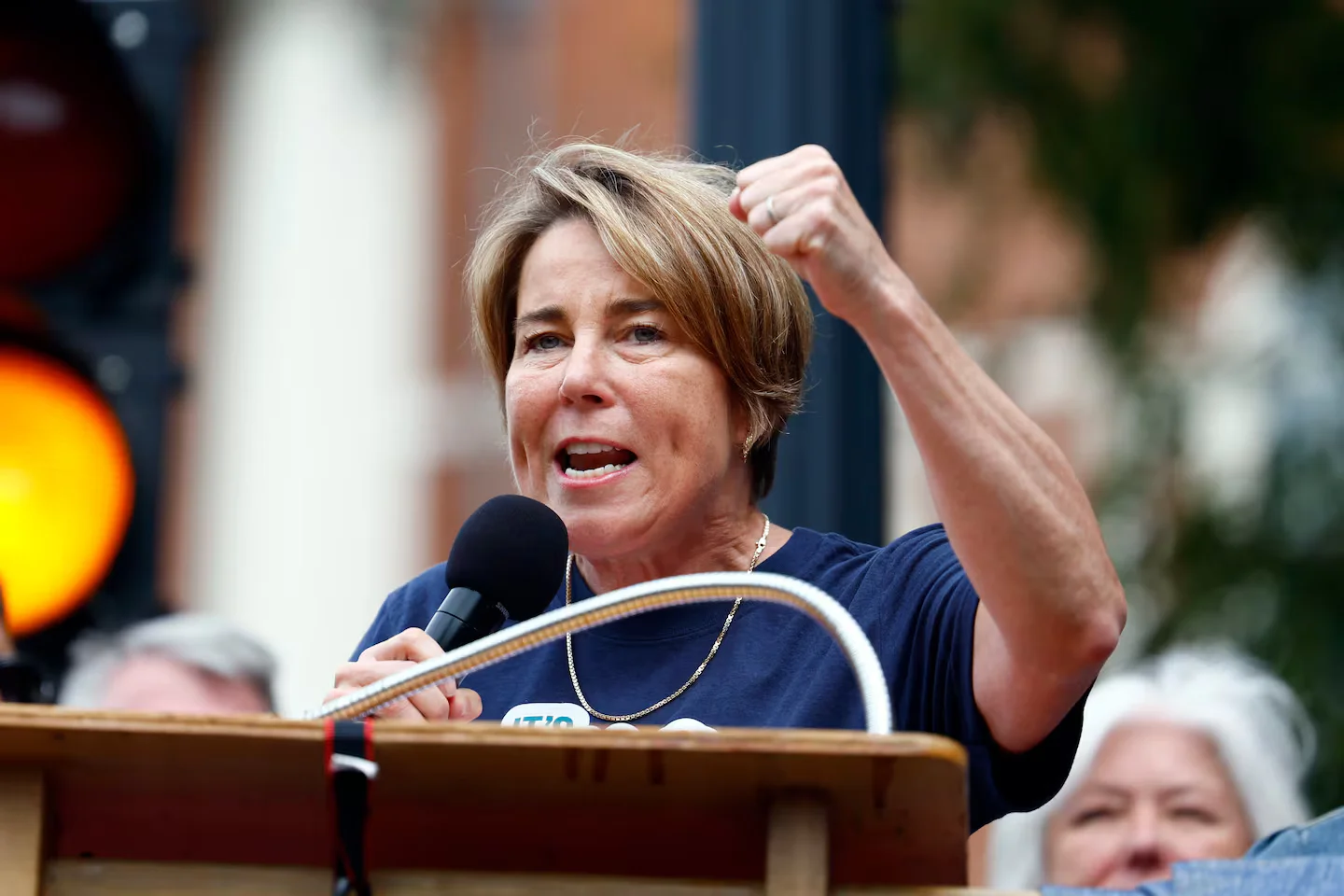
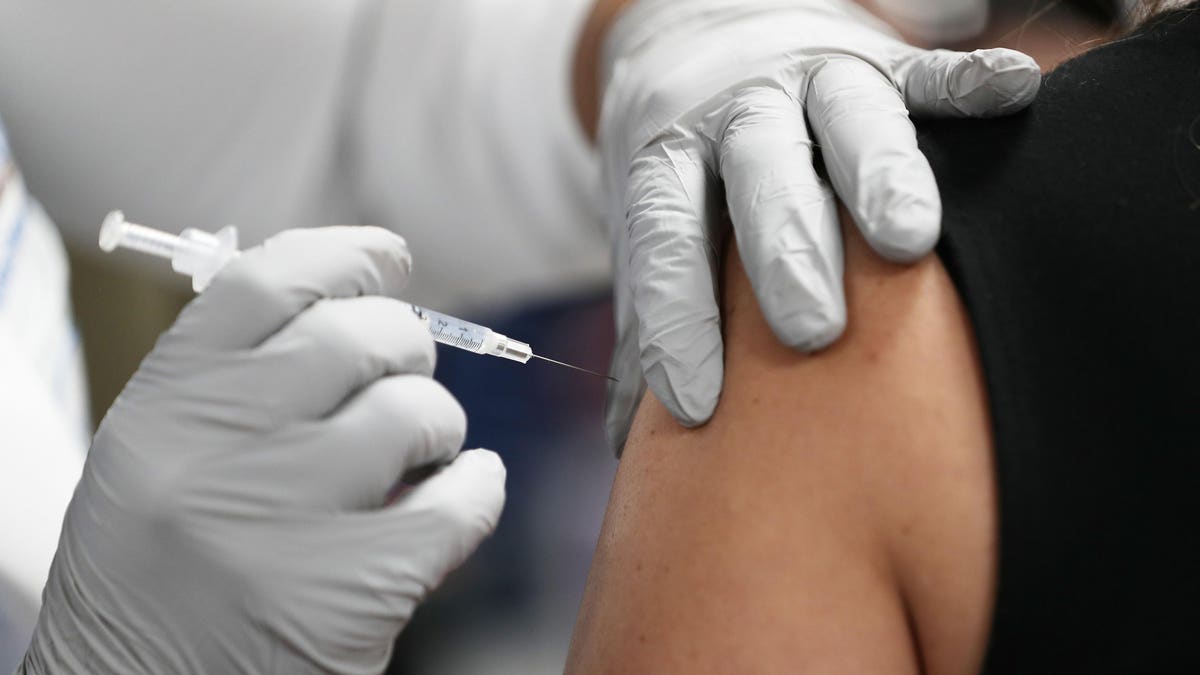
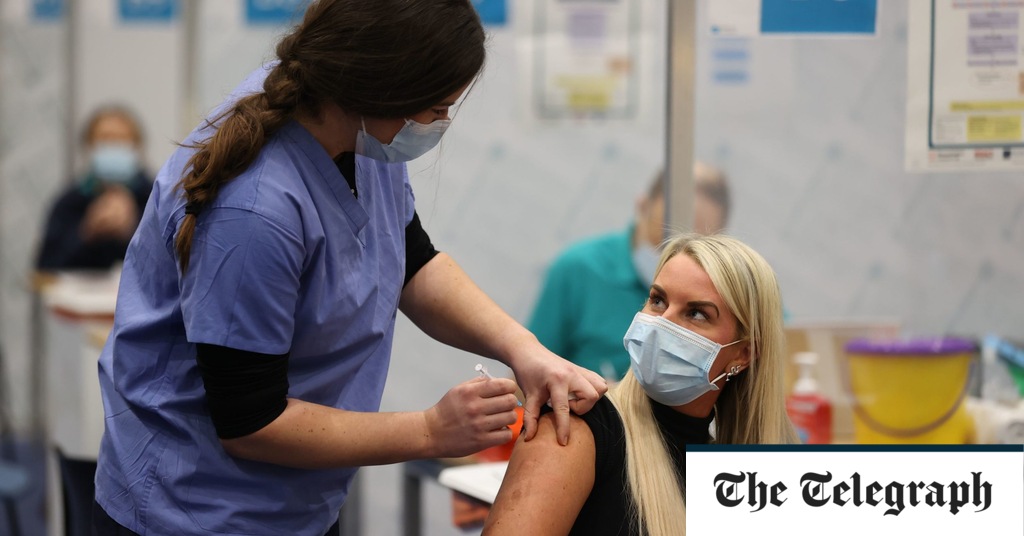
Massachusetts Governor Maura Healey has issued a standing order allowing pharmacists to administer COVID booster shots to everyone over age 5, challenging federal restrictions and aiming to increase vaccine accessibility amid ongoing debates over vaccine policies and federal influence.
The FDA approved updated Covid booster vaccines but revoked emergency use authorizations, limiting access mainly to higher-risk groups and making it more difficult for children under 5 to receive vaccines, especially affecting healthy young children. The move aligns with new policies and clinical trial requirements, amidst ongoing debates about vaccine safety and policy conflicts.
The article reports a record-breaking number of measles cases in 2025, discusses the benefits of flu vaccination during pregnancy, ongoing H5N1 cases in Cambodia, controversy over Covid booster restrictions, and promising results for Moderna's combined flu and Covid vaccine, emphasizing the importance of spreading infectious disease knowledge for public health awareness.
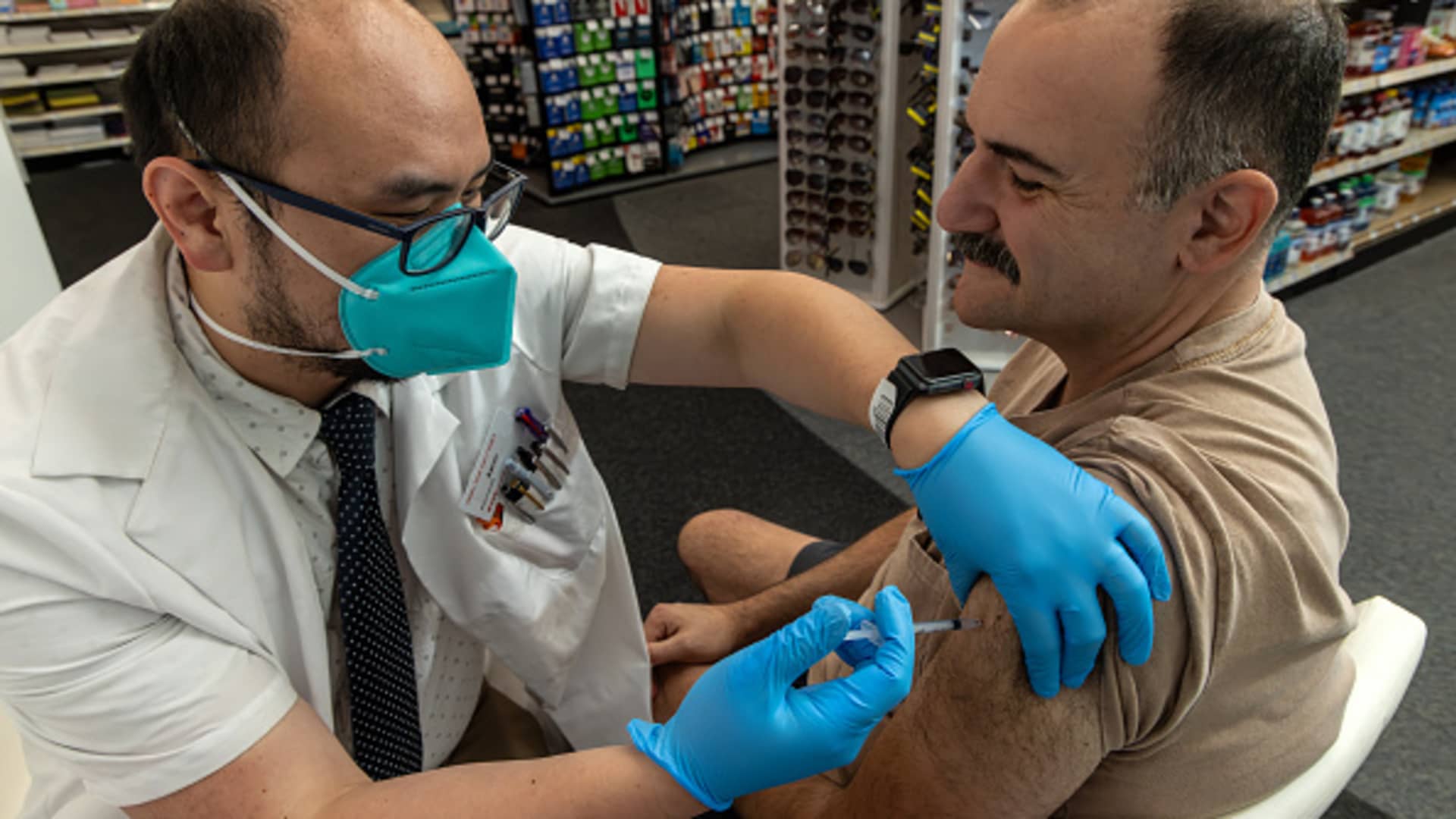
Uninsured Americans can now receive the newest Covid vaccines for free at select locations across the US through the Biden administration's Bridge Access Program. The federal government's search tool, Vaccines.gov, allows patients to find appointments for the new shots, with a filter specifically for locations providing vaccines at no cost to the uninsured. The majority of Americans can access the vaccines through private insurance or government payers, but the Bridge Access Program aims to fill the gap for the estimated 30 million uninsured Americans. Patients can schedule appointments directly with participating pharmacies, such as CVS and Walgreens, without needing to show ID cards.
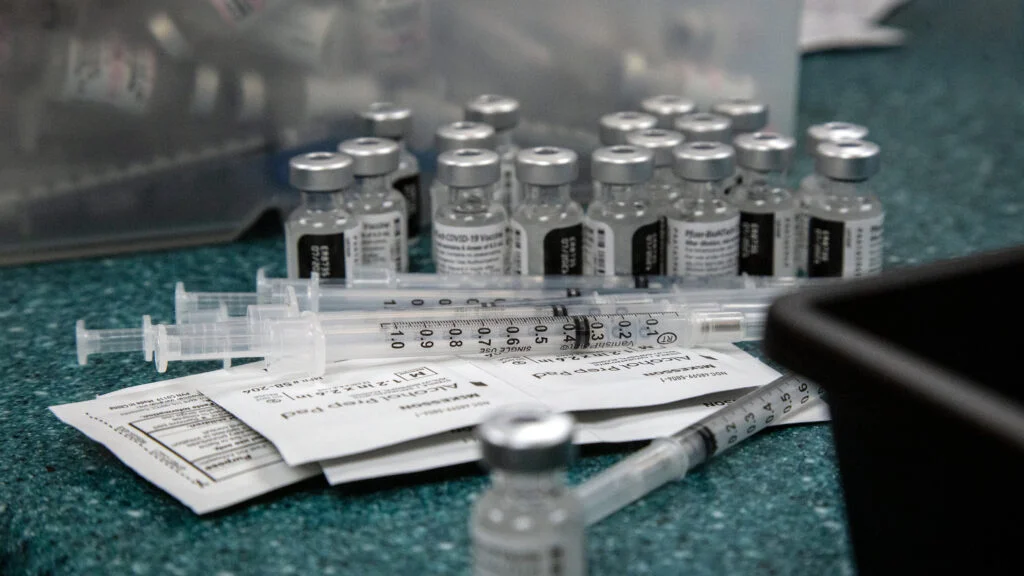
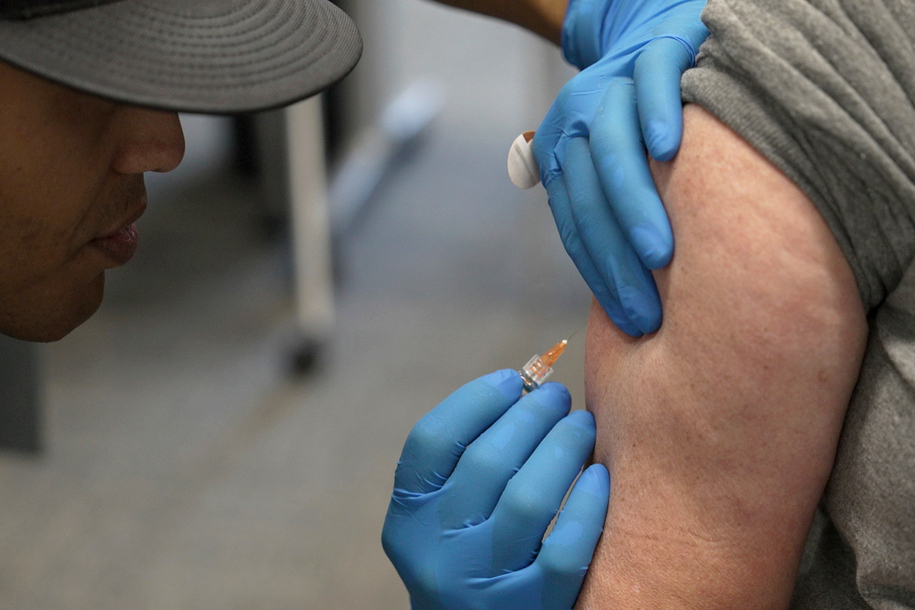
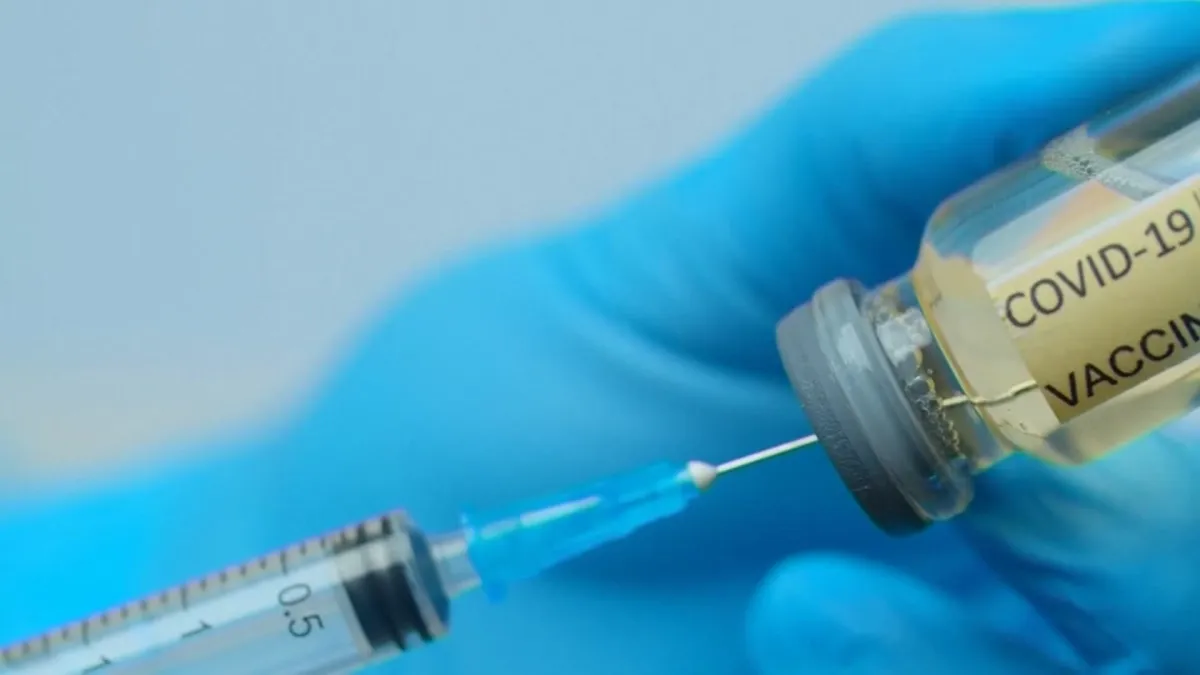
The FDA has approved updated COVID boosters from Moderna and Pfizer, targeting the XBB.1.5 omicron subvariant and other related variants. The shots could be administered later this week, pending approval from the CDC. The boosters are recommended for anyone 5 years old and above, regardless of previous vaccination status. Children aged 6 months to 4 years may receive one or two doses depending on previous vaccinations, while unvaccinated children in that age range have the option of receiving three doses of Pfizer or two doses of Moderna. The vaccines are considered a good match for currently circulating variants and provide protection against severe disease, hospitalization, and death. Doctors recommend getting a booster if you haven't received one since last fall and haven't recently had COVID.
New Covid boosters targeting the Eris variant and other XBB subvariants are pending FDA approval and expected to be available in late September. These monovalent boosters are recommended by experts as they offer better protection against the currently dominant strains in the US. The existing bivalent boosters, designed for earlier strains, have lower effectiveness against the Eris variant. While the CDC still recommends bivalent boosters for most people, waiting for the new monovalent boosters may provide a better match to the circulating variants.
Flu and RSV vaccines are now available, with pharmacies and doctors' offices offering the 2023-2024 flu vaccine and the brand new RSV vaccine. It is recommended to get both vaccines at the same time, although side effects may be more pronounced. The flu shot is recommended for everyone 6 months and older, while the RSV shot is recommended for adults 60 and older and babies under 8 months old. Timing is important for the flu shot, with some groups advised to consider getting it in August, while most people should wait until October for optimal protection. The timing and eligibility for COVID boosters are yet to be determined.
The NHS will not be offering flu jabs and Covid boosters to adults under 65 this winter as the health service aims to return to normal. The Government's Joint Committee on Vaccination and Immunisation is expected to announce the plans on Tuesday, which means that 12 million people aged 50 to 64 will no longer be eligible for free vaccines. The vaccination drive will also start later than usual, beginning in October, to ensure protection during the peak winter months. Despite concerns that this winter could be worse than the previous year, the UK recommendations are scaling back the flu program and limiting Covid jabs to those over 65 to align with flu recommendations.
Pfizer CEO Albert Bourla stated that the FDA could authorize updated Covid boosters by the end of August. The boosters are designed to target the XBB.1.5 subvariant, which was previously advised by the FDA. Although XBB.1.5 is no longer the predominant strain, accounting for 12.3% of new cases, Bourla expects a new Covid wave to start in the U.S. this fall. The decision on recommending boosters for everyone will be made by the CDC after FDA authorization. Currently, only 17% of the U.S. population has received an updated booster.