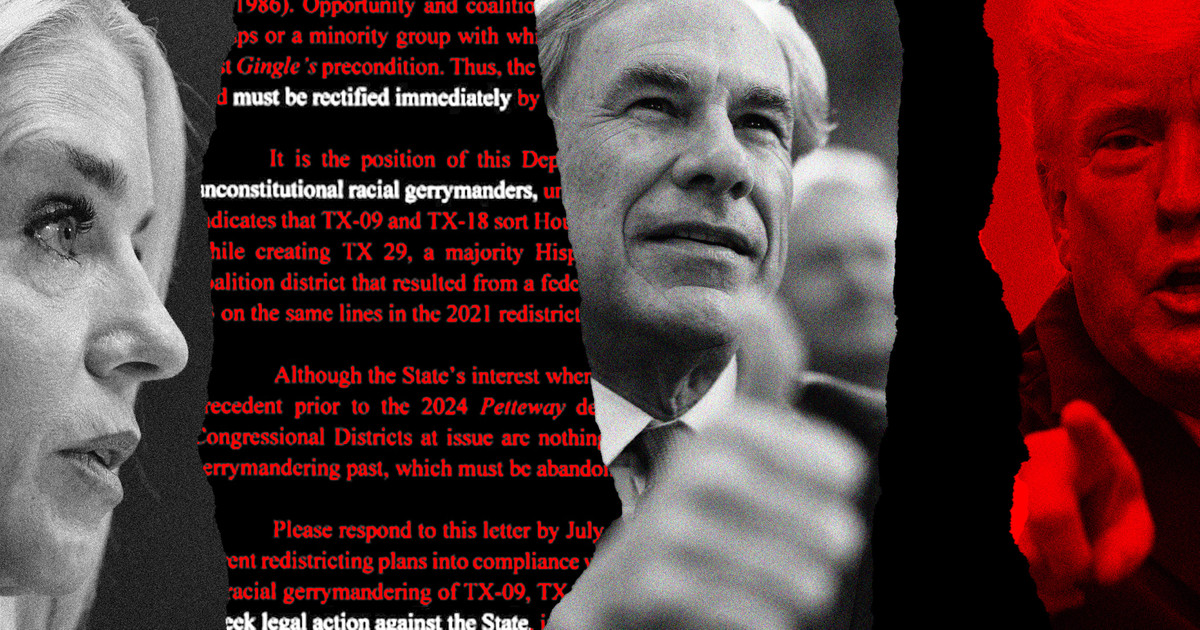
The article details how the Trump administration has employed aggressive legal strategies in Texas to influence redistricting and policy outcomes, bypassing traditional legislative processes, and collaborating with state officials to achieve partisan goals, raising concerns about undermining legal norms and judicial independence.
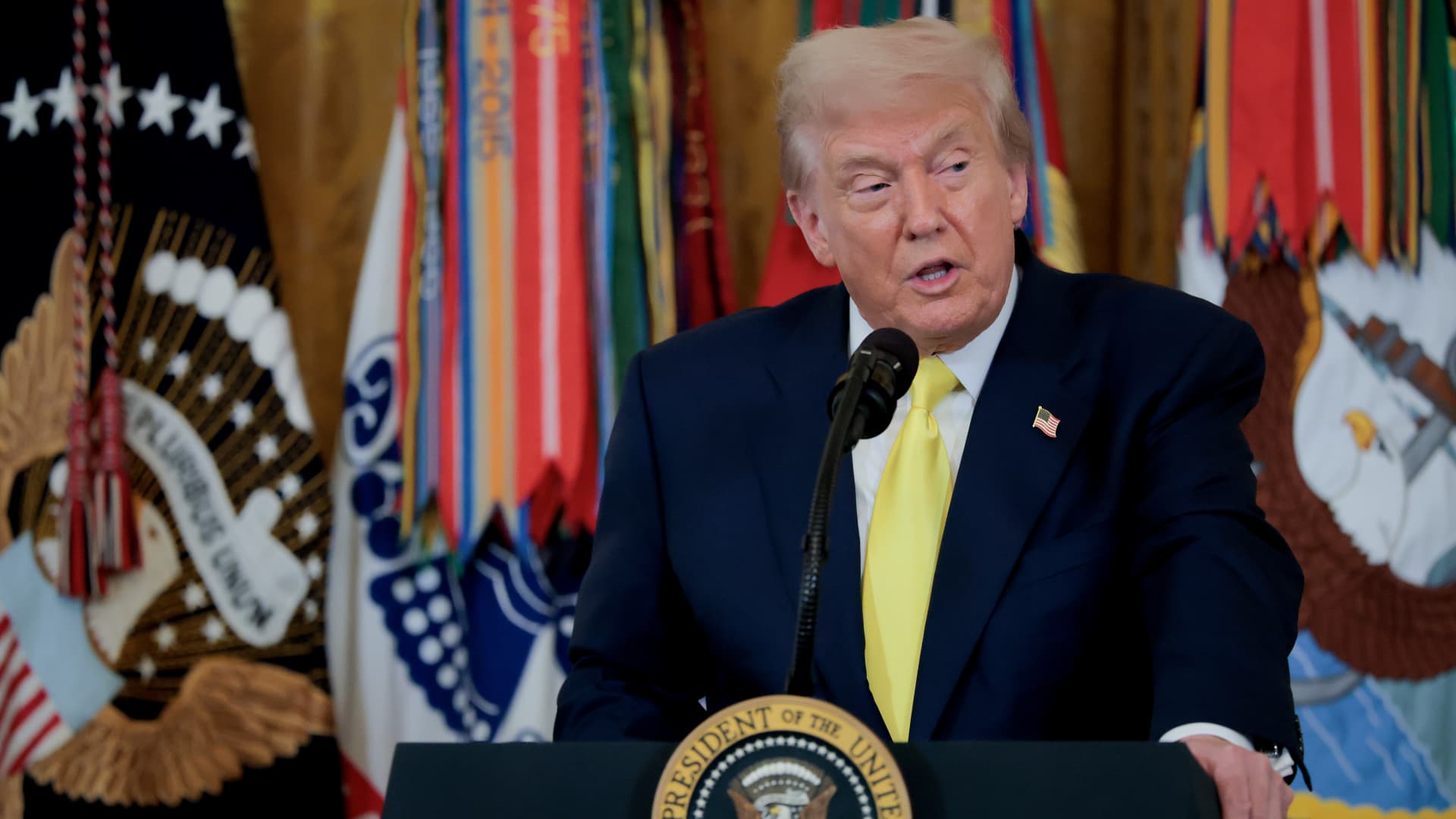
President Donald Trump warned U.S. courts against blocking his tariff policies, claiming they positively impact the stock market and warning of a potential economic downturn if struck down. Legal challenges question whether the tariffs exceed presidential emergency powers, but Trump emphasizes their importance for national strength. Market reactions have been mixed, often responding positively to tariff relaxations and negatively to increases, reflecting ongoing uncertainty.
The Department of Education has paused student loan forgiveness under the Income-Based Repayment (IBR) plan due to system updates related to court injunctions affecting other income-driven plans. Despite IBR being legally separate and not currently challenged in court, the department is not processing forgiveness, causing concern among borrowers eligible for discharge. The suspension is linked to broader disruptions in federal student loan programs, with upcoming legislative changes expected to alter repayment options and forgiveness policies.
Seven partners from Willkie Farr & Gallagher, including notable litigators, are leaving after the firm made a deal with the Trump administration, which has faced legal challenges and backlash from the legal community for its stance and agreements related to Trump's policies. They are moving to Cooley, which has been active in fighting Trump's executive orders in court, reflecting a broader trend of legal firms choosing sides in the political and legal battles surrounding Trump's actions.
President Trump has implemented a more methodical and legally justified travel ban targeting 19 nations, reflecting lessons learned from his 2017 executive order, with less public outrage and a stronger legal position, though legal challenges remain.
The Biden administration is set to release a plan to regulate carbon emissions from power plants, which is expected to face court challenges from conservative forces. The plan is designed to reduce emissions at power plants themselves through the application of carbon capture and storage technologies. However, challengers are likely to exploit the major questions doctrine, a statutory principle that requires explicit authorization from Congress for actions with "major" economic or social significance. The Biden administration will roll out its rule by the end of the week.