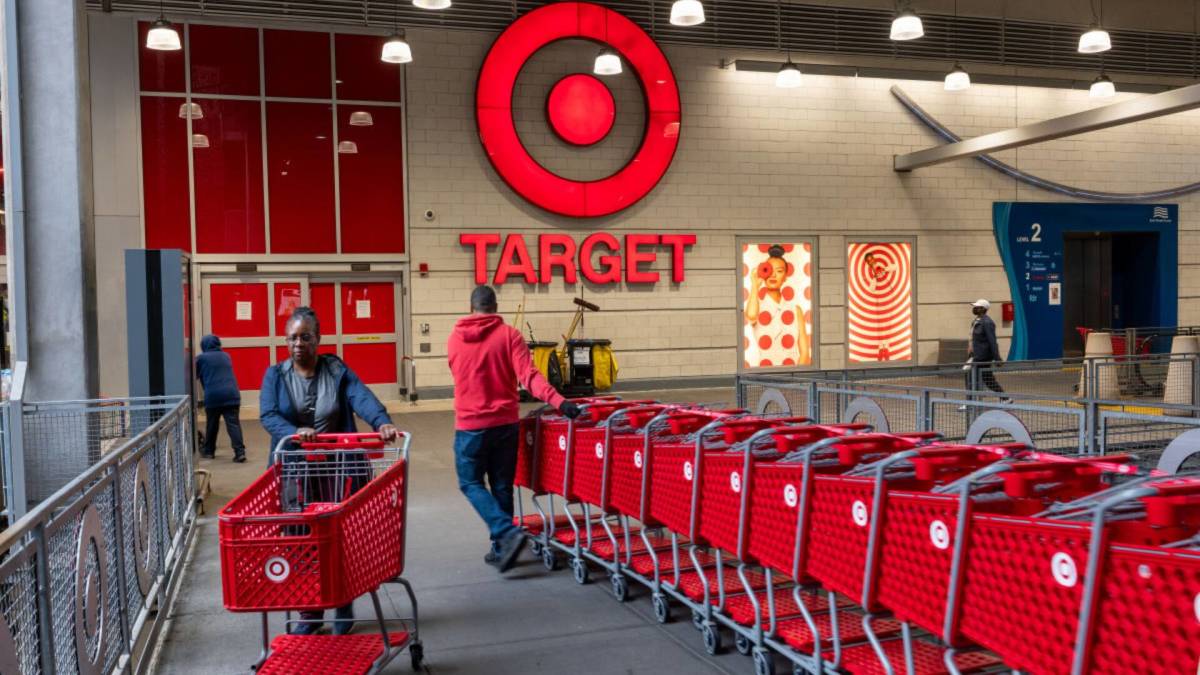
Target is implementing its largest corporate layoffs in over a decade, cutting 1,800 roles amid ongoing financial struggles and declining sales, as part of a broader restructuring effort to streamline operations and improve growth prospects.
Target is cutting 1,800 jobs, including 1,000 layoffs and 800 unfilled positions, as part of a major restructuring effort to address declining sales and streamline operations amid economic challenges and internal complexity, with COO Michael Fiddelke set to become CEO in 2026.
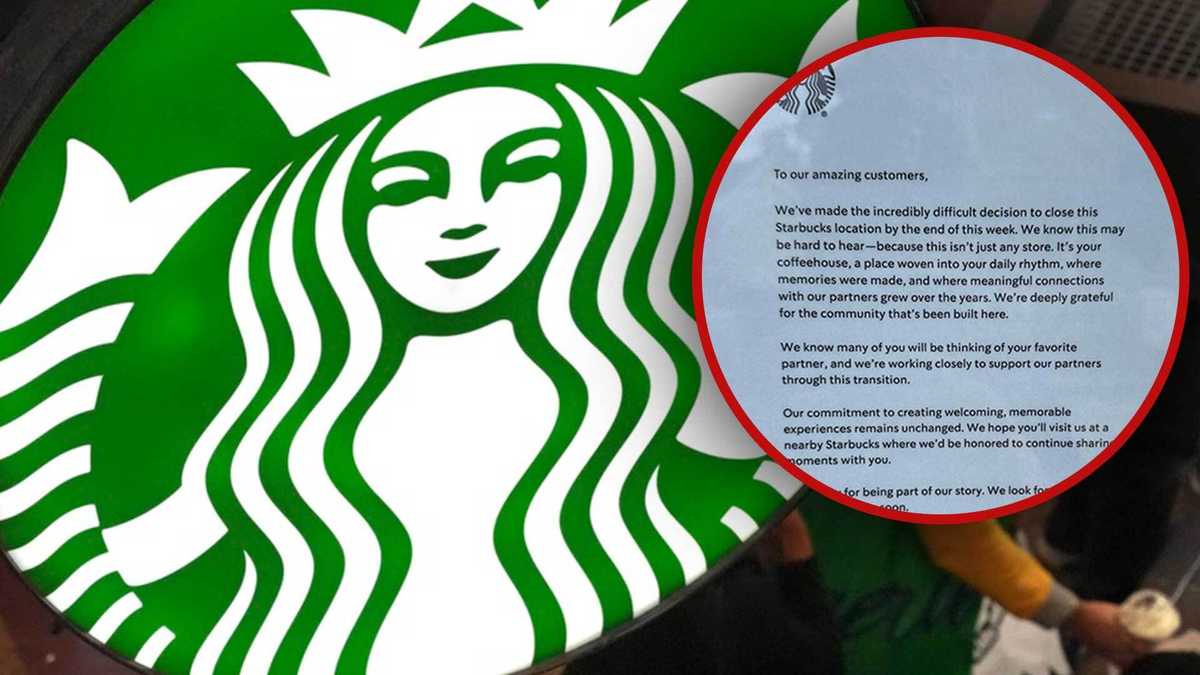
Starbucks is closing several stores in Massachusetts, including one in Boston's Government Center, as part of a nationwide effort to revamp its business, with plans to close hundreds of stores and lay off 900 employees, while also addressing unionization efforts among its workers.
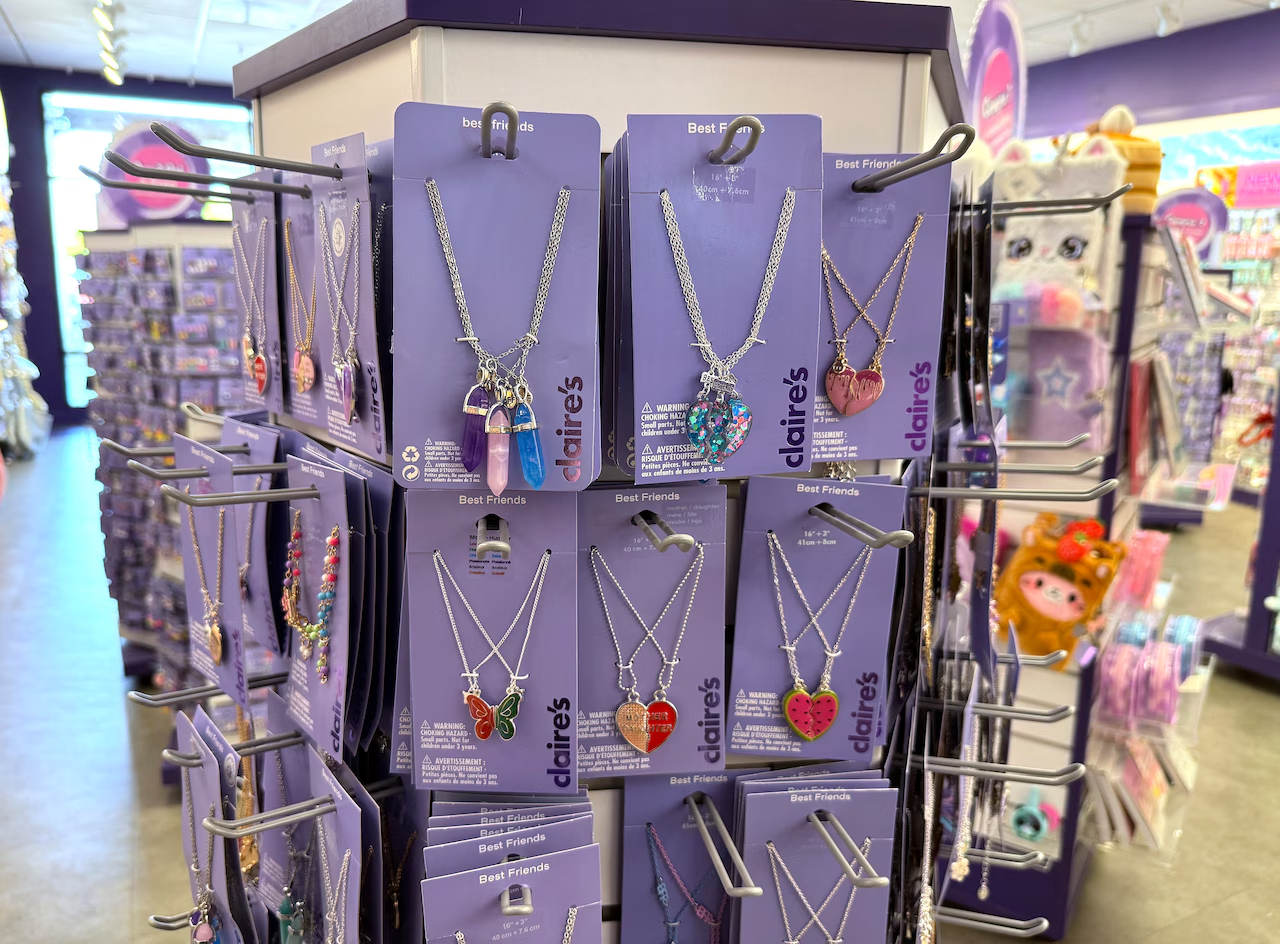
Claire's, a popular teen and tween retail chain with around 2,750 stores in the U.S., has filed for Chapter 11 bankruptcy for the second time in six years due to increased competition, declining mall traffic, and economic pressures. While most stores will remain open during the restructuring process, some locations are already scheduled to close, and the company is exploring the sale of assets and strategic alternatives to address its financial challenges.
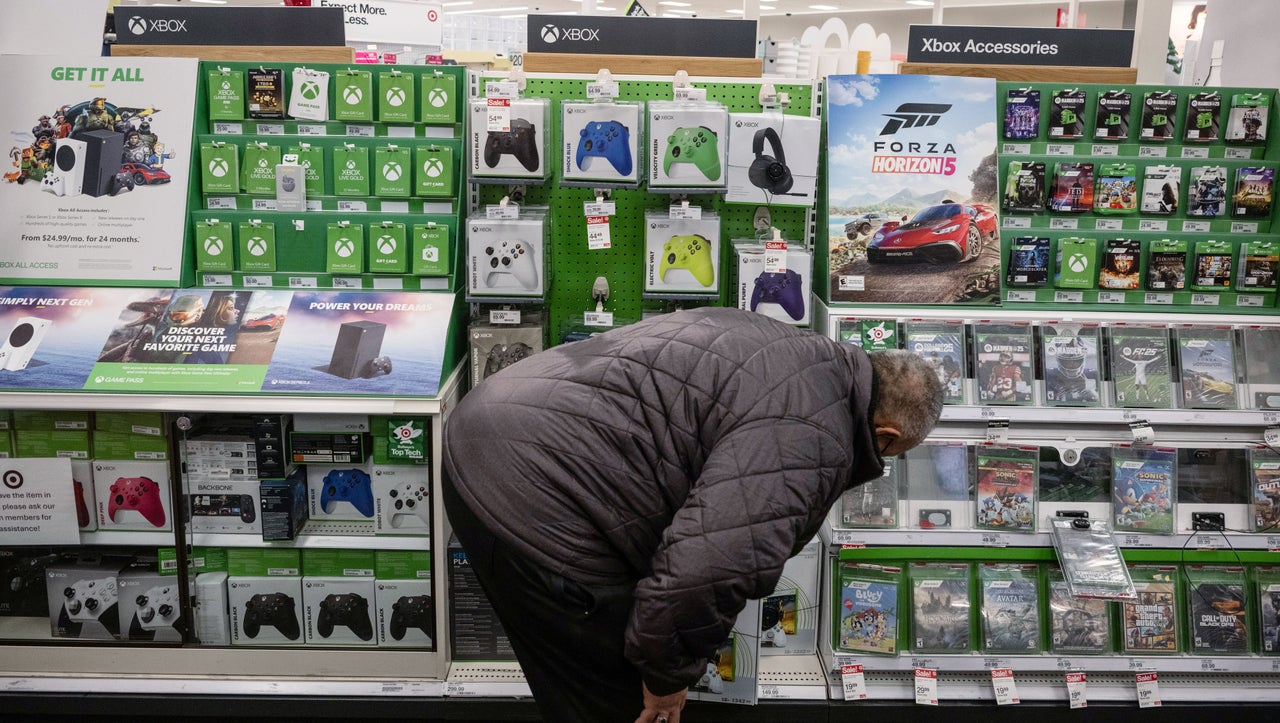
Microsoft is planning significant layoffs across its Xbox division, potentially as early as next week, amid ongoing restructuring and prior extensive job cuts following its acquisition of Activision Blizzard, with the company preparing for the launch of its next-generation consoles.
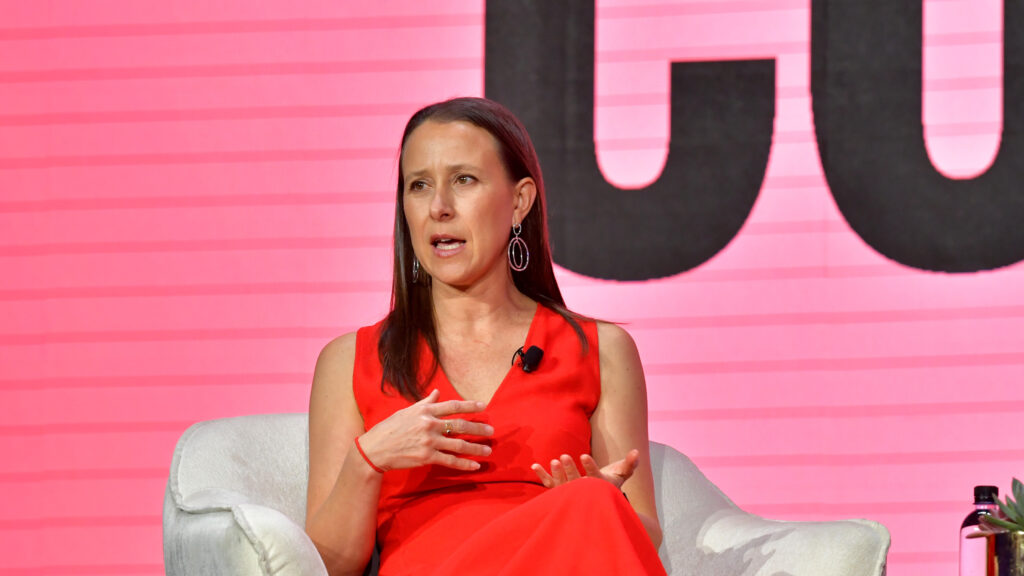
23andMe, a genetic testing company, is laying off 40% of its workforce, or 200 employees, as it struggles to recover from a significant data breach and a 70% drop in share price this year. The company will also halt its therapeutic developments and may sell or license them. The layoffs are part of a restructuring plan aimed at saving $35 million, despite incurring $12 million in one-off costs. The company has faced challenges including a major data breach affecting millions of users and the resignation of most of its board members.
23andMe announced it will cease its drug discovery efforts, laying off 40% of its workforce, to focus on its core business of selling genetic tests and research partnerships. This decision marks the end of its ambitious plan to become a drug company using its genetic data.
Riot Games, the developer of League of Legends, is laying off 530 employees, citing the need to refocus on fewer high-impact projects for a more sustainable future. The company's CEO explained that the decision was necessary due to unsustainable costs and a lack of focus, with a particular emphasis on the need for experimentation and failure in a creative company. The layoffs will primarily affect teams outside of core development, and the company is also shutting down RiotForge and reducing the size of its Legends of Runeterra team. Affected employees will receive severance pay, bonuses, health benefits, and other support. This move follows a trend of extensive layoffs in the gaming industry, with thousands of workers affected in recent years.
Google is continuing its layoffs with "a few hundred" roles being eliminated from its advertising sales team, primarily affecting its Large Customer Sales unit. The company spokesperson confirmed the job cuts, stating that impacted employees will have the opportunity to apply for open roles or elsewhere at Google. This comes after last week's layoffs of about 1,000 employees and previous cuts across various parts of the company, bringing the total number of job cuts above 1,000.
Amazon is laying off over 500 employees in its Twitch unit in an effort to "rightsize" the company and align its headcount with the current size of the business. Twitch CEO Dan Clancy explained that despite efforts to build a more sustainable business, the organization remains larger than necessary given the current scale of the business. The layoffs represent the third round of cuts at Twitch in less than a year, and affected employees will receive severance packages and support through the transition.
Bayer plans to overhaul its business structure and reduce management layers in response to declining performance, with CEO Bill Anderson stating that zero cash flow despite nearly €50 billion in revenue is unacceptable. While the company's Q3 pharmaceutical sales remained steady at €4.53 billion, its share price has dropped by 20% since last year.
Indian edtech giant Byju's plans to cut up to 5,000 jobs as part of a business restructuring aimed at reducing costs and simplifying operations. The company, valued at $22 billion, will eliminate redundant roles in both its offline and online ventures, as well as senior executive positions. Byju's is consolidating four of its businesses into two and is also dealing with a dispute with lenders and the resignation of board members and auditor Deloitte. The company has faced criticism for its reporting and governance structures and its failure to meet financial reporting deadlines.
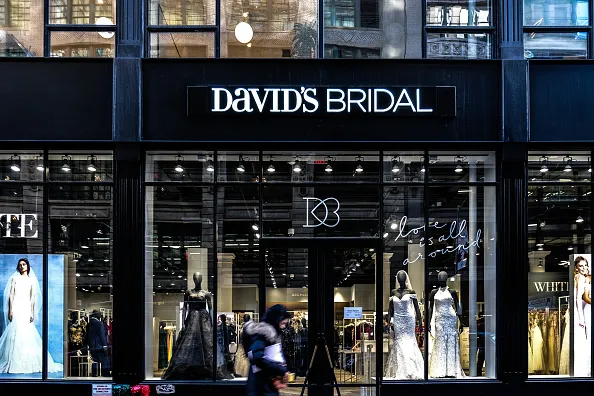
David's Bridal, one of the largest sellers of wedding gowns in the US, has filed for Chapter 11 bankruptcy protection and plans to cut at least 9,000 positions. The company is looking to sell the business, but stores will remain open and brides will be able to purchase dresses without any disruptions. This is the second time the company has filed for bankruptcy, with the first being in 2018.
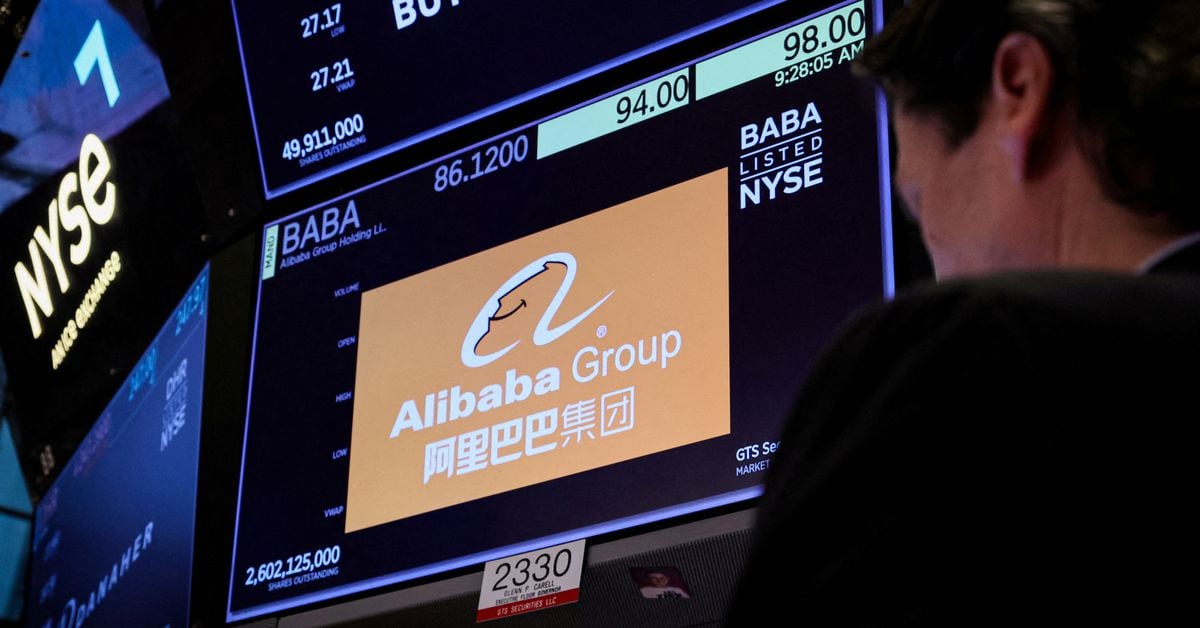
Alibaba Group plans to monetize non-core assets and may give up control of some businesses after they go public, according to CEO Daniel Zhang. The company's restructuring into six separate business units will allow them to become more agile and list on their own. Alibaba will retain seats on the boards of the new units in the short-term, but will decide whether to continue to retain control after they go public. The move comes after a regulatory crackdown on China's tech giants, and Alibaba's market valuation has declined to $260 billion from over $800 billion.
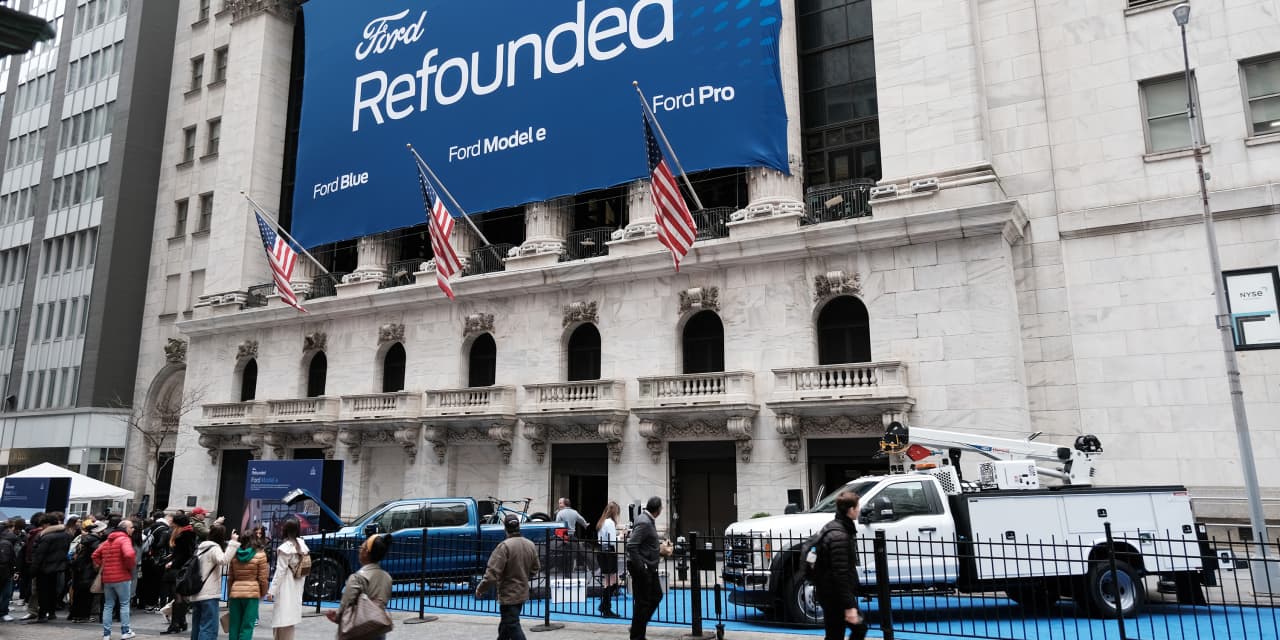
Ford has revealed the financial results of its traditional car business, commercial business, and EV business, which are now referred to as Ford Blue, Ford Pro, and Ford Model e. Despite losing billions on its EVs, the stock's decline is not a problem as the company is restructuring itself and investors are optimistic about its future in the electric vehicle market.