Voters in California are participating in a special election on Proposition 50, which proposes to temporarily redraw congressional district boundaries to potentially increase Democratic seats in the U.S. House, impacting future control of Congress.
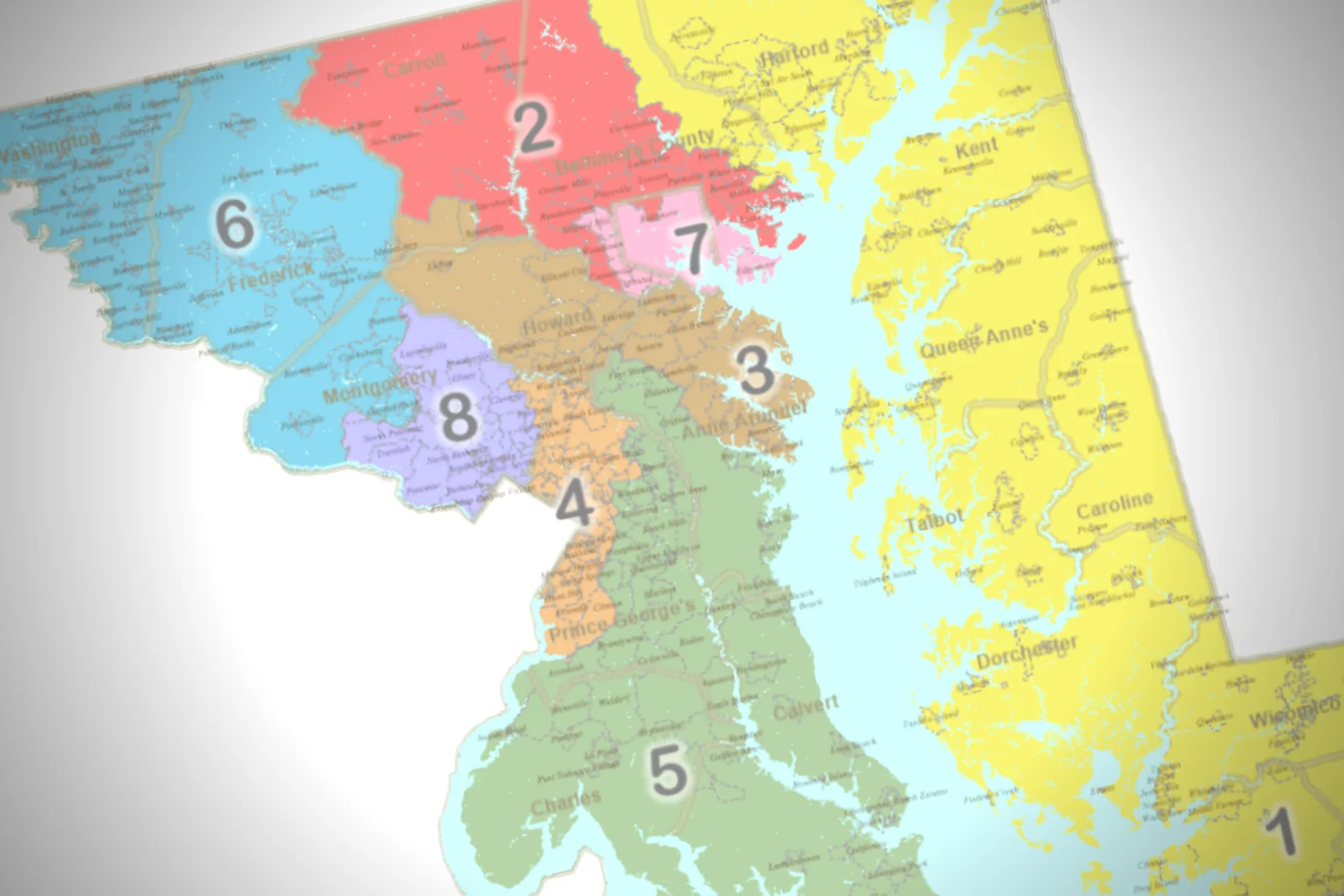
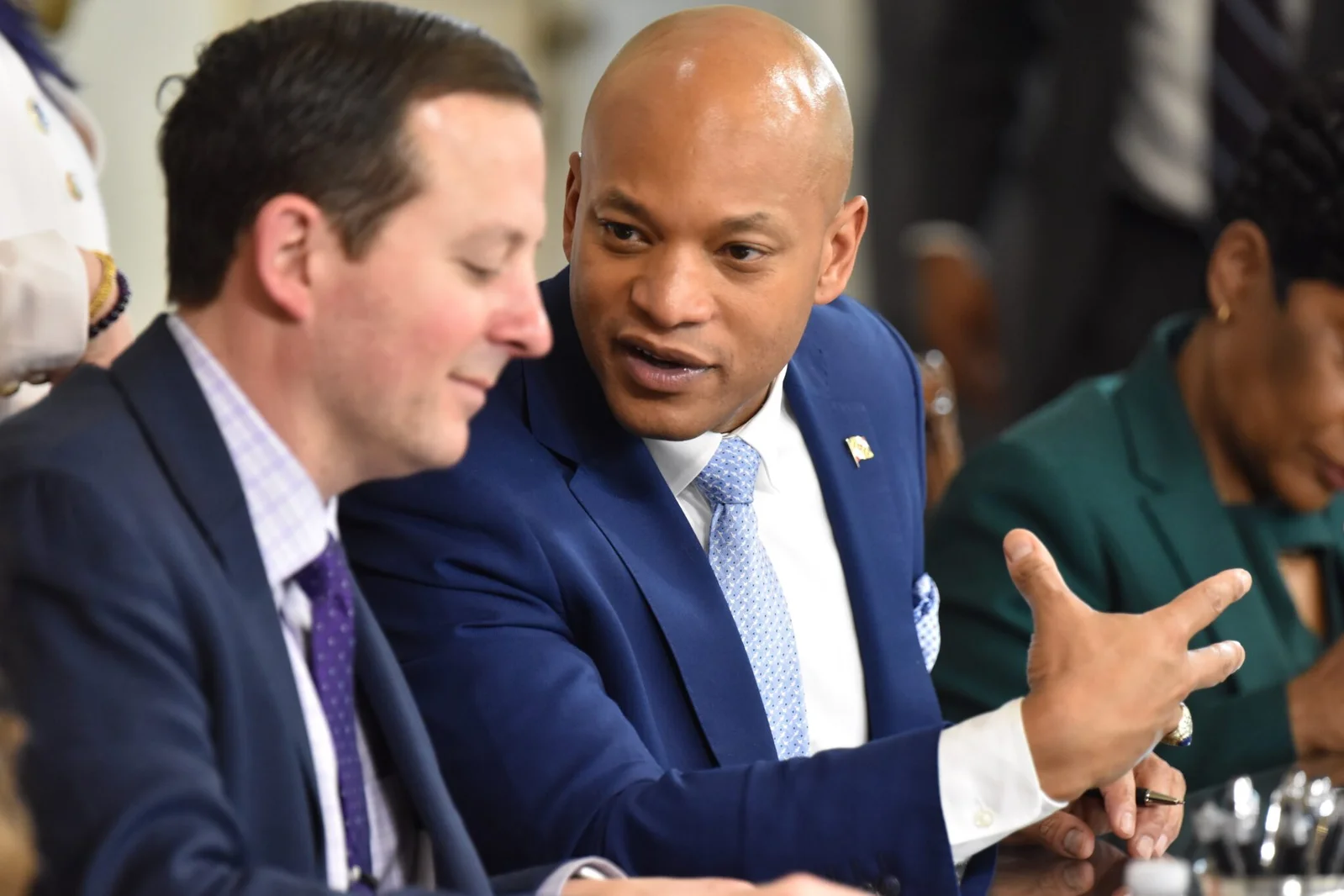
Maryland Governor Wes Moore is moving forward with a plan to redraw the state's congressional districts through a new advisory commission, despite opposition from Senate President Bill Ferguson, in an effort to eliminate the last Republican district and influence the 2026 elections, potentially leading to a legislative showdown and legal challenges.
Governor Wes Moore is considering a mid-cycle redistricting of Maryland's eight congressional districts, despite opposition from Senate President Bill Ferguson who warns it is too risky and could undermine democracy. The move is part of a broader national context where states are redrawing districts to favor their political parties, with Maryland potentially responding to Republican-led efforts by considering its own redistricting to ensure fair and competitive districts. The decision faces legislative hurdles and political debate about fairness and the impact on democracy.
California's Proposition 50 proposes to suspend the independent redistricting commission temporarily, potentially reshaping congressional districts across the state, flipping some from Republican to Democratic control and affecting local communities' representation and interests.
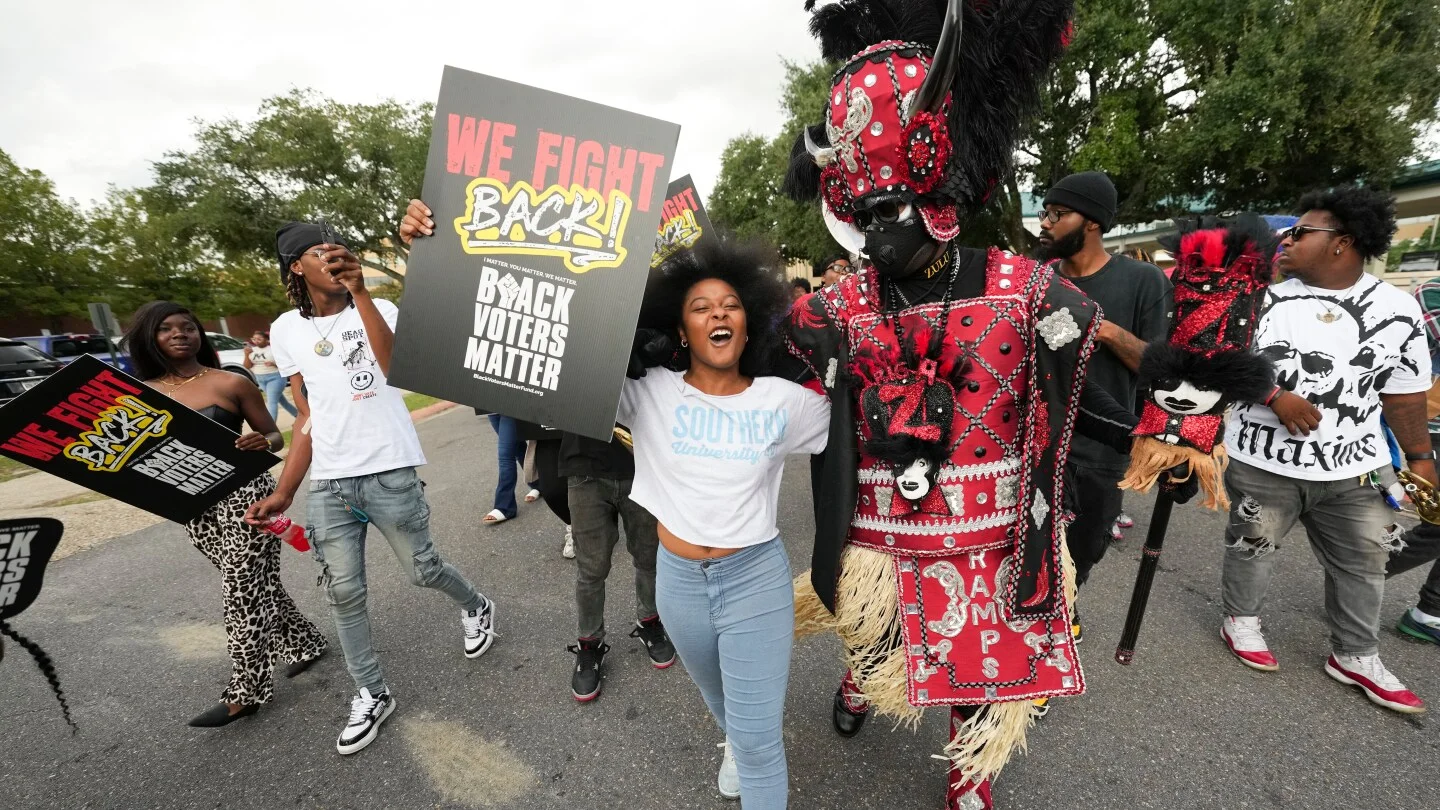
The article discusses the creation of Louisiana's second Black majority congressional district, its significance for Black voters, and the ongoing legal challenge that could impact voting rights and districting practices nationwide.
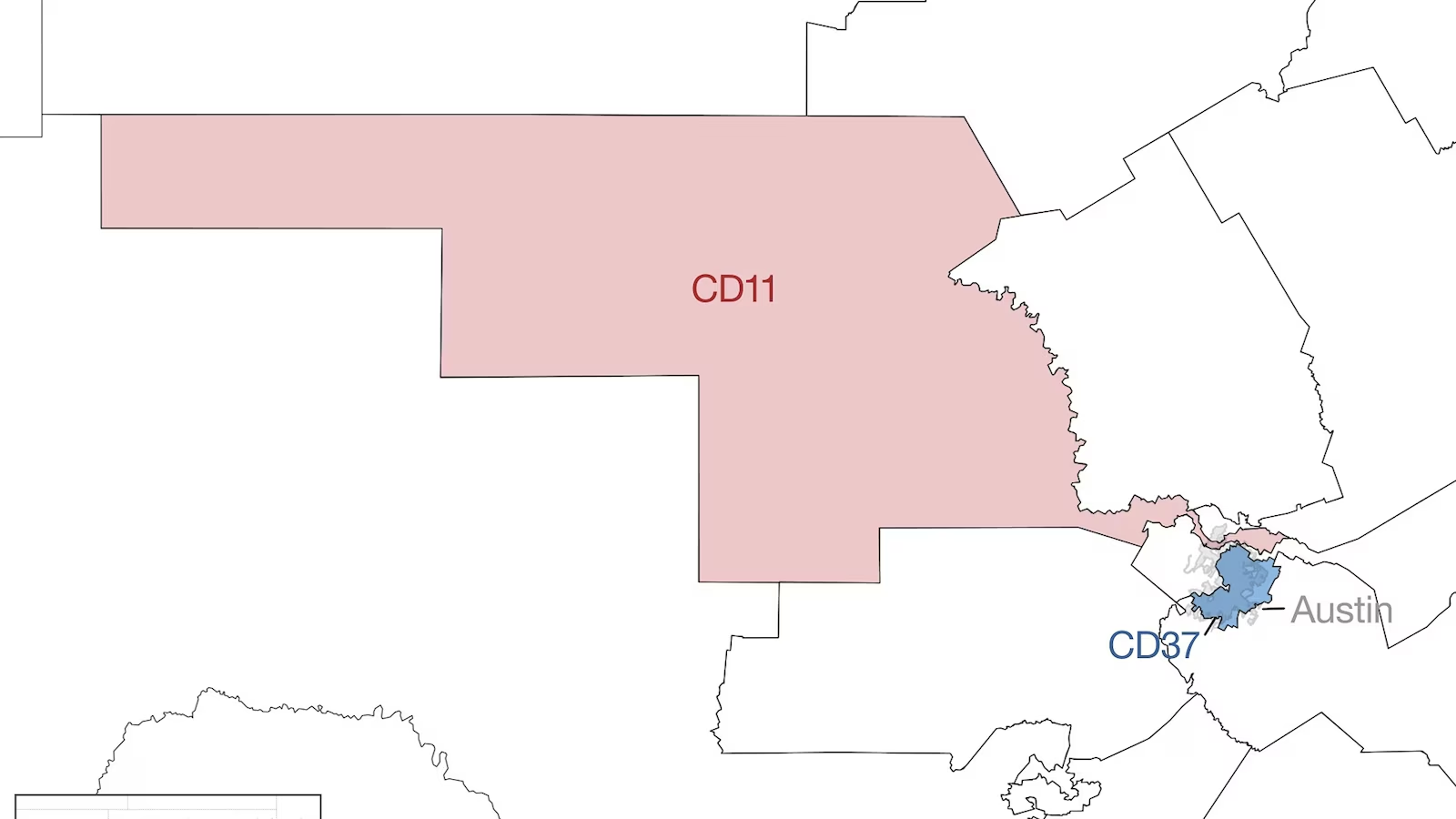
Texas Republicans are proposing a new mid-decade redistricting map that significantly alters the boundaries of Austin's 37th Congressional District, potentially diluting minority voting power and creating districts that span over 300 miles, raising concerns about community representation and political fairness.
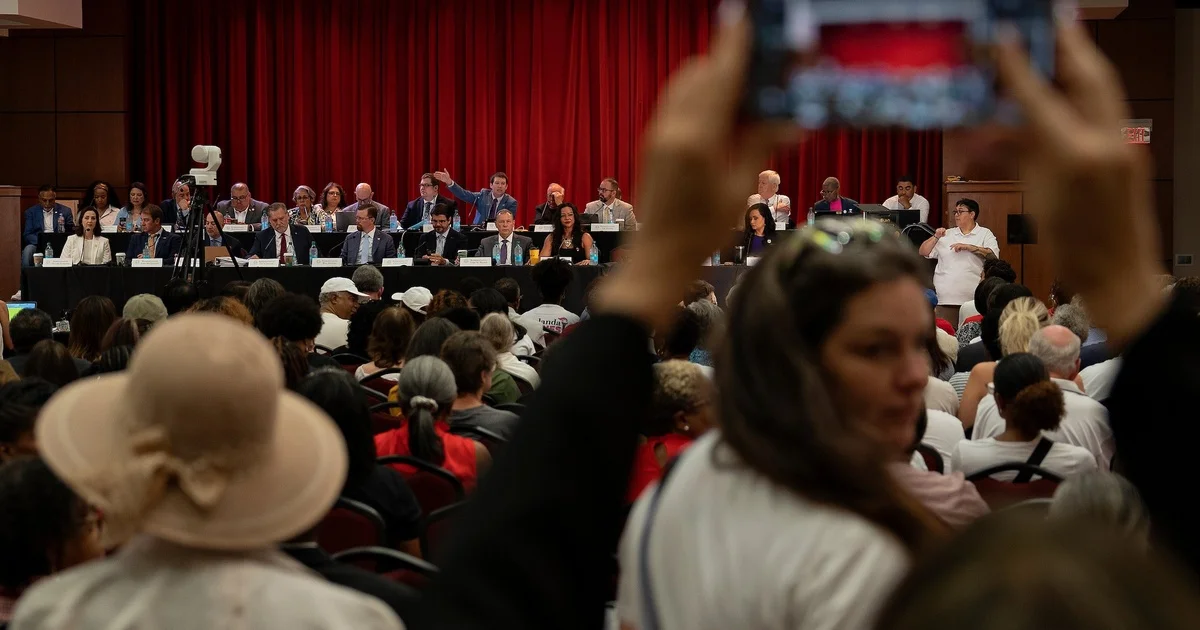
The Texas House held a hearing in Houston to discuss redistricting plans, which are controversial due to concerns about gerrymandering and the potential dilution of minority voters' influence, with critics arguing that the process is politically motivated ahead of the 2026 elections.
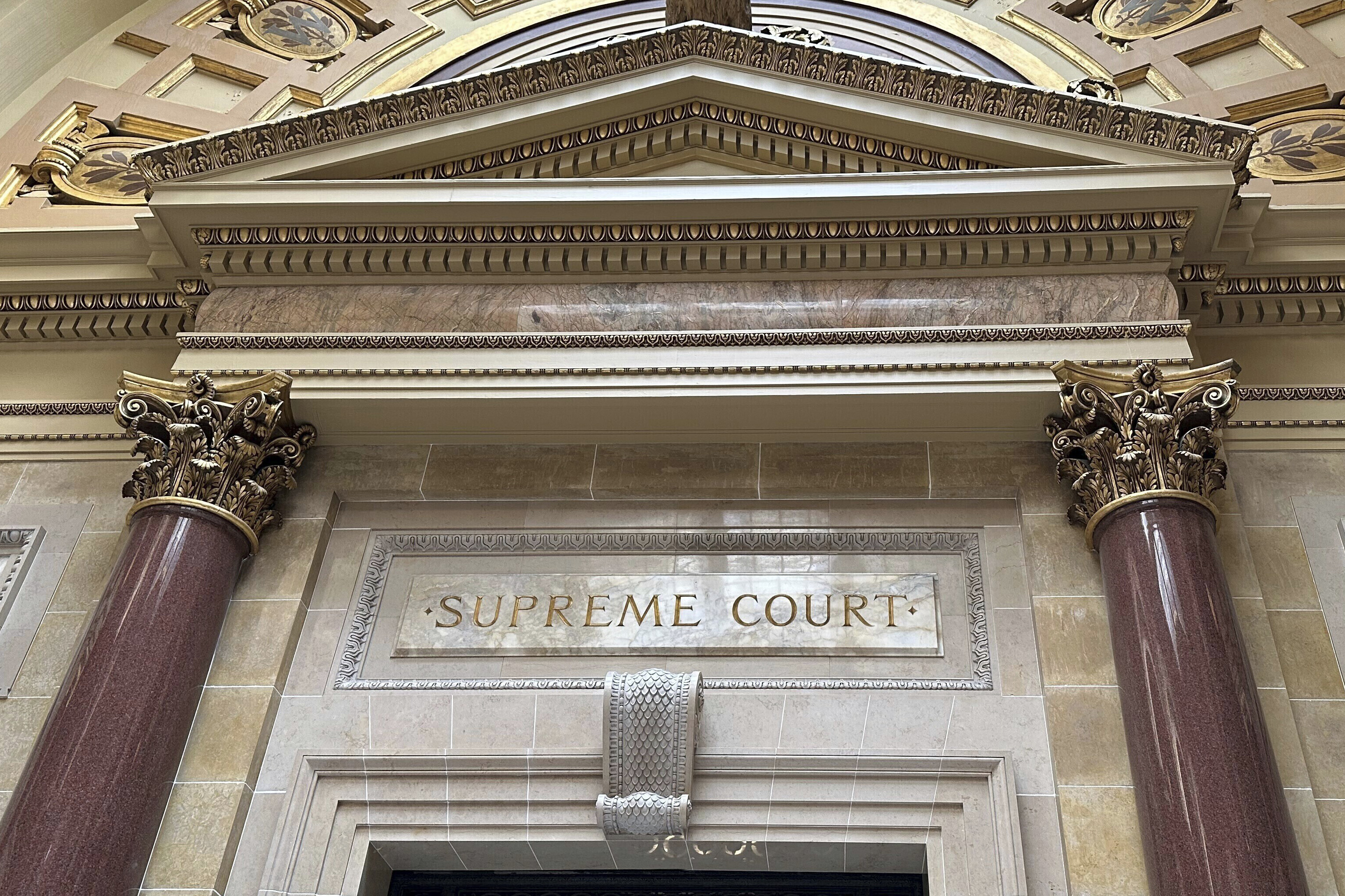
The Wisconsin Supreme Court, controlled by liberal justices, declined to hear challenges from Democrats seeking to redraw the state's congressional district boundaries before the 2026 elections, maintaining the current maps that favor Republicans and marking a setback for Democratic efforts to gain more competitive districts.
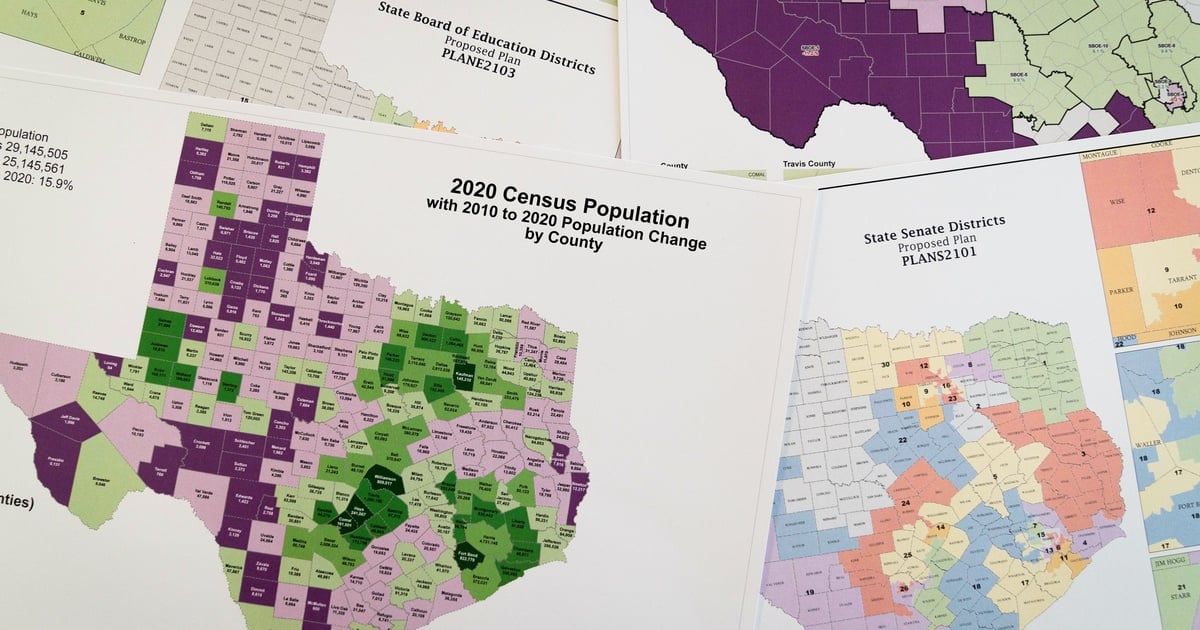
Texas Republicans are considering a mid-decade redrawing of congressional districts to potentially strengthen their majority in the 2026 midterms, with discussions ongoing among GOP leaders and uncertainty about Governor Greg Abbott's support for the move.
Nebraska lawmakers rejected a proposed change to the state's Electoral College system, which would have switched from awarding electoral votes by congressional district to a winner-take-all system. Former President Donald Trump and Governor Jim Pillen had pushed for the change, which could potentially benefit Trump in future elections. The rejection was bipartisan, but there is still a possibility that the provision could be attached to another bill before the legislative session ends.
More than 6,000 voters in a newly formed congressional district in Alabama received postcards with incorrect voting information due to a software glitch, raising concerns about potential disenfranchisement in a crucial race to boost Black representation and Democrats' hopes to flip the US House. The error occurred as a result of adjusting to the recent shift in state congressional districts, with affected voters receiving notices and still able to vote for the correct candidates. The redrawn map aims to increase Black voting power, potentially leading to the election of two Black congressional representatives from the state for the first time.
More than 6,000 voters in a newly formed congressional district in Alabama, designed to enhance Black voting power, received postcards with incorrect voting information ahead of the primary, raising concerns about the impact on a crucial race. The error, attributed to a software glitch, affected voters in Montgomery County, which now falls in the 2nd Congressional District after a federal court redrew new congressional lines in response to a U.S. Supreme Court ruling. Advocates worry that the misinformation could have discouraged Black voters from participating in an election seen as an opportunity to elect a representative who looks like them.
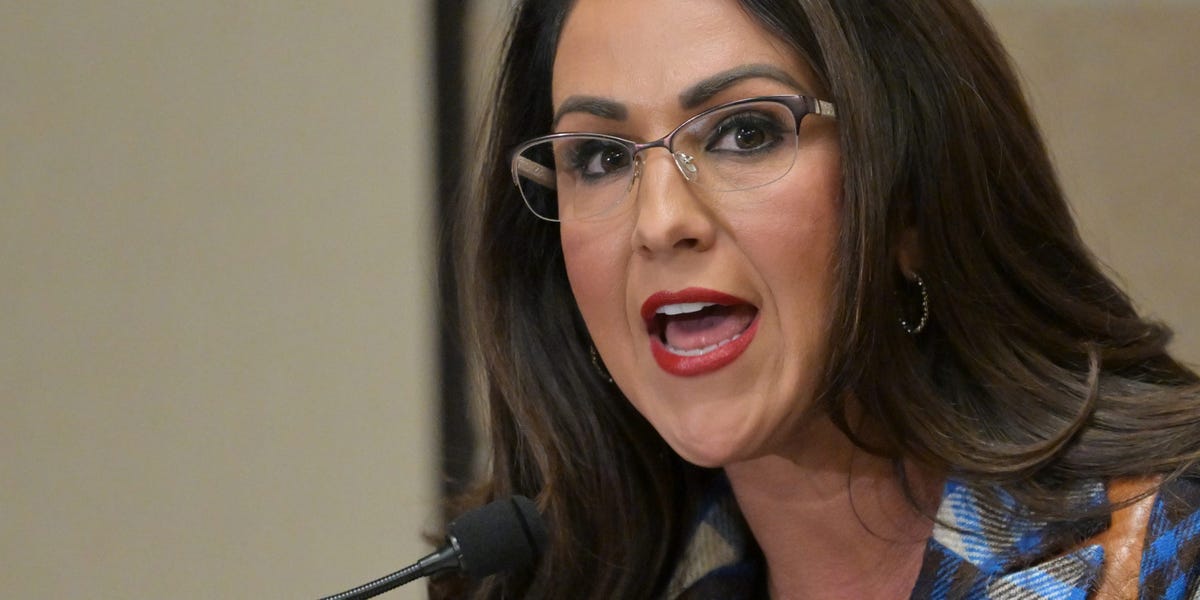
Rep. Lauren Boebert revealed that she sought divine guidance before deciding to switch congressional districts, stating that God told her to press on with the decision. This move comes amid challenges, including legal troubles involving her family and potential difficulties in winning over voters in the new district. Boebert's decision echoes similar electoral gambits made by other politicians in the past, but she faces an uphill battle as she navigates this transition.
New York Democrats have introduced a new congressional map that could benefit the party in its efforts to win control of the U.S. House of Representatives, with key changes in Long Island and central New York. The proposed map would make few tweaks to New York City's congressional districts, while extending Democratic Rep.-elect Tom Suozzi's district eastward and making significant changes in the Syracuse area. Republicans, who had been bracing for worse, are not upset with the proposed map, but have threatened to sue, arguing that it violates the state constitution's anti-gerrymandering provision. The Democrat-dominated Legislature is expected to approve the new districts, with Gov. Kathy Hochul having the option to waive the mandatory three-day aging period for new legislation.
Elon Musk criticized the advantage blue states have in elections due to illegal immigration, prompting Republican lawmakers to introduce legislation to apportion congressional districts based on citizen population alone. They argue that counting illegal immigrants in the census and awarding congressional representation and electoral votes based on them is unfair and dilutes the power of American citizens' votes. The legislation was backed by several Republican senators and aims to address the impact of illegal immigration on political representation.