The Senate Judiciary Committee has begun the confirmation process for President Trump's judicial nominees, including Whitney Hermandorfer for the Sixth Circuit Court of Appeals, amidst partisan debates over the influence of the American Bar Association and concerns about nominee experience and qualifications.
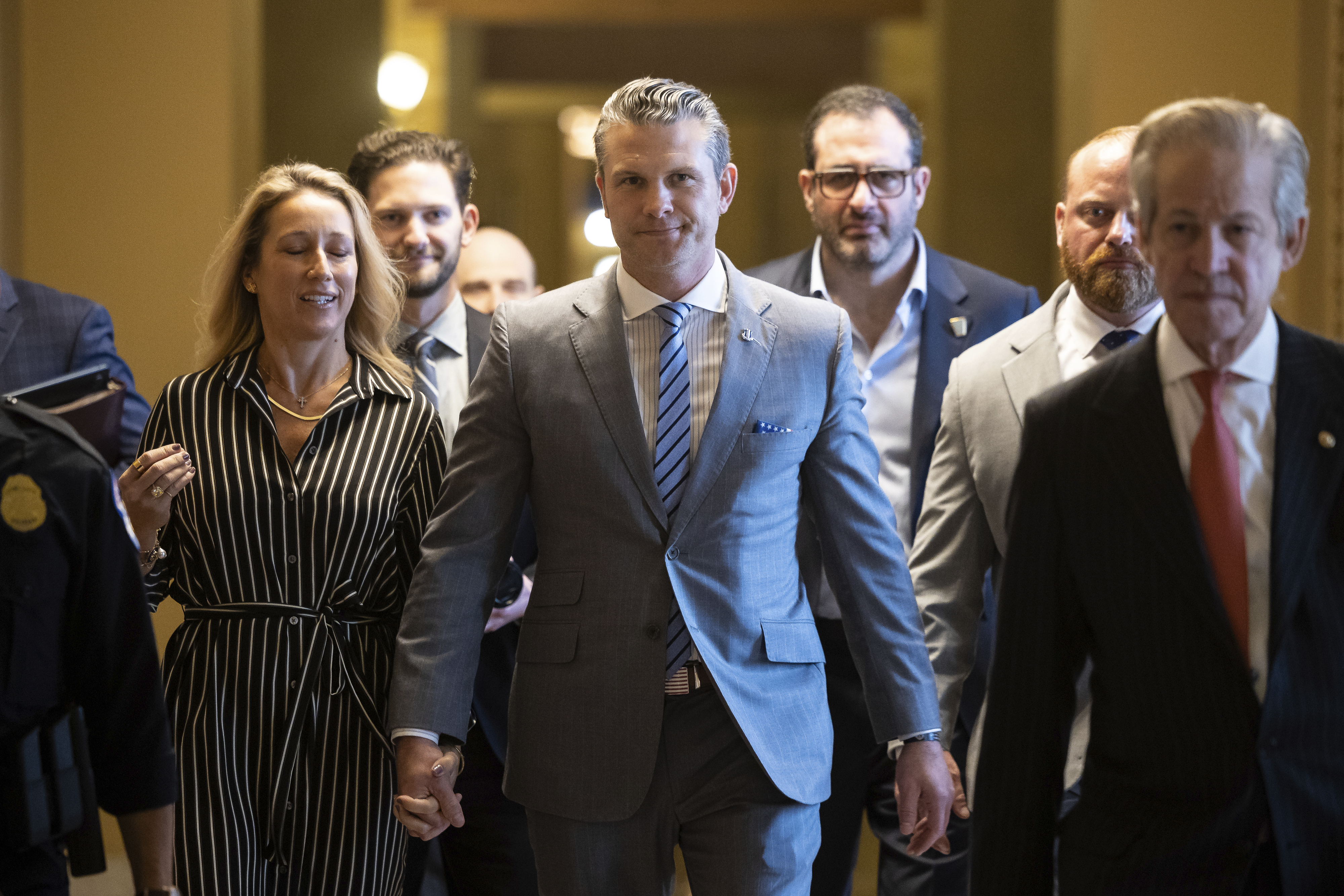
Pete Hegseth, Donald Trump's nominee for Defense Secretary, has softened his previous stances against women in combat and gays in the military amid his confirmation process. This shift follows meetings with moderate Republican senators and comes as Hegseth faces allegations of misconduct. His evolving rhetoric aims to address concerns about his leadership potentially disrupting a diverse military. Despite this, some senators remain skeptical of his true positions, while others see his moderation as a typical part of the confirmation process.
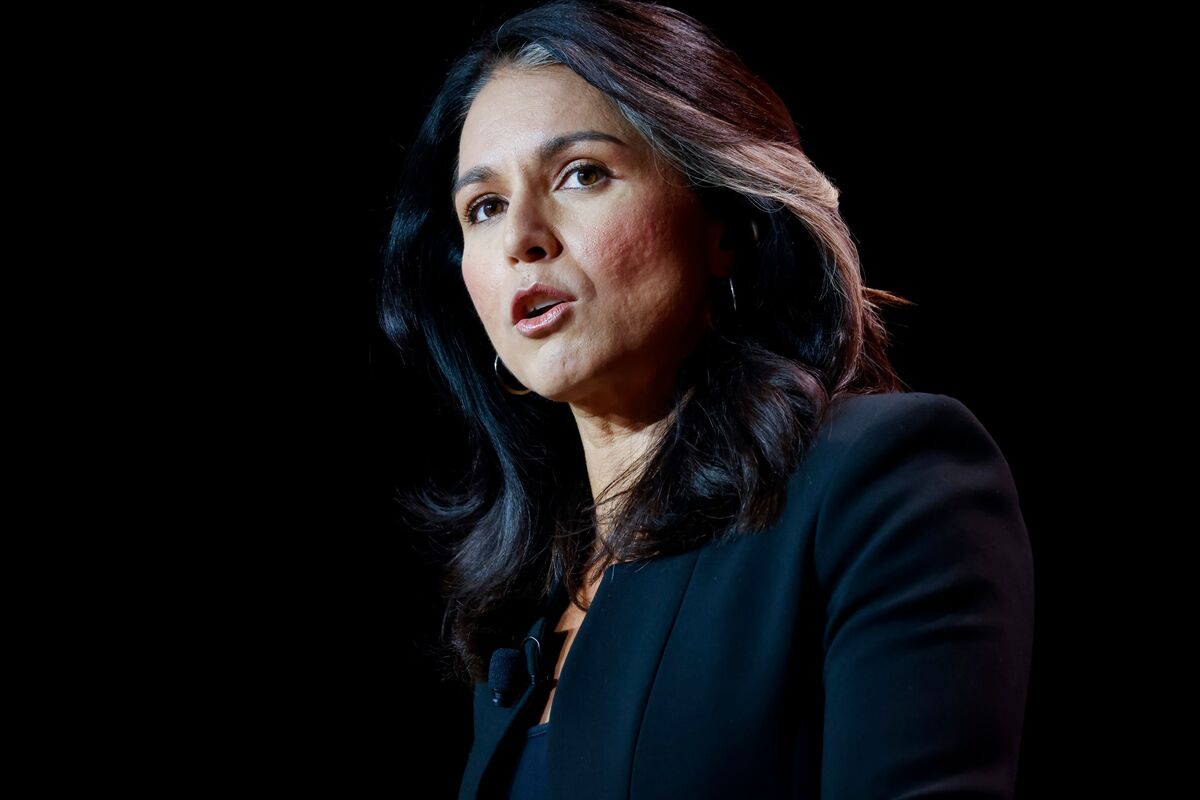
Tulsi Gabbard, nominated by President-elect Donald Trump to lead the US intelligence community, is anticipated to face rigorous questioning during her confirmation hearings. Concerns are expected to focus on her past meeting with Syrian President Bashar al-Assad and her comments perceived as sympathetic to Russia. Gabbard, a former Democratic representative from Hawaii who switched parties, is known for her loyalty to Trump.
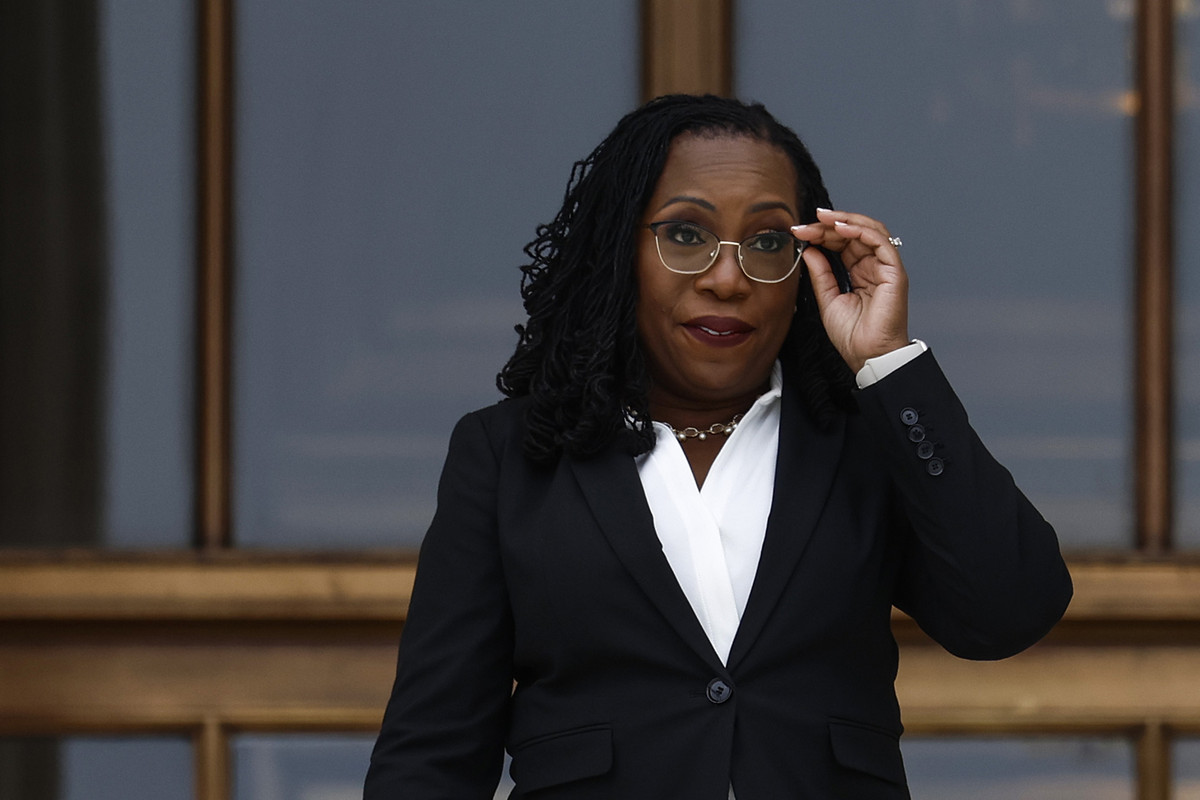
During her Supreme Court confirmation hearings, nominee Ketanji Brown Jackson delved into the definition of "officer of the United States," a term critical to the separation of powers. The discussion centered on the scope of executive authority and the potential impact on the judiciary, with senators and Jackson exploring the nuances of the term in the context of her judicial philosophy.