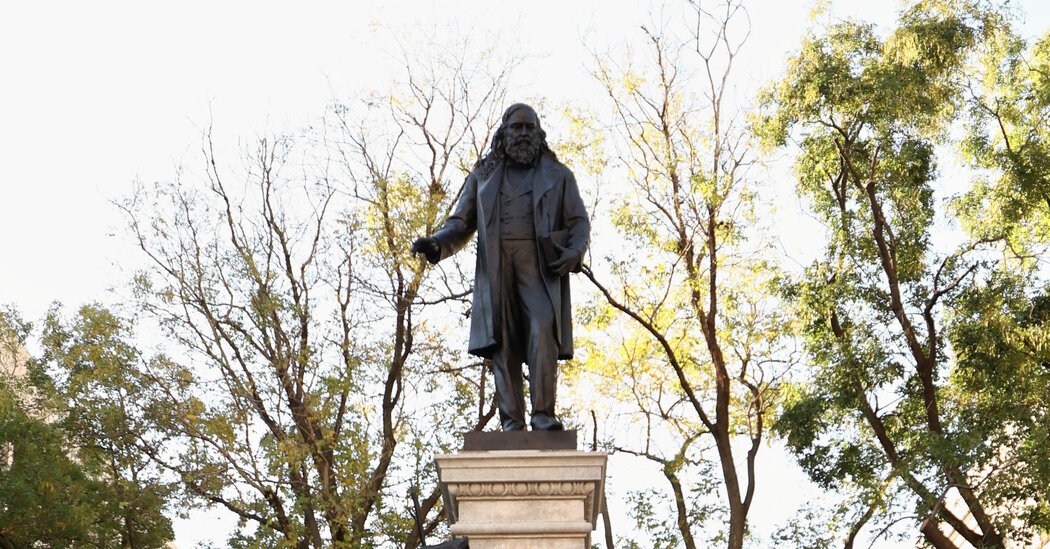
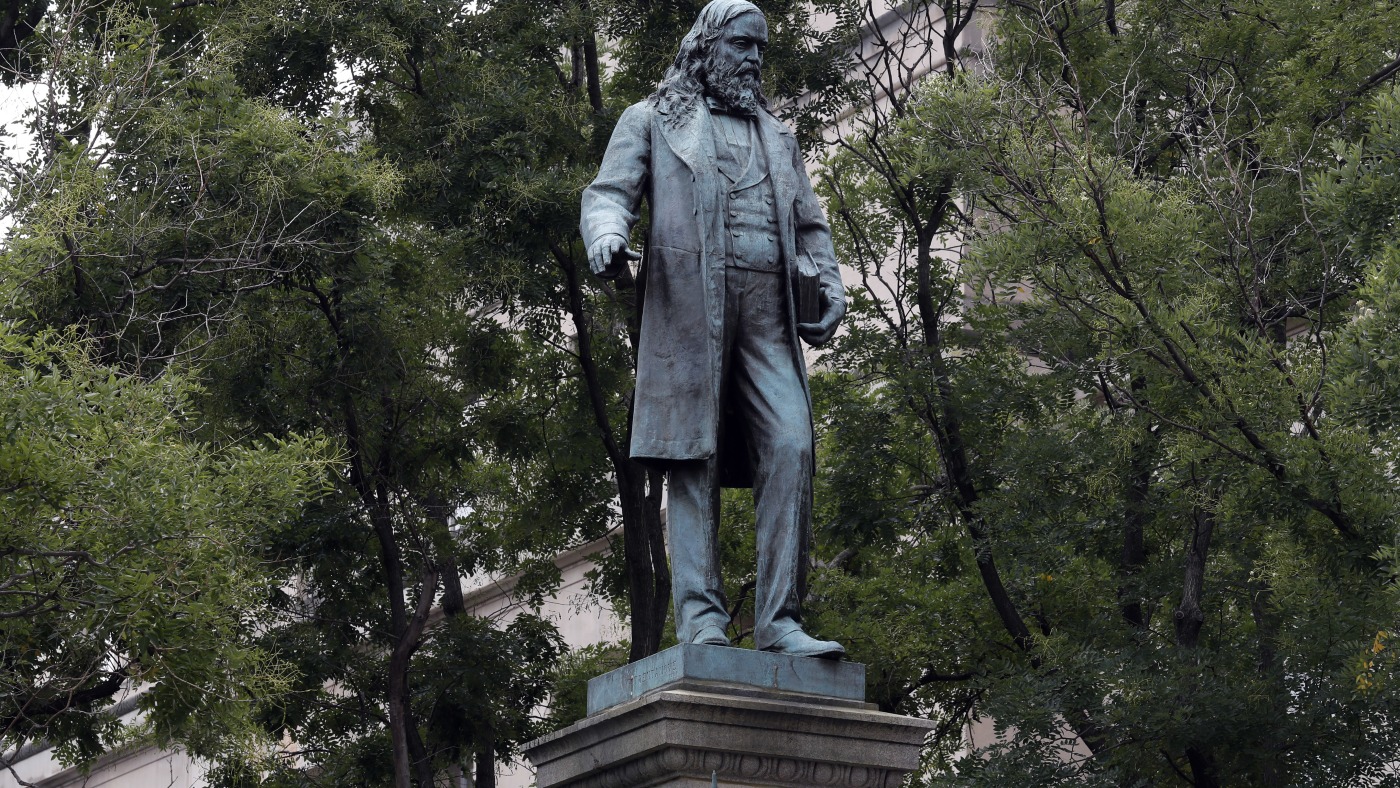
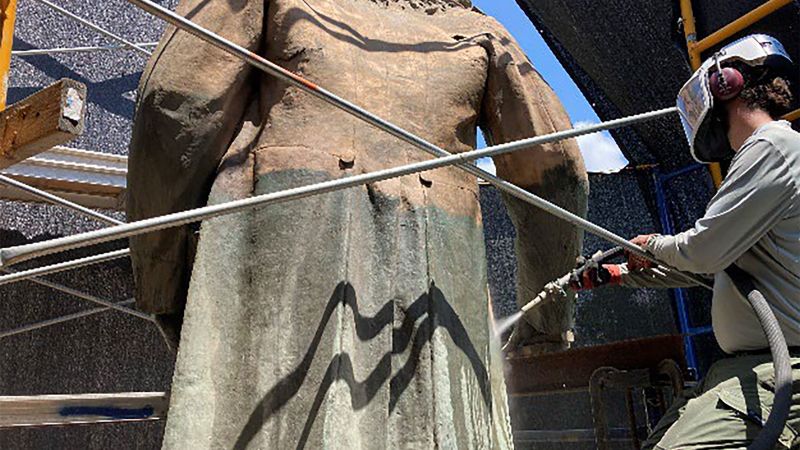
The Trump administration has reinstalled a bronze statue of Confederate General Albert Pike near the U.S. Capitol in Washington, after it was toppled in 2020 during Black Lives Matter protests, marking a move to restore Confederate symbols in public spaces.
A statue of Confederate general Albert Pike, which was toppled and damaged during the 2020 Black Lives Matter protests, has been renovated and reinstalled in Washington, D.C., despite ongoing controversy and opposition from local officials.
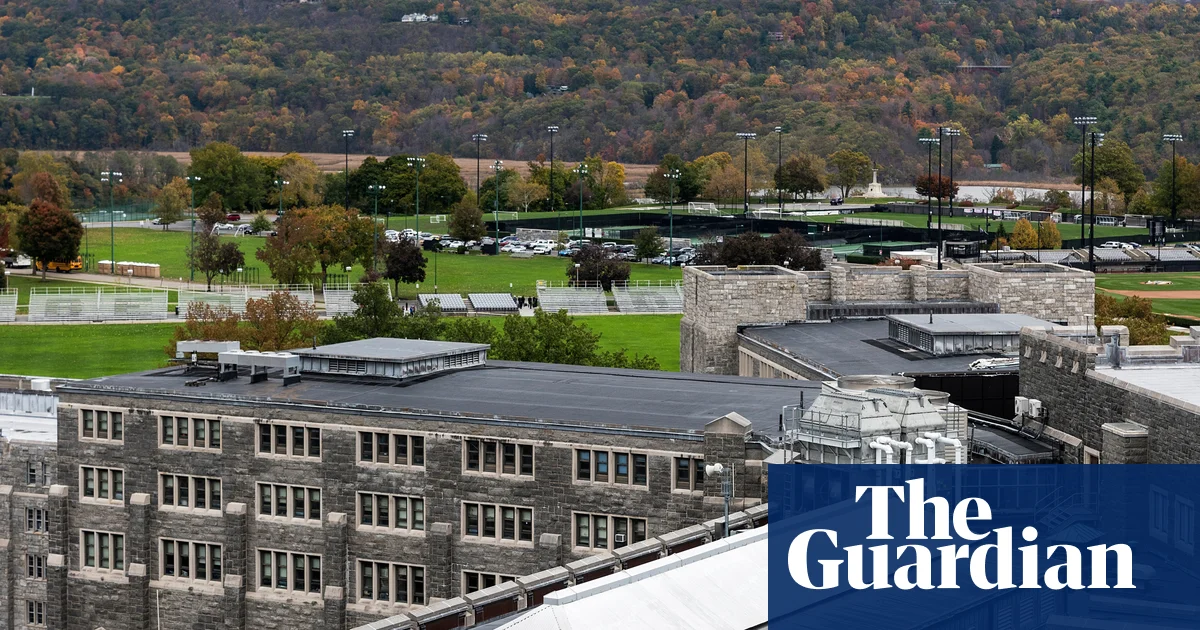
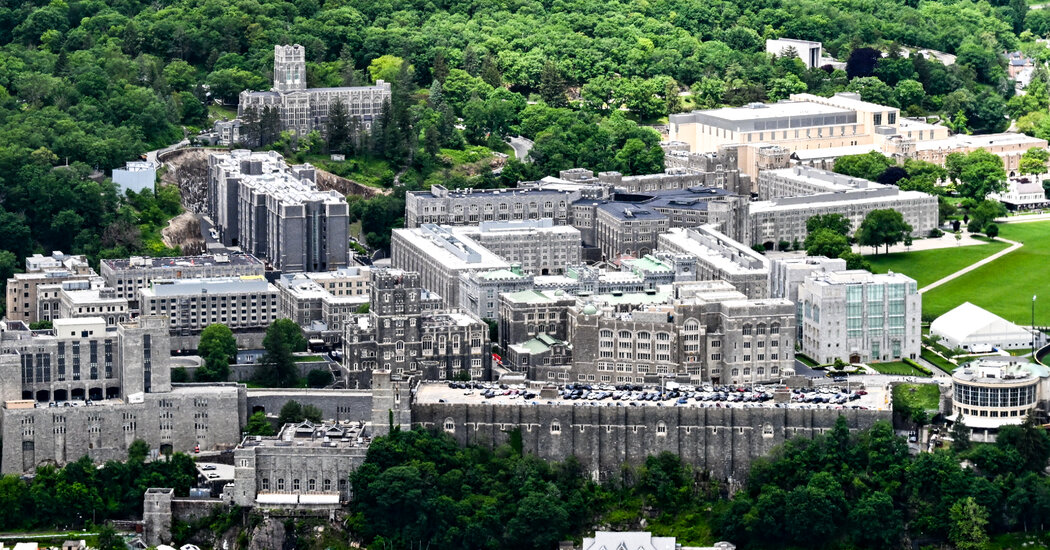
The Pentagon is planning to restore a controversial portrait of Confederate General Robert E Lee at West Point, despite recent laws aimed at removing Confederate symbols from military sites, sparking debate over historical preservation versus honoring recent legislation and social movements.
The Pentagon is restoring a portrait of Confederate General Robert E. Lee at West Point, including a controversial painting with a slave in the background, after a law mandated its removal in 2020. This move reflects ongoing debates over honoring Confederate figures and preserving historical artifacts, with some officials emphasizing respect for history while others see it as a contentious act.
The US National Park Service plans to restore and reinstall a Confederate Albert Pike statue in Washington, DC, after it was toppled in 2020, citing legal and executive orders, despite criticism from local officials who view the statue as a symbol of racism.
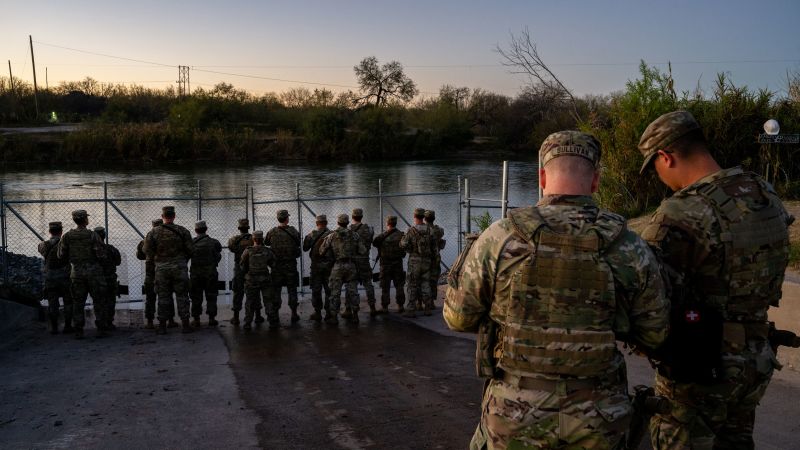
Shelby Park in Eagle Pass, Texas, has become a focal point of a standoff between state and federal authorities, as it is named after Confederate General Joseph Orville Shelby, who fled to Mexico rather than surrendering to Union troops. The park's name has sparked controversy, with some activists calling for it to be changed due to its association with racism and hate. The recent standoff at the park reflects ongoing tensions over immigration enforcement and power struggles, with state officials seizing the park for law enforcement purposes amid disputes with the federal government.
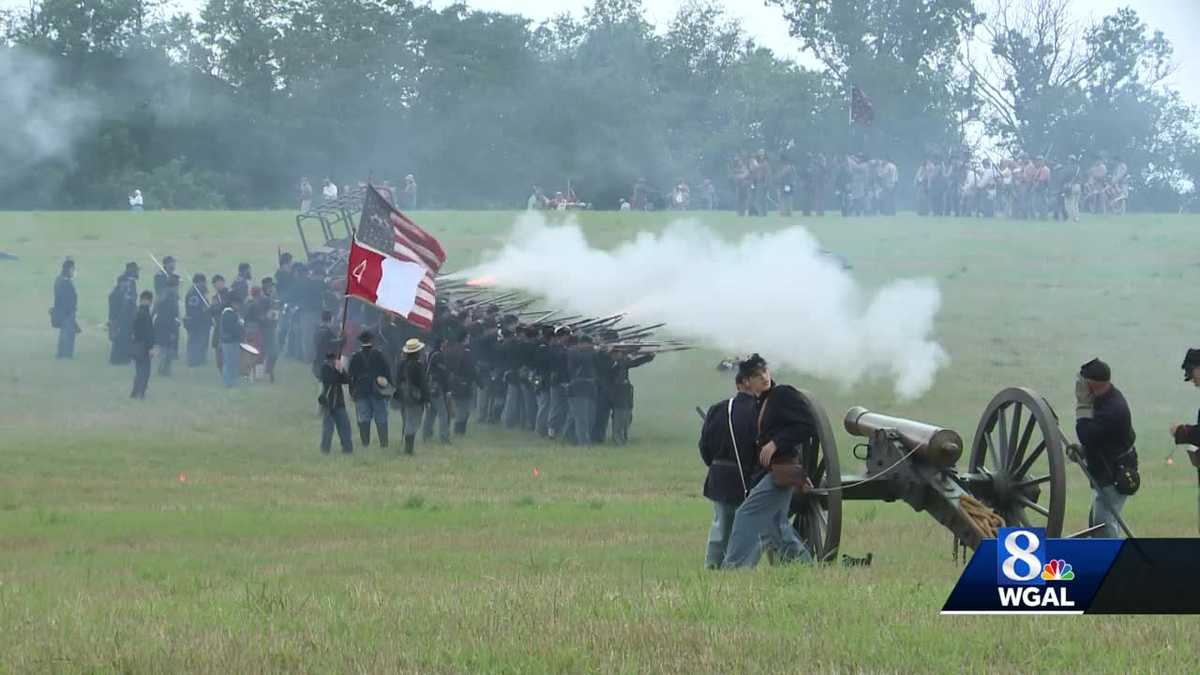
Reenactors from the US and around the world are marking the 160th anniversary of the Battle of Gettysburg, with 2,000 Union and Confederate reenactors participating in a three-day event at the Daniel Lady Farm. Some reenactors have been participating for over 40 years, and one Canadian reenactor mentioned that it is part of their history as much as it is America's. The Gettysburg National Military Park is also hosting guided walks, talks, and hikes to commemorate the battle's anniversary.
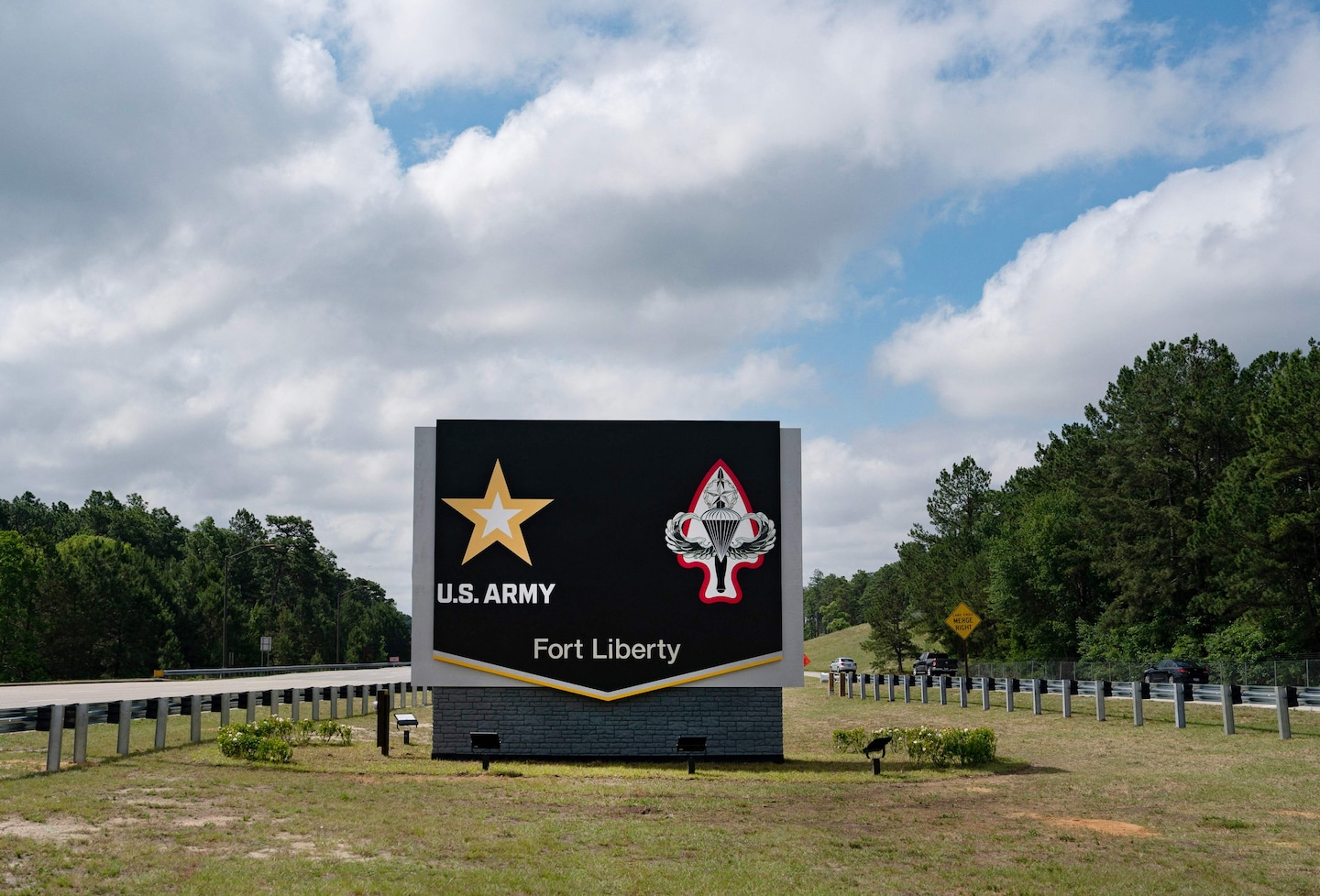
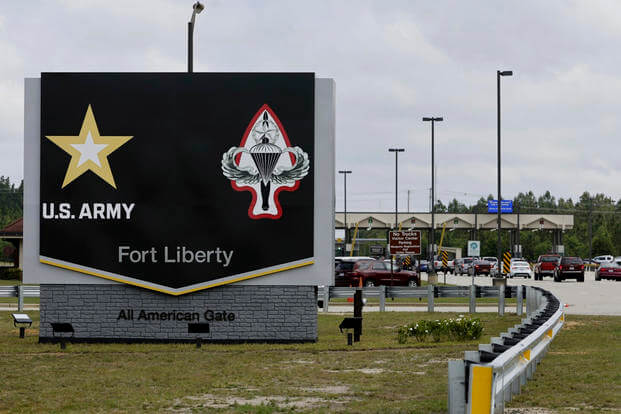
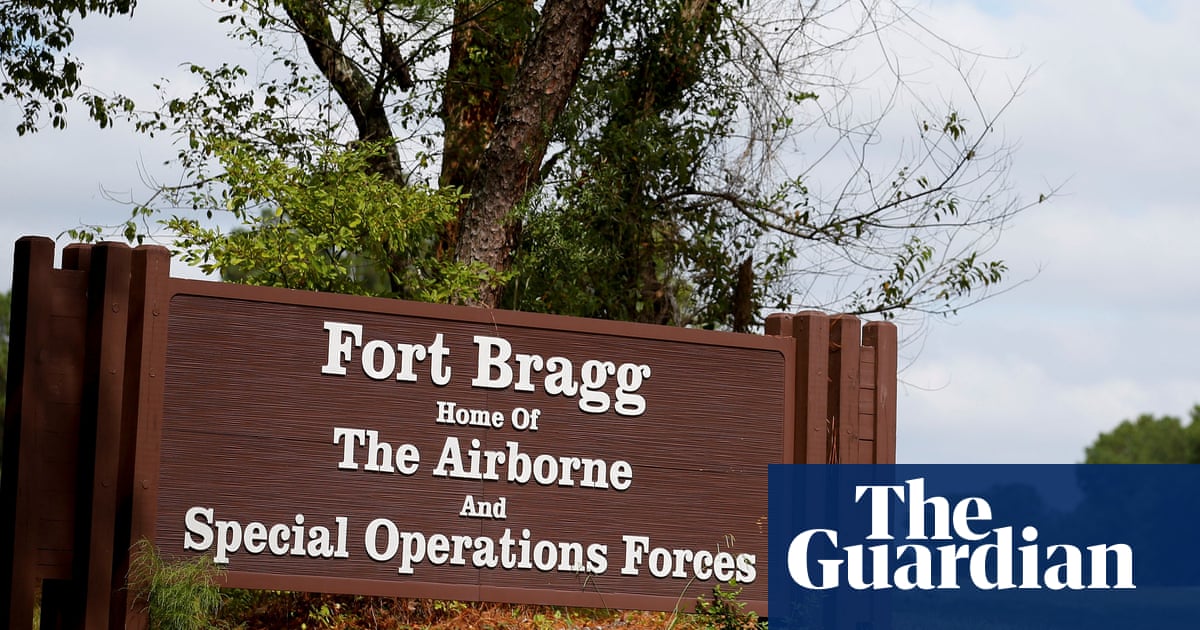
Fort Bragg, one of the largest military bases in the US, has been renamed Fort Liberty as part of a congressionally mandated plan to rename military bases, ships, and streets that previously honored Confederate leaders. The plan is the culmination of a years-long effort that intensified in 2020, after the murder of George Floyd and the reckoning it brought over the nation’s history of racism. The other eight Army bases selected to be renamed are Fort Benning and Fort Gordon in Georgia; Fort A.P. Hill, Fort Lee, and Fort Pickett in Virginia; Fort Polk in Louisiana; Fort Rucker in Alabama; and Fort Hood in Texas.
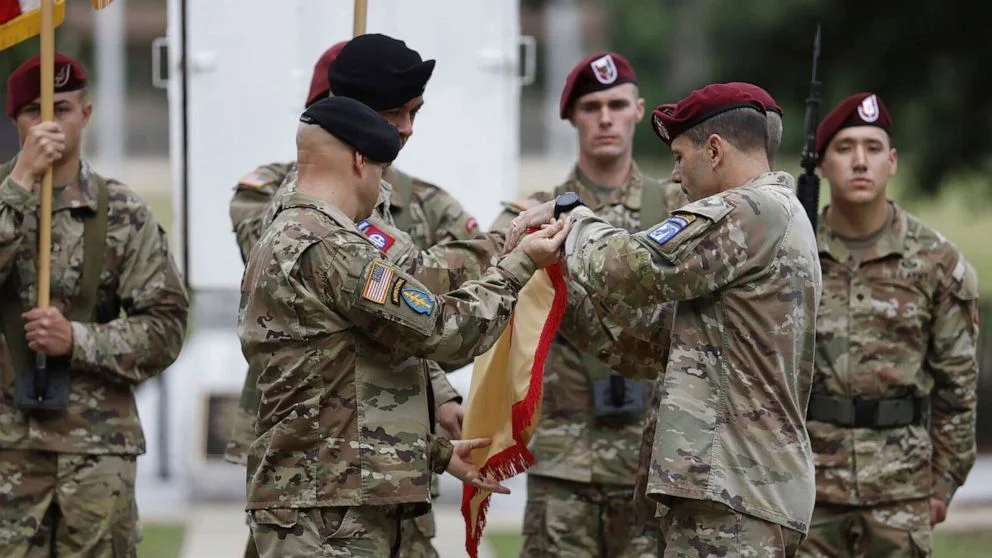
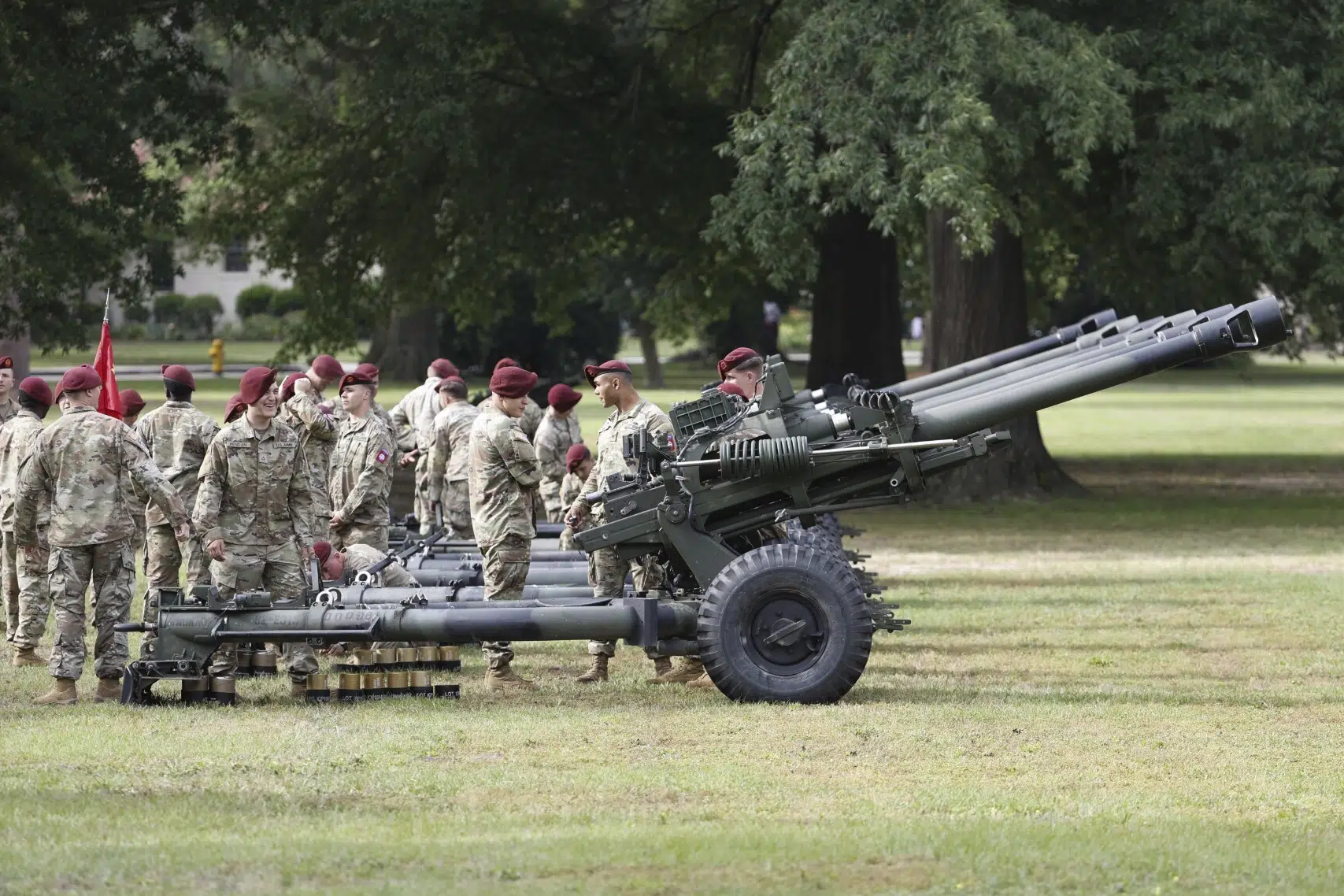
Fort Bragg, North Carolina, has been renamed Fort Liberty, making it the only major Army base without a namesake honoring a significant figure in the force's history. The move is part of the Defense Department's ongoing effort to scrub namesakes honoring Confederate rebels who took up arms against the U.S. during the Civil War. Fort Liberty is one of nine Army bases being renamed, and the ceremony there Friday means the effort is more than halfway complete. The base is home to the service's 82nd Airborne Division, Special Forces, and Delta Force.
North Carolina's Fort Bragg has been renamed Fort Liberty as part of a national campaign to change the names of nine U.S. Army installations that commemorate the Confederate States of America. The renaming ceremony was held on Friday and was inspired by the theme of liberty. The base was previously named after Confederate Army Gen. Braxton Bragg. The renaming of Fort Bragg is part of a broader initiative to remove Confederate names from bases.
Fort Bragg, a US Army installation in North Carolina, has been renamed Fort Liberty as part of a Department of Defense initiative to remove Confederate namesakes. The move is seen as a step towards making the military more welcoming to Black service members. While other bases are being renamed after Black soldiers, US presidents, and trailblazing women, Fort Liberty is the only one not renamed after a person.
Fort Bragg, one of the largest military installations in the world, has been renamed Fort Liberty as part of a Department of Defense initiative to rename military installations that had been named after Confederate soldiers. The renaming ceremony was seen as a small but important step in making the US Army more welcoming to current and prospective Black service members. The cost to rename Fort Bragg will total about $6.37 million, and the next installation to change its name will be Fort Polk in Louisiana.
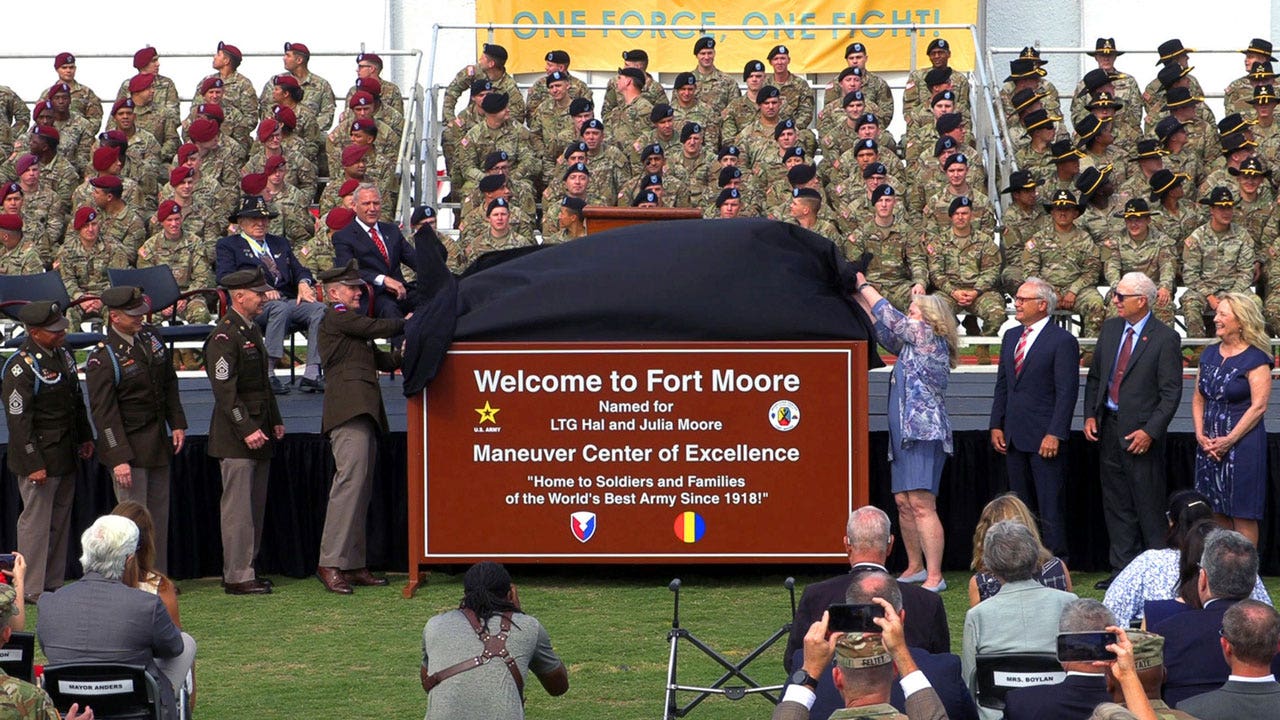
The US Army has renamed Georgia's Fort Benning to Fort Moore, in honor of late Lt. Gen. Hal Moore, a decorated Vietnam War commander. The base was previously named after Confederate Brigadier Gen. Henry L. Benning, who was an outspoken anti-Lincoln secessionist. The name change is part of a broader effort by the US military to confront racial injustice. Other bases around the country, including Fort Pickett, Fort Hood, and Fort Bragg, have either recently been renamed or are scheduled to be in the near future.
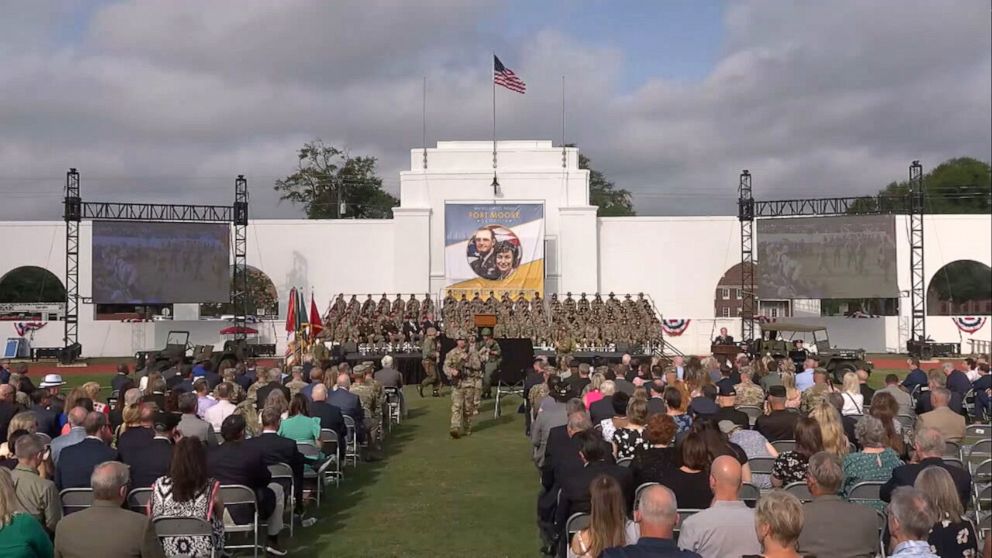
The U.S. Army training base formerly known as Fort Benning was renamed Fort Moore to honor a late lieutenant general and his wife and remove ties to a Confederate general. The renaming of Fort Benning is part of a national campaign to change the names of nine U.S. Army installations, as recommended by the Naming Commission's panel to erase symbols that commemorate the Confederate States of America.
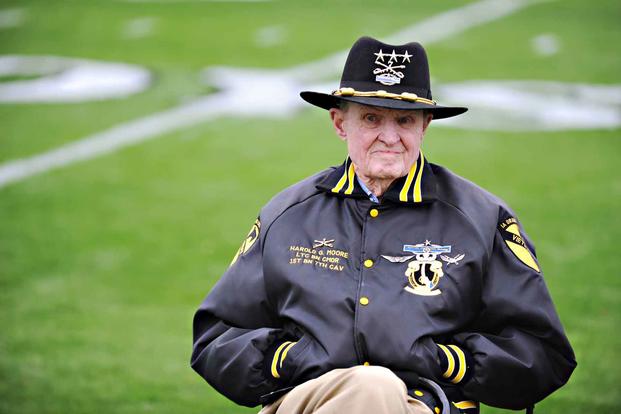
Fort Benning in Georgia has been renamed Fort Moore in honor of Lt. Gen. Hal Moore and his wife Julia Moore, who were influential in the Army. Lt. Gen. Moore is known for commanding the 1st Battalion, 7th Cavalry Regiment, in the Battle of Ia Drang Valley in 1965, and for his work in establishing equal opportunity policies in the Army. The renaming is part of the Pentagon's effort to remove names honoring Confederates who fought against the U.S. in the Civil War.