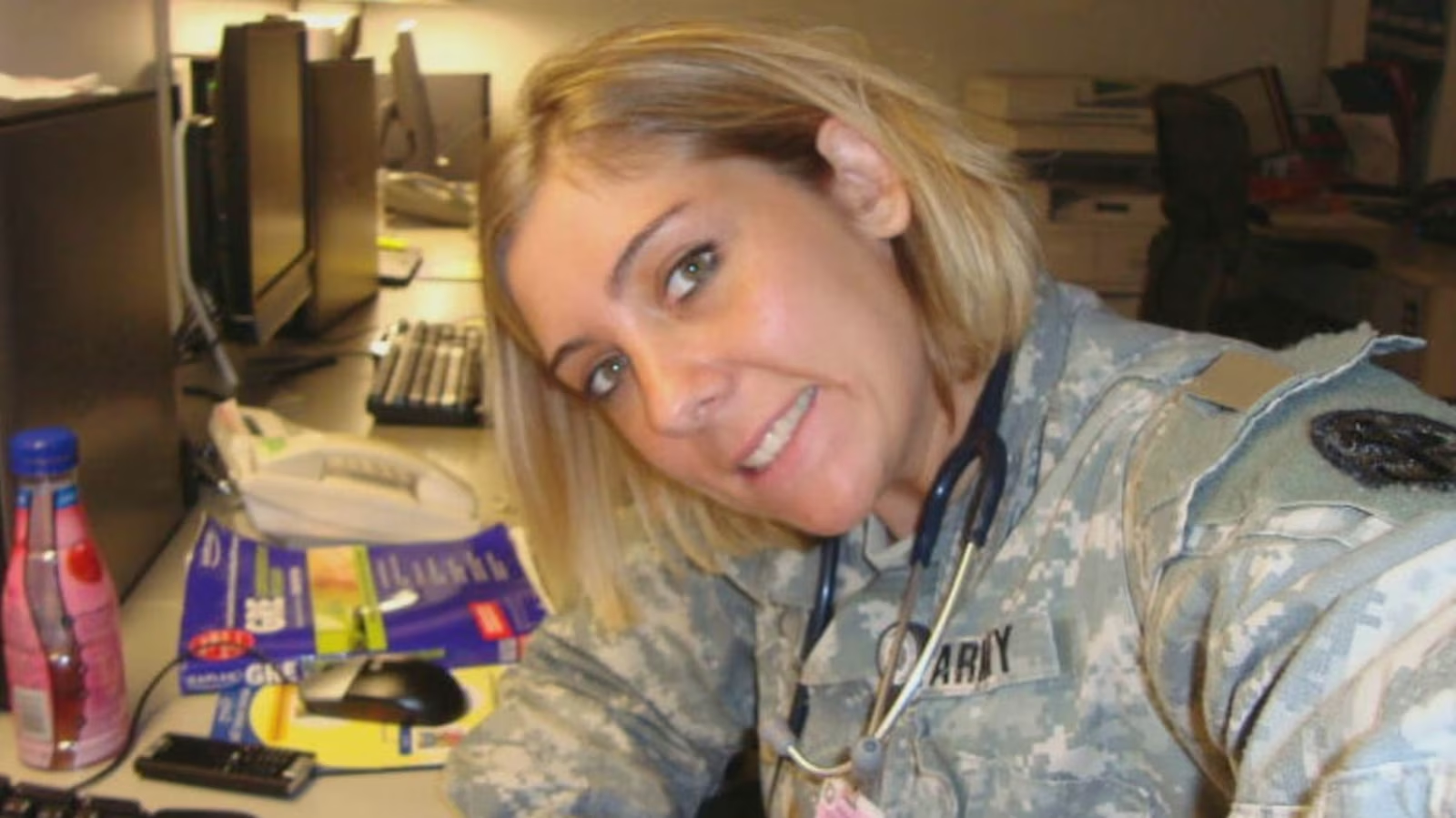
Army nurse Holley Lynn James disappeared in 2008, leading to a investigation revealing her murder by her husband, Marine Cpl. John Wimunc, with evidence of arson and violence, culminating in his life imprisonment.
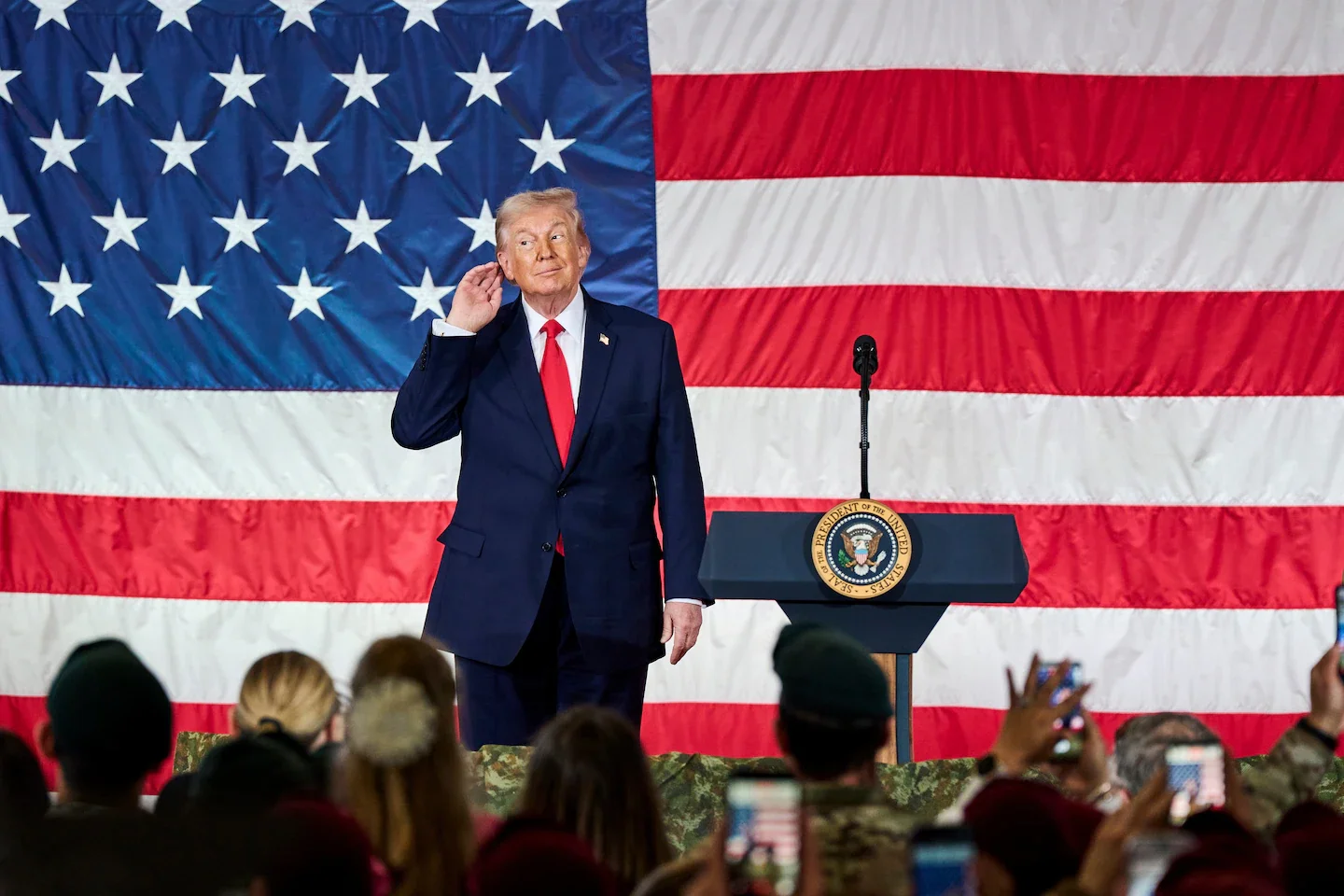
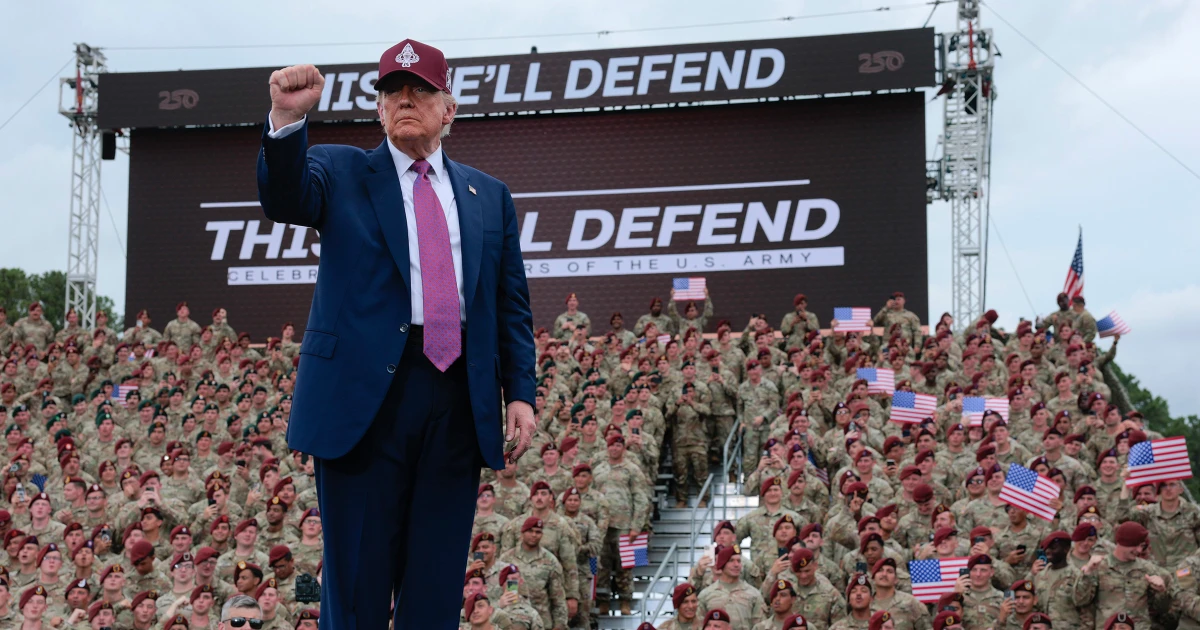
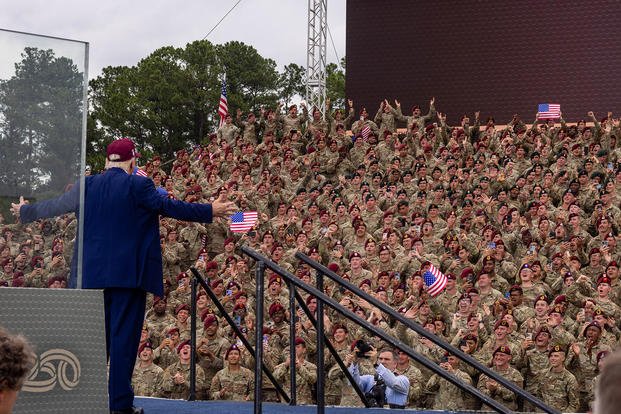
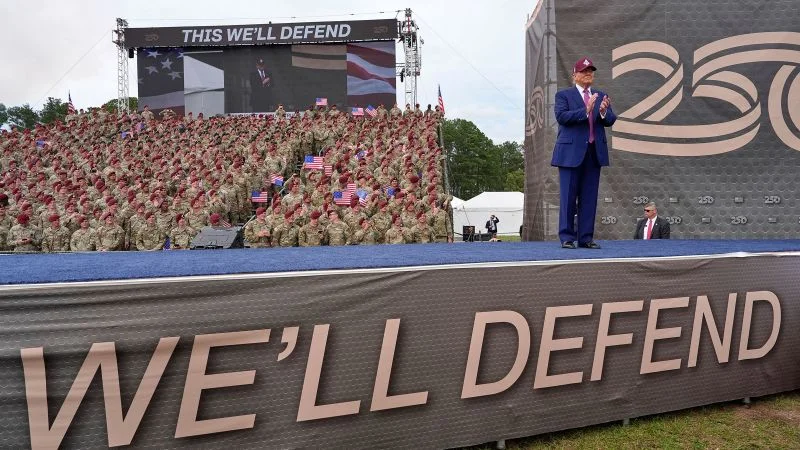
President Trump’s rally at Fort Bragg during the Army’s 250th birthday celebration sparked concern among military leaders due to partisan displays and the sale of pro-Trump merchandise, highlighting tensions between political influence and military nonpartisanship amid broader efforts to reshape the U.S. military under his administration.
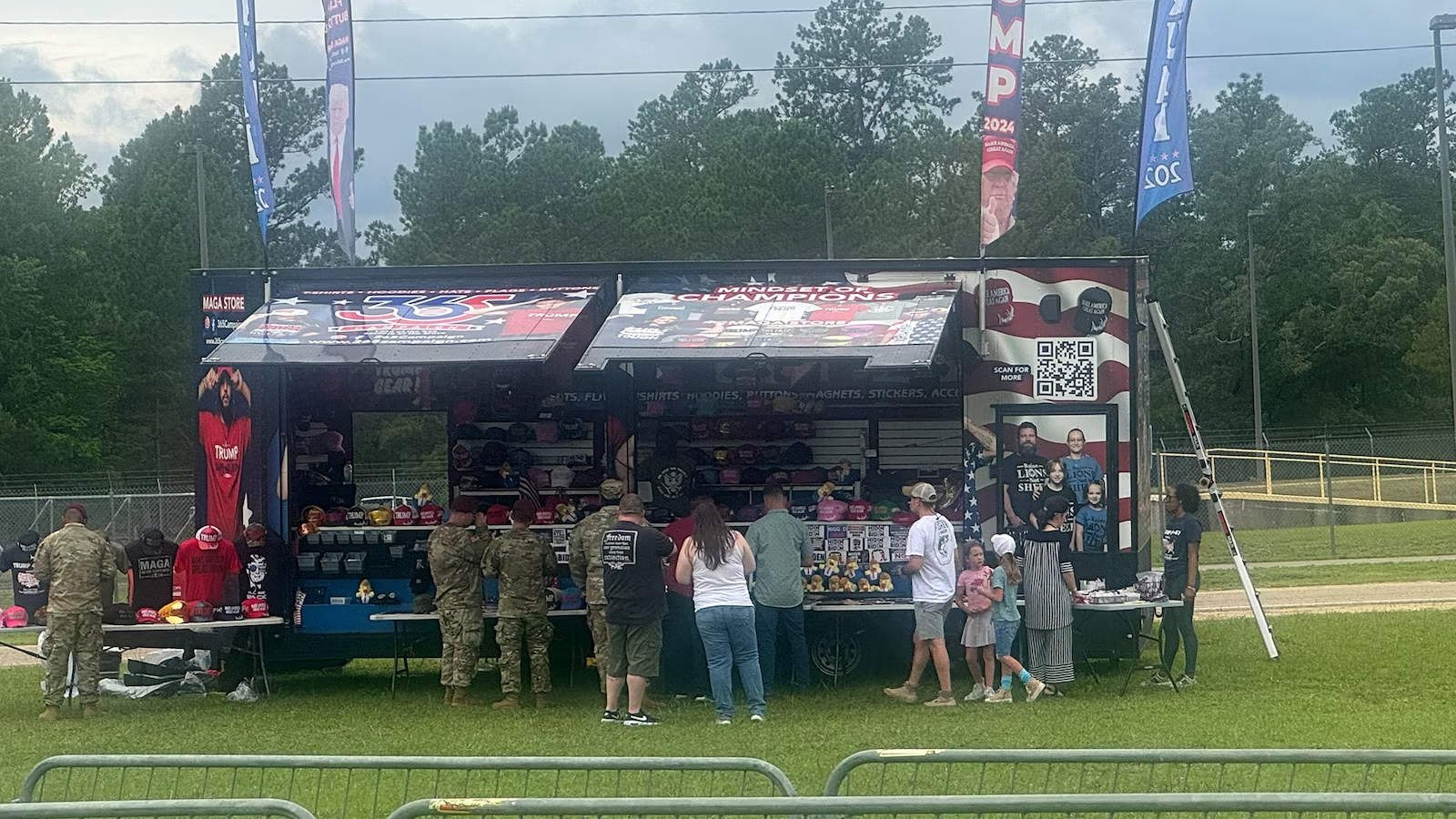
The U.S. Army is reviewing how pro-Trump merchandise was sold at Fort Bragg during a celebration of the Army's 250th birthday, amid concerns that the event, which resembled a political rally, violated longstanding policies on political neutrality in the military.
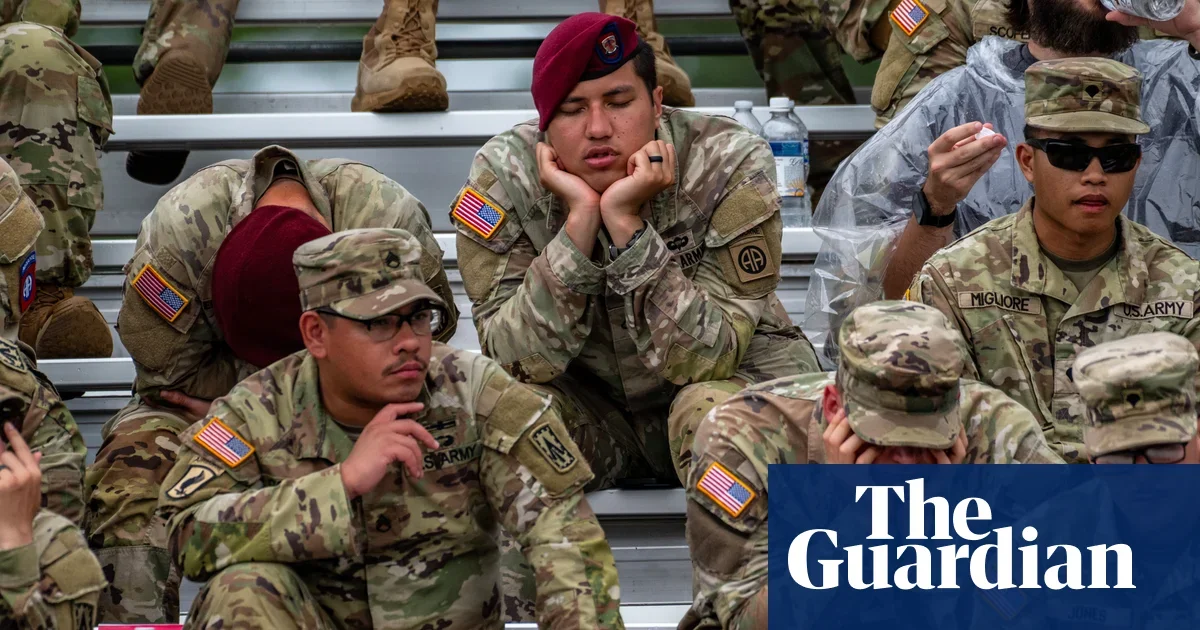
Defense officials state troops' reactions to Trump's political rally at Fort Bragg did not violate regulations, but experts argue it was a violation of military discipline and regulations, raising concerns about the politicization of the military and the appropriateness of such behavior on military bases.
During Donald Trump's visit to Fort Bragg, soldiers were carefully screened to ensure they appeared in line with the event's political and visual requirements, including excluding soldiers with opposing political views or excess weight, highlighting the event's campaign-style nature and concerns over military neutrality.
During a visit to Fort Bragg, President Trump delivered a partisan speech that elicited cheers from soldiers, raising concerns about the military's nonpartisan stance, especially as soldiers were reportedly screened for political leanings and partisan merchandise was sold on base, prompting criticism from military experts and officials.
Donald Trump delivered a speech at Fort Bragg where he spread falsehoods and conspiracy theories about protests in Los Angeles, falsely claiming protesters bore foreign flags, staged bricks, and that California officials paid troublemakers, amid increased federal troop deployment to the city.
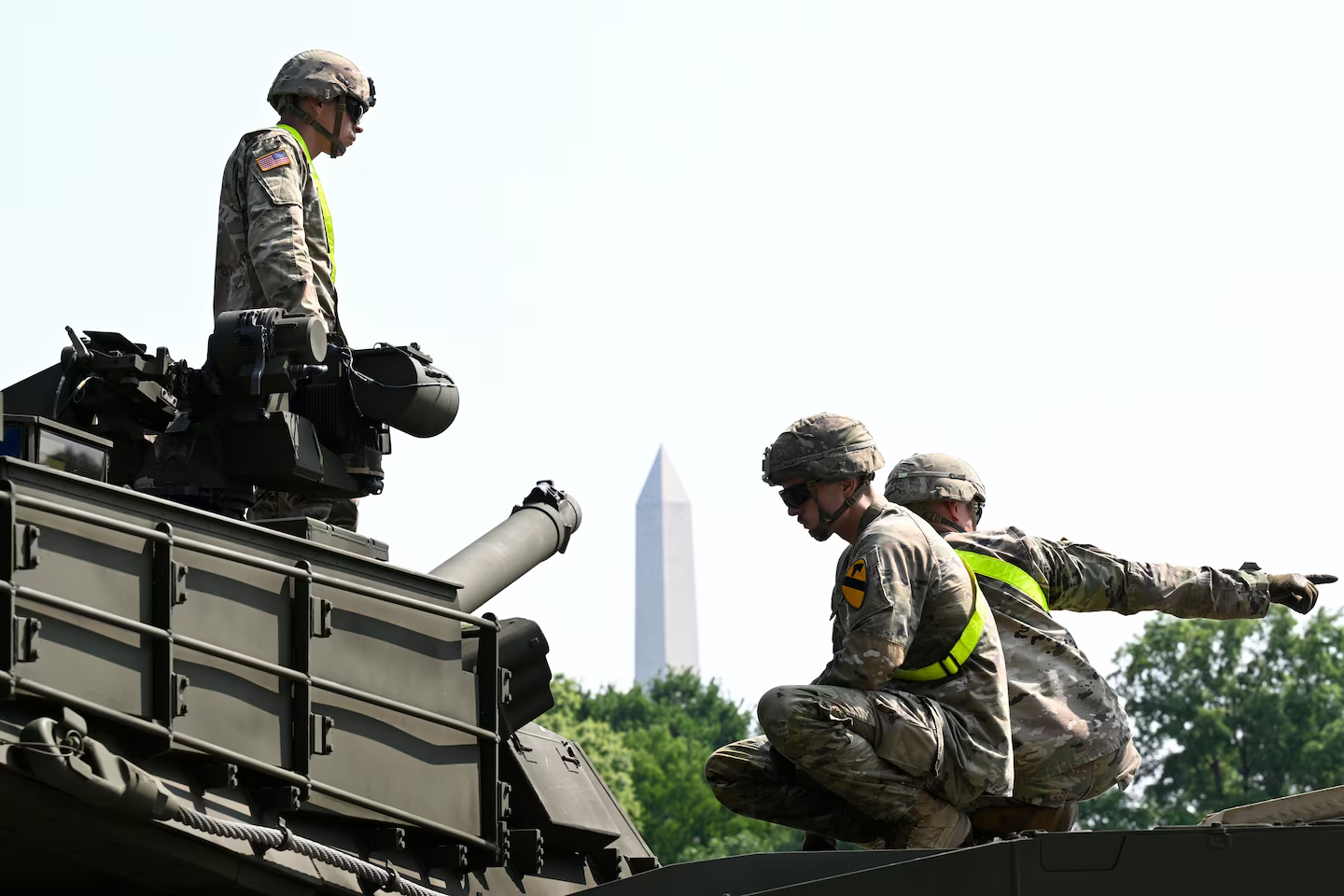
President Trump has taken a more unrestrained approach to deploying military forces, including sending National Guard and Marines to Los Angeles to quell protests and planning a large military parade in Washington, D.C., reflecting a shift from previous caution and raising concerns among some military officials about the display of military power during domestic unrest.
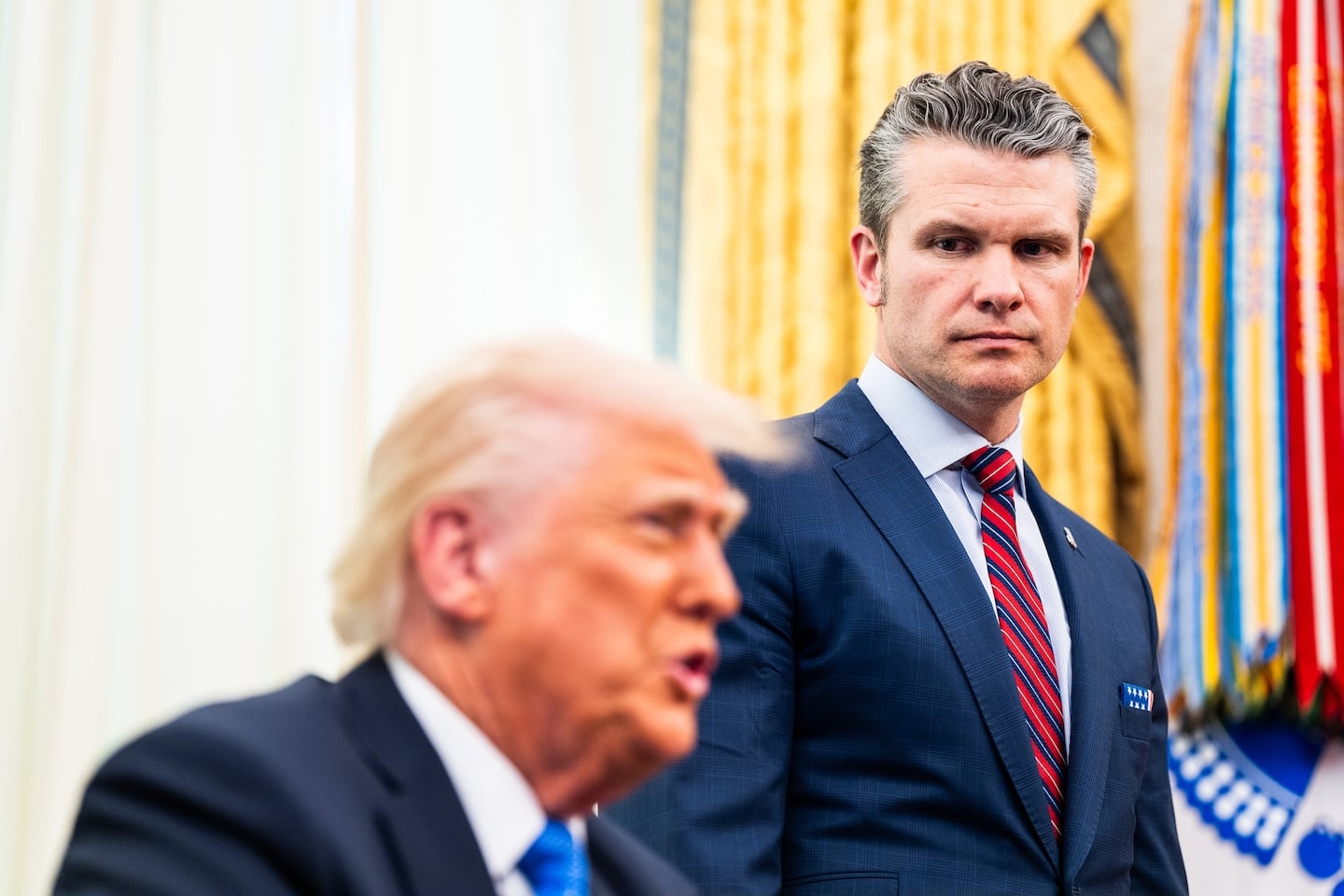
Defense Secretary Pete Hegseth will testify before Congress on Capitol Hill, addressing issues like military budget, use of National Guard in Los Angeles, and his conduct, while Trump plans to visit Fort Bragg for Army's 250th anniversary and hold a parade, amid ongoing political tensions and scrutiny over military and political decisions.
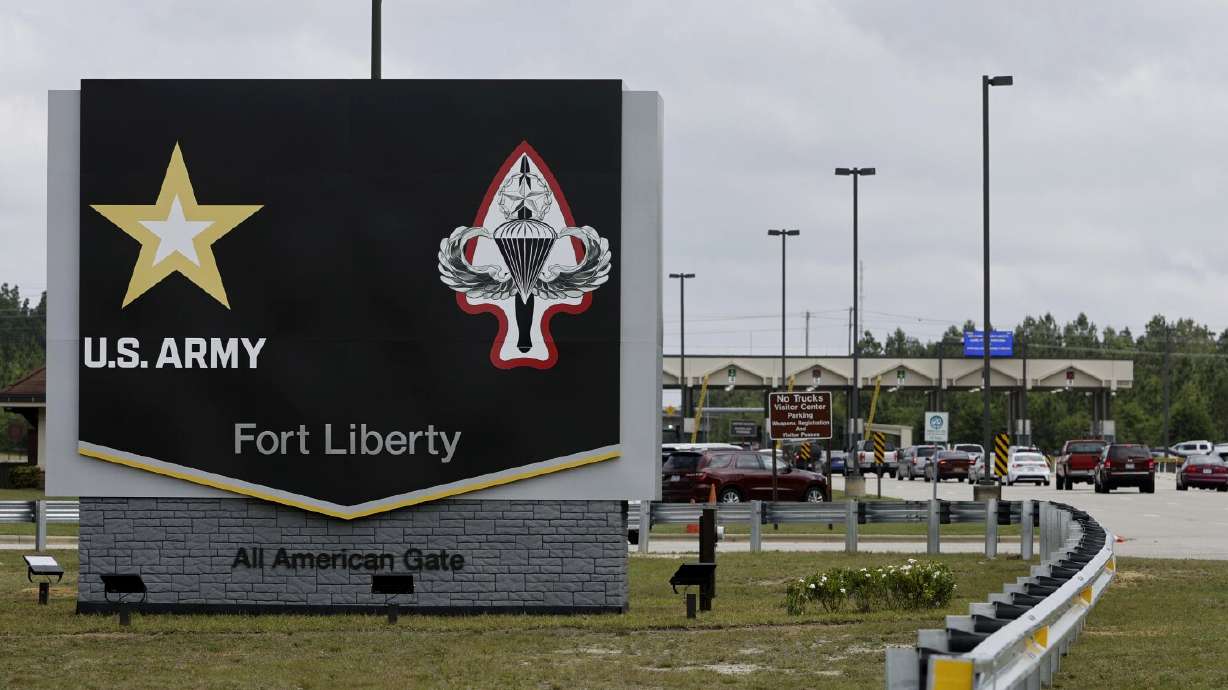
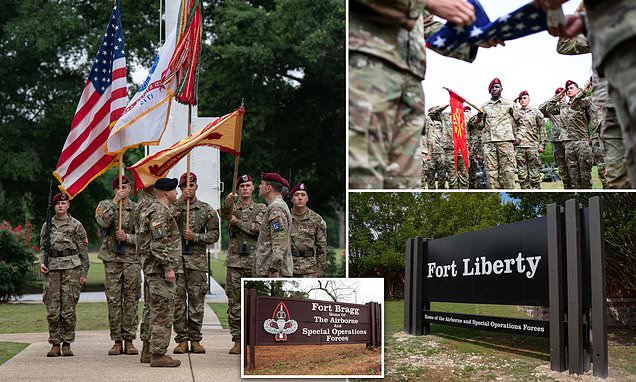
Fort Bragg, one of the largest military installations in the world, has been renamed Fort Liberty as part of a broader initiative to remove Confederate names from bases. The change was motivated by the 2020 George Floyd protests and is aimed at making the U.S. Army more welcoming to current and prospective Black service members. While other bases are being renamed for Black soldiers, U.S. presidents, and trailblazing women, the North Carolina military installation is the only one not renamed after a person. The cost to rename Fort Bragg will total about $8 million.
Fort Bragg, one of the largest military bases in the US, has been renamed Fort Liberty as part of a congressionally mandated plan to rename military bases, ships, and streets that previously honored Confederate leaders. The plan is the culmination of a years-long effort that intensified in 2020, after the murder of George Floyd and the reckoning it brought over the nation’s history of racism. The other eight Army bases selected to be renamed are Fort Benning and Fort Gordon in Georgia; Fort A.P. Hill, Fort Lee, and Fort Pickett in Virginia; Fort Polk in Louisiana; Fort Rucker in Alabama; and Fort Hood in Texas.
Fort Bragg, one of the largest military installations in the world, has been renamed Fort Liberty, dropping its Confederate namesake once and for all. The change is part of a broad Department of Defense initiative, motivated by the 2020 George Floyd protests, to rename military installations that had been named after Confederate soldiers. Nine bases across the country are being renamed at a cost of $39 million. While some veterans see it as a small but important step in making the U.S. Army more welcoming to current and prospective black service members, others disagree with the name change.
Fort Bragg, the U.S. Army base in North Carolina, has been renamed Fort Liberty as part of a broader effort to rechristen bases named for Confederate officers. Last year, a commission created by Congress recommended new names for nine bases that honored Confederate officers. The North Carolina base was originally named for General Braxton Bragg, who served in the Confederate Army during the 19th-century U.S. Civil War. It houses the Airborne and Special Operations Forces and is home to 53,700 troops, according to its website.
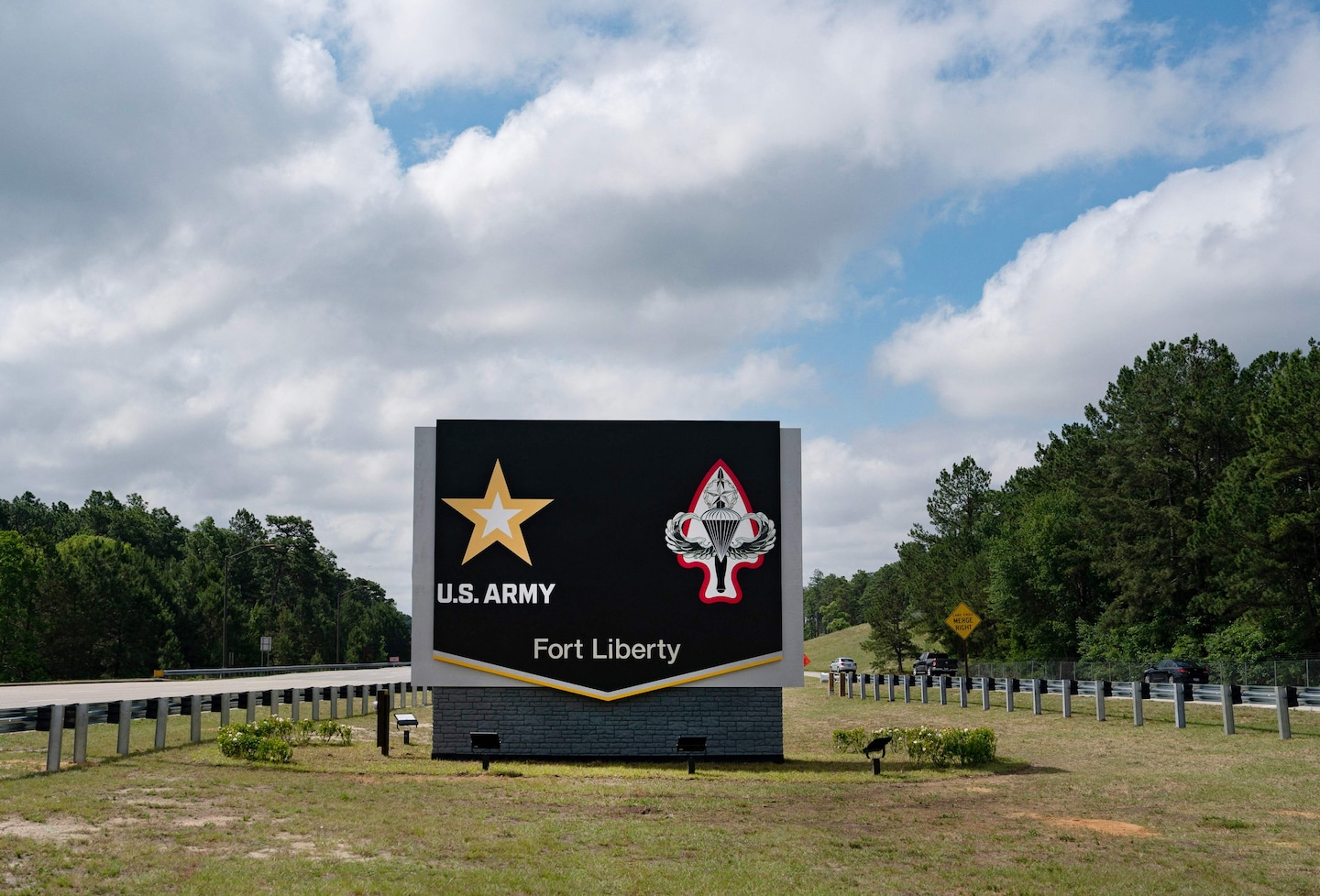
Fort Bragg, North Carolina, has been renamed Fort Liberty, making it the only major Army base without a namesake honoring a significant figure in the force's history. The move is part of the Defense Department's ongoing effort to scrub namesakes honoring Confederate rebels who took up arms against the U.S. during the Civil War. Fort Liberty is one of nine Army bases being renamed, and the ceremony there Friday means the effort is more than halfway complete. The base is home to the service's 82nd Airborne Division, Special Forces, and Delta Force.
North Carolina's Fort Bragg has been renamed Fort Liberty as part of a national campaign to change the names of nine U.S. Army installations that commemorate the Confederate States of America. The renaming ceremony was held on Friday and was inspired by the theme of liberty. The base was previously named after Confederate Army Gen. Braxton Bragg. The renaming of Fort Bragg is part of a broader initiative to remove Confederate names from bases.