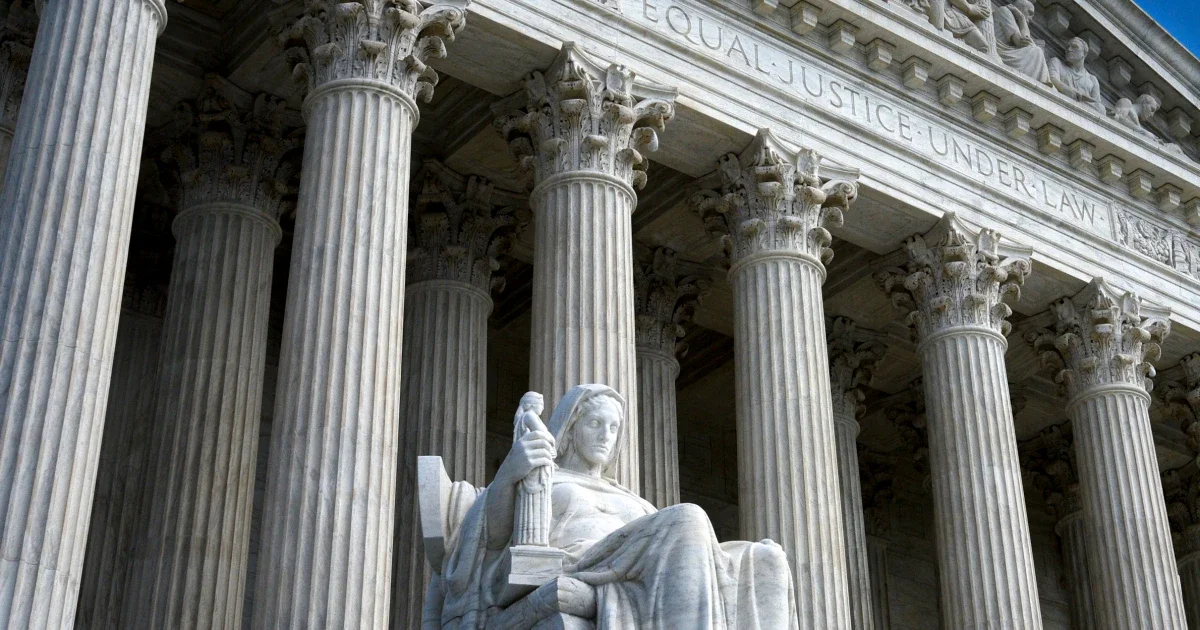
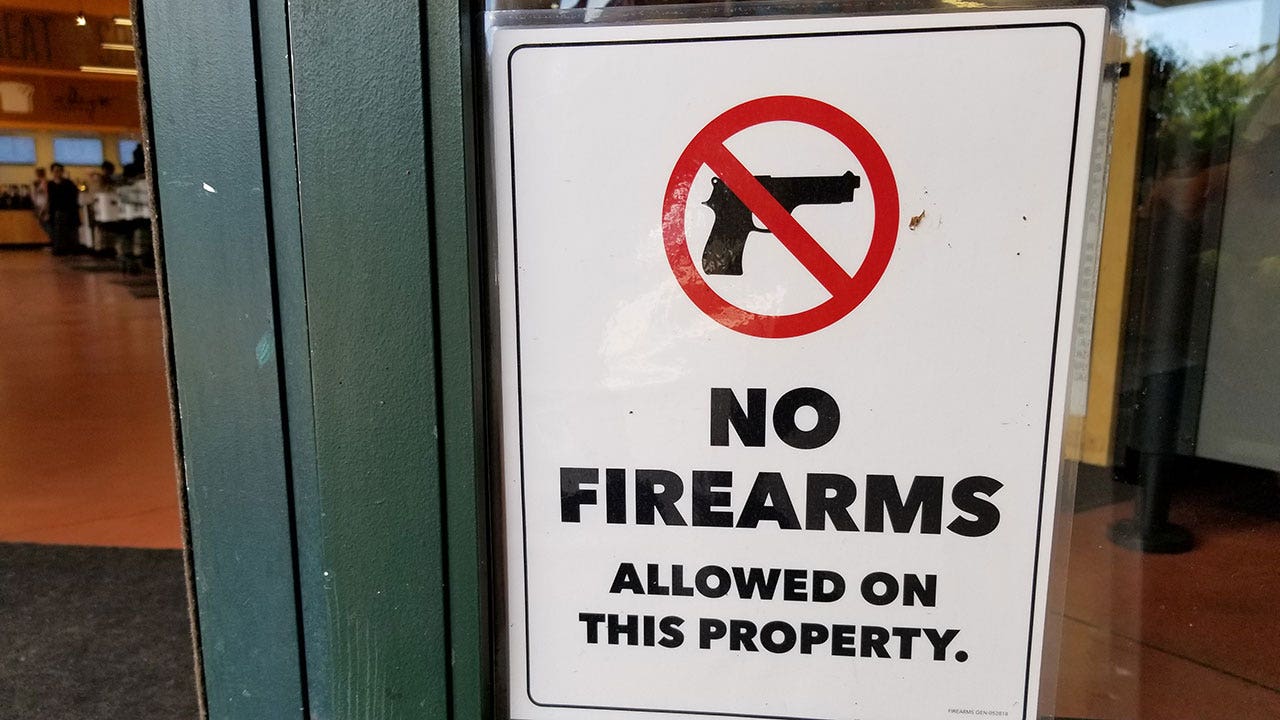
The Supreme Court has agreed to hear a case challenging Hawaii's 2023 restrictions on concealed carry permits, including rules on private property access and restrictions in sensitive places like beaches and parks, amidst ongoing debates over gun rights and Second Amendment interpretations.
The recent shooting at a Utah university involving far-right activist Charlie Kirk has brought renewed scrutiny to the state's relaxed gun laws, including a new law allowing permitless carry on college campuses, raising concerns about campus safety and emergency response preparedness.
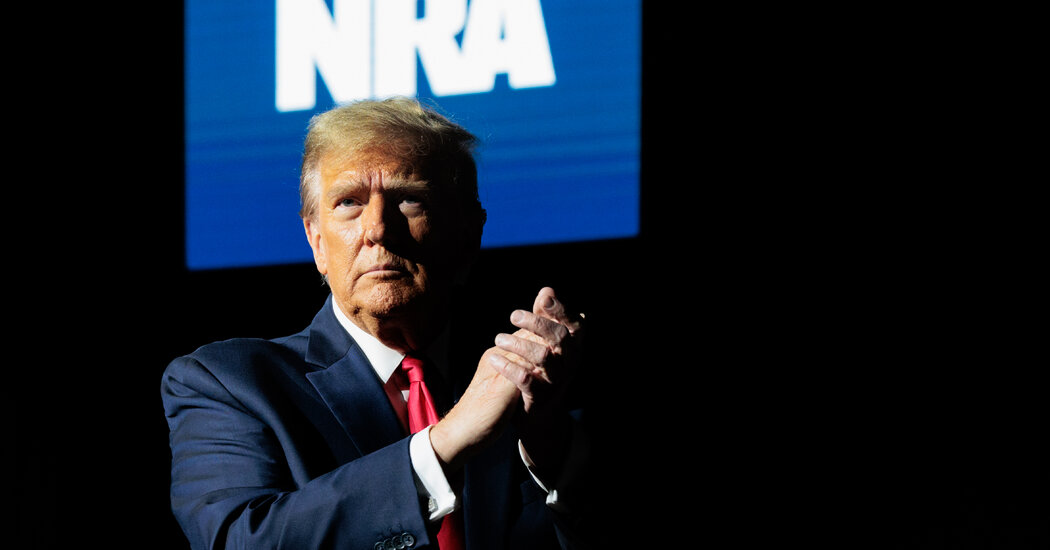
The NYPD is seeking to revoke former President Donald Trump's concealed carry permit following his conviction in a New York hush-money case. Trump, who had three pistols registered under the permit, has the right to challenge the revocation. Federal and state laws prohibit individuals with felony convictions from possessing firearms.
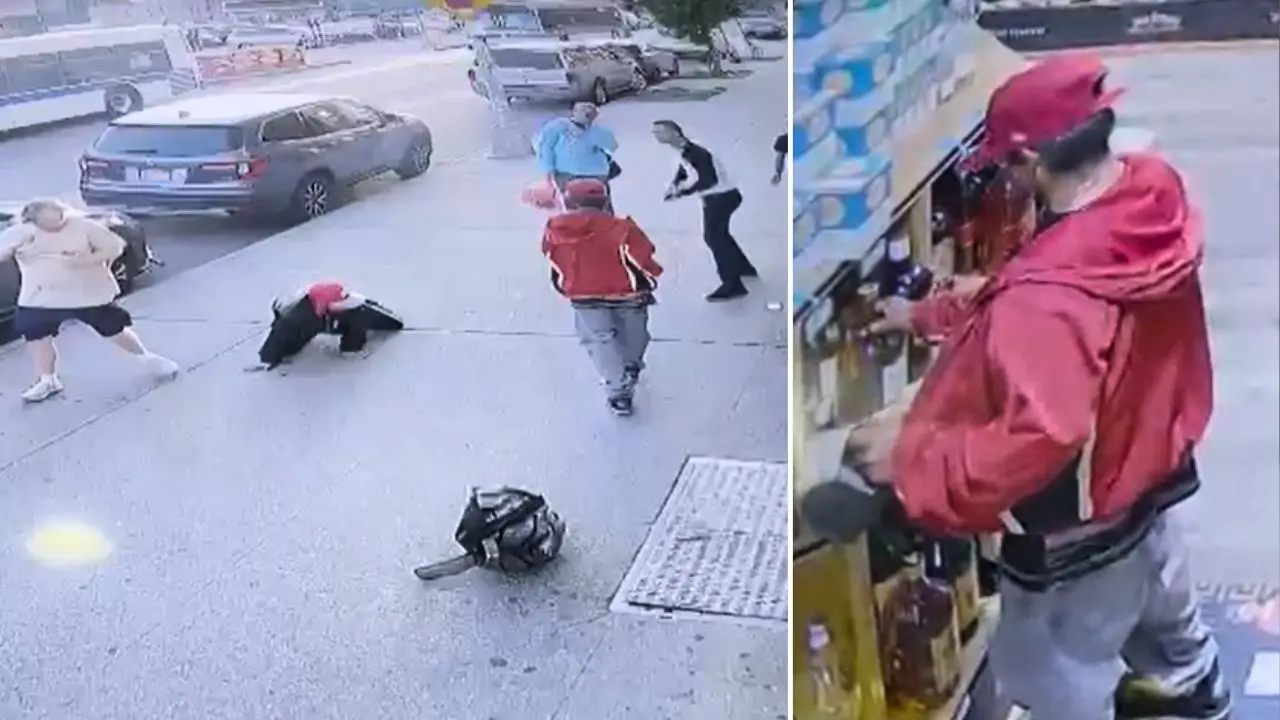
A New York City liquor store owner, Francisco Valerio, faces up to seven years in prison after shooting a would-be thief during a confrontation outside his store. Despite having a concealed carry permit, Valerio has been charged with multiple offenses, including assault and reckless endangerment. The incident has sparked debate, with some community members and business advocates calling for the charges to be dropped, arguing that Valerio was defending his property and himself.
Francisco Valerio, a New York City liquor store owner with a concealed carry permit, faces up to seven years in prison after shooting a would-be thief who had been repeatedly targeting his store. Despite video evidence showing Valerio acting in self-defense, he has been charged with multiple offenses, prompting calls from community leaders and neighbors for the charges to be dropped.
New Orleans officials respond to a mass shooting outside a music club by calling for state action on gun laws, expressing concern over recent legislation allowing concealed carry without a permit. Elected officials are pushing for restrictions in downtown areas, proposing bills to create firearm-free zones and prohibit concealed carry at sporting events. The Republican-controlled legislature's response to these proposals remains uncertain, while some lawmakers and the mayor seek to ensure justice for the victims and prevent future violence.
Louisiana lawmakers, during a special session aimed at addressing violent crime, have advanced legislation that would allow people to carry concealed guns without a permit and provide immunity from civil liability for using a concealed firearm in self-defense. The bills, supported by Republicans and opposed by Democrats, are part of a series of "tough-on-crime" policies being considered. Supporters argue that current permitting requirements are unconstitutional, while opponents fear an increase in gun violence and dangerous situations for law enforcement. If passed by the House and signed by the governor, the bill would take effect on July 4.
A bill aiming to change Colorado's concealed carry permit requirements has cleared the House Judiciary committee, with supporters emphasizing the need for proper training and opponents arguing that the bill is unnecessary. If passed, the bill would mandate in-person concealed carry courses with live-shooting tasks and a minimum 80% test score, which has raised concerns among gun rights groups about potential deterrence for gun owners. The measure passed along party lines by a vote of 8-3, sparking debate and drawing significant public interest with about 100 people signing up to testify on the bill.
A federal judge has blocked parts of a California law that would have prohibited carrying concealed firearms in certain public places, including places of worship, libraries, amusement parks, zoos, and sporting events. The judge granted a preliminary injunction, stating that the law unconstitutionally deprives concealed carry holders of their Second Amendment rights. California plans to appeal the decision, while gun rights groups celebrate the ruling. The judge's decision is based on a recent Supreme Court ruling that changed the framework for reviewing gun regulations.
A federal judge has blocked parts of a California law that would have prohibited carrying concealed firearms in certain public places, including places of worship, libraries, amusement parks, zoos, and sporting events. The judge granted a preliminary injunction, stating that the law unconstitutionally deprives concealed carry holders of their Second Amendment rights. California plans to appeal the decision, while gun rights groups celebrate the ruling. The judge's decision is based on a recent Supreme Court ruling that changed the framework for reviewing gun regulations.
A federal judge in California has temporarily blocked a state law that would have banned the carrying of guns in most public places starting January 1. U.S. District Judge Cormac Carney ruled that the law would violate the constitutional right of concealed carry permit holders to carry handguns in public for self-defense. The judge described the law as "sweeping" and "repugnant to the Second Amendment." California's Attorney General plans to appeal the decision, while Governor Gavin Newsom expressed disappointment and vowed to continue pushing for more gun laws. Gun violence remains a significant issue in the U.S., with the country having the highest rate of gun deaths among wealthy nations.
A federal judge has blocked a California law that would have banned carrying firearms in most public places, ruling that it violates the Second Amendment and deprives people of their ability to defend themselves. The law, set to take effect on January 1, would have prohibited carrying concealed guns in 26 places, including public parks, churches, and banks. The judge granted a preliminary injunction, stating that the law is "sweeping" and "repugnant" to the Second Amendment. Gun rights groups are likely to succeed in proving it unconstitutional, potentially leading to a permanent overturning of the law. The decision is a victory for the California Rifle and Pistol Association, which sued to block the law. State Attorney General Rob Bonta plans to appeal the decision, while Governor Gavin Newsom vows to continue pushing for stricter gun measures.
A federal judge has temporarily blocked a California law that would have banned carrying firearms in most public places, ruling that it violates the Second Amendment and deprives people of their ability to defend themselves. The law, set to take effect on January 1, would have prohibited carrying concealed guns in 26 places, including public parks, churches, and banks. The judge's decision is a victory for the California Rifle and Pistol Association, which sued to block the law. Governor Gavin Newsom expressed disappointment with the ruling and vowed to continue pushing for stricter gun measures.
Gun rights activists celebrate as a federal appeals court strikes down parts of New York's concealed carry law, blocking requirements for gun owners to disclose social media accounts, restrictions on carrying firearms on private property accessible to the public, and a restriction on concealed carry in houses of worship. However, other controversial parts of the law, such as demonstrating good moral character and bans on concealed carry in certain places, remain intact. Gun rights groups argue that the entire law should be invalidated, while New York's Attorney General believes the decision will help keep New Yorkers safe from gun violence.
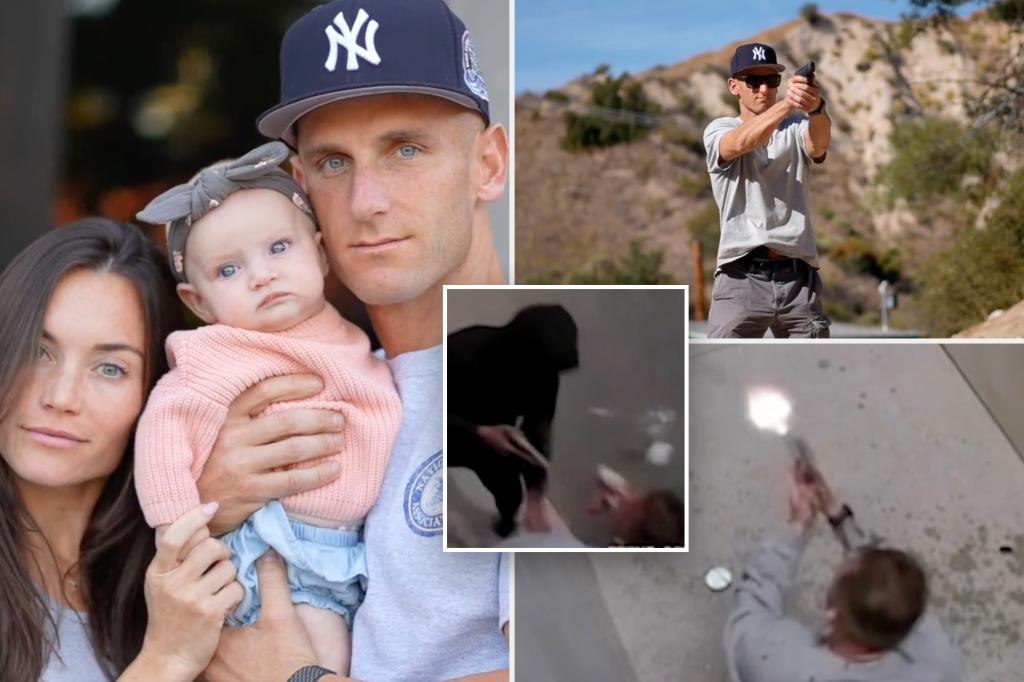
A Los Angeles homeowner, Vince Ricci, who defended his home from armed intruders had his concealed carry permit temporarily suspended by the State of California. Ricci, who opened fire on the intruders to protect his family, claimed that the government's decision to suspend his permit makes him vulnerable and unable to safeguard his loved ones. He criticized the Democrat-led city for downplaying the incident and accused them of having a political agenda. Ricci's situation highlights the ongoing debate surrounding gun control and the right to self-defense.