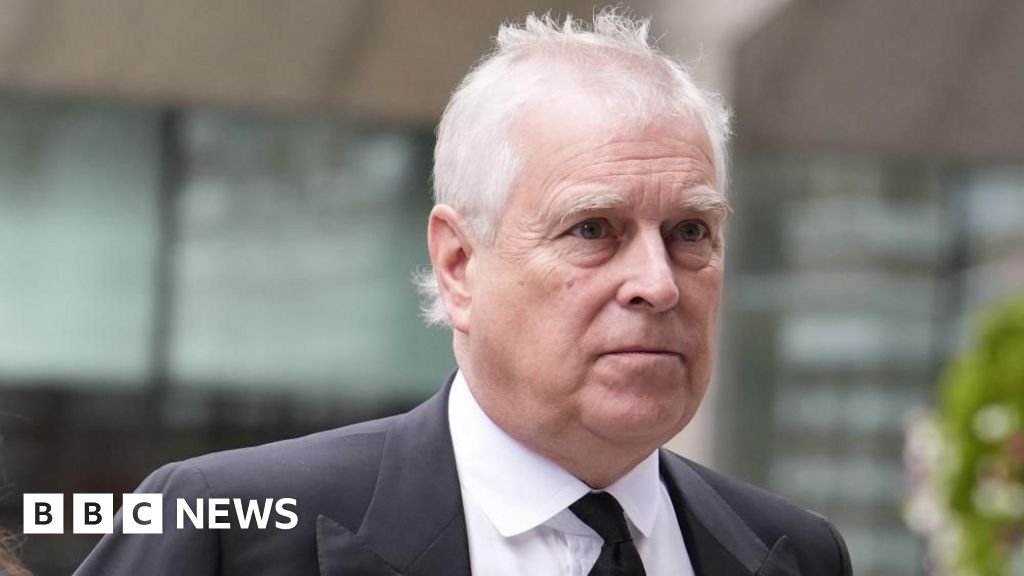
Andrew Mountbatten-Windsor voluntarily surrendered his gun license following a visit from the Metropolitan Police, amid his upcoming move to Norfolk and ongoing scrutiny over his links to Jeffrey Epstein. The surrender means he can only use or transport his guns under supervision, and the move is part of his broader distancing from royal titles and public scrutiny.
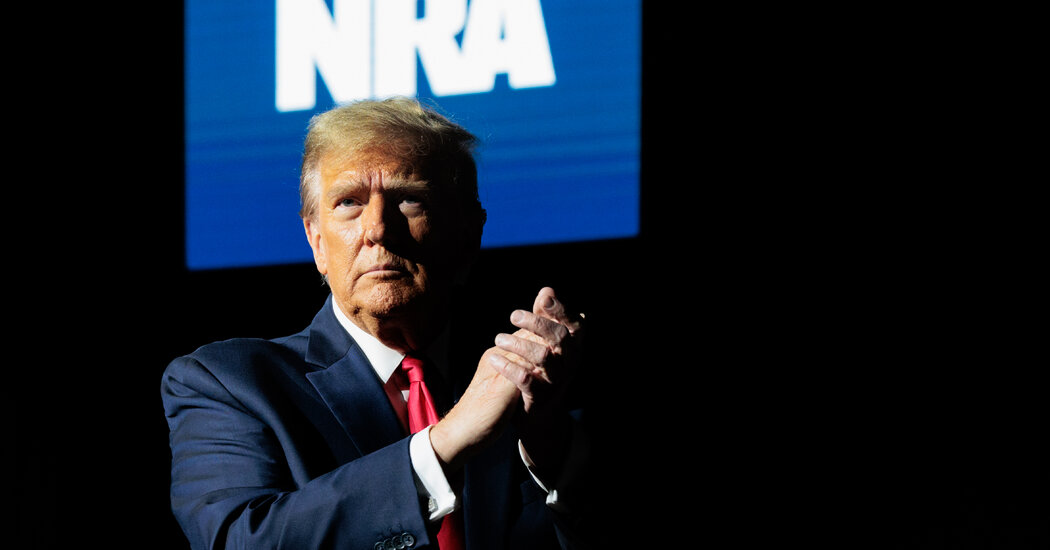
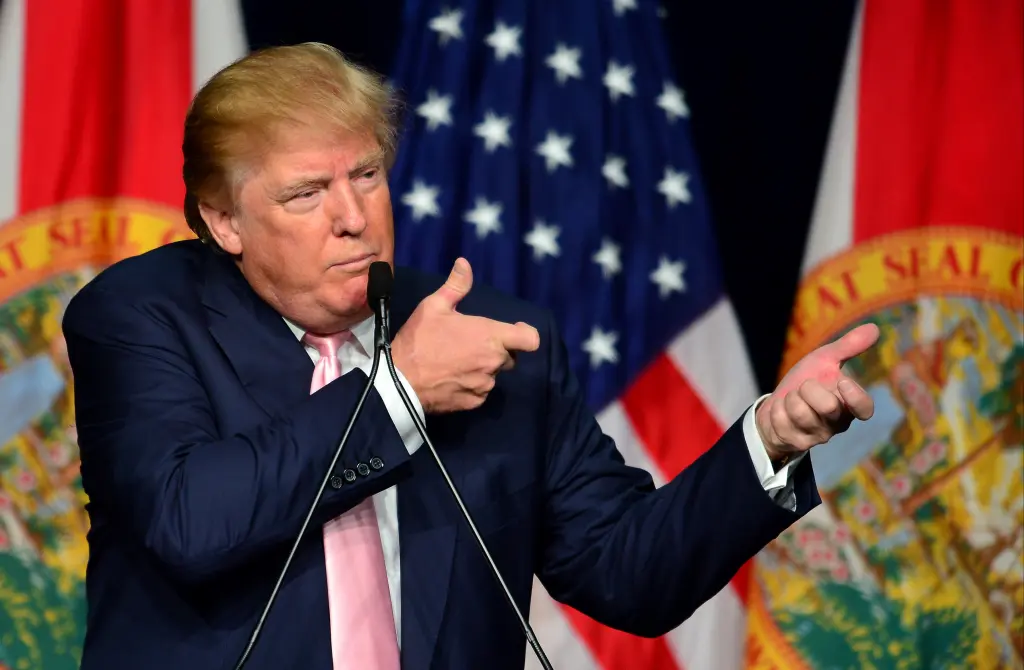
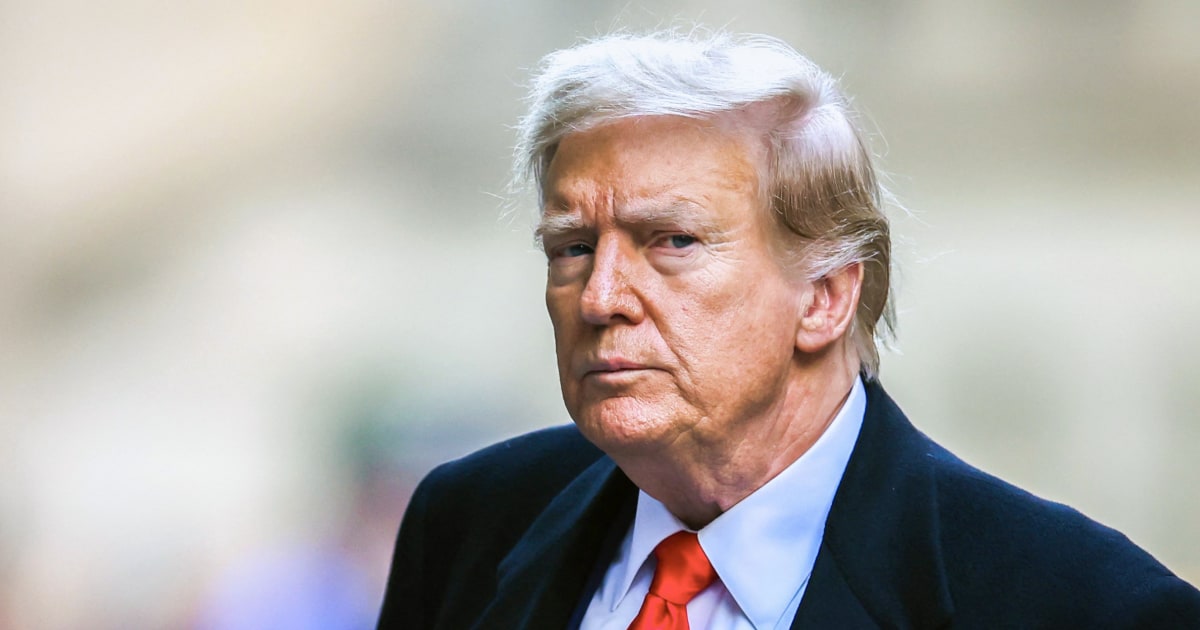
The NYPD is seeking to revoke former President Donald Trump's concealed carry permit following his conviction in a New York hush-money case. Trump, who had three pistols registered under the permit, has the right to challenge the revocation. Federal and state laws prohibit individuals with felony convictions from possessing firearms.
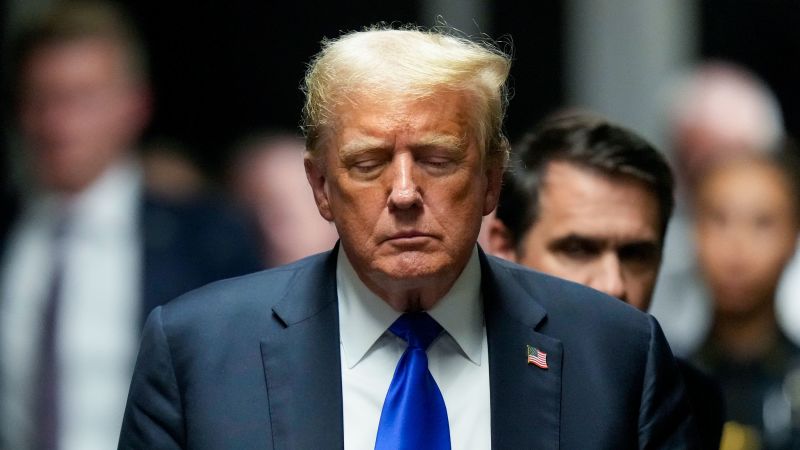
Former President Donald Trump's license to carry a gun in New York is expected to be revoked following his conviction on 34 felony counts in Manhattan. Under state and federal law, convicted felons are barred from possessing firearms, and Trump must surrender all weapons by his July 11 sentencing unless he files a legal petition. Trump had already surrendered two guns to the NYPD and moved a third to Florida. He could retain his firearms if an appeals court overturns his convictions or if he applies for a certificate of relief from civil disabilities.
Former President Donald Trump's gun license is expected to be revoked following his conviction on 34 felony counts of falsifying business records in a hush money trial. His license had been suspended upon indictment, and revocation is common after convictions in New York. Trump, who has been under Secret Service protection since 2015, was found guilty last Thursday and is set to be sentenced on July 11.
The NYPD is preparing to revoke former President Donald Trump's license to carry a concealed firearm following his conviction on 34 felonies. Trump's license was suspended in April 2023 after his indictment, and he turned over two of his three licensed pistols. The third gun was moved to Florida, where possession by a convicted felon is a federal crime. Trump, who has had the license for over a decade, could challenge the revocation.
Two people were killed and two others seriously wounded in a suspected shooting attack near Bnei Re'em in southern Israel. The assailant, who arrived in a stolen car, opened fire at a bus stop before being shot and killed by a civilian. Police are conducting searches to ensure no other terrorists are at large. The incident prompted discussions on gun license policies, with a government minister advocating for easier civilian access to firearms. Additionally, a Palestinian Islamic Jihad spokesperson welcomed the attack as a response to the conflict in Gaza.
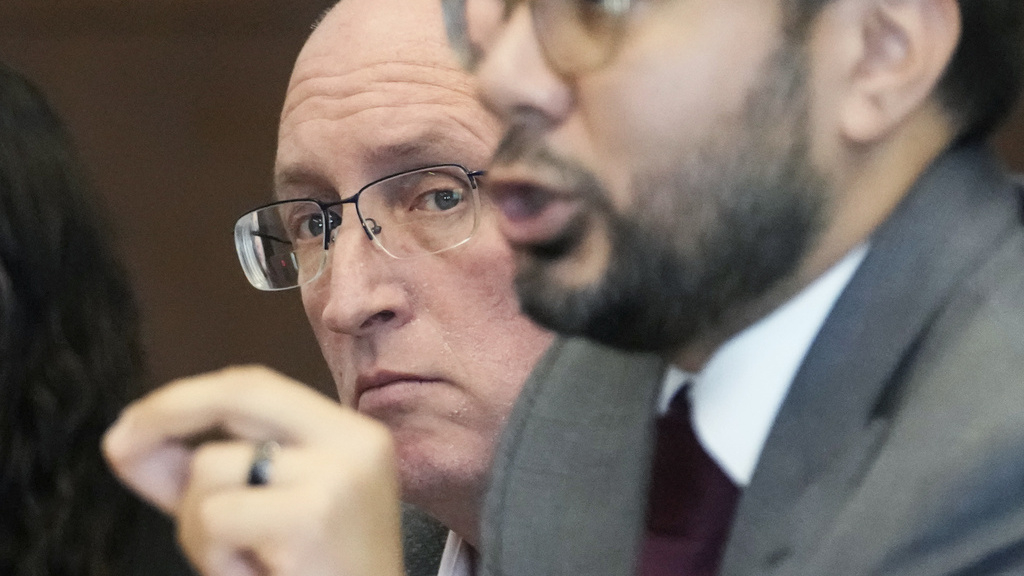
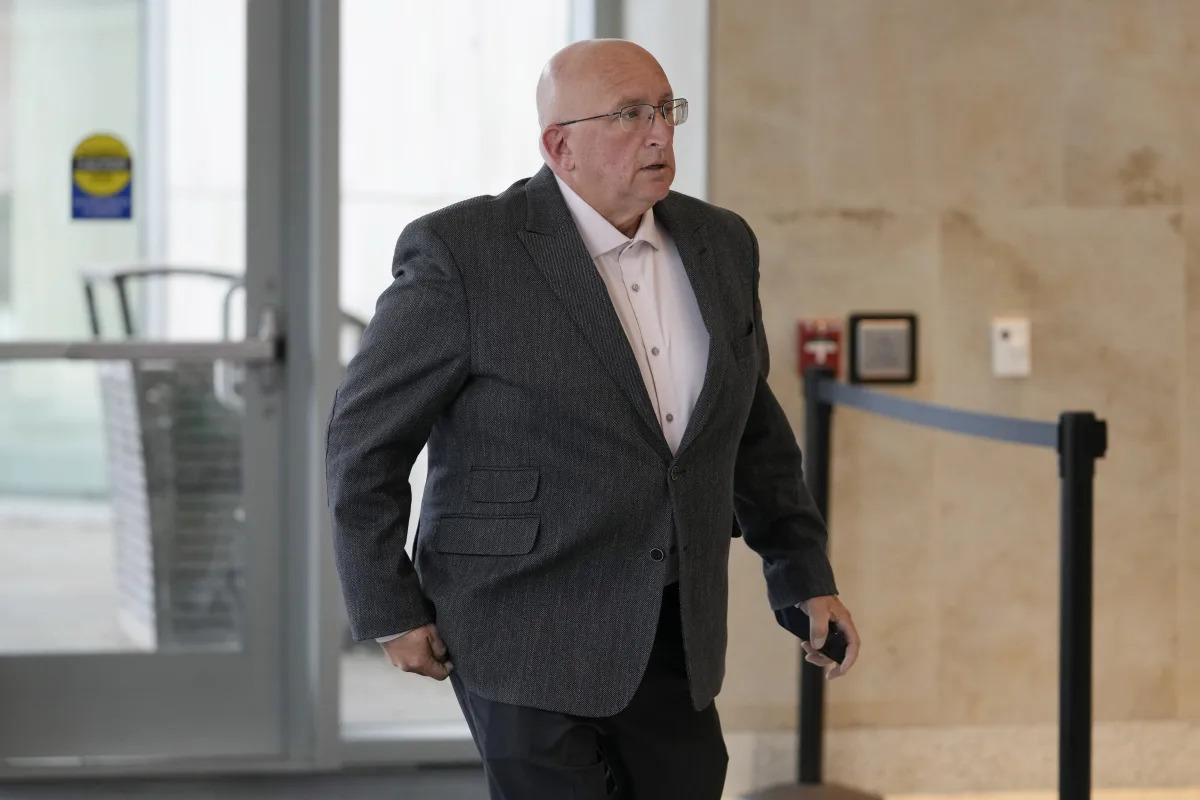
The father of a man charged in a deadly Fourth of July parade shooting in suburban Chicago will stand trial for allegedly helping his teenage son obtain a gun license, despite previous threats of violence. Robert Crimo Jr. is facing seven counts of reckless conduct, one for each person his son is accused of killing. Defense attorney George Gomez has called the charges baseless, while anti-gun violence advocates are encouraged by the investigation. Criminal liability for a shooter's parent or guardian can be difficult to prove, but exceptions exist. The trial is expected to last about four days.
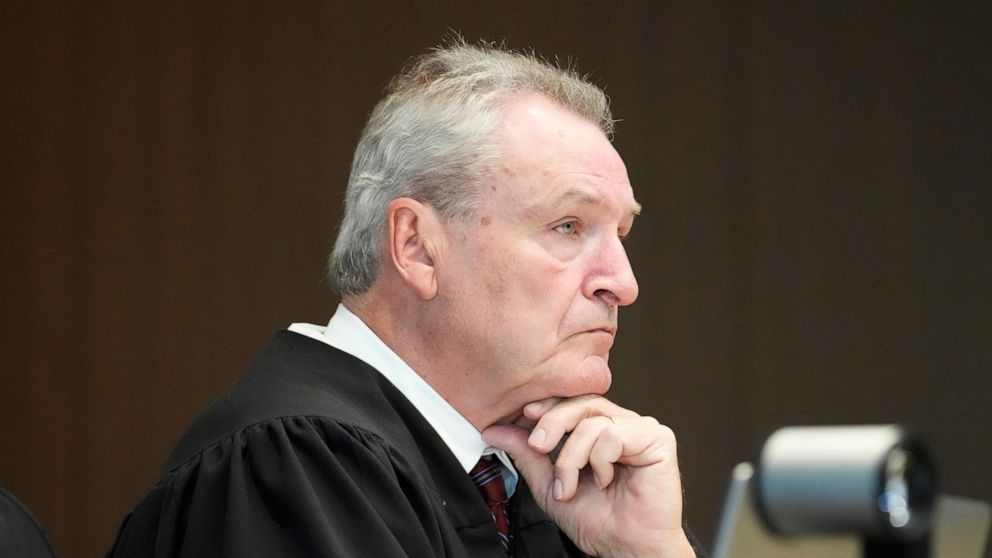
A judge in Illinois is set to decide whether the father of the man accused of a fatal shooting at a Fourth of July parade will stand trial for helping his son obtain a gun license three years prior. The defense argues that the charges against the father should be dismissed due to an unconstitutionally vague law. If the motion to dismiss is rejected, the father's bench trial will begin in November. The son faces multiple charges related to the shooting, and the father's arrest is based on his sponsorship of his son's gun license application.
An Illinois judge has refused to dismiss the case against the father of a suspect involved in a fatal shooting at a Fourth of July parade in suburban Chicago. The father, Robert Crimo Jr., is charged with reckless conduct for helping his son obtain a gun license three years prior to the shooting. The defense argued that the law under which Crimo Jr. was charged is unconstitutionally vague, but the judge rejected this argument. The judge also ruled that the prosecution did not charge Crimo Jr. too late, and his trial will proceed as scheduled on November 6. The son, Robert Crimo III, faces multiple charges related to the shooting.
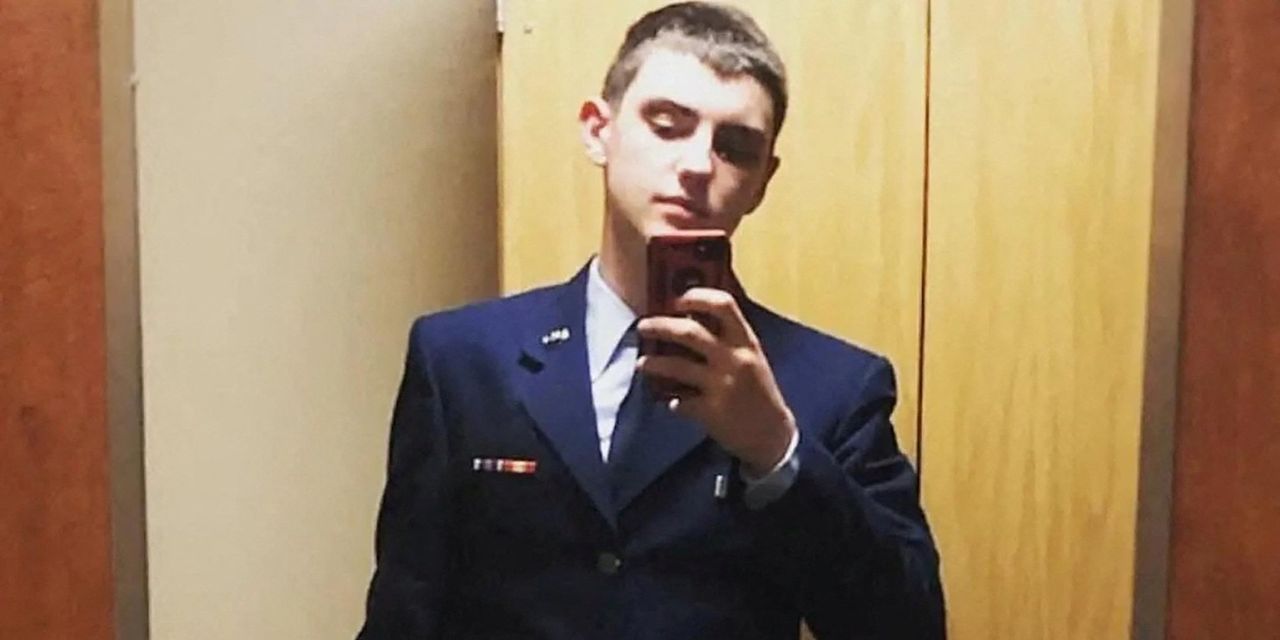
Jack Teixeira, who was denied a gun license due to a school threat, later obtained top-secret clearance and was accused of leaking classified information. The case raises questions about the government's vetting process for security clearances and whether past behavior should disqualify individuals from obtaining access to sensitive information.