Tag

Comet 12p

All articles tagged with #comet 12p

astronomy1 year ago

"Rare Celestial Spectacles: Total Solar Eclipse, Mars and Saturn Rising, Slim Lunar Crescent, Comet 12P"

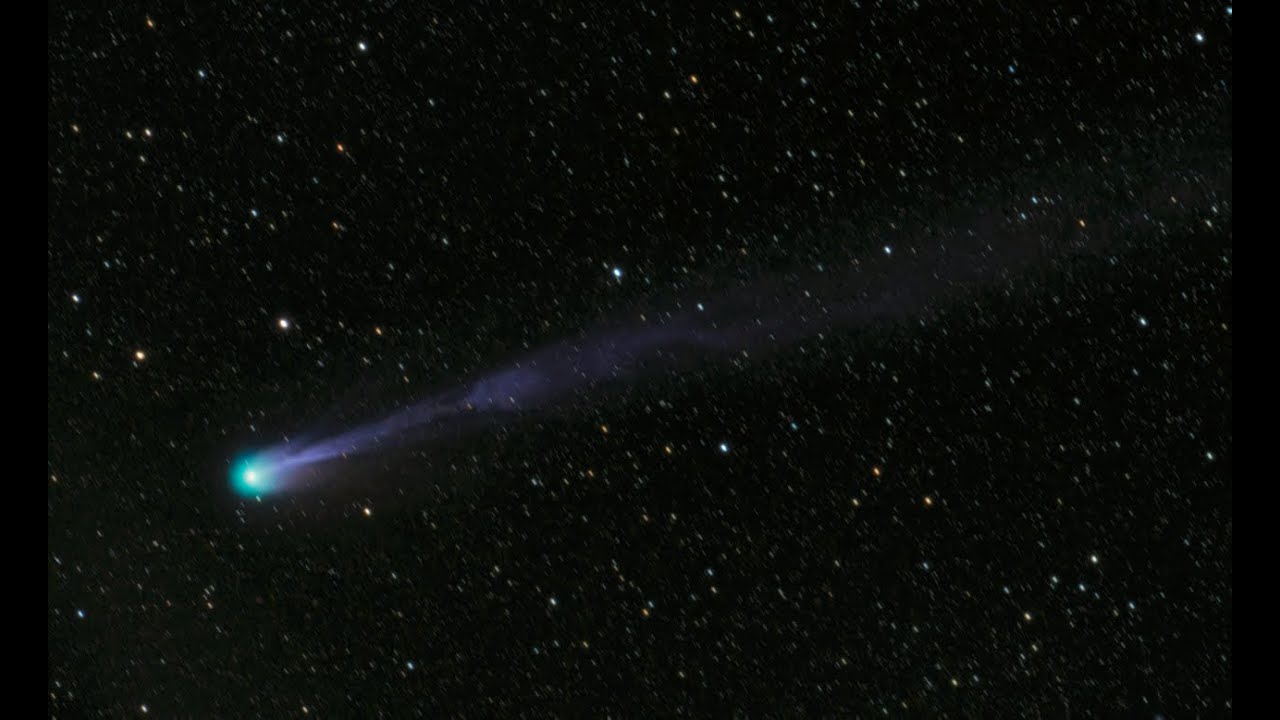
In April 2024, skywatchers can look forward to a total solar eclipse visible across the U.S., Mars and Saturn rising together, Jupiter pairing up with the crescent Moon, and the visibility of Comet 12P. NASA will provide a live webcast of the total eclipse, and various celestial events will make for a packed month of skywatching.
astronomy1 year ago

"April 2024: Celestial Highlights Beyond the Total Solar Eclipse"

In April, early risers can spot Mars and Saturn rising together in the morning, while the Moon will be visible with Jupiter in the west on April 10th. Comet 12P/Pons-Brooks is observable with binoculars or a small telescope until mid-April. A total solar eclipse is set for April 8th, with NASA offering a live webcast for those unable to experience totality in person. Partial eclipse viewers should use specialized eye protection, and NASA provides resources for safe viewing and citizen science opportunities.

astronomy1 year ago

"Photo Trickery Reveals Hidden Spiral Swirling Around Icy Heart of Explosive 'Devil Comet'"

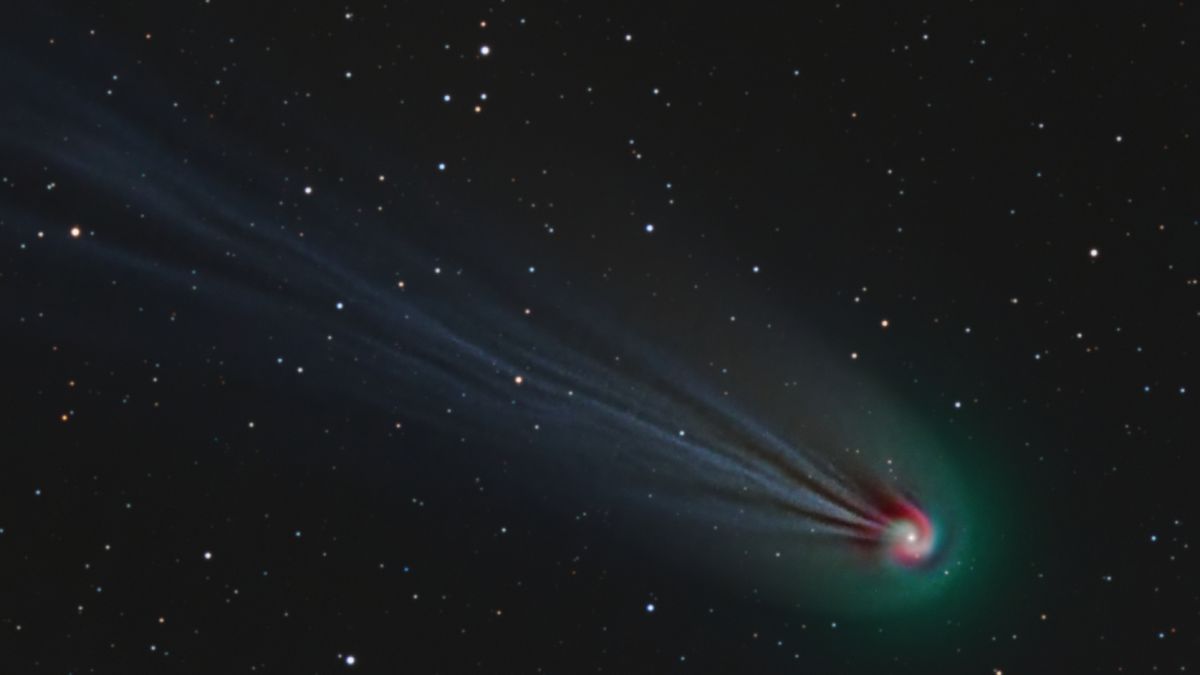
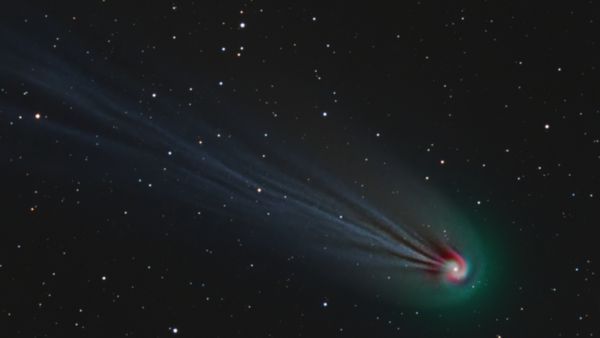
New images of Comet 12P reveal a hidden spiral of light surrounding its icy heart, likely caused by small geysers pumping out streams of cryomagma. The comet, known as the "devil comet," is cryovolcanic and frequently erupts, causing its coma to expand and appear brighter. As it approaches the sun, its green-hued coma and sizable tail have become more visible, making it a subject of interest for astrophotographers. The comet is expected to make its closest approach to Earth on June 2 and may be visible to the naked eye in the night sky.

astronomy1 year ago

"Rare 'Devil Comet' Unveils Hidden Spiral in Explosive Display"

New images of Comet 12P reveal a hidden spiral of light surrounding its icy nucleus, likely caused by small geysers pumping out streams of cryomagma. The comet, known as the "devil comet," is cryovolcanic and has been erupting frequently as it approaches the sun, making its green-hued coma and sizable tail more visible. Astrophotographers have captured stunning shots of the comet, and it is expected to make its closest approach to Earth on June 2, potentially being visible to the naked eye. There is hope that the comet may be visible during the total solar eclipse on April 8, but it will likely require another large cryomagma eruption for it to be seen during totality.