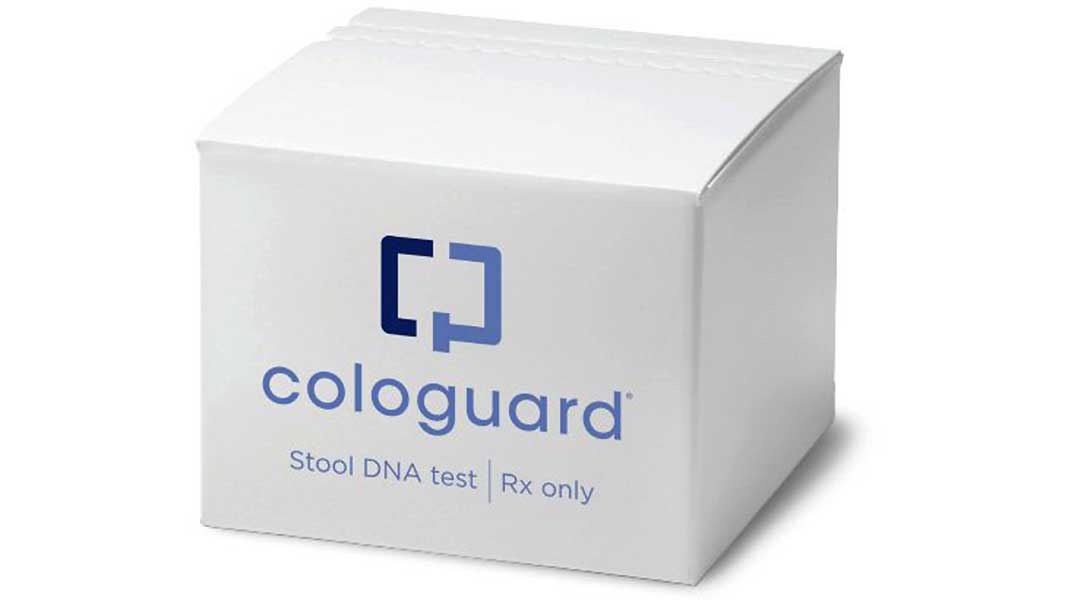
New colon cancer screening options, including stool tests like Cologuard and FIT, and upcoming blood tests, are providing less invasive and potentially more accessible alternatives to traditional colonoscopies. These tests require less preparation, may be less expensive, and could increase screening rates among Americans. The DNA blood test called Shield, developed by Guardant Health, is awaiting FDA approval and could be prescribed as early as 2024. While colonoscopies have the highest detection rate, these new tests aim to encourage early detection, which significantly improves survival rates. However, experts caution that blood tests may not detect precancerous polyps as effectively as colonoscopies. The medical community and insurers are closely watching these developments, with the potential for broader coverage if these tests meet performance thresholds.

Dallas Cowboys quarterback Dak Prescott stars in a commercial promoting colon cancer screenings, where he jokes about his haters and encourages viewers to put stickers of things they don't like on the sample collection container. Prescott cleverly uses the voice of his critics for a good cause, urging people to get screened for colon cancer. The timing of the commercial coincides with a crucial matchup against the Philadelphia Eagles, where Prescott hopes to replicate his previous strong performance.
The recommended age to discontinue colonoscopies for average-risk individuals remains controversial, with some authorities suggesting 75 and others 80, while most recommend against screening after 85. Stool samples, including combination tests like Cologuard, can be a reasonable alternative to colonoscopies but are not as accurate. As for hearing loss, while hearing aids are the standard treatment, surgical options like cochlear implants or bone-anchored hearing aids may be considered for specific cases. However, these surgical options can be expensive, and it is important to consult with an ENT specialist to determine the most suitable course of action.
Exact Sciences' next-generation Cologuard, a stool-based test for colon cancer, outperformed the original test in a study of 20,000 people, with 94% sensitivity and 91% specificity. The company plans to file for approval of the new test by the end of the year. Despite the positive results, Exact Sciences' stock pulled back 4.8% at the close, settling at 89.78. However, the stock has risen 207% from its recent low point in late October.