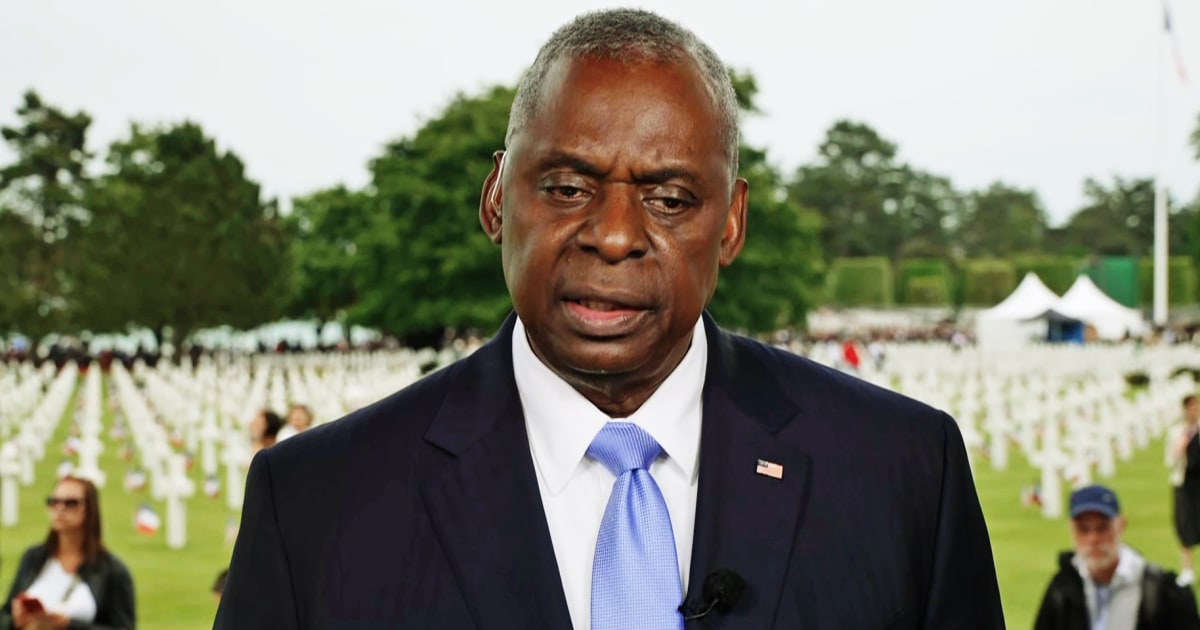
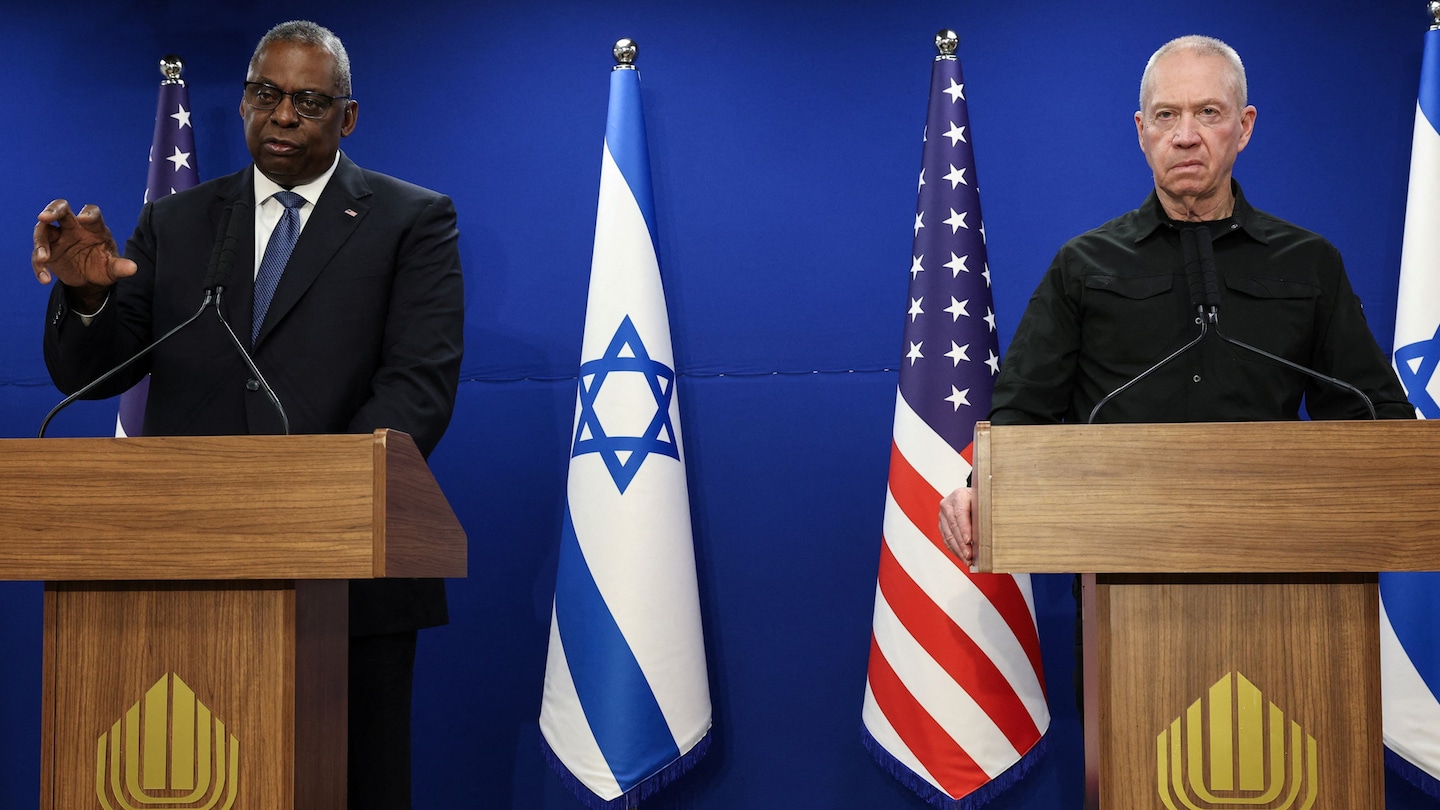
Defense Secretary Lloyd Austin emphasized the strategic importance of protecting civilians in Gaza, implicitly criticizing Israel's conduct in the war. He advocated for a hearts-and-minds approach to defeating Hamas and called for increased humanitarian aid. Austin also discussed global stability, support for Ukraine, and confirmed he is cancer-free amid health concerns.
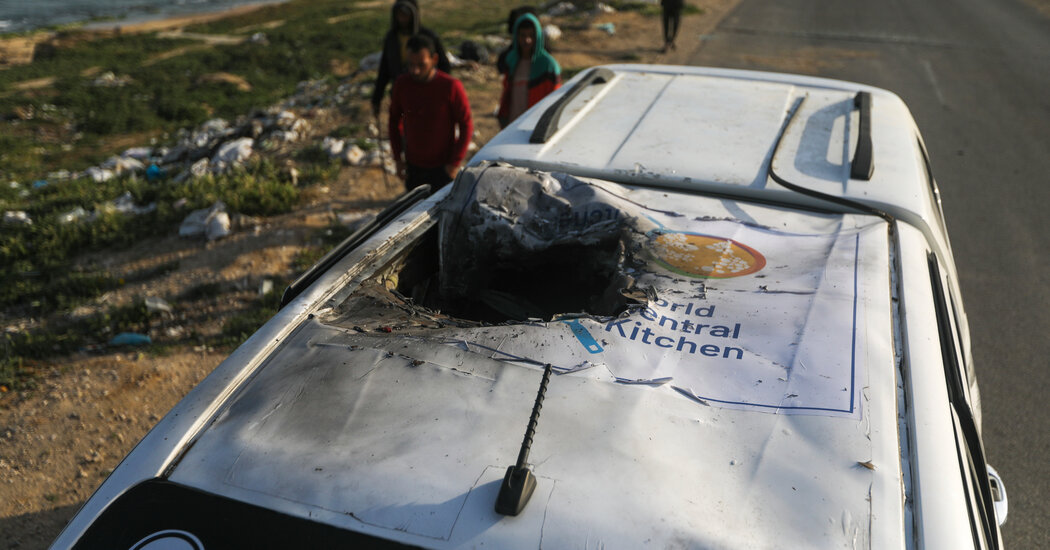
Israel's account of its attack on a World Central Kitchen convoy, which resulted in the deaths of seven aid workers, has raised significant legal questions. Experts have pointed out concerns about the military's ability to identify civilians and its procedures for protecting them, questioning whether Israel has been complying with international law in its conduct of the war in Gaza. International humanitarian law dictates that civilians cannot be targets of a military attack, and humanitarian aid workers and facilities are entitled to heightened protections.
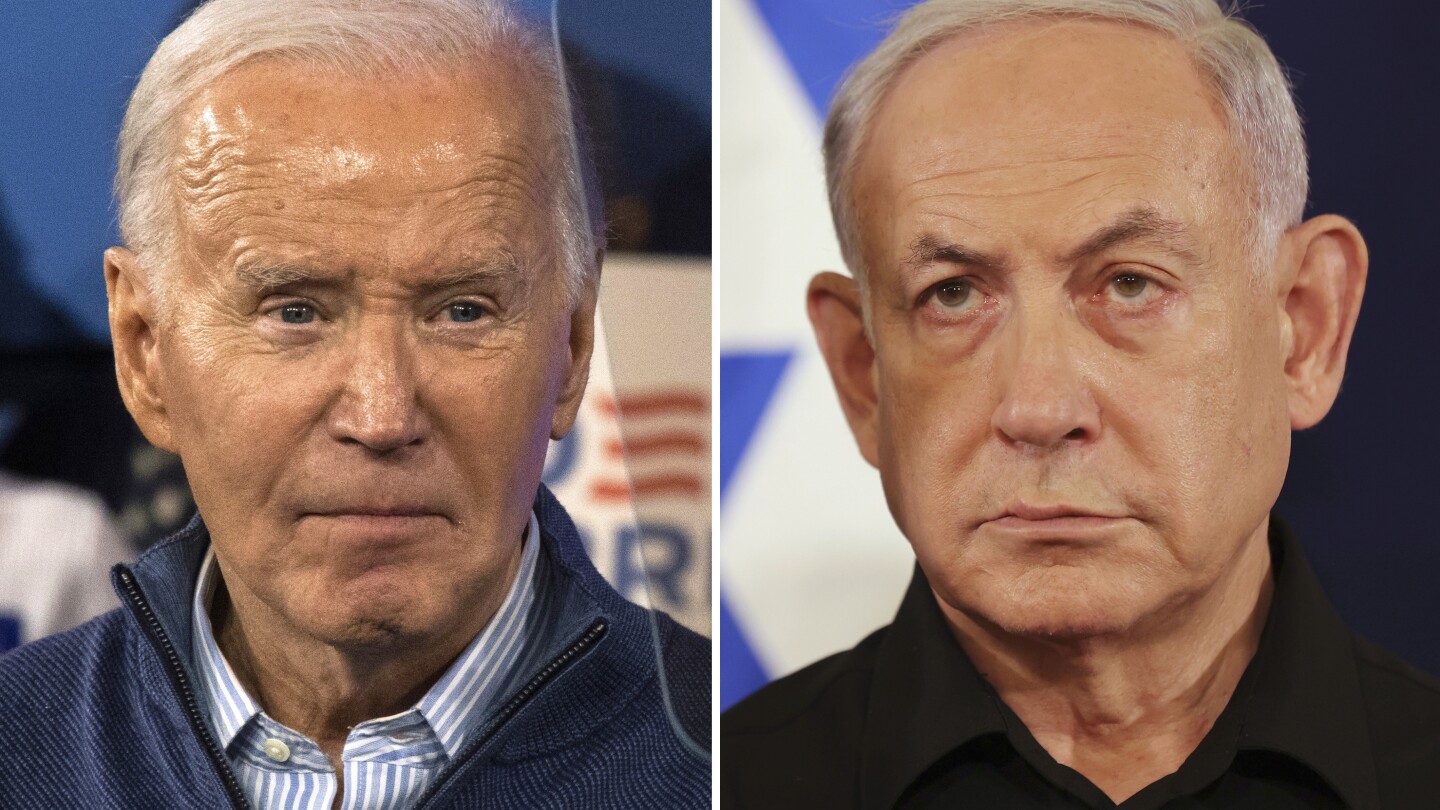
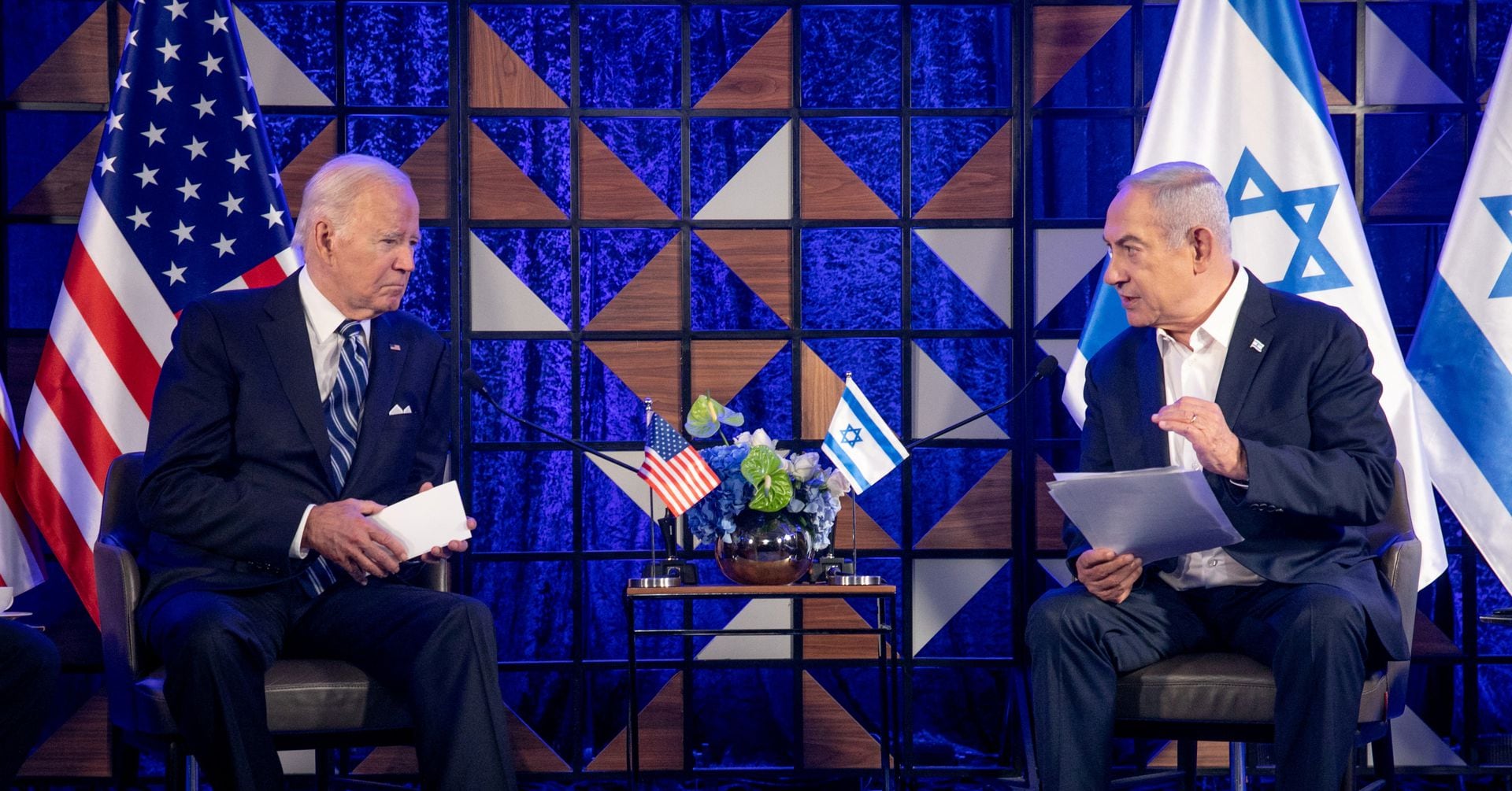
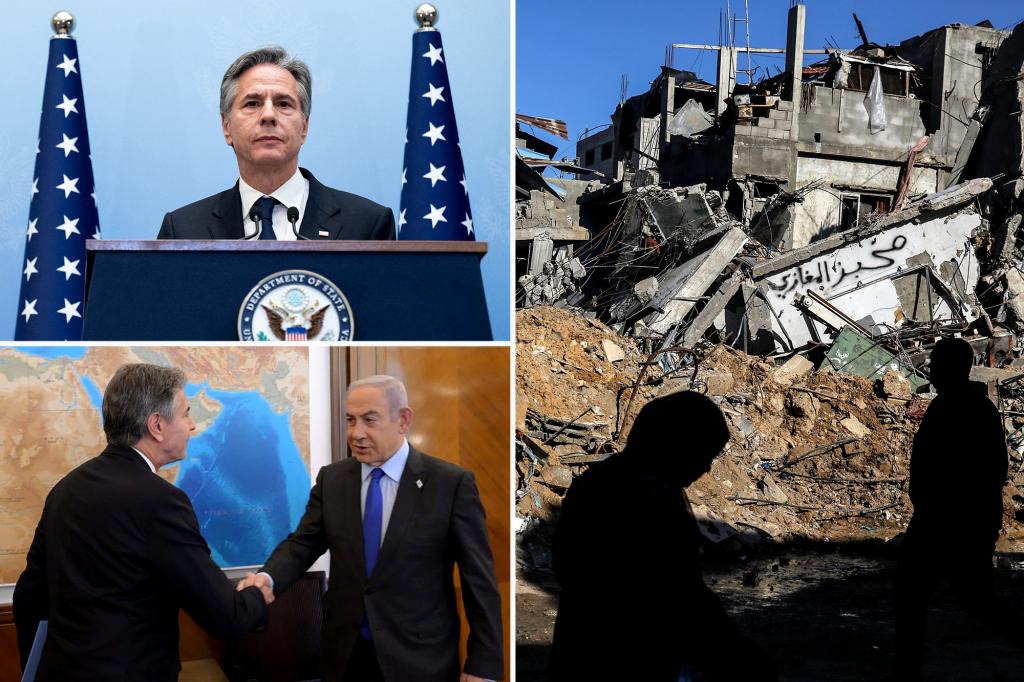
President Biden told Israeli Prime Minister Netanyahu that future U.S. support for the Gaza war depends on new steps to protect civilians and aid workers, urging an immediate ceasefire and independent investigation into Israeli strikes that killed aid workers. Secretary of State Blinken warned of curtailed U.S. support if Israel doesn't make significant adjustments, while the Biden administration proceeded with arms transfers to Israel. The war in Gaza has resulted in significant civilian casualties and destruction, prompting calls for Israel to stop indiscriminate killing and use of food as a weapon.
U.S. President Joe Biden reiterated to Israeli Prime Minister Benjamin Netanyahu the importance of protecting Palestinian civilians in Rafah and urged against military action without a credible plan. They also discussed ongoing hostage negotiations, with Biden pledging continued efforts to secure the release of hostages held by Hamas. The call comes amid Israeli forces raiding a hospital in Gaza, raising concerns about the safety of patients and displaced Palestinians. Biden had previously expressed grave concern over civilian casualties in the conflict, which began with Hamas incursions into Israel and has led to devastating consequences in the Gaza Strip.
The Israeli government's interpretation of international humanitarian law, which prioritizes military necessity over the protection of civilians, undermines the values and rules of the Geneva Conventions. This approach, reminiscent of Francis Lieber's theory of justifiable conduct in war from the 19th century, allows for massive harm to civilians in pursuit of quick victory. Israeli officials often emphasize the justice of their cause and the need to win quickly, downplaying the importance of proportionality and minimizing harm. Their approach to proportionality focuses on the strategic objective of eradicating Hamas, rather than the concrete and direct military advantage of specific attacks. Similarly, their approach to minimizing harm often relies on warnings to civilians rather than adjusting means and methods of warfare. This interpretation of international humanitarian law threatens the protection of civilians and must be addressed.
Defense Secretary Lloyd Austin has stated that Israel has a "moral duty and strategic imperative" to protect Palestinian civilians in Gaza, joining other U.S. officials in urging Israel to mitigate civilian harm in its ongoing conflict with Hamas. The mistaken killing of three Israeli hostages in Gaza has raised concerns over IDF tactics, prompting the IDF chief of staff to instruct troops to exercise caution. Over 100 hostages held in Gaza have been released, while a Washington Post video analysis reveals how Hamas exploited vulnerabilities in Israel's security barrier to carry out a deadly attack. Traders reportedly made millions of dollars by anticipating the attack.
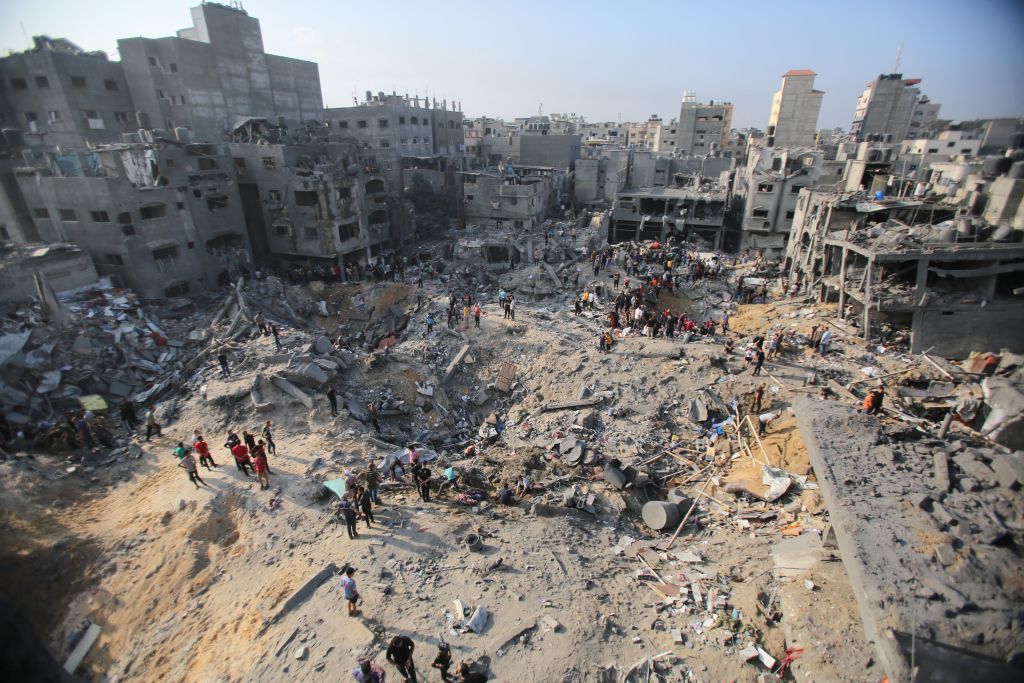
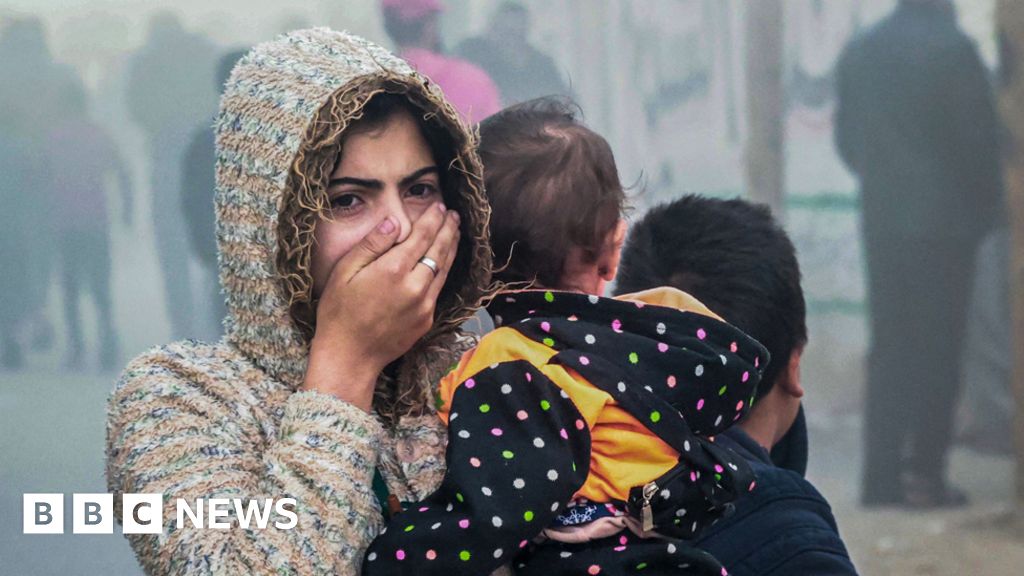
Israel has expanded its offensive in southern Gaza, intensifying its bombardment of Khan Younis and the Nuseirat refugee camp. The United Nations and the U.S. have emphasized the need to protect civilians. At least 50 people were killed in Israeli strikes, and there are concerns about the safety of Palestinian civilians who have been ordered to evacuate. The U.N. Secretary-General and the U.S. national security advisor have called for the prevention of further civilian harm. The Israeli government has indicated certain areas as no-strike zones, but there are concerns about the intentional targeting of civilians. The offensive has resulted in a high number of casualties, with over 15,800 people killed in the Gaza Strip. The Israeli forces have also targeted Hezbollah in recent strikes on the Israeli-Lebanese border. Critics argue that there is no safe place for Palestinian civilians to seek refuge.
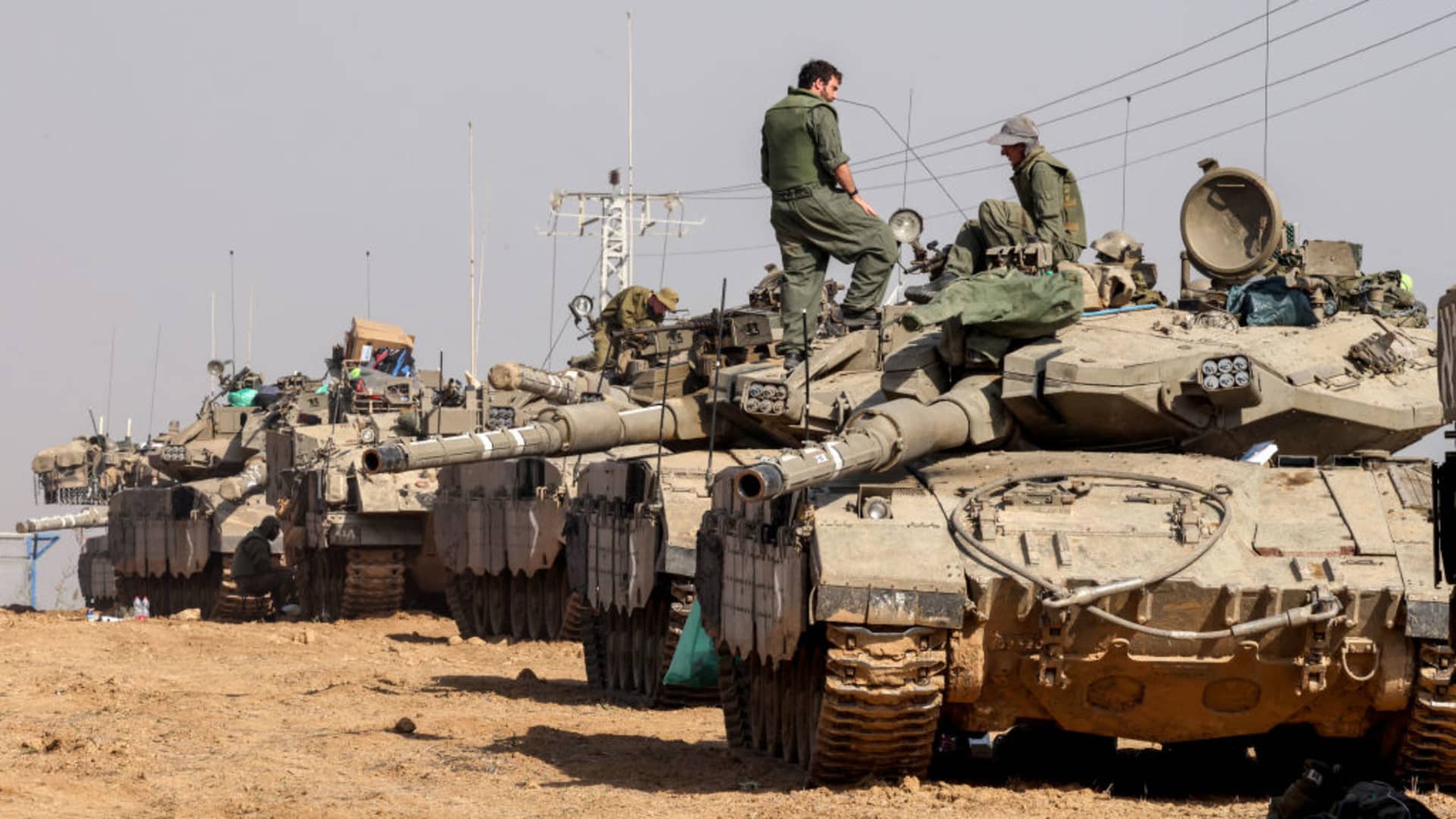
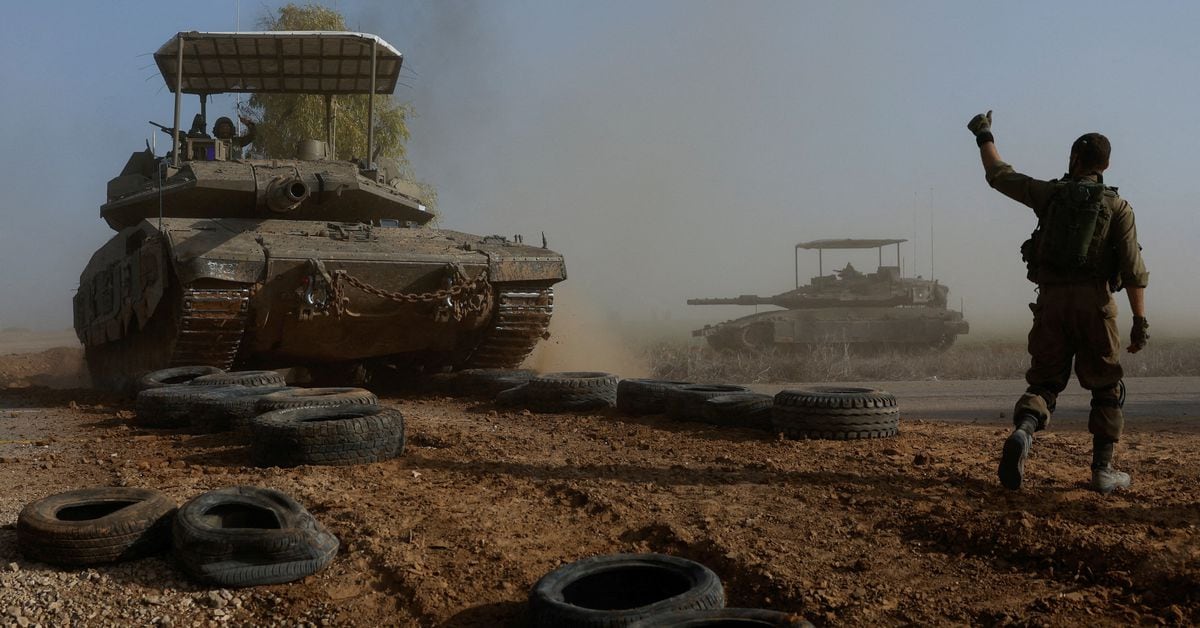
Israeli forces continue their air and ground bombardment of southern Gaza Strip, causing dozens of Palestinian casualties, despite calls from the United States and the United Nations to protect civilians. The US urges Israel not to strike safe zones, while the UN appeals for Israel to avoid actions that worsen the dire humanitarian situation in Gaza. Israel reports three soldiers killed in combat, bringing the total to 78 since the ground invasion began. The resumption of the military operation displaces more people and strains the already limited humanitarian aid in Gaza.
US Secretary of State Antony Blinken has delivered the strongest and most specific remarks yet, urging Israel to spare civilians and critical infrastructure in its war against Hamas in Gaza. While he did not set red lines for US actions, Blinken emphasized the need to avoid further mass displacement of Palestinians and damage to hospitals, power stations, and water facilities. The Biden administration's approach has shifted towards civilian protection and addressing humanitarian conditions in Gaza, driven by anger from Arab allies and internal dissent. Blinken called for safe zones near UN facilities and shelters to prevent further displacement, and stressed the importance of sustaining and building on humanitarian assistance. While the US supports Israel's goal to neutralize the threat posed by Hamas, it recognizes the complexity of the task given the militants' presence among the civilian population. The administration has chosen not to place conditions on military assistance to Israel, instead relying on private pressure to address humanitarian concerns.
Secretary of State Antony Blinken has warned Israeli Prime Minister Benjamin Netanyahu that Israel should not resume operations against Hamas without a clear plan to protect civilians in the Gaza Strip. Blinken emphasized the need for humanitarian civilian protection plans that minimize casualties among innocent Palestinians. He also stated that the US will continue to support Israel, but assistance is conditional on compliance with international humanitarian law. Israel has been under pressure not to renew its offensive after the ceasefire, but Netanyahu reiterated his intention to eliminate Hamas. The release of hostages by Hamas is slowly underway during the truce.
The United Nations Development Programme (UNDP) expresses deep distress over the shelling of the United Nations compound in Gaza City, which has resulted in numerous deaths and injuries. The UNDP emphasizes the need to respect and protect civilians, civilian infrastructure, and UN facilities, calling for adherence to international humanitarian law. The UNDP's Programme of Assistance to the Palestinian People has been working in Gaza since 1989, aiming to improve the economic and social conditions of the Palestinian people.
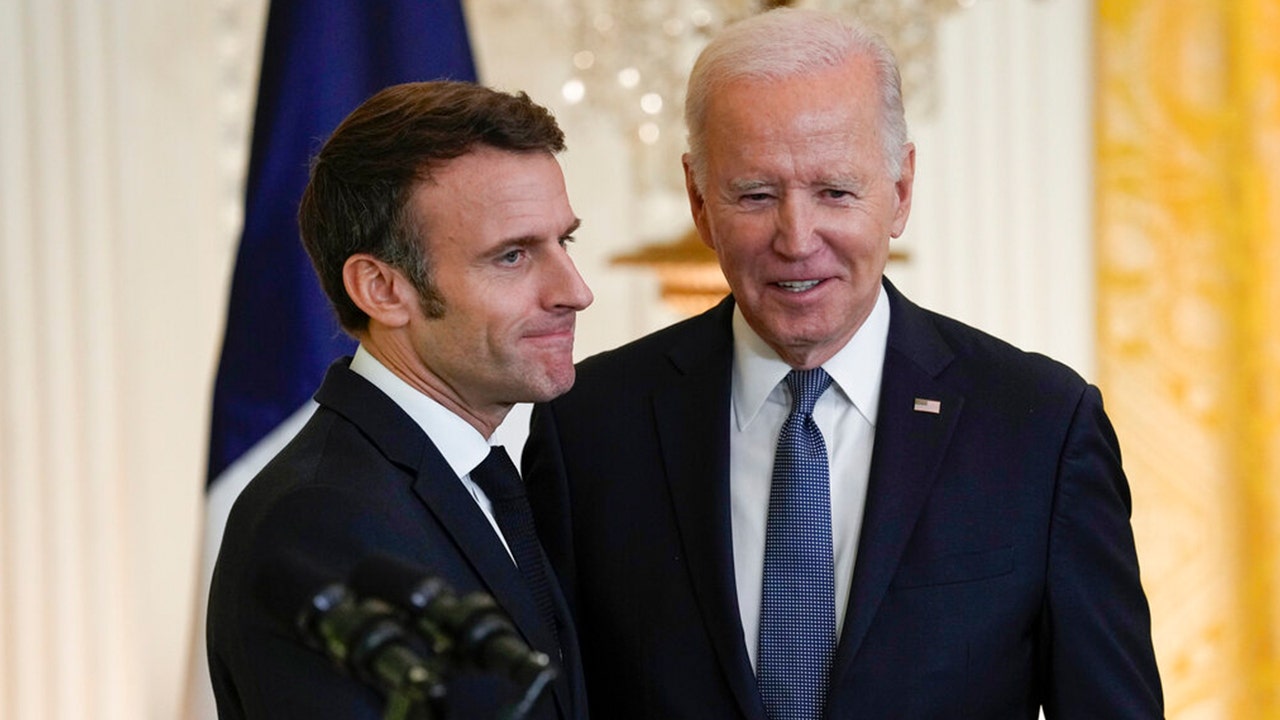
President Biden and Western leaders, including Canada, France, Germany, Italy, and the UK, have reaffirmed their support for Israel's right to defend itself against Hamas attacks while urging the protection of civilians and adherence to international humanitarian law. They welcomed the release of two hostages and called for the immediate release of all remaining hostages. The leaders also committed to coordinating efforts to support their nationals in the region, including those wishing to leave Gaza. They discussed the arrival of aid convoys in Gaza and pledged to continue providing humanitarian assistance. Efforts to secure the release of additional hostages and assist civilians wishing to evacuate were also discussed.
This article provides expert guidance on the law of armed conflict (LOAC) and international humanitarian law as it applies to the ongoing Israel-Hamas war. It discusses the equal application principle, sources of LOAC, the distinction between international and non-international armed conflict, violations of LOAC and war crimes, the definition of civilians and combatants, the prohibition of taking hostages, torture, rape, and directly targeting civilians, the rule of proportionality, targeting civilian infrastructure, precautions to minimize civilian harm, the use of human shields, collective punishment, siege warfare, access to humanitarian relief, and the forcible displacement of civilians. The article aims to assist policymakers, diplomats, analysts, reporters, scholars, and the public in understanding the legal framework surrounding the conflict.
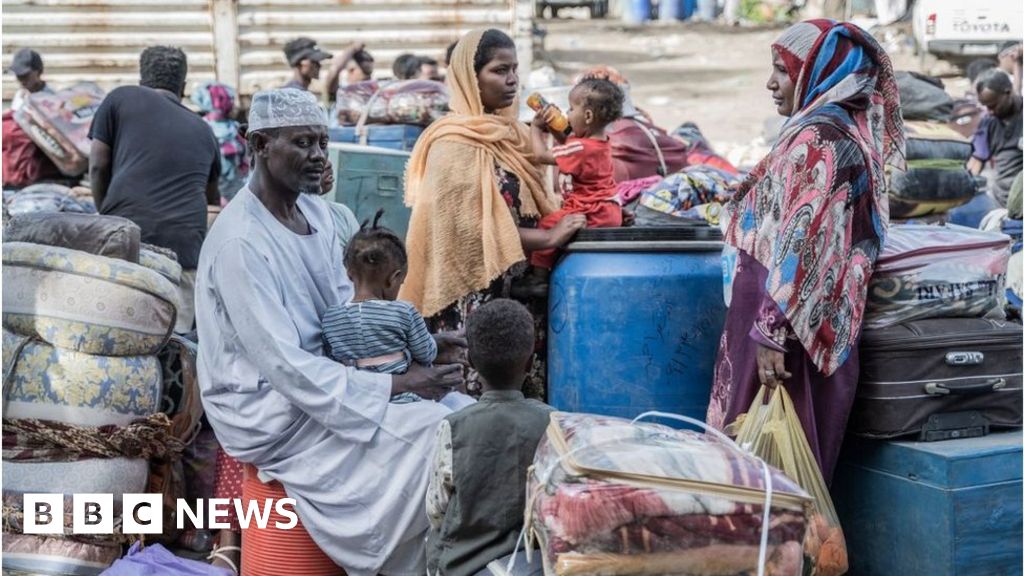
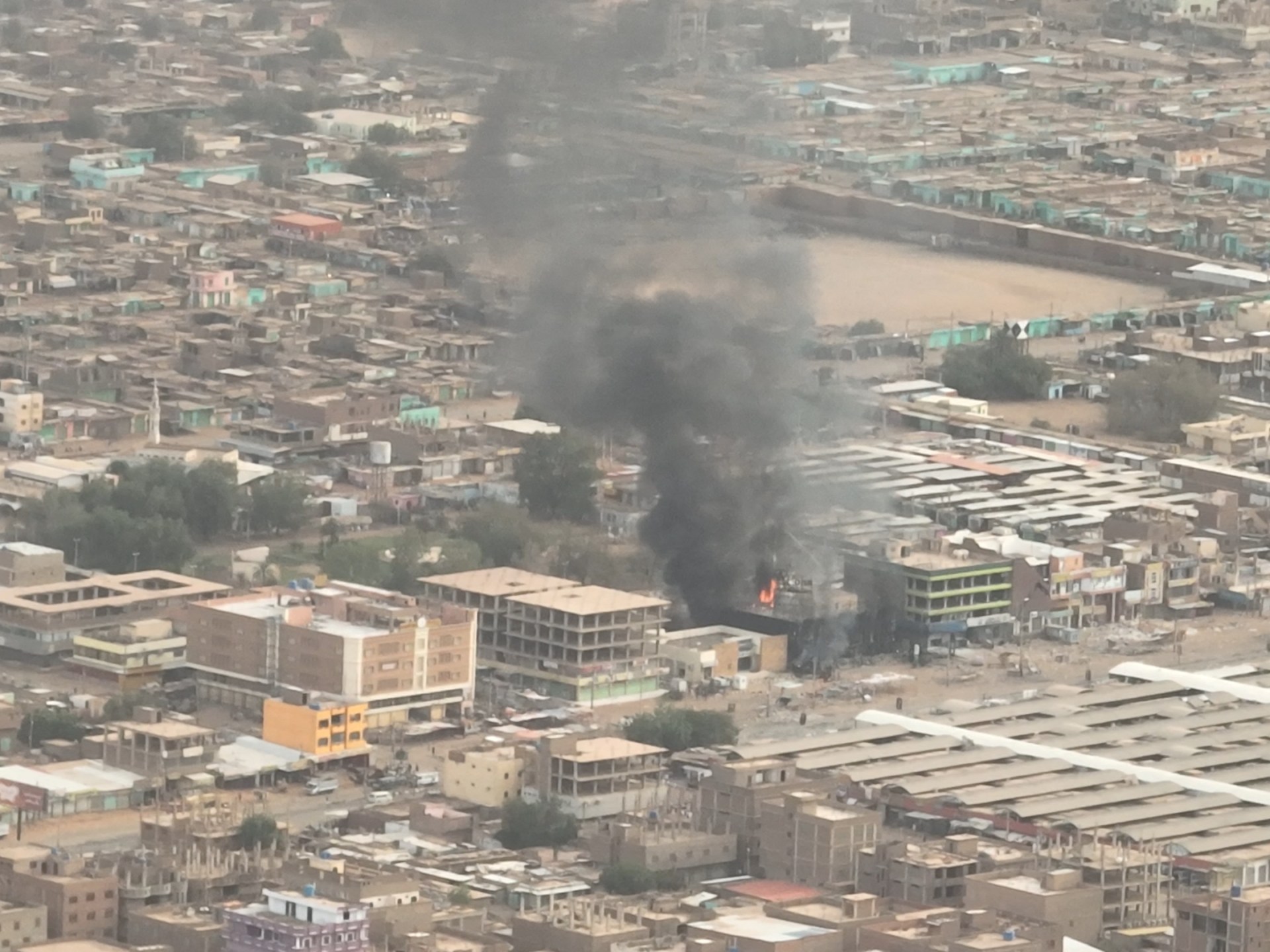
Sudan's warring parties have signed a deal to protect civilians, allowing safe passage for people leaving battle zones, protecting relief workers and not using civilians as human shields. However, they did not agree to pause the fighting. The talks have been mediated by the US and Saudi Arabia, with both sides committing to let in badly needed humanitarian assistance. The conflicting parties are still discussing a proposal for a truce and a mechanism to monitor it. The conflict erupted in mid-April when the paramilitary Rapid Support Forces (RSF) refused to be integrated into Sudan's army under a planned transition to civilian rule.
Sudan's army and paramilitary Rapid Support Forces have committed to protecting civilians and allowing humanitarian aid, but a ceasefire remains elusive. The two sides signed a declaration in Jeddah, Saudi Arabia, after a week of talks, but a senior US State Department official said they were still far apart. The fighting has killed hundreds of people and triggered a humanitarian crisis, with more than 600 people killed and over 5,000 injured. The World Health Organization said 700,000 people have been internally displaced and 150,000 refugees have entered neighbouring states.