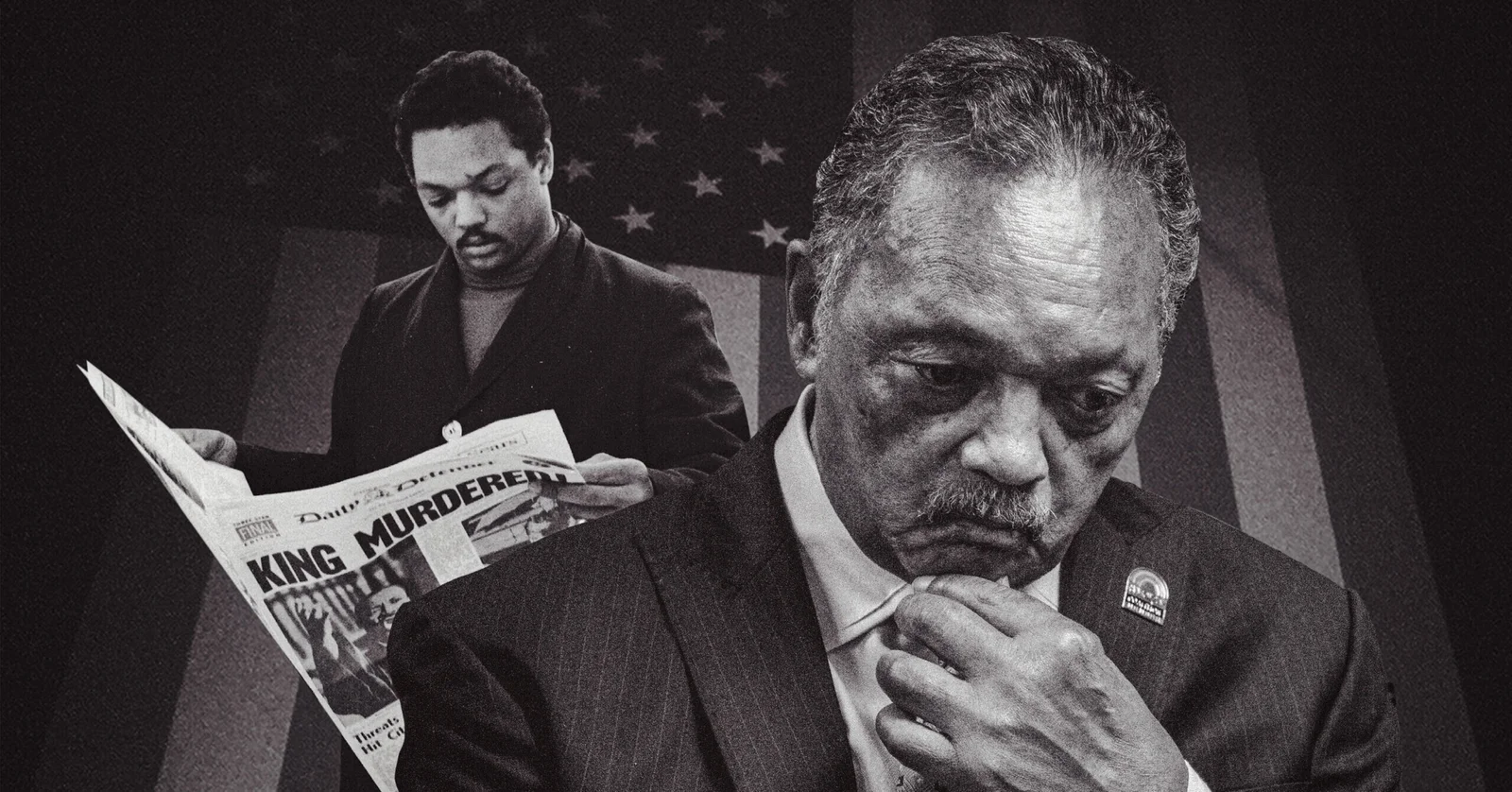
A profile of Jesse Jackson that traces his lifelong fight for voting rights and civil rights—from his 2005 basement-room warning to rally support, through his Rainbow PUSH Coalition and presidential campaigns, to his lasting influence on American politics, as he died at 84.
A trove of Harper Lee’s letters to JoBeth McDaniel reveals her nuanced view of the Deep South’s evolution from Depression-era deprivation to the Civil Rights era and how white Southerners reacted as Black neighbors sought equality, alongside her thoughts on writing and fellow authors.
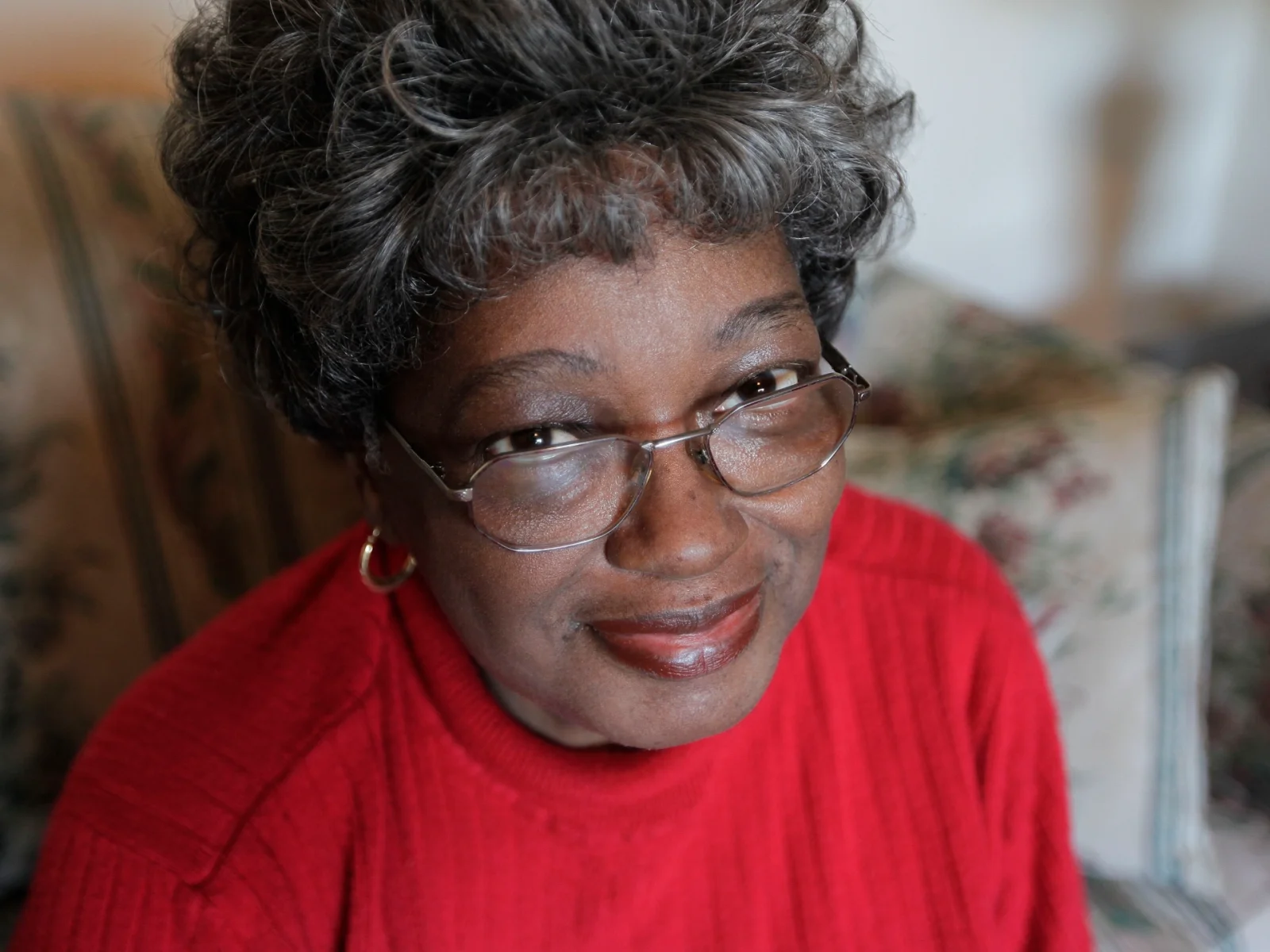
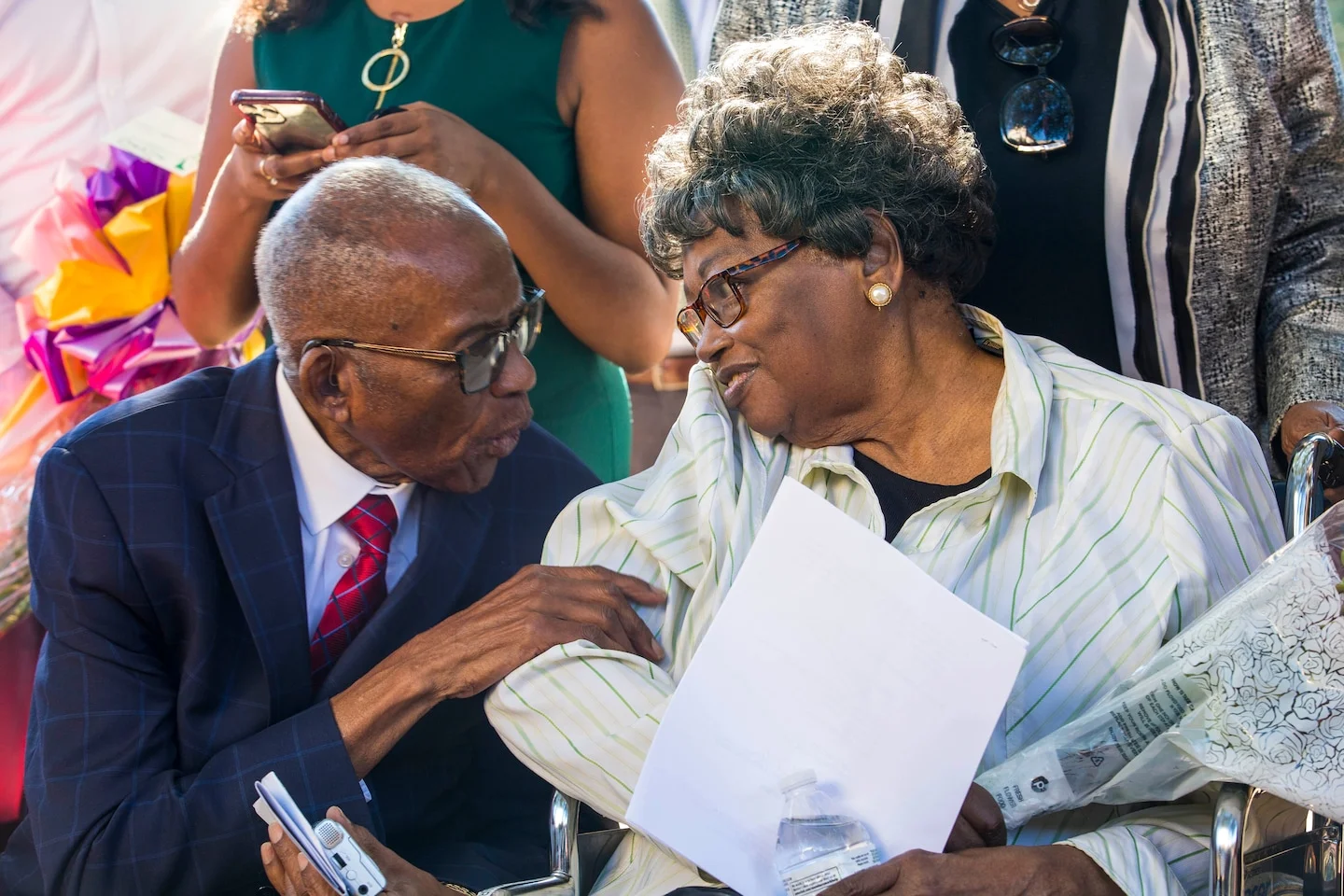
Claudette Colvin, who at age 15 refused to give up her seat on a Montgomery, Alabama bus and later became a plaintiff in a suit that helped desegregate public transportation, has died at 86 in Texas. Her bold act preceded Rosa Parks and helped spark the Montgomery Bus Boycott, though her contribution is often overlooked by history.
Claudette Colvin, 15, refused to give up her Montgomery, Alabama bus seat in 1955 and became a plaintiff in Browder v. Gayle, helping spark the Montgomery Bus Boycott that advanced the civil rights movement. Although Rosa Parks’ stand became the lasting symbol, Colvin’s bravery provided crucial momentum for activists and later earned recognition after decades of obscurity; she had her juvenile arrest record expunged in 2021 and died Jan. 13 at 86 in hospice in Texas.
RaMell Ross' film "Nickel Boys," an adaptation of Colson Whitehead's novel, redefines the portrayal of Black characters on screen by using a first-person perspective to immerse viewers in the 1960s Jim Crow South. The film follows Elwood and Turner, two boys at a segregated reform school, and challenges traditional narratives of race relations in America. Ross' innovative approach blends archival footage and narrative storytelling to create a unique cinematic experience that emphasizes empathy and connection.
Learning for Justice provides a comprehensive set of resources and frameworks for educators to teach Black history, including the Civil Rights Movement and American slavery, as well as articles, webinars, podcasts, and lessons to deepen understanding. The materials cover key moments and untold histories, advocate for teaching honest history, and emphasize the importance of discussing African and Indigenous cultures. Additionally, there are resources to engage children with stories and poems that uplift the value of family and the fight for justice across generations.
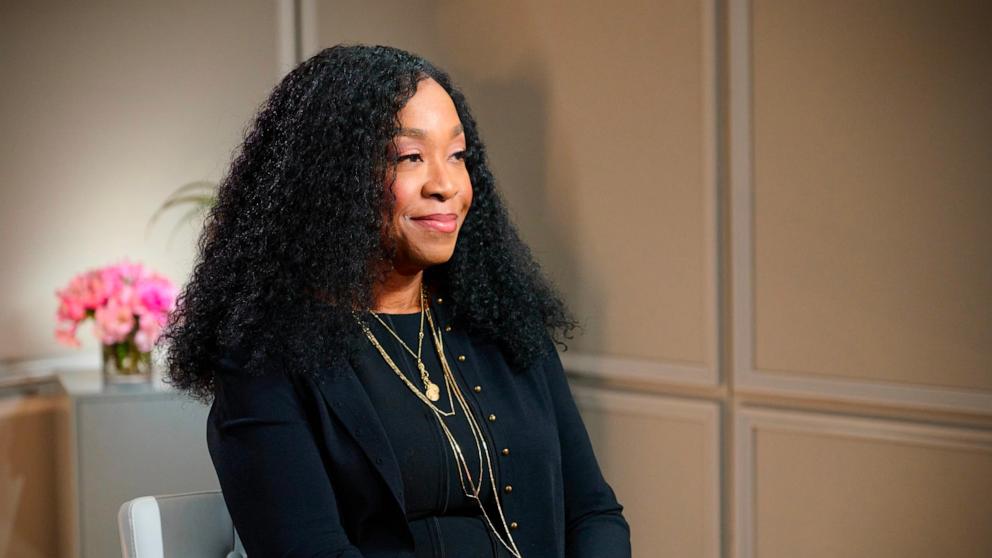
Television producer Shonda Rhimes is partnering with the Emmett Till Interpretive Center to preserve the story of Emmett Till, a Black teenager who was brutally murdered in 1955. Rhimes plans to memorialize significant sites related to Till's murder, including the barn where he was killed. Inspired by an article, Rhimes aims to ensure that Till's story is never forgotten and that his family remains the victor in this historical narrative. The project also involves the Mellon Foundation, which is assisting with site preservation and bringing the story together.
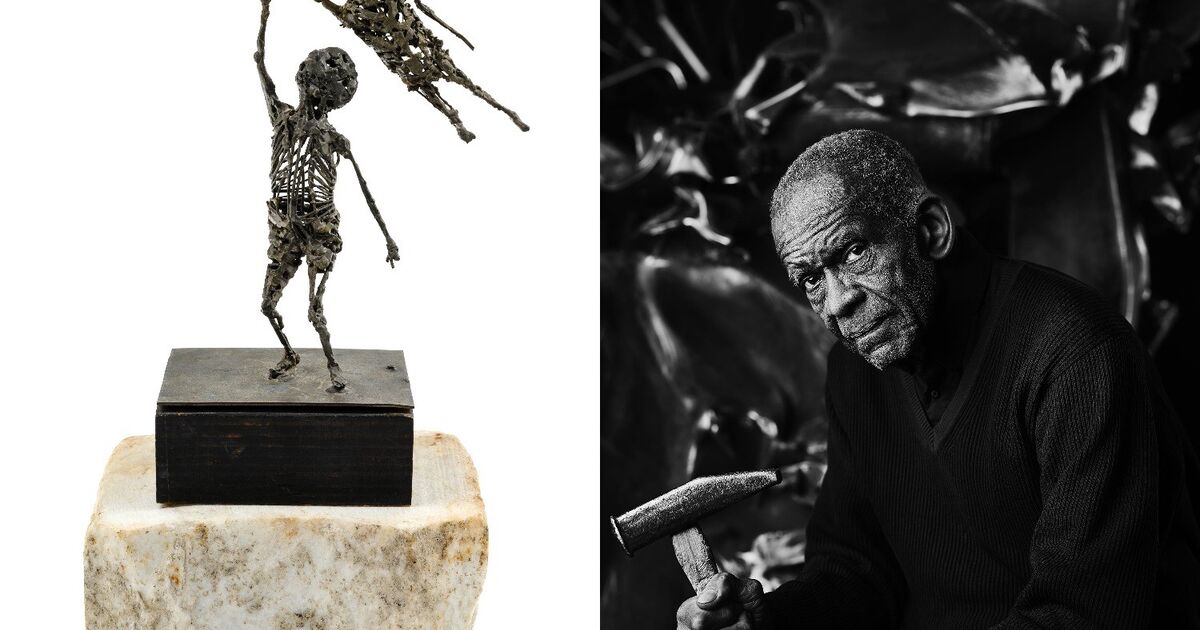
Richard Hunt, a pioneering American sculptor known for his contributions to public art and the civil rights movement, has died at the age of 88. Hunt's career spanned nearly seven decades, during which he broke barriers with his abstract metal sculptures. He was the first African-American visual artist appointed to the National Council on the Arts and the first Black sculptor to have a retrospective exhibition at MoMA. Hunt's works are featured in over 100 public museums globally, and he recently completed preliminary work on a monument to Emmett Till. His legacy includes numerous awards, honorary degrees, and professorships, and his sculpture for the Obama Presidential Center will serve as an enduring reminder of his remarkable talent.
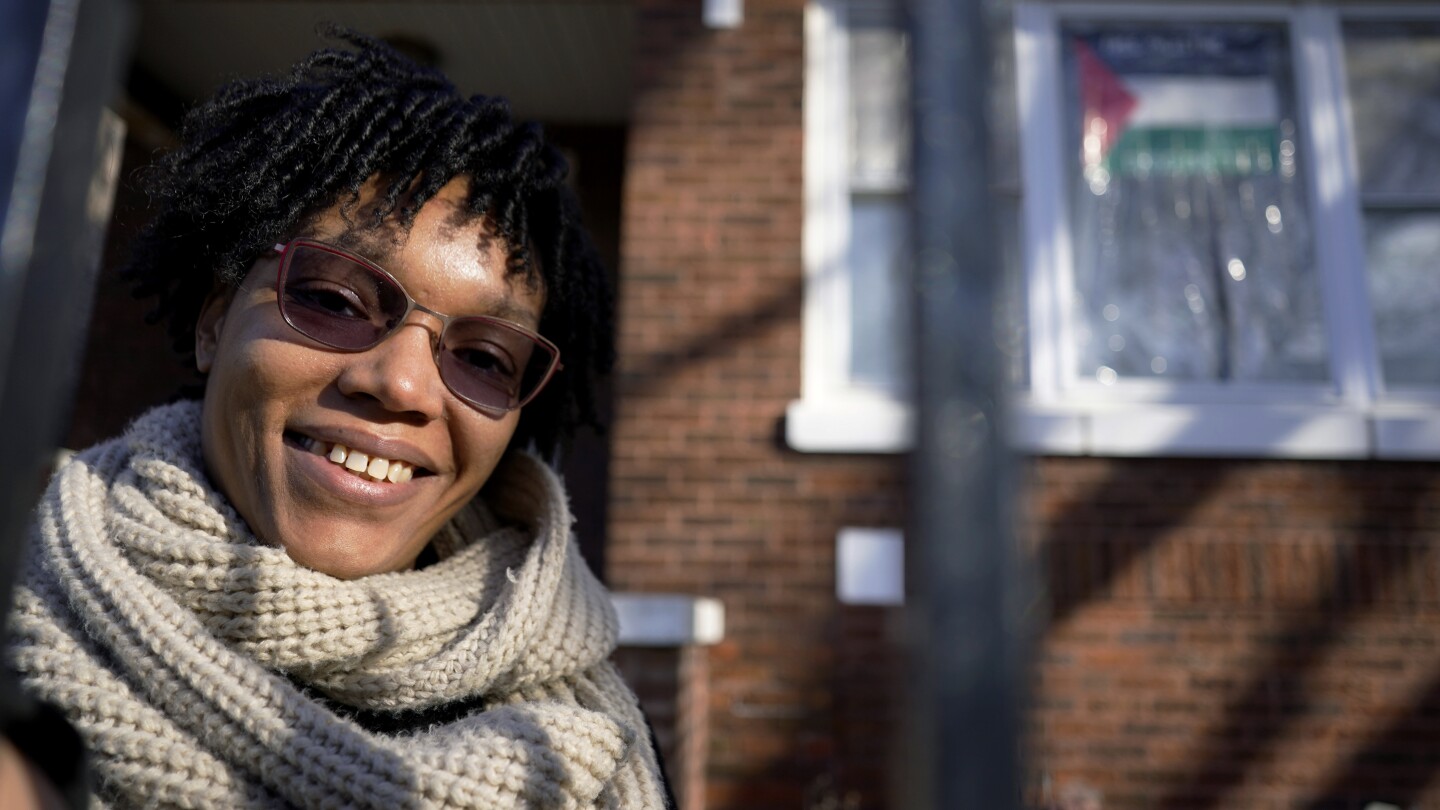
Black Americans are increasingly showing solidarity with Palestinians, viewing their struggle for equality and civil rights as interconnected. However, this growing alliance is straining the century-long relationship between Black and Jewish activists, with concerns about antisemitism and the potential weakening of Jewish-Black ties. While some Jewish Americans worry about the escalation of support for Palestinians, many understand that Black Americans can have an affinity for the Palestinian cause without conflicting with their regard for Israel. Generational divides and progressive views within the Jewish American community also contribute to differing perspectives on Israel's policies. The recent rise of protest movements against police brutality in the US has further deepened ties between Black and Palestinian activists.
The upcoming Republican debate in Alabama, the state that propelled George Wallace into national politics, highlights the dominance of Republicans loyal to Donald Trump. Alabama's political evolution from the Party of Lincoln to the Party of Trump can be understood by examining the common thread of appealing to voters who feel ignored and marginalized. Trump, like Wallace, taps into nostalgia and grievances, resonating with culturally conservative whites. While Alabama Republicans are not entirely unified, Trump's popularity remains strong in the state. The historical context of the "Solid South" and the shift from Democrats to Republicans is crucial in understanding the dynamics of Alabama politics.
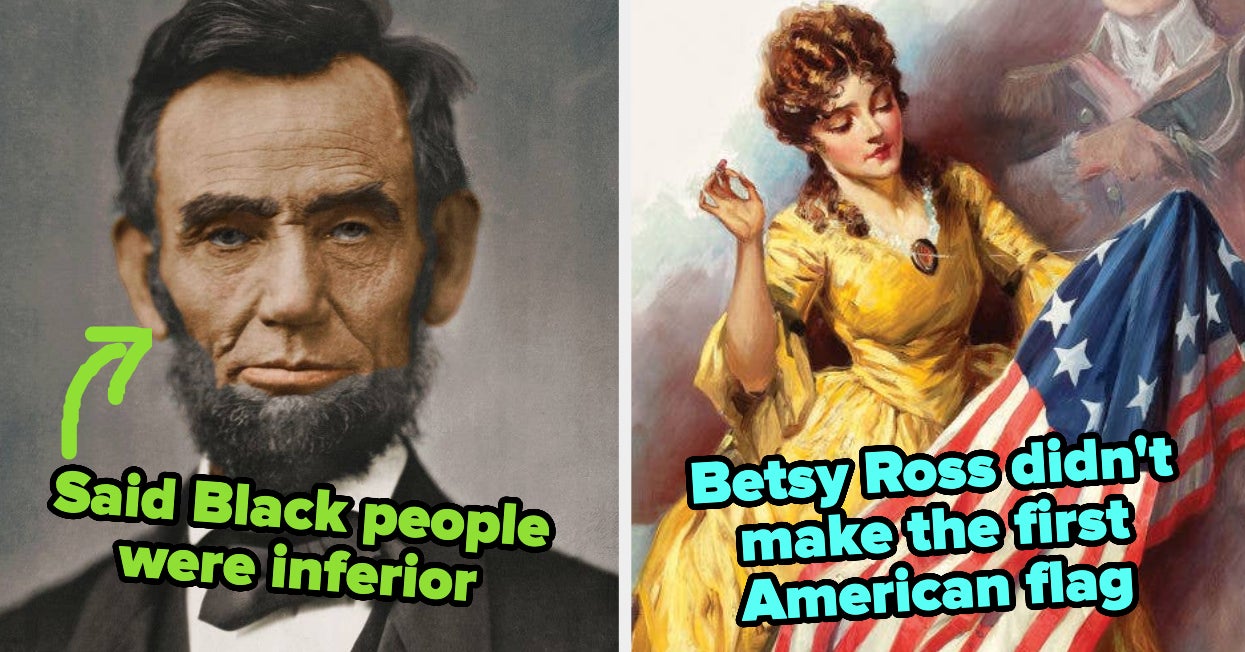
This article presents 33 surprising facts about US history, debunking popular myths and shedding light on lesser-known aspects. It covers topics such as the true history of Thanksgiving, the Puritans' lack of religious freedom, President Lincoln's views on race, and the misconceptions surrounding figures like Paul Revere and Molly Pitcher. It also explores the US's involvement in World War II, the Texas Revolution's connection to slavery, and the truth behind famous inventors like Thomas Edison. Additionally, it highlights the nonviolent strategy of the Civil Rights Movement and the founding fathers' intention to separate church and state.
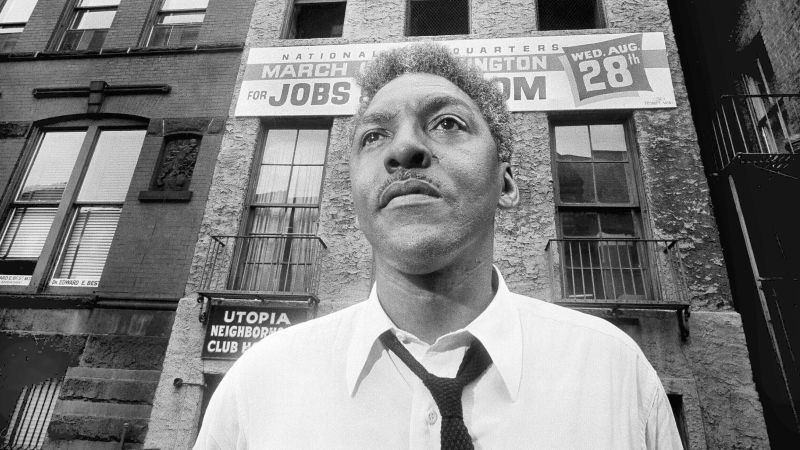
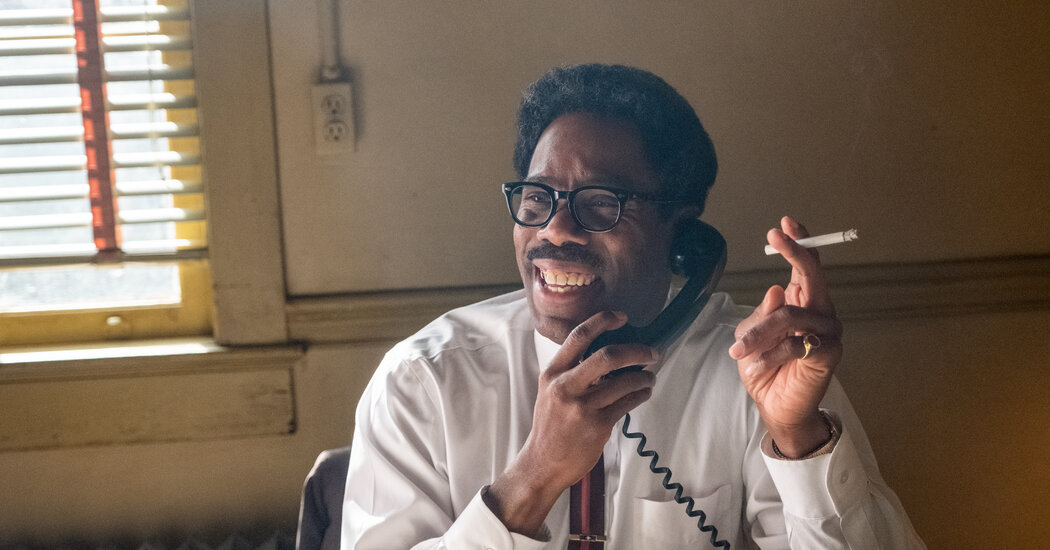
Bayard Rustin, the openly gay Black man who organized the 1963 March on Washington and served as Martin Luther King Jr.'s nonviolent spiritual mentor, is finally getting the recognition he deserves with the release of the biopic "Rustin" on Netflix. Rustin, often referred to as the "American Gandhi," played a crucial role in the civil rights movement but was largely overlooked due to his sexual orientation. The film highlights Rustin's charisma, intelligence, and meticulous organizational skills, shedding light on his contributions to social change. Rustin's character, attention to logistics, ability to inspire hope, and Quaker values are all showcased in the movie, solidifying his status as a great American hero.
The new biopic "Rustin" aims to shed light on the life and contributions of Bayard Rustin, a civil rights leader and organizer of the historic 1963 March on Washington. Rustin's legacy was often overlooked, but the film seeks to give him the recognition he deserves. Directed by George C. Wolfe and starring Colman Domingo as Rustin, the biopic explores his role in planning and executing the march, as well as his personal struggles as a gay man in a movement that faced prejudice and opposition. The film also highlights the important contributions of women in organizing the march and their frustration at being excluded from leadership positions.
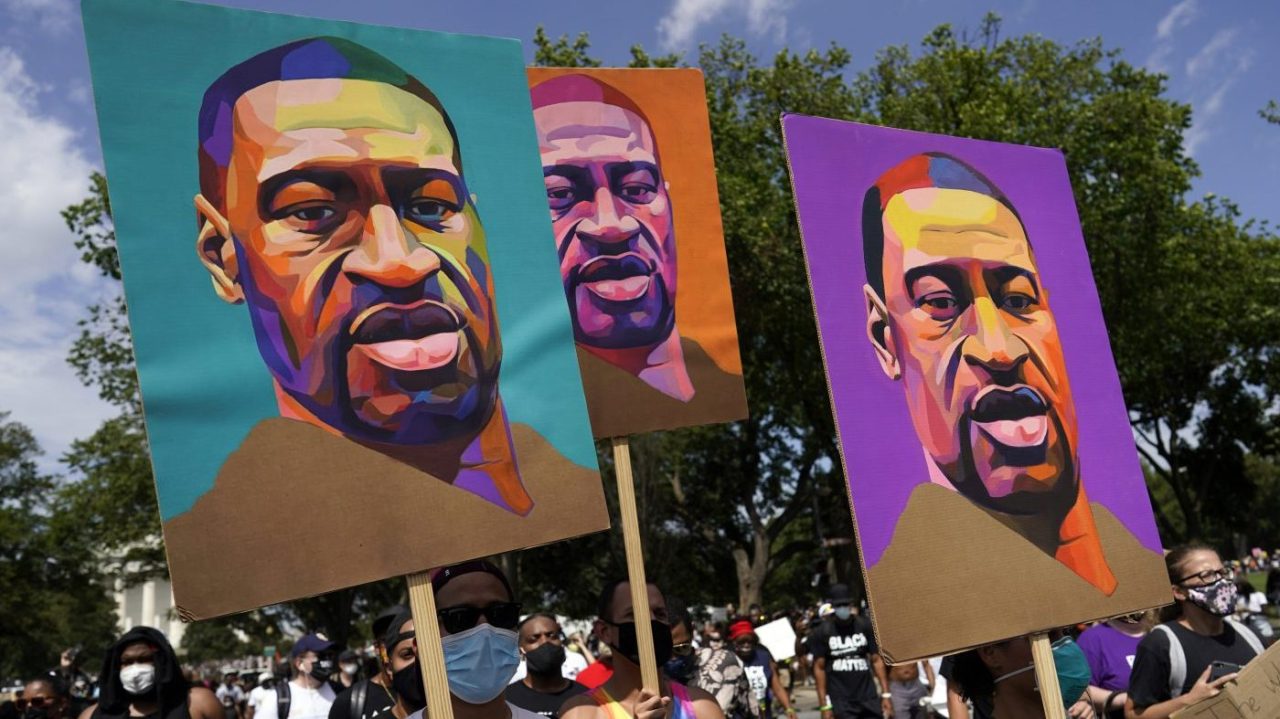
On what would have been George Floyd's 50th birthday, President Biden reiterated his commitment to fighting gun violence and called for Congress to pass meaningful police reform. While legislation with Floyd's namesake, the George Floyd Justice in Policing Act, is currently stalled in the House, Biden signed an executive order implementing some elements of the bill. He urged Congress to act and emphasized the need for real and lasting change at the state and local levels. Biden has been a staunch supporter of gun reform in policing and previously established the Office of Gun Violence Prevention.
Surviving members of the Little Rock Nine, the group of Black students who desegregated schools in Arkansas, expressed concerns about the state of history education in the United States. They criticized moves to limit access to American history and called for schools to provide comprehensive education. The civil rights leaders also highlighted the importance of students understanding the truth about their history and expressed worries about the restriction of African American Studies courses. They urged young people to demand better education and emphasized the need for positive change in the pursuit of equality.