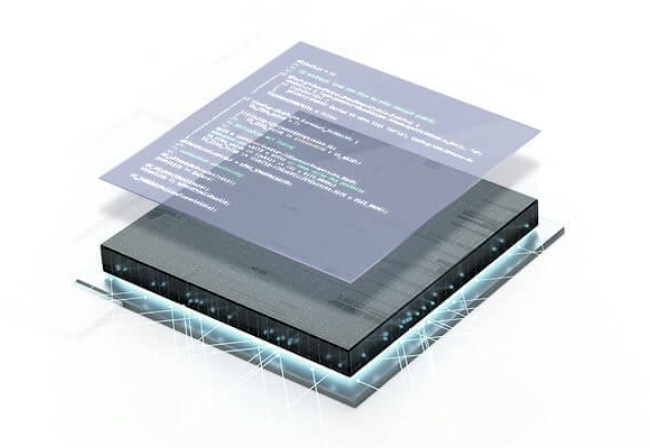
Synopsys, a leading provider of electronic design automation software, has agreed to acquire Ansys, the world's largest supplier of HPC simulation software, for $35 billion. The acquisition reflects the increasing importance of chiplet packaging in the semiconductor industry, as well as the growing demand for comprehensive system simulation. The deal aims to expand Synopsys' capabilities in chip design and simulation, with potential for cross-selling and cost savings. The combined company expects to generate around $8 billion in revenues and plans to close the deal in the first half of 2025.
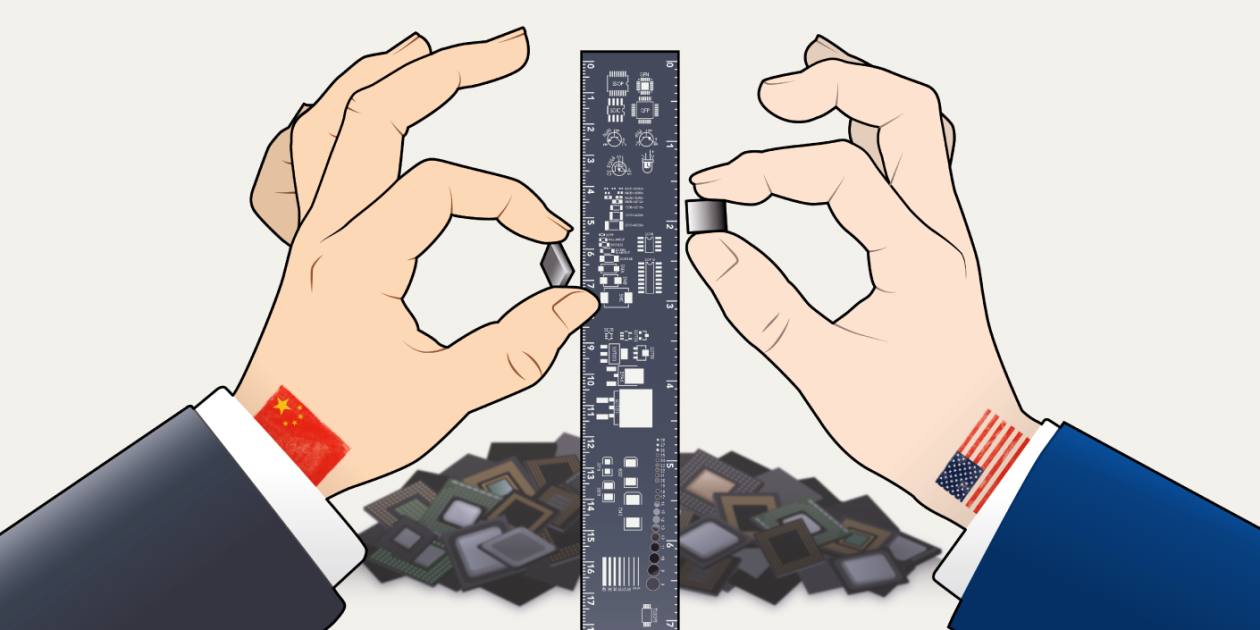
In 2009, Chiang Shang-yi, head of research and development at Taiwan Semiconductor Manufacturing Co., proposed exploring chip packaging as a solution to the chip industry's problem of fitting more transistors onto smaller chips. This alternative approach aimed to make chips more powerful without relying solely on shrinking their size.
Apple has partnered with Amkor to solve the issue of chip packaging at Taiwan Semiconductor's (TSMC) Arizona-based fab. Amkor will invest $2 billion to build a facility that will handle chip packaging, making the Arizona factory operational. TSMC's Arizona facility is scheduled to open in 2025, and Amkor's packaging facility will be ready for production within the next two to three years. This partnership will allow Apple to buy chips made in the US, reducing reliance on chips made in Taiwan. Both TSMC and Amkor may benefit from government subsidies provided by the CHIPS Act. However, achieving full independence in the US chipmaking supply chain may take between a decade and two decades.
Intel's CEO, Pat Gelsinger, claims that future Intel chips, including Arrow Lake, Lunar Lake, and Panther Lake, will rival the performance of Apple Silicon Macs. Intel is adopting Apple-like chip packaging, combining related chips into a single unit alongside the main CPU for greater efficiency. However, the current generation of Apple Silicon chips still outperform Intel's upcoming Meteor Lake chips. Gelsinger expects Intel to catch up with Apple Silicon's performance next year, comparing their platforms to the best that Mac or anyone else offers. Intel also claims it will overtake TSMC in one aspect of chip manufacturing, but it remains to be seen if their advanced packaging techniques can compete with Apple Silicon.