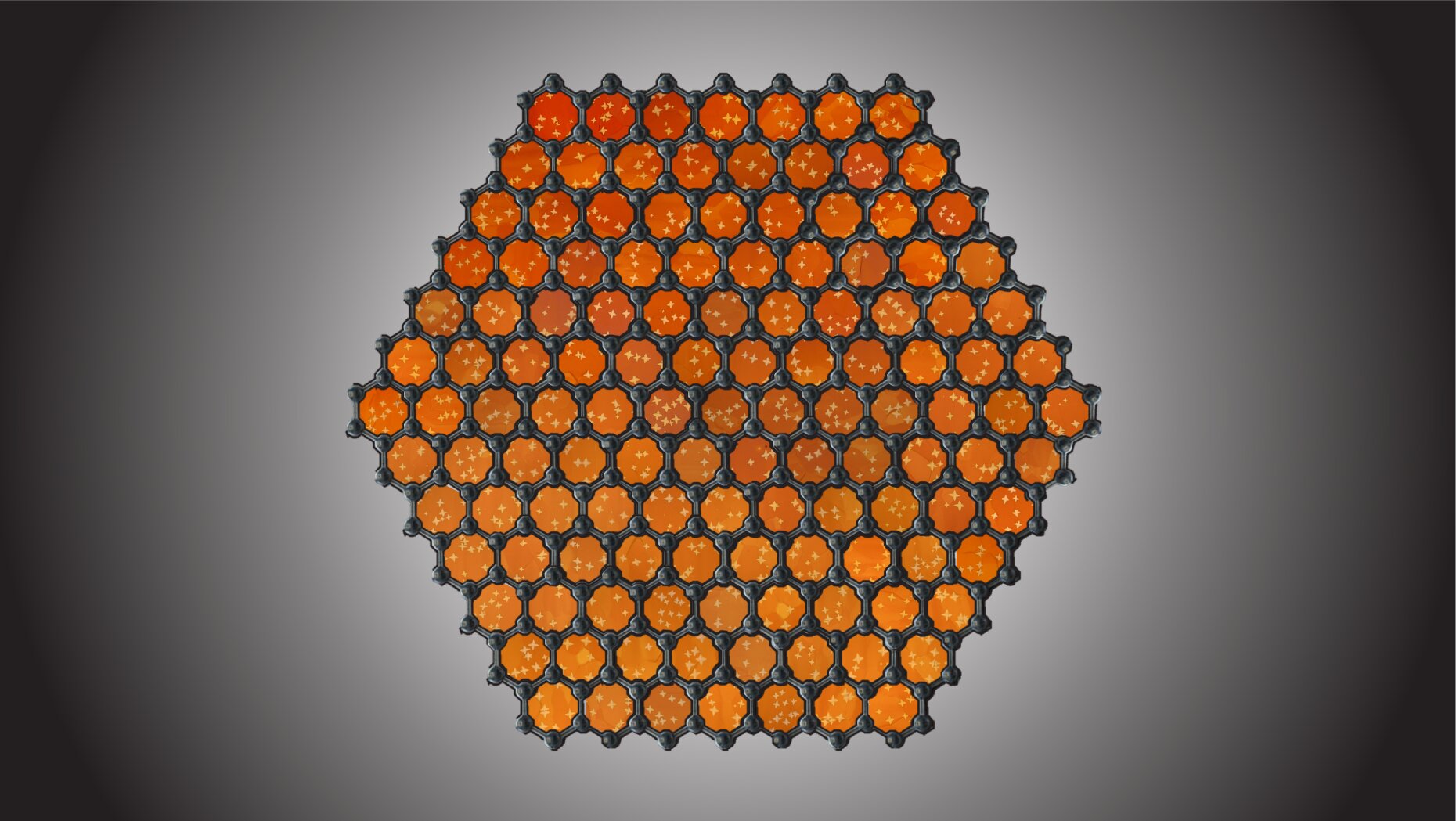
Engineers at Columbia University have developed an oxygen-free chemical vapor deposition (OF-CVD) method to produce high-quality graphene at scale. This new technique eliminates trace oxygen, which previously hindered the growth and quality of graphene, allowing for reproducible and large-scale synthesis. The resulting graphene samples exhibit properties comparable to those of exfoliated graphene, marking a significant step towards industrial applications of this "wonder material."
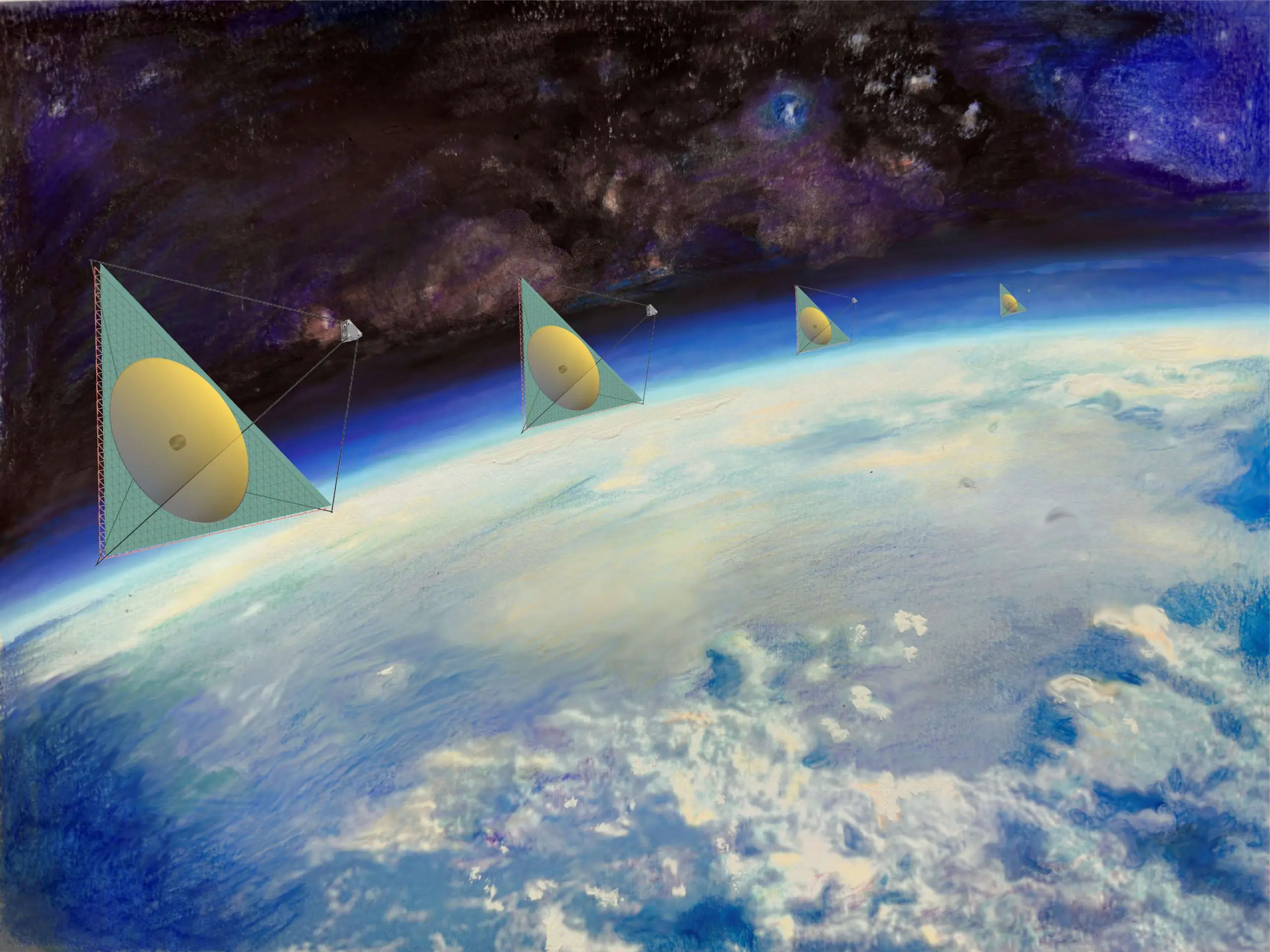
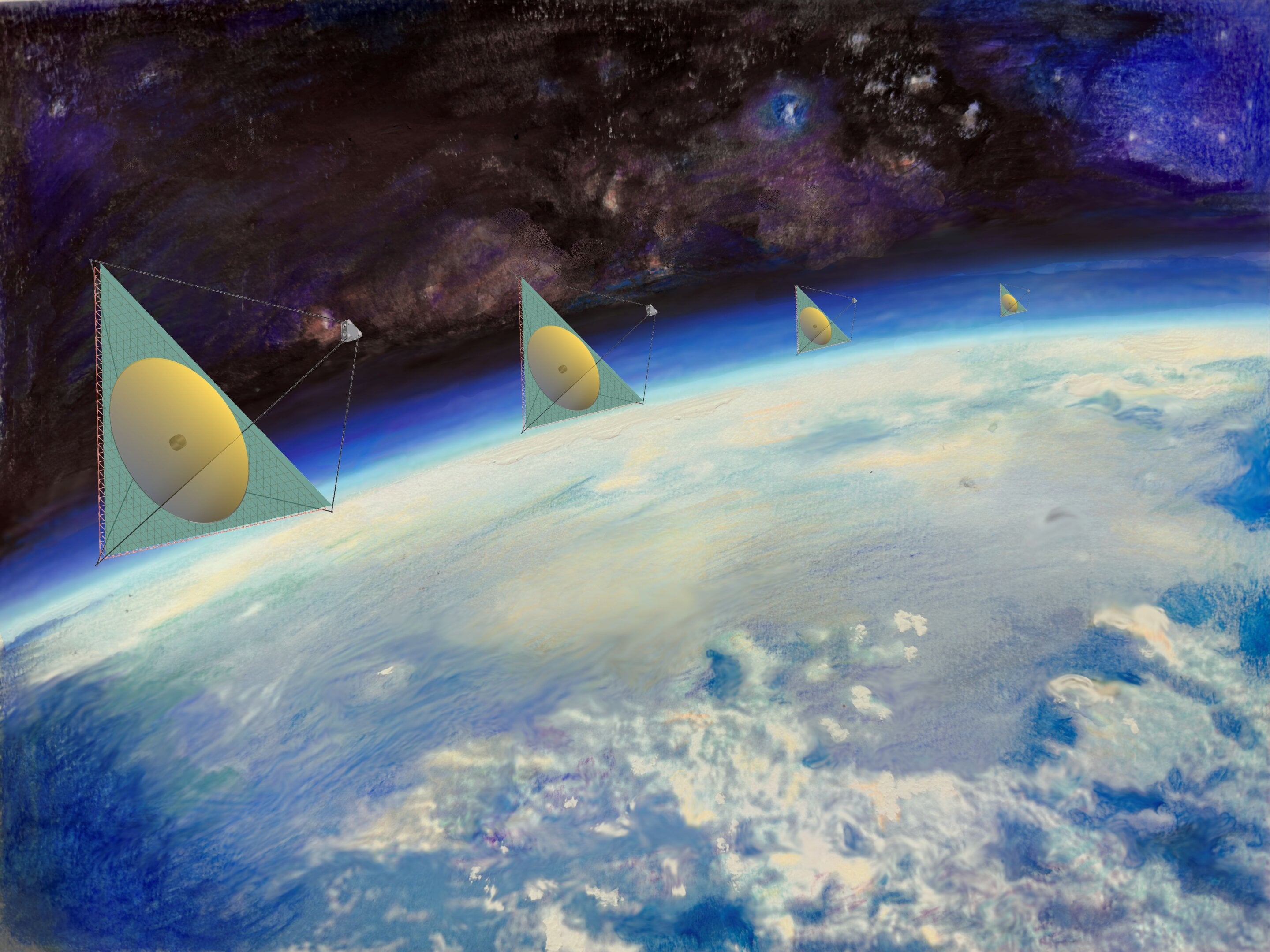
Researchers at Max Planck Institute for Extraterrestrial Physics have developed a new method to produce and shape large, high-quality mirrors that are significantly thinner than the primary mirrors traditionally employed in space telescopes. The mirrors are lightweight and flexible enough to be rolled up and packed efficiently within a spacecraft during launch. The researchers created the mirrors by using chemical vapor deposition to grow membrane mirrors on a rotating liquid inside a vacuum chamber. The new membrane-based mirrors could also be used in adaptive optics systems.
Researchers have developed a new method to produce and shape large, high-quality mirrors that are much thinner than the primary mirrors previously used for telescopes deployed in space. The mirrors are flexible enough to be rolled up and stored compactly inside a launch vehicle. The researchers used chemical vapor deposition to grow membrane mirrors on a rotating liquid inside a vacuum chamber, which allowed them to form parabolic thin membranes that can be used as the primary mirror of a telescope once coated with a reflecting surface such as aluminum. The new membrane-based mirrors could also be used in adaptive optics systems.