Meta is introducing an AI-powered message summary feature in WhatsApp, allowing users to privately summarize unread messages using Meta AI without compromising privacy, initially available in the U.S. with plans to expand later.
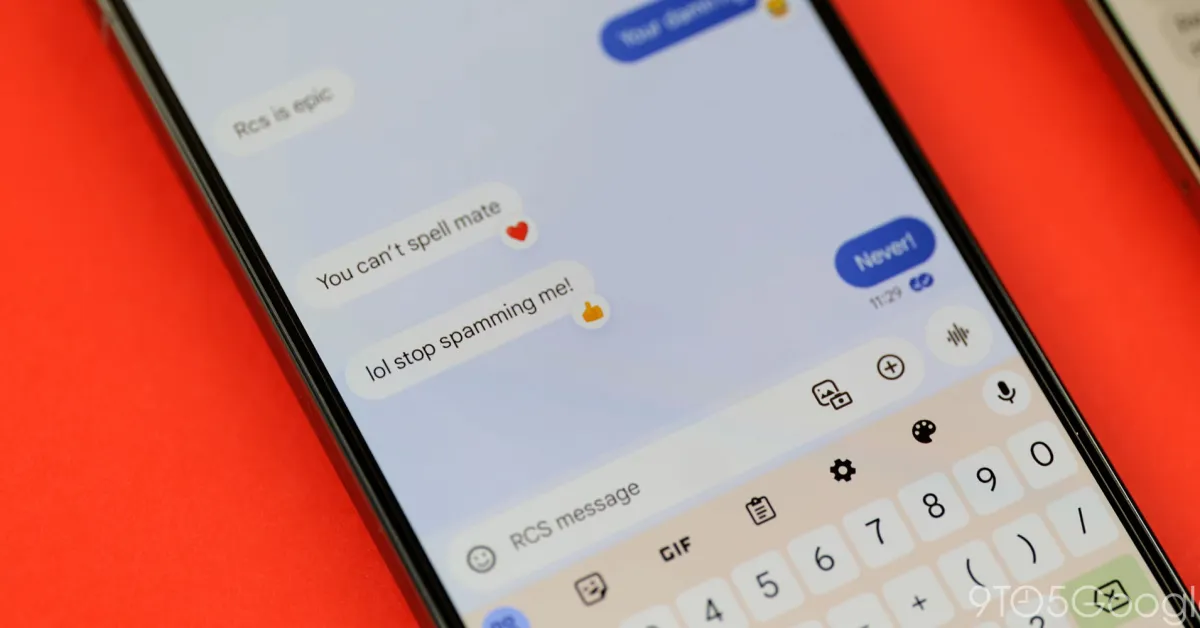
Google Messages has updated its 'New chat' page to prominently display which contacts have RCS enabled, using badges and dynamic color theming to make it easier to identify RCS contacts without extra steps, enhancing user experience and RCS adoption visibility.
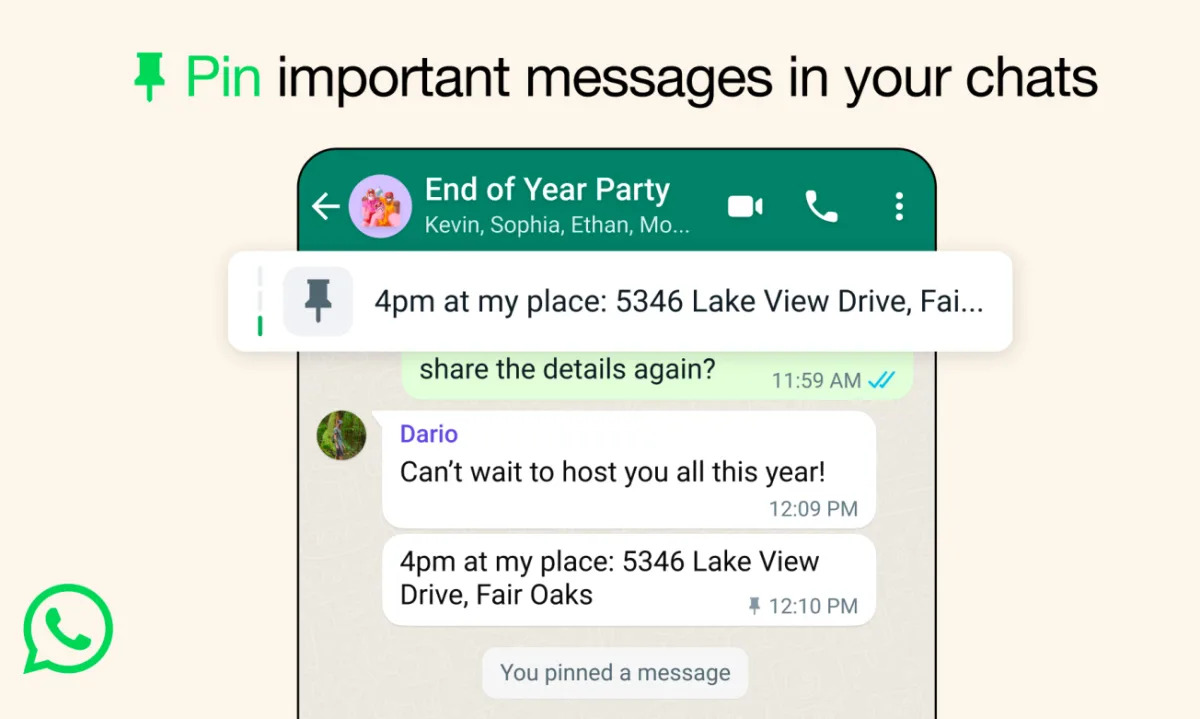
WhatsApp now allows users to pin up to three messages to the top of a chat, providing quick access to important information such as addresses or recipes. The pinned messages can include text, images, and polls, and will stay at the top of the chat for 24 hours, 7 days, or a month. Users can unpin messages if they no longer want them at the top of the chat. Additionally, WhatsApp introduced voice messages that self-destruct and may launch an AirDrop-like file sharing capability in the future.
WhatsApp now allows users to pin up to three different messages per chat, either in groups or individual conversations, making it easier to find important messages. The feature lets users choose the duration of the pinned message and is available for both iOS and Android. Additionally, the platform has been adding new features such as text formatting options and passkey support, with more updates expected in the future.
WhatsApp is reportedly working on expanding the support for pinning chats, allowing users to pin up to five chats at the top of the page, up from the current limit of three. The feature, spotted in WhatsApp for Android v2.24.6.13, is not live by default but can be manually enabled, indicating that it may be made available in the near future.
Meta, the parent company of Facebook, has announced that it will be disconnecting Messenger and Instagram chat later this month, separating the messaging services of the two platforms. This move comes as part of Meta's efforts to rebrand and focus on its new vision for the future of social media.
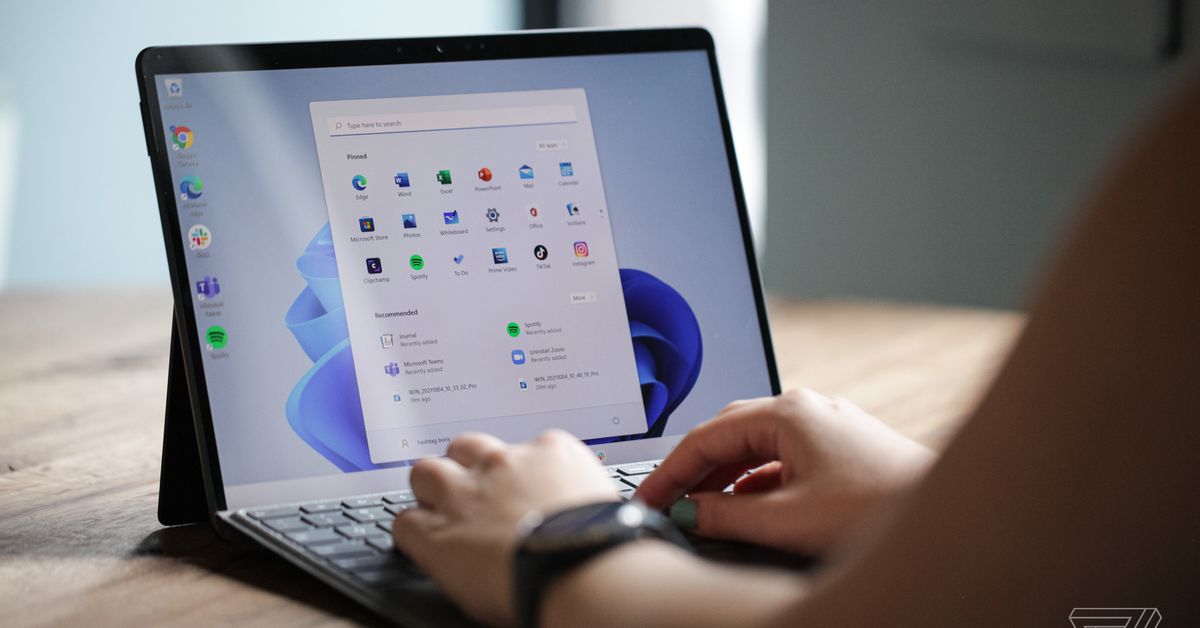
Microsoft is releasing the Windows 11 2023 Update, which includes features like Windows Copilot, AI-powered updates to various tools, RGB lighting support, and a modernized File Explorer. The main change is the removal of the Microsoft Teams integration named Chat, which has been replaced with a pinned Microsoft Teams app on the taskbar. The update also introduces a new section in settings for managing system components and hints at the possibility of removing built-in apps in the future.
Beeper, co-founded by Eric Migicovsky, aims to simplify the fragmented world of messaging apps by bringing them all together into a single app with a unified inbox. Migicovsky believes that the cross-platform compatibility that existed in the early days of messaging apps disappeared with the rise of mobile devices. Beeper seeks to recreate the convenience of those early platforms by allowing users to communicate with their friends regardless of the messaging app they use. While Beeper faces challenges in terms of stability and monetization, Migicovsky remains focused on his goal of making chat the killer app across all computing platforms.
Google is introducing its "smart compose" feature to its enterprise chat app, Chat, which suggests relevant phrases in context as you write, saving time by reducing repetitive typing. The update is only available on the web version and will be turned on by default, but can be disabled. Chat is available for free to individual users and has features similar to the original Hangouts experience, but with upgrades like reactions and reply suggestions.
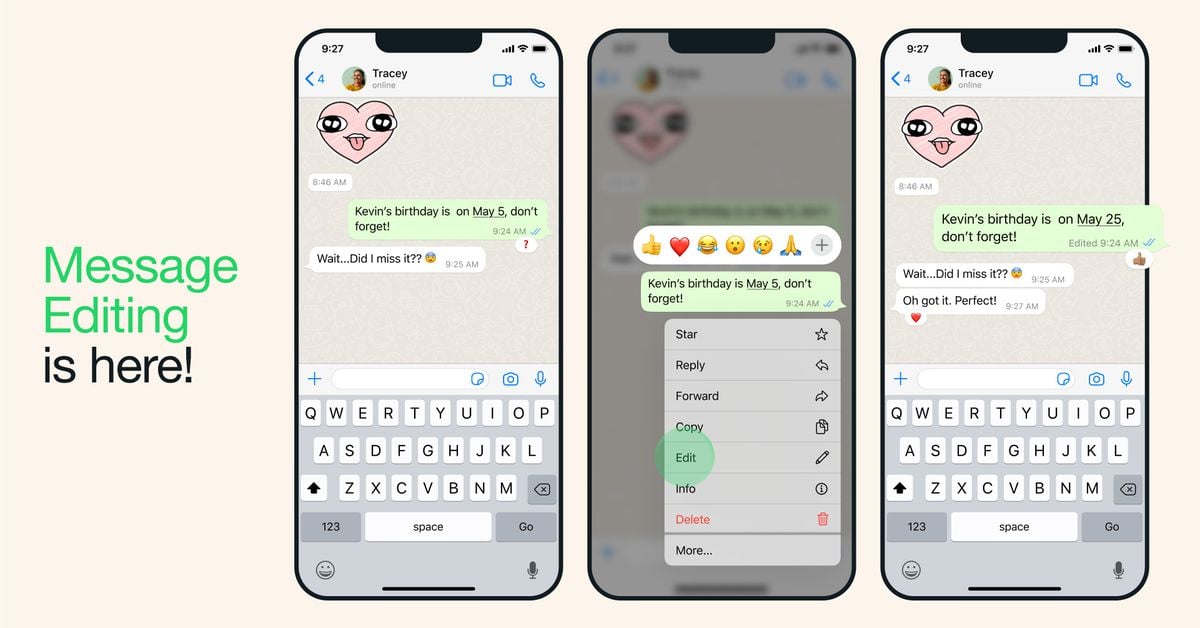
WhatsApp has officially rolled out editable messages globally, allowing users to edit messages for up to 15 minutes after sending them. Edited messages will display a small "edited" notice next to their timestamp to let chat participants know they've been changed. This feature will help users fix typos without having to delete and resend messages, which can look messy.
Microsoft has launched ads for chat API, an advertising solution that enables partners to monetize AI chat experiences. The API creates native advertising experiences that benefit partners, consumers, and advertisers. Partners can monetize content shared during chats, advertisers can reach target audiences, and consumers can find relevant product or service recommendations. The API can serve ads on chat platforms that Microsoft or other companies developed, allowing advertisers to reach a more extensive audience network. Microsoft plans to showcase the latest developments in GitHub Copilot, machine learning, Azure OpenAI Service, GPT-4, .NET, and more at its upcoming Microsoft Build event.
Google is reportedly planning to incorporate an artificial intelligence program to have conversations with and video clips into its search results to make them more "visual, snackable, personal, and human." The changes may be unveiled at the company's annual I/O developer conference this week. Microsoft recently incorporated AI features into its Bing search engine via its deal with OpenAI. Google has historically provided 10 blue links as the main form of its search results, but with the rise of generative AI, the company appears poised to make significant changes.
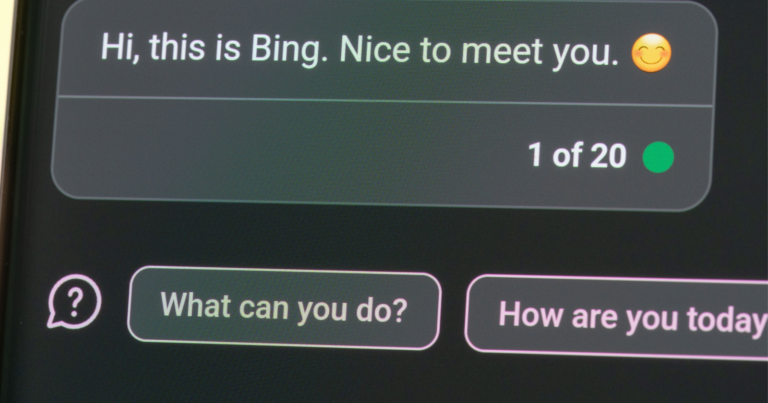
Microsoft has launched new features for its AI-powered search engine Bing and web browser Edge, including visual and multimodal searches, persistent chat tools, and third-party plugins. Bing Chat now includes visual search and an image creation tool in more than 100 languages, and allows users to revisit and resume previous conversations. The new Edge browser integrates more deeply with Bing Chat, offering new capabilities such as summarization and actions based on user requests. Microsoft plans to make chats more personalized by bringing context from previous conversations into new ones.
Fed Chair Jerome Powell was pranked into a chat with a fake President Zelensky, in which he was asked about the US economy and monetary policy. The prank was orchestrated by a team of comedians and aired on a Russian television show. Powell appeared to take the prank in good humor and answered the questions posed to him.
Microsoft plans to introduce ads within the AI-powered Bing chat experience, which has been an ad-free platform up until now. The move is aimed at driving more traffic to publishers and increasing revenue for them through new features and advertising. Microsoft is also exploring additional ways to distribute content, such as placing ads in the chat experience and sharing ad revenue with partners whose content contributed to the chat response. The positive feedback from publishers indicates that these changes could mark a turning point in the future of search and digital advertising.