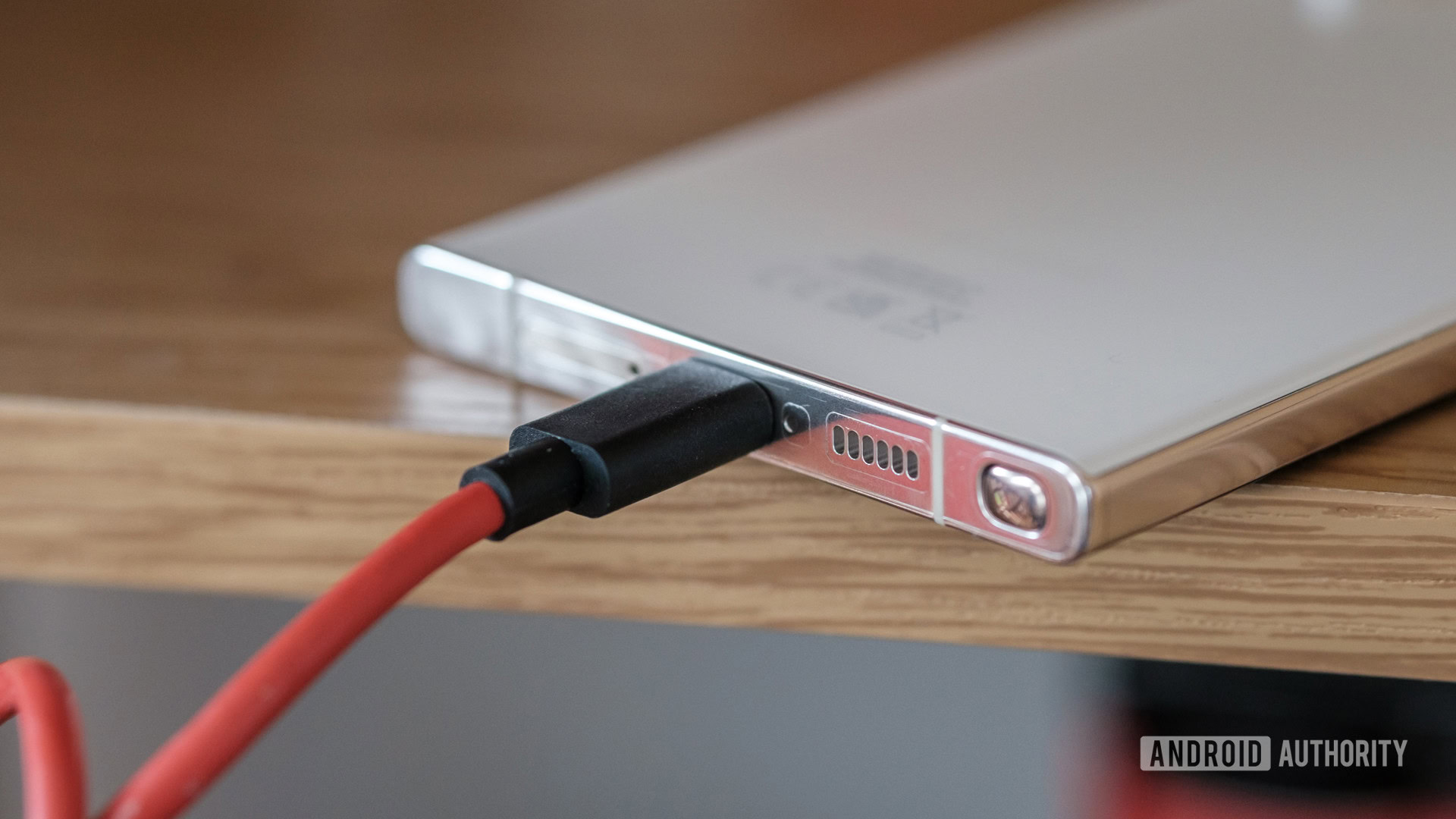
The article argues that USB-C has failed to live up to its promise of a universal, simple standard due to ongoing compatibility issues, confusing standards, and fragmentation, which undermine its potential to reduce e-waste and simplify device connectivity.
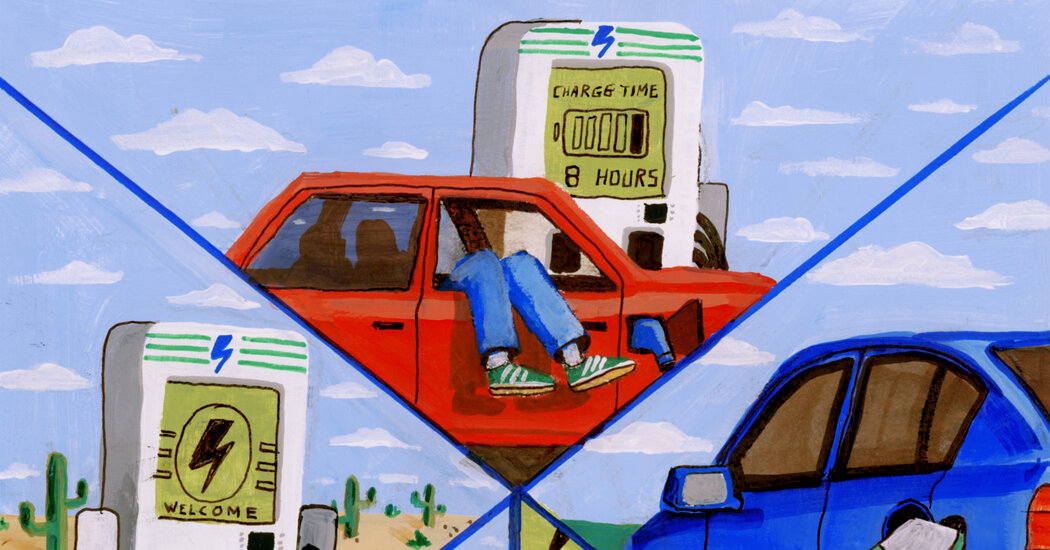
Concerns about charging infrastructure, particularly the lack of public charging stations, are holding back the widespread adoption of electric vehicles (EVs) in the United States. Surveys have consistently shown that potential buyers are hesitant to purchase EVs due to worries about charging logistics and the availability of charging stations. While most EV owners primarily charge their vehicles at home, public charging is still necessary for longer trips and for those without access to home charging. The reliability and availability of public charging stations, especially non-Tesla fast chargers, have been a major concern. Efforts are being made to improve the charging landscape, including government incentives, partnerships between automakers, and the push for a single charging standard. However, it will take several more years for the charging infrastructure to catch up with the increasing number of EVs on the road.
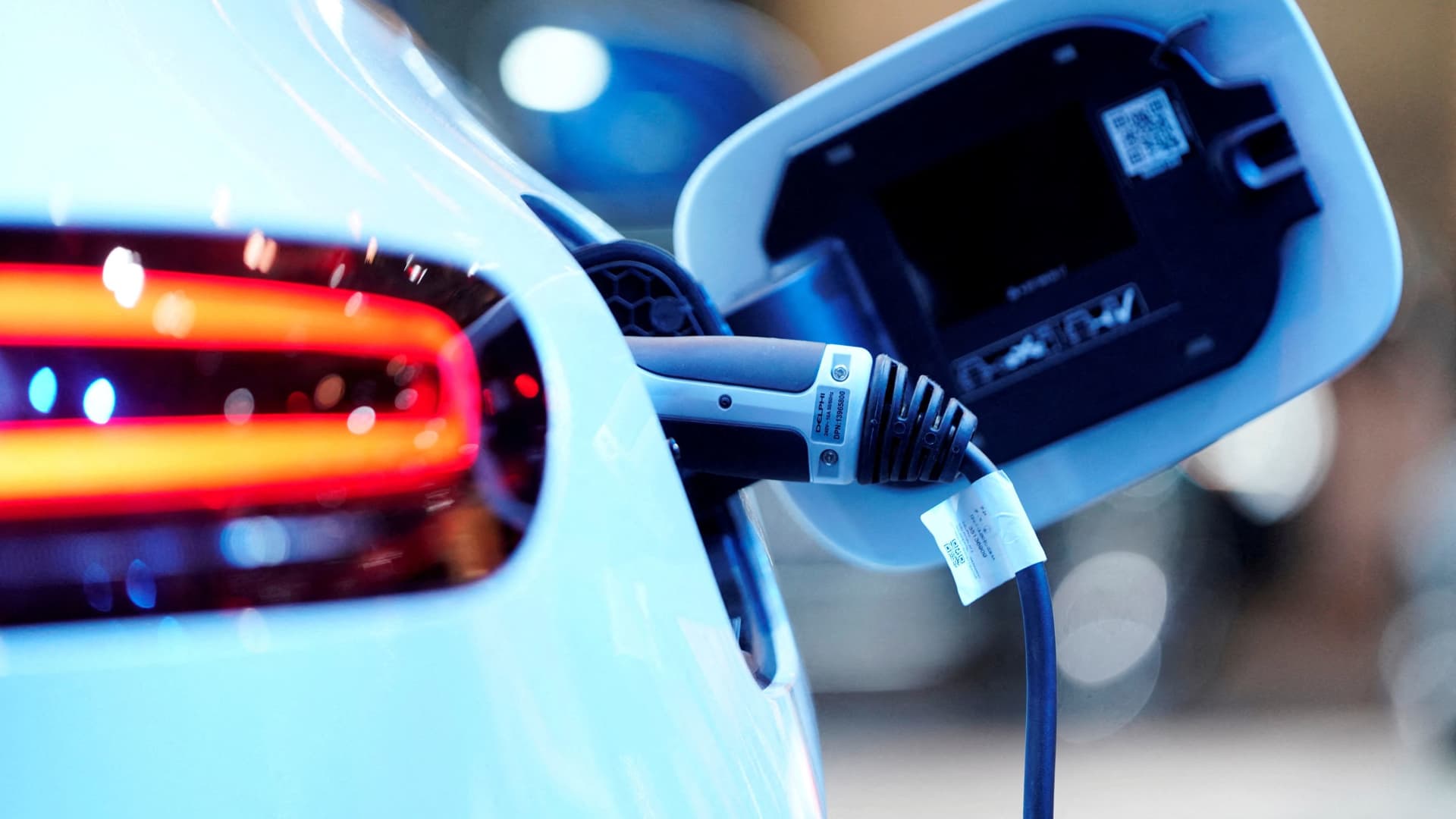
Automakers and charging companies are planning to install tens of thousands of fast chargers on American highways, but there is confusion over the type of plugs these chargers and cars will use. Many automakers, including Ford, General Motors, and Mercedes-Benz, plan to switch to Tesla's plug design, which is more widespread and reliable. However, until 2025, cars like the Ford Mustang Mach-E or Chevrolet Bolt will come with technology that may become obsolete. The two main plug types currently in use are Tesla's North American Charging Standard and the Combined Charging System (CCS) used by most other manufacturers. With automakers switching to Tesla's plug, the future of CCS in the United States is uncertain. Charger location also matters, as Tesla has secured prime locations, while newer charging companies often face challenges. CCS plugs have the advantage of being compatible with any electric car, including Teslas with adapters, but Tesla chargers can only charge Teslas.
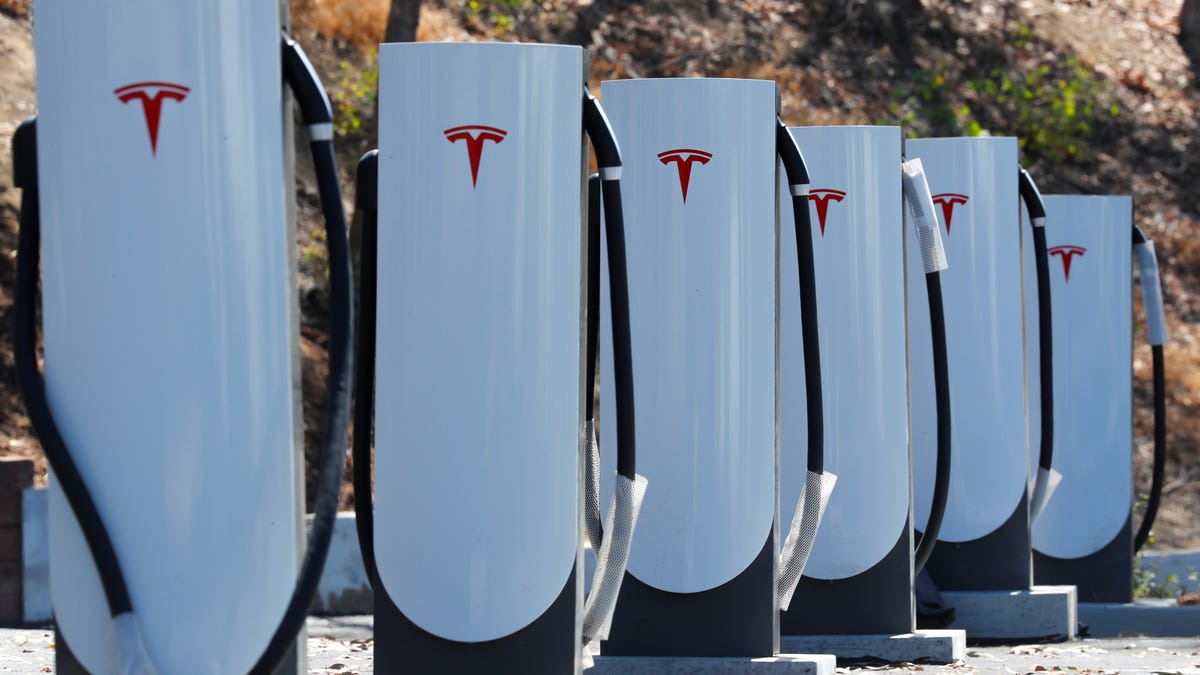
The White House is reportedly trying to convince Tesla to support the North American Charging Standard (NACS) for electric vehicle (EV) charging, which is currently being challenged by the Combined Charging System (CCS). Tesla's Supercharger network uses NACS, which is more popular in the US due to Tesla, GM, and Ford accounting for 70% of US EV sales. However, CCS has more charging stations worldwide and is supported by more car models. The possibility of having two standards in the US is being considered.