The article argues that USB-C has failed to live up to its promise of a universal, simple standard due to ongoing compatibility issues, confusing standards, and fragmentation, which undermine its potential to reduce e-waste and simplify device connectivity.
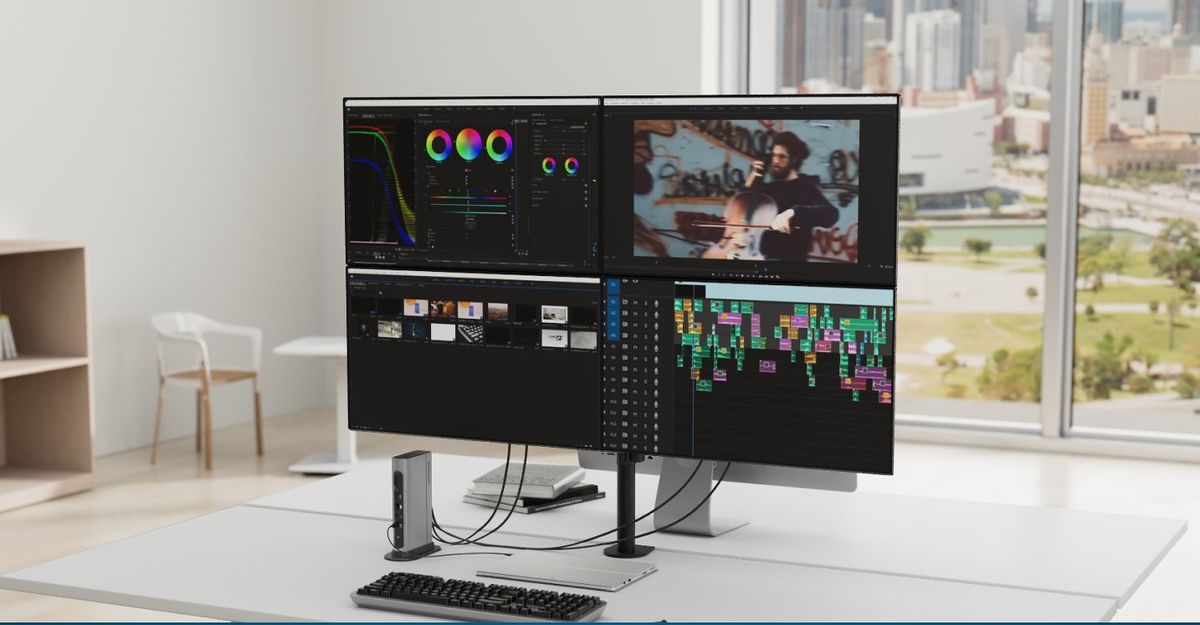
Kensington has released the SD5800T Thunderbolt 4 Docking Station, which supports up to four 4K monitors simultaneously, offers 16 ports, 98W power delivery, and 40Gbps transfer speeds. Priced at $379.99, the compact docking station can be used vertically or flat and features mounting and security slots. The number of monitors supported depends on the computer, with Windows PCs able to connect four 4K displays at 60Hz or a single 8K display at 60Hz, while MacBook models with M-Series processors can drive up to two 6K displays at 60Hz.
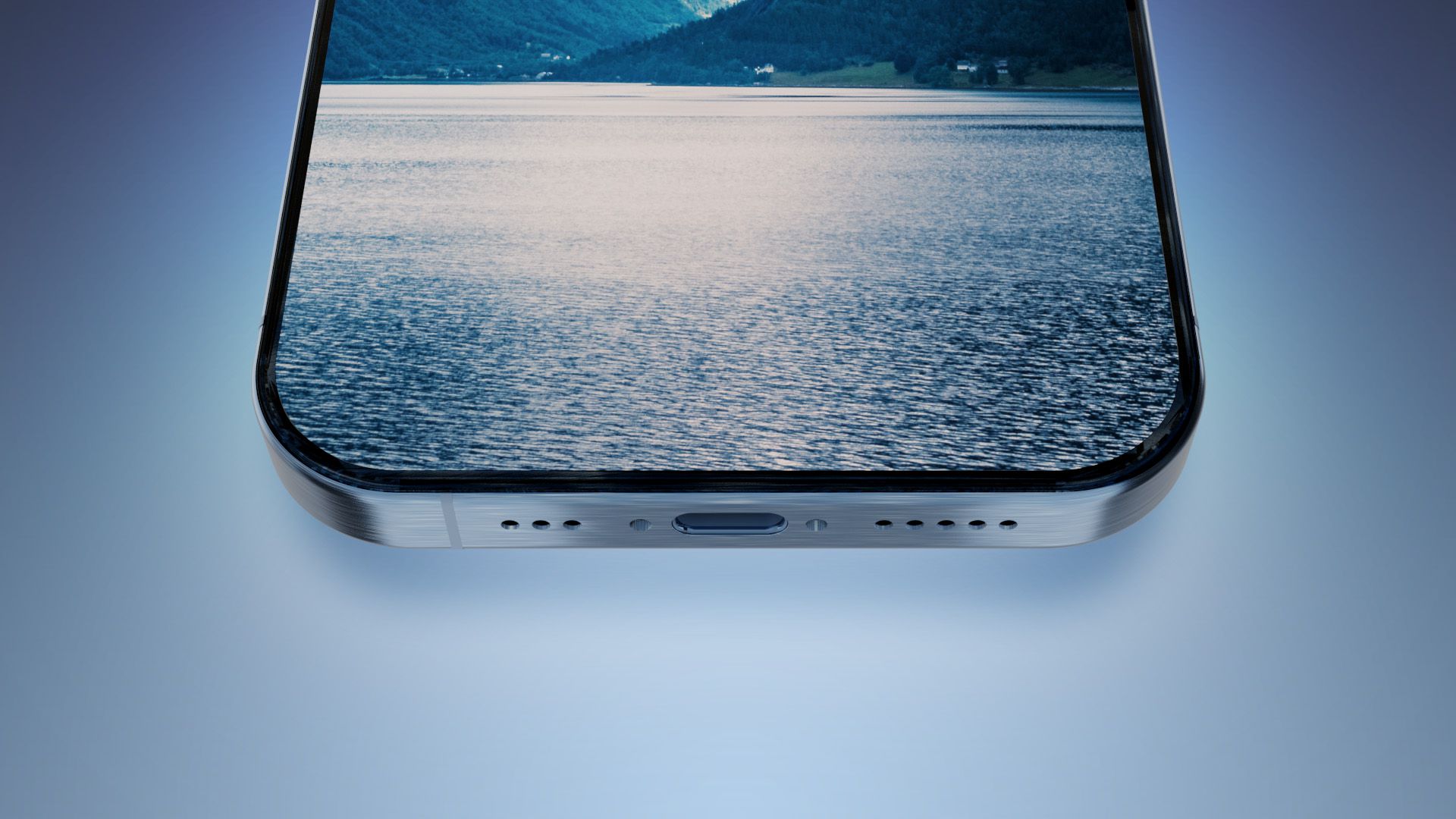
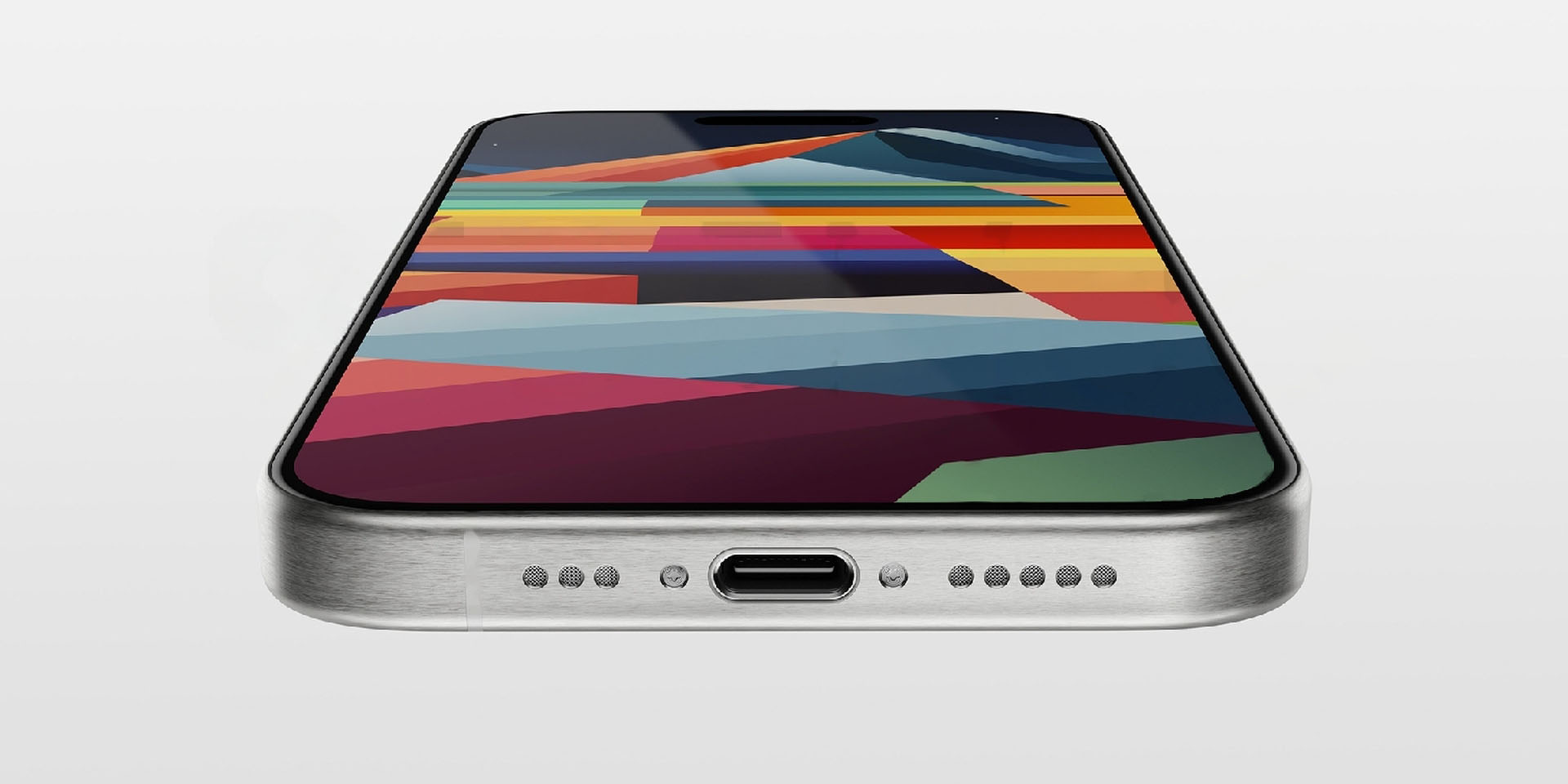
The upcoming iPhone 15 models are expected to feature USB-C ports, but there may be speed differences across the lineup. Analyst Ming-Chi Kuo has suggested that the iPhone 15 Pro and Pro Max will support USB 3.2 or Thunderbolt 3 for faster data transfer speeds, while the lower-end iPhone 15 and 15 Plus models will be limited to USB 2.0 speeds. Current iPad and Mac models already have USB-C ports with varying speeds, ranging from USB 2.0 to Thunderbolt. Rumors suggest that Apple may include a USB-C cable with the iPhone 15 models, but it might be limited to USB 2.0 speeds, requiring customers to purchase a higher-spec cable separately for faster speeds.
Apple reportedly began testing USB-C on the iPhone 15 back in January 2022, and all designs since March 2022 have featured the USB-C port instead of the Lightning port. The non-Pro versions will support USB 3.0 data transfer speeds, while the iPhone 15 Pro and Pro Max will support Thunderbolt-level speeds. The transition to USB-C is likely due to the EU's new law, which requires technology companies to switch to the new charging port by 2024.